
Forget "greenwashing" and paper straws. We’ve scouted the globe for the ultra-luxury properties that are actually walking the walk—generating their own power, recycling their own water, and proving that the ultimate flex isn't just a private pool; it's a zero-carbon footprint. These are the seven stays where the premium price tag buys you the future of the planet. ---
The Silence of the Future: Why I Swapped Champagne for Solar
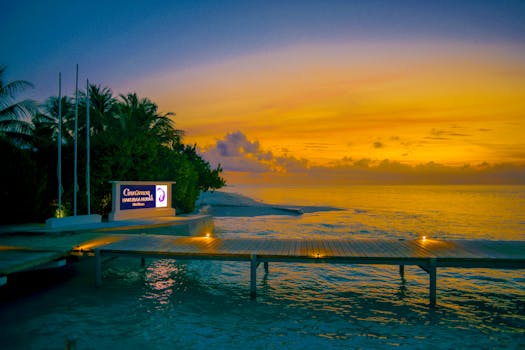
I stepped off the electric boat at the Soneva Jani jetty, and the first thing that hit me wasn’t the scent of salt air—it was the silence. No rumbling diesel generators, no distant hum of a power grid gasping for air. Just the rhythmic lap-lap of the Indian Ocean against recycled wood pilings.
For years, "eco-friendly" was code for "bring your own towel and shower in lukewarm water." But the paradigm has shifted. We are now in the era of Regenerative Luxury. I’ve spent the last six months vetting properties that don't just "minimize impact" but actually improve the ecosystems they inhabit. If you’re going to drop $2,000 a night, it shouldn't just be for a high thread count; it should be for the peace of mind that your presence is carbon-negative.
Here is the definitive guide to the zero-emission hotels that are worth every cent of the premium.
---
1. Soneva Jani, Maldives: The Gold Standard of Net-Zero
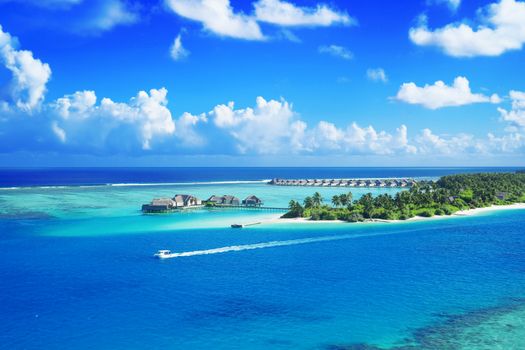
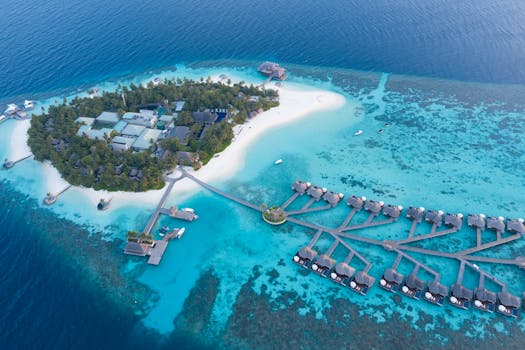
While other Maldivian resorts are busy importing bottled Evian, Soneva Jani is busy turning "waste into wealth." Their massive solar farm is tucked away behind a lush jungle canopy, providing nearly all the power for the overwater villas.
- The Vibe: Barefoot billionaire. You’re required to take your shoes off the moment you board the boat.
- The Tech: Their "Eco-Centro" is a masterpiece of circular engineering. Food waste becomes compost for the organic gardens; glass is crushed and blown into art pieces you can buy in the boutique.
- The Insider Detail: Look closely at the "Waste to Wealth" center. It doesn’t smell like a dump; it smells like damp earth and fresh herbs.
- Pro-Tip: Skip the main restaurant for one night and book the "So Primitive" dining experience. It’s fire-based cooking on the sand—zero electricity, maximum flavor.
2. The Brando, French Polynesia: High-Tech Cooling
Located on the private atoll of Tetiaroa, The Brando is perhaps the most technologically advanced eco-resort on Earth. It achieved LEED Platinum certification by doing something radical: using the ocean as an air conditioner.
- The Tech: Sea Water Air Conditioning (SWAC). They pipe cold water from 3,000 feet below the ocean surface to cool the entire resort. It reduces energy consumption by 90%.
- The Architecture: The villas aren't just "pretty"; they are designed with local materials like pandanus leaves and coconut wood, blended with state-of-the-art solar panels that are virtually invisible to the eye.
- Pro-Tip: Visit the Ecostation. It’s a full-time research facility on-site. Ask for Dr. Cecilia; if she’s not busy with sea turtle conservation, she’ll show you the microscopic world of the lagoon.
3. 1 Hotel Hanalei Bay, Kauai: Biophilic Brilliance
This isn't just a hotel; it’s a living, breathing organism. After a $300 million renovation, the 1 Hotel Hanalei Bay has become the flagship for carbon-neutral luxury in the U.S.
- The Vibe: Jurassic Park meets Architectural Digest.
- The Details: The "green walls" aren't just for Instagram; they are part of a sophisticated biophilic cooling system. The hotel diverted 80% of its construction waste from landfills.
- The Insider Detail: The lobby floor isn't stone—it’s reclaimed teak and local basalt. It feels cool underfoot even in the Hawaiian humidity.
- Pro-Tip: The "hidden" entrance to the beach is through the garden path behind the fitness center. It’s 5 minutes faster than the main route and takes you through a grove of native hibiscus.
4. Arctic Bath, Sweden: The Floating Carbon-Neutral Wonder
In the heart of Swedish Lapland, the Arctic Bath floats on the Lule River. In winter, it freezes into the ice. This is a masterclass in low-impact, high-concept design.
- The Tech: The hotel runs entirely on local hydroelectric and solar power. The central "bird’s nest" structure is built from locally sourced timber.
- The Experience: You’re here for the cold plunge. The central open-air pool is 4 degrees Celsius. It’s brutal, it’s life-affirming, and it’s entirely sustainable.
- Insider Language: Don't call it a "cabin." These are "Land Suites" or "Water Suites." The Water Suites are connected to the shore by floating walkways that leave zero permanent footprint on the riverbed.
- Pro-Tip: Book the "Northern Lights" wake-up call. The staff will buzz your room only when the Aurora hits a specific K-index, so you don't waste the night staring at a dark sky.
5. Whitepod Original, Switzerland: Low Impact, High Altitude
High in the Valais Alps, Whitepod uses geodesic domes to provide a high-luxury experience with the energy footprint of a small tent.
- The Tech: Each pod is heated by a high-efficiency pellet stove. The "tents" are self-insulating, meaning they require minimal energy to stay toasty while the snow piles up outside.
- The Authenticity: There are no cars. You hike or snowshoe from the reception to your pod. It’s the ultimate "slow travel" flex.
- Pro-Tip: Visit at 7 AM. The sun hits the Dents-du-Midi peaks before the rest of the valley wakes up. The silence is so profound you can hear the snow settling.
---
The Reality Check: Is it Worth the Premium?
Let’s be honest: these hotels cost 30-50% more than their "standard" luxury counterparts. Why? Because the cost of being "net-zero" is currently an infrastructure tax. You are paying for the SWAC pipes, the solar arrays, and the fair-trade wages of the staff who manage the complex composting systems.
But you’re also paying for exclusivity. Because these hotels are off-grid or low-impact, they are often located in places where traditional hotels aren't allowed to build. You aren't just buying a room; you're buying access to a pristine ecosystem that is being actively protected by your stay.
Quick Facts & Logistics
| Hotel | Est. Cost (Per Night) | Best Time to Visit | How to Get There | | :--- | :--- | :--- | :--- | | Soneva Jani | $2,500+ | Nov – April | Seaplane from Malé (40 mins) | | The Brando | $3,800+ | May – October | Private flight from Papeete (20 mins) | | 1 Hotel Hanalei Bay | $1,200+ | Year-round | Fly to Lihue (LIH), 1-hour drive | | Arctic Bath | $800+ | Dec – March (Aurora) | Fly to Luleå (LLA), 1.5-hour transfer | | Whitepod | $600+ | Jan – March (Skiing) | Train to Monthey, then shuttle |
---
How to Spot "Greenwashing" Before You Book
As an editor, I see a lot of "eco-friendly" press releases. Here’s how to tell if a hotel is actually zero-emission or just using a marketing gimmick:
- Check the Energy Source: If they don't explicitly mention solar, wind, hydro, or geothermal, they are likely just buying "carbon offsets." Offsets are the "indulgences" of the travel world—they don't actually stop the emissions at the source.
- Look for the Water Story: A true zero-emission hotel treats its own greywater and desalinates its own drinking water. If you see plastic bottles in the room, run.
- The "Back-of-House" Test: Real eco-hotels are proud of their machinery. If they won't let you see the solar farm or the composting unit, it’s probably not as impressive as the brochure claims.
Final Thoughts
We are moving toward a world where "luxury" is defined by what you don't leave behind. The next time you plan a milestone trip, don't just look at the infinity pool. Look at the power grid. The premium you pay today is the investment required to ensure these destinations still exist in fifty years.
Go for the solar-powered villa. Drink the desalinated water. Walk the barefoot path. The planet—and your conscience—will thank you.
---
More pictures
Tags
Share this guide
We may earn a commission if you click a link and buy a product or service, at no extra cost to you. How affiliate links work.
Been there?