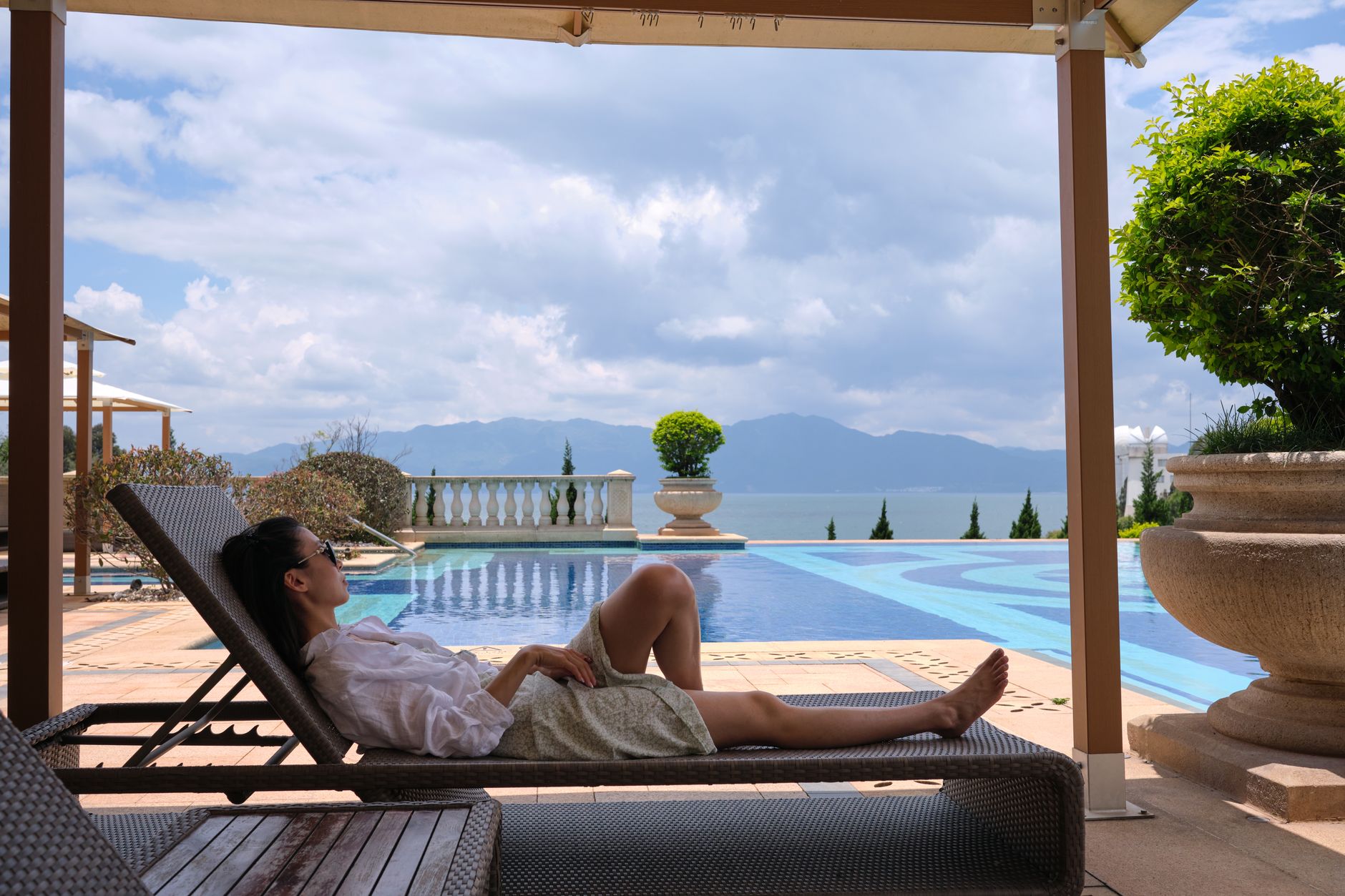
Want $300-a-night boutique luxury for $45, or Michelin-caliber meals for the price of a airport sandwich? Stop overpaying for generic tourist traps. We’ve audited global cost-of-living data, hotel quality indices, and culinary standards to rank the top cities on Earth where your money buys an extraordinarily high quality of life. Read on for the ultimate, field-tested guide to world-class travel on an attainable budget. ---
The Moment Everything Changed: Why Price Tags Are Lying to You
I stepped off the sleeper train into Budapest’s Keleti station as a thick winter mist hung over the iron rafters. The air smelled of sharp roasted paprika, ozone, and fresh espresso drifting from a corner kiosk. An hour later, I was soaking in the outdoor rooftop thermal bath at Rudas, watching the tugboats churn down the Danube under the floodlit Hungarian Parliament. Total cost for the thermal day pass, an espresso, and a train ticket across the country? Less than $28.
That morning shattered my perception of modern travel. For years, Western tourism marketing sold us a lie: that unforgettable experiences, architectural grandeur, and elite gastronomy require maxing out a credit card in London, Paris, or New York.
It’s simply not true.
If you know where to look, a new class of global cities offers an inverted economic paradigm: stunning architecture, deep cultural heritage, safety, and epicurean excellence at a quarter of Western prices. Here is my definitive guide to the cities with the best quality-to-price ratios worth considering right now.
---
1. Budapest, Hungary: Imperial Opulence on a Bistro Budget
Budapest isn't just cheap for Central Europe; it's arguably the most architecturally dramatic city on the continent for what you pay. Built during the height of the Austro-Hungarian Empire, the city boasts wide Secessionist boulevards, neo-Gothic fortresses, and a thermal bath culture dating back to the Ottoman Empire.
``` BUDAPEST AT A GLANCE +-----------------------+---------------------------------------+ | Daily Budget (Mid) | $65 - $95 USD | | 4-Star Boutique Hotel | $55 - $85 / night | | Gourmet 3-Course Dinner| $22 - $35 per person | | Public Transport Pass | $4.50 (24-hour pass) | | Peak Travel Window | September – November; April – May | +-----------------------+---------------------------------------+ ```
The Culinary & Stay Paradigm
While Western Europe charges $400 for basic 3-star chain hotels, Budapest lets you sleep in restored 19th-century palaces for under $90. You can dine on slow-braised venison with sour cherry reduction and local Villányi Franc red wine for the cost of a pub burger in London.
Pro-Tips for the High-Value Traveler
- The Thermal Hack: Skip the packed midday crowds at Széchenyi. Head to Rudas Thermal Bath on a Tuesday morning at 6:00 AM. You’ll get the 16th-century Ottoman octagonal pool and the Danube rooftop pool virtually to yourself for $18.
- Secret Eats: Walk into Bors Gastropub on Kazinczy Street. It looks like a hole-in-the-wall soup joint, but the former fine-dining chefs serve Michelin-level baguettes (try the grilled sausage with onion jam) for under $5.
---
2. Tbilisi, Georgia: Neo-Bohemian Culture Meets Ancient Wine
Tbilisi feels like a fever dream cooked up by an avant-garde designer and a medieval historian. Carved wooden balconies cling to cliffs above the Mtkvari River, while sulfur-bath cupolas rise from the ancient district of Abanotubani.
Why the Value Ratio is Unmatched
Georgia claims an 8,000-year uninterrupted winemaking tradition using clay vessels called qvevri. In Tbilisi, you can sip skin-contact Amber wines—the darling of natural wine bars in Brooklyn charging $22 a glass—for $3.50 while eating khinkali (giant spiced soup dumplings) cooked to order for $0.40 apiece.
``` TBILISI COST BREAKDOWN
- Artisanal Flat White: $2.10
- Plate of 5 Pork & Beef Khinkali: $2.50
- Design-Forward Hotel (e.g., Stamba/Fabrika ecosystem): $60 - $110 / night
- Private Sulfur Bath Suite (1 Hour): $25 total
```
Pro-Tips for the High-Value Traveler
- The Neighborhood: Skip the overly sanitized tourist strip of Shavteli Street. Book your stay in Sololaki, where decaying 19th-century Art Nouveau mansions feature overgrown courtyards, hand-painted frescoes, and hidden basement wine bars.
- The Flea Market: Visit the Dry Bridge Market at 10:00 AM. Bargain respectfully for Soviet-era cameras, handmade enamel jewelry, and antique Persian carpets.
---
3. Hanoi, Vietnam: Street-Level Culinary Royalty
If culinary output divided by dollars spent is your core metric for quality, Hanoi sits firmly at the top of the global throne. The city smells of charred pork, coriander, star anise broth, and dark-roasted coffee sweetened with condensed milk.
High-End Living on Pocket Change
Hanoi allows you to live like royalty on a shoestring. French-colonial boutique hotels featuring velvet armchairs, marble baths, and complimentary rooftop breakfast routinely cost under $40 per night. Meanwhile, street food vendors who have spent forty years perfecting a single dish will feed you world-class meals for $2.
Local Insider Highlights
- Bun Cha Ta (21 Nguyen Huu Huan): Forget the over-commercialized spots. For $3.50, you get a bowl of smoky, wood-charred pork patties swimming in fish sauce broth, heaps of fresh herbs, rice vermicelli, and crispy crab spring rolls.
- The Speakeasy Scene: Find the glowing red lantern behind a unassuming tailor shop on Hang Hanh street to discover Ray Club, where local mixologists craft wild cocktails infused with black cardamom and sticky-rice liquor for $5.
---
4. Oaxaca, Mexico: The World’s Undisputed Value Capital of Gastronomy
Oaxaca de Juárez isn't just a destination; it's a sensory immersion. Built from green volcanic stone, this UNESCO World Heritage city sits in a high-altitude valley surrounded by the Sierra Madre range.
Unpacking the Quality
In major US cities, authentic artisanal mezcal poured from wild agave (Tepeztate or Tobalá) costs $25 a glass. In Oaxaca, you can sit with master mezcaleros in lush colonial courtyards and taste ancestral distillations for $4. The culinary scene spans from centuries-old street markets serving complex moles (sauces with 30+ ingredients including cacao and dried chilies) to avant-garde tasting menus.
``` OAXACA QUALITY-TO-PRICE METRICS +--------------------------------+-------------------------------------+ | Mid-Range Colonial Guest House | $50 - $80 / night | | 7-Course Fine Dining Tasting | $55 - $75 per person | | Artisanal Mezcal Flight (3) | $12 total | | Local Bus / Colectivo Ride | $0.50 | | Ideal Visiting Months | Late October – April | +--------------------------------+-------------------------------------+ ```
Pro-Tips for the High-Value Traveler
- The Market Strategy: Skip the crowded lunch spots downtown. Head to Mercado de Abastos on a Saturday morning. Enter the Pasillo de Humo (Hall of Smoke), pick a stall, select your raw chorizo and thinly sliced tasajo (beef), and watch them grill it over charcoal right in front of you alongside roasted onions and handmade tortillas ($6 for two people).
- Where to Stay: Look for boutique bed-and-breakfasts in the Jalatlaco neighborhood—a quiet enclave of cobblestone streets, vibrant mural art, and third-wave coffee shops away from the central tourist noise.
---
5. Kraków, Poland: Gothic Elegance Meets Underground Nightlife
While Prague has struggled with overtourism and inflated prices over the last decade, Kraków has maintained an extraordinary balance of pristine historic preservation and ultra-competitive pricing. Its central Grand Market Square (Rynek Główny) is the largest medieval town square in Europe, flanked by soaring Gothic towers and subterranean vodka vaults.
High-Yield Travel Dynamics
Poland’s retention of its local currency (the Złoty) keeps local purchasing power incredibly strong for visitors carrying USD, EUR, or GBP.
You can tour world-class museums, listen to Chopin piano recitals in historic chapels, and dine at Michelin Bib Gourmand establishments without ever breaking a $100 daily limit for two people.
``` KRAKÓW PRICE-TO-EXPERIENCE MATRIX
- Michelin Bib Gourmand 3-Course Dinner: $35 - $45 per person
- Half-Liter Craft Beer (Kazimierz District): $3.00 - $4.00
- 14th-Century Cellar Jazz Club Entry: Free - $8.00
- Tram Day Ticket: $3.80
```
Pro-Tips for the High-Value Traveler
- The Historic Bite: Skip standard restaurants for lunch and visit a traditional Bar Mleczny (Milk Bar)—state-subsidized cafeterias dating back to the communist era. At Bar Mleczny Pod Temidą on Grodzka Street, a massive plate of handmade potato-and-cheese pierogi tossed in browned butter costs around $3.50.
- Nightlife Strategy: Head straight to the Kazimierz (Jewish Quarter) after dark. Skip the street-level pubs and look for unmarked basement doors leading down stone steps into subterranean caverns lighted entirely by candle power.
---
Global Comparison: Daily Mid-Range Luxury Budget
To help you plan your next high-yield trip, here is how these top five value-to-quality powerhouses compare on key metrics:
| City | Boutique Hotel (4★) | 3-Course Gourmet Dinner | Local Craft Beverage | Transit Day Pass | Quality Index Rank | | :--- | :--- | :--- | :--- | :--- | :--- | | Budapest, Hungary | $70 / night | $28 | $3.50 (Wine/Beer) | $4.50 | 9.4 / 10 | | Tbilisi, Georgia | $65 / night | $20 | $3.00 (Qvevri Wine) | $0.60 | 9.2 / 10 | | Hanoi, Vietnam | $40 / night | $12 | $1.00 (Bia Hối/Coffee) | $1.50 | 9.6 / 10 | | Oaxaca, Mexico | $65 / night | $25 | $4.00 (Wild Mezcal) | $1.00 | 9.5 / 10 | | Kraków, Poland | $75 / night | $30 | $3.50 (Craft Beer) | $3.80 | 9.3 / 10 |
---
The Tripsora Playbook: How to Unlock Elite Quality Anywhere
Finding destinations with exceptional quality-to-price ratios isn't just about picking cheaper countries on a map—it's about adopting an intentional travel philosophy:
- Target "Second-Tier" Currency Zones: Countries with hyper-stable infrastructure, rich culture, and safety—but local non-Euro/non-Dollar currencies (like Polish Złoty or Hungarian Forint)—deliver instant 30-50% savings on baseline costs.
- Prioritize Culinary Density Over White-Tablecloth Hype: True luxury is freshness, technique, and lineage. A street vendor who has folded dumplings for 40 years offers far higher culinary fidelity than a trendy resort restaurant charging $90 for mass-produced steak.
- Book Boutique Heritage Stays: Skip giant corporate hotel chains. Look for independently owned family heritage homes, converted historical spaces, or design forward hostels with private suites. You pay less while supporting local business owners directly.
The world is far too vast—and your hard-earned income far too valuable—to spend your vacations overpaying for mediocre experiences. Choose cities that respect your wallet as much as they captivate your senses.
---
More pictures



Tags
Share this guide
We may earn a commission if you click a link and buy a product or service, at no extra cost to you. How affiliate links work.
Been there?