
Forget the static audio guides. We’re diving into the kinetic, high-definition world of Deaf-led museum tours. From the shadow-play of the Louvre to the grand halls of the Met, these are the authentic sign language experiences that experts are currently obsessed with. ---
The Visual Symphony of Silence
I stepped off the RER train at Musée d’Orsay, the scent of roasting chestnuts and damp Seine pavement clinging to my coat. But as I entered the Great Hall, the roar of the crowd faded into a secondary hum. I wasn't there for the audio guide's monotone drone. I was there for a tour led by a Deaf curator, a master of Langue des Signes Française (LSF).
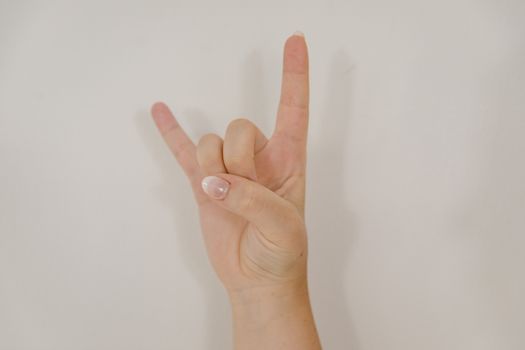
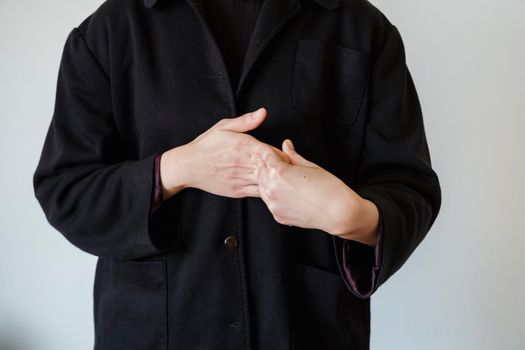
As the guide began to sign, describing the brushwork of Van Gogh’s Starry Night, the air changed. Her hands didn't just translate words; they carved the swirling wind and the pulsing stars out of the very atmosphere. It was a sensory revelation. For the first time, I wasn't just looking at art; I was watching it breathe through the visual choreography of sign language.
This isn't just about "accessibility." Experts are now recommending sign language tours as a premium way to experience art because they prioritize visual storytelling over auditory distraction. Whether you are a member of the Deaf community or a student of the language, these are the definitive tours reshaping the global museum landscape.
---
1. The British Museum, London: The BSL Revolution
The British Museum is a labyrinth of human history, but its British Sign Language (BSL) tours are what truly bring the Rosetta Stone to life. Unlike standard tours that focus on dates and dynasties, the BSL tours here often delve into the visual vernacular of the artifacts.
The Expert Recommendation: Experts point toward the "Deaf-led" series. These aren't hearing guides being interpreted; these are Deaf historians who provide a cultural context that hearing guides often miss. They focus on the geometry of the Parthenon Marbles and the expressive power of the Egyptian reliefs.
- Pro-Tip: Don't just show up. The BSL tours are popular and often run on the last Friday of the month. Check the "Accessible Events" page three months in advance.
- The Insider Detail: Head to the Enlightenment Gallery (Room 1) after the tour. The lighting is specifically designed to be soft but clear, making it the best spot in the museum for private signing without the harsh glare of modern LEDs.
2. The Metropolitan Museum of Art (The Met), NYC: ASL Mastery
The Met doesn't do anything halfway. Their American Sign Language (ASL) programs are the gold standard in North America. When you stand in the Temple of Dendur, the sandstone glowing under the massive glass wall, an ASL guide can convey the sheer scale of the architecture through the "spatial mapping" inherent in the language.
Why Experts Love It: The Met offers "ASL Tours with Voice Interpretation." This makes the tour inclusive for mixed-hearing groups while keeping the Deaf guide as the primary authority. It flips the script on traditional museum hierarchy.
- Pro-Tip: Visit during the "Met After Dark" on Friday or Saturday evenings. The shadows in the American Wing create a dramatic backdrop for the guides’ movements, turning the tour into a piece of performance art.
- The Hidden Spot: Behind the blue door near the Great Hall balcony is a quiet lounge often used by the accessibility staff. It’s the perfect place to reset if the museum crowds become overwhelming.
3. Musée du Louvre, Paris: The Birthplace of LSF
The Louvre is the ancestral home of LSF, and their "Visite en LSF" is a masterclass in elegance. While the "Mona Lisa" is the obvious draw, the sign language tours experts are recommending focus on the Department of Near Eastern Antiquities.
The Authentic Experience: There is something profound about seeing a guide sign about the Code of Hammurabi in the very language that helped spark the global Deaf education movement. The guides here use a "high-register" LSF that mirrors the formal grandeur of the palace.
- Pro-Tip: The Louvre’s "Visio-guide" is an incredible backup if you can't snag a live tour. It’s a Nintendo 3DS-based device with high-quality LSF and International Sign videos.
- The Logistics: Enter through the Porte des Lions rather than the Pyramid. It’s significantly quieter, and the walk to the meeting point for the LSF tours is much more direct.
4. The Smithsonian National Portrait Gallery, DC: Kinetic History
In Washington D.C., the National Portrait Gallery offers a program called "Portrait Signs." This isn't just a walk-through; it’s an interrogation of American identity. Experts recommend this tour because it tackles complex social issues—race, power, and gender—through the nuanced lens of Deaf culture.
The Detail: Watch how the guides describe the portraits of the Obamas. The signs used for "hope" and "legacy" carry a weight that words on a plaque simply cannot match.
- Pro-Tip: The Kogod Courtyard, with its undulating glass roof, is the best place for a post-tour coffee. The natural light is a signer’s dream—no shadows on the face or hands.
5. Museo del Prado, Madrid: LSE and Tactile Synergy
The Prado is leaning into "Sign Language + Tactile" tours. For those who are Deaf-Blind or simply want a more haptic experience, the Prado’s Lengua de Signos Española (LSE) tours often incorporate 3D-printed versions of masterpieces like Velázquez’s Las Meninas.
The Authentic Touch: You aren't just told about the texture of the lace in the painting; you are shown it through a combination of signing and physical models. It is one of the most inclusive art experiences in Europe.
- Pro-Tip: The museum is free for people with disabilities and one companion. Ensure you have your documentation (even from your home country) to skip the ticket line.
---
Quick Facts: Logistics & Budget
| Museum | Language | Cost | Best Time to Visit | How to Get There | | :--- | :--- | :--- | :--- | :--- | | British Museum | BSL | Free (Book ahead) | Last Friday of the month | Tube to Tottenham Court Rd | | The Met | ASL | Included in Admin | Friday Evenings | 4, 5, or 6 Train to 86th St | | The Louvre | LSF / IS | €9 - €15 | Wednesday Mornings | Metro Line 1 to Palais Royal | | Smithsonian | ASL | Free | Saturday Afternoons | Metro to Gallery Place | | Prado | LSE | Free (Disabled) | 10:00 AM (Opening) | Metro Line 2 to Banco de España |
---
Why the "Expert Recommendation" Matters
When we talk about "sign language tours in major museums experts are recommending," we are talking about a shift toward Deaf Gain. This is the idea that the Deaf perspective provides a gain in understanding for everyone.
Experts prefer these tours because:
- Visual Acuity: Deaf guides notice visual details—the direction of a gaze, the tension in a painted hand—that hearing guides often overlook while reading from a script.
- Spatial Storytelling: Sign language uses the space around the body to describe architecture and sculpture, creating a 3D "map" of the art.
- Cultural Immersion: You aren't just learning about art; you are learning about the rich, linguistic heritage of the Deaf community in that specific country.
How to Book Like a Pro
Don't rely on the general "Information" desk.
- Step 1: Email the "Access" or "Inclusion" department directly at least three weeks before your visit.
- Step 2: Ask for a "Deaf-led" tour specifically, rather than just an "interpreted" tour.
- Step 3: Confirm if the tour uses a specific regional sign language (like BSL) or International Sign (IS).
The Final Word
Art was never meant to be just heard; it was meant to be seen and felt. By choosing a sign language tour, you are stripping away the noise and engaging with the visual soul of the museum. Whether you’re watching a guide’s hands mimic the jagged edges of a Picasso or the fluid grace of a Grecian urn, you’re experiencing the museum in its most authentic, kinetic form.
Pack your bags, sharpen your eyes, and get ready to see the world’s masterpieces in a whole new light.
---
More pictures



Tags
Share this guide
We may earn a commission if you click a link and buy a product or service, at no extra cost to you. How affiliate links work.
Been there?