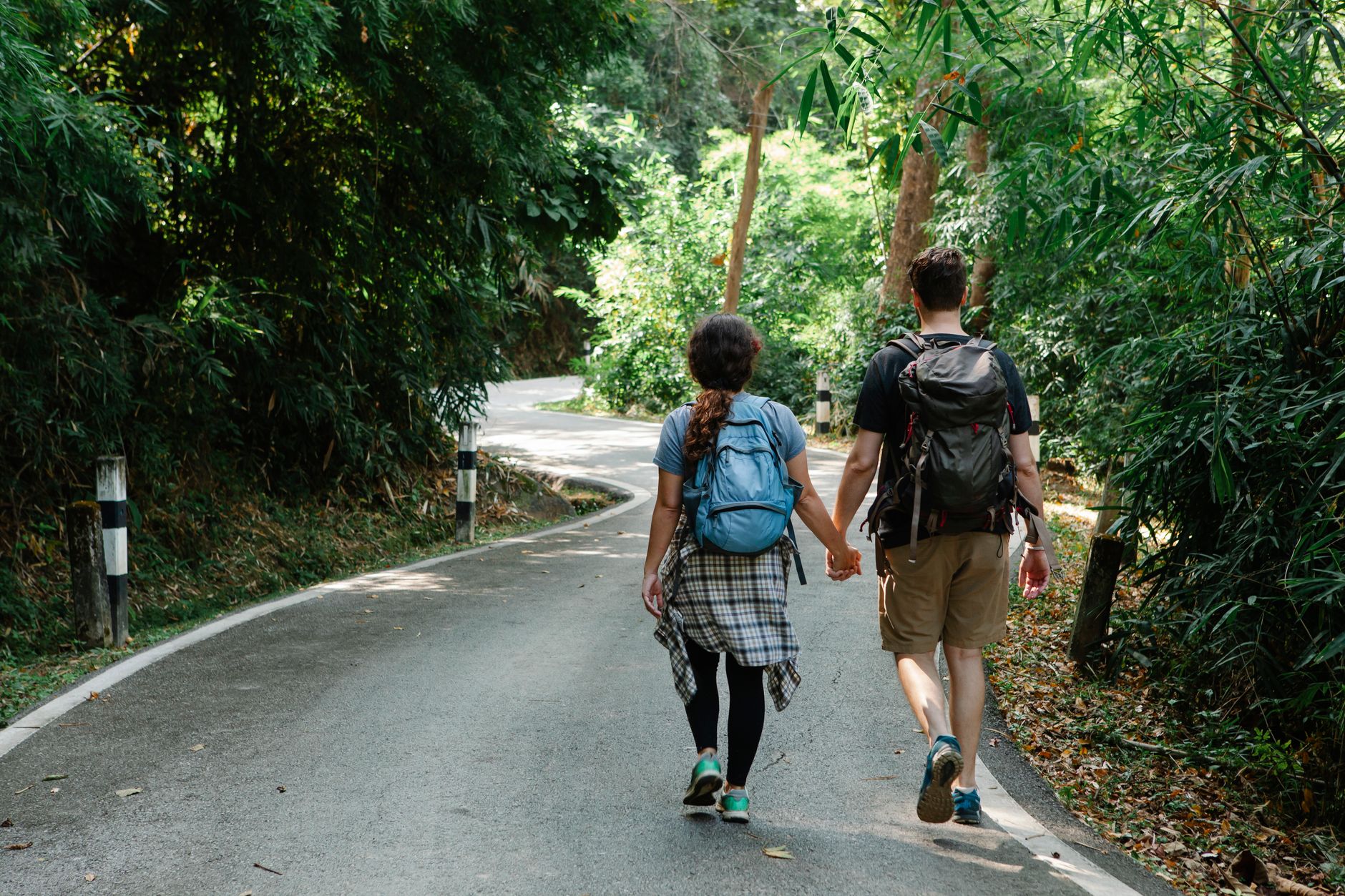
Skip the tourist traps. We’ve mapped out 5 expert-approved, jaw-dropping walking holidays that combine legendary landscapes—from Japan’s ancient pilgrimage trails to Portugal’s wild coastal cliffs—with hyper-local food, hidden guesthouses, and precise logistics. Read this, pack your bags, and go. ---
The Hook: A Step Into the Wild
I stepped off the train at Kii-Tanabe station and was instantly hit by the scent of damp earth, cypress resin, and woodsmoke. My knees were stiff from the journey from Osaka, but as I strapped on my pack, the heavy, humid air of the Kii Peninsula wrapped around me like a damp wool blanket. This wasn’t the neon-lit, high-speed Japan of the travel brochures. This was the start of the Kumano Kodo—an ancient network of pilgrimage trails that has quieted the minds of emperors, samurai, and weary travelers for over a millennium.
There is a distinct magic in slow travel. When you cross a landscape on foot, you don't just see it; you absorb it through the soles of your boots, the scratch of wild gorse against your shins, and the taste of salt spray on your lips.
Right now, travel experts are moving away from crowded hotspots and recommending immersive walking holidays that prioritize depth over speed. If you are ready to trade screen time for trail time, here are five legendary walking holidays that top-tier adventure specialists are quietly booking for their most discerning clients this year.
---
1. The Sacred Steps: Japan’s Kumano Kodo (Nakahechi Route)
The Vibe: Spiritual, misty, and deeply restorative.
The Kumano Kodo is one of only two UNESCO-designated pilgrimage routes in the world (the other being the Camino de Santiago). While there are several routes across the mountainous Kii Peninsula, the Nakahechi Route is the classic path of the emperors. You will walk through towering groves of ancient sugi (Japanese cedar) trees, past moss-draped stone deities (oji), and down to sacred grand shrines.
Each day ends not in a sterile hotel, but in a traditional ryokan or family-run minshuku (guesthouse). Here, you will trade your hiking gear for a cotton yukata, soak your aching muscles in natural hot spring waters (onsen), and feast on multi-course kaiseki dinners featuring wild mountain vegetables, local river trout, and mehari-zushi (salted mustard leaf-wrapped rice balls).
- Distance: ~68 km (42 miles) from Takijiri-oji to Nachi Falls.
- Duration: 4 to 5 days of walking.
- Terrain: Steep stone staircases, dirt forest paths, and occasional paved village roads. Expect significant elevation gain and loss.
> Pro-Tip: Do not miss Yunomine Onsen. It is home to Tsuboyu, a tiny, wooden bath cabin built over a riverbed. It is the only World Heritage-listed hot spring in the world that you can bathe in. It operates on a first-come, first-served basis. Arrive by 6:00 AM, buy a ticket from the vending machine, and secure your 30-minute private slot.
---
2. The Wild Edge of Europe: Portugal’s Fishermen’s Trail
The Vibe: Salty, wind-whipped coastal drama.
If your idea of heaven is walking along dramatic cliffs with the Atlantic Ocean crashing below, the Fishermen’s Trail (part of the Rota Vicentina) in southern Portugal is your holy grail. Running along the Alentejo and Algarve coasts, this path follows the actual tracks used by locals to access secret fishing spots and secluded beaches.
Unlike the crowded Algarve resort towns further south, this region remains wonderfully wild. You’ll walk past jagged cliffs where white storks build giant nests on sea stacks—the only place in the world where they do this. The air smells of wild rosemary, rockrose, and sea salt. At night, you’ll stay in whitewashed coastal villages like Zambujeira do Mar and dine on percebes (gooseneck barnacles), grilled sea bass, and crisp Alentejo white wine.
- Distance: 120 km (75 miles) from Porto Covo to Odeceixe (the classic section).
- Duration: 4 to 6 days.
- Terrain: Heavy sand. Nearly 60% of this trail is walked directly on deep, soft coastal sand dunes, which makes it deceptively strenuous.
> Pro-Tip: Wear low-cut trail running shoes rather than heavy, stiff leather boots, and wear sand gaiters. Keeping the fine sand out of your shoes is the single best way to prevent blisters on this route. Also, the descent to the secluded beach at Praia do Cavaleiro has a steep, unofficial path with a weathered rope handrail—use it slowly, as the shale can be incredibly slippery.
---
3. High-Altitude Heaven: Italy’s Alta Via 1
The Vibe: Dramatic limestone peaks and alpine luxury.
The Dolomites are unlike any other mountain range. Their sheer, pale limestone walls rise abruptly from lush green meadows, turning a brilliant, fiery pink at sunset—a phenomenon locals call enrosadira. The Alta Via 1 (High Path 1) is the ultimate route through this landscape, running from the iconic Lago di Braies south to Belluno.
The beauty of walking in the Dolomites is the rifugio culture. These are not rustic, drafty shelters; they are high-altitude mountain huts that offer comfortable private rooms, hot showers, and exceptional South Tyrolean cuisine. Imagine finishing a grueling 1,000-meter climb and sitting down to a plate of handmade beet casunziei (pasta) and a glass of local Lagrein wine, all while looking out over the jagged peaks of the Tofane group.
- Distance: 120 km (75 miles) for the full route, though many hikers opt for the northern half (4-5 days).
- Duration: 8 to 10 days for the full trail.
- Terrain: Rocky mountain paths, scree slopes, and some exposed sections with cable handrails (no technical climbing gear required for the standard route).
> Pro-Tip: Book Rifugio Lagazuoi at least six to eight months in advance. Situated at 2,752 meters, it features a wood-fired Finnish sauna on its outdoor deck. Sitting in a steaming sauna at sunset, looking down at the clouds rolling through the mountain passes, is an experience you will never forget.
---
4. The Untamed Green: Ireland’s Kerry Way
The Vibe: Moody peat bogs, ancient stone forts, and cozy pub fires.
The Ring of Kerry is famous worldwide for its driving route, but the best way to experience Ireland’s wildest peninsula is on foot via the Kerry Way. This loop trail starts and ends in the bustling town of Killarney, winding through the oak forests of Killarney National Park, over rugged mountain passes, and along the wild shores of Kenmare Bay.
This is a landscape of intense, layered greens, punctuated by yellow gorse bushes and dark, mysterious peat bogs. You will walk past prehistoric standing stones and abandoned 19th-century famine cottages. Yes, it will likely rain—but that only makes the end of the day better. There is nothing quite like peeling off your waterproofs and sitting by a roaring peat fire in a pub in Sneem or Caherdaniel, listening to live traditional music with a perfectly poured pint of Guinness in hand.
- Distance: 214 km (133 miles) full loop.
- Duration: 9 to 11 days (though you can easily section-hike the best parts over 4-5 days).
- Terrain: Grassy tracks, rocky hill paths, farm lanes, and some wet, boggy crossings.
> Pro-Tip: Irish weather is famously mercurial. Pack a high-end, 3-layer Gore-Tex Paclite jacket and waterproof trousers, even in mid-summer. To bypass the less scenic tarmac road walking sections on day one, hire a local taxi from Killarney to drop you directly at the Lord Brandon’s Cottage trailhead in the Black Valley.
---
5. Where History Meets the Sea: Turkey's Lycian Way
The Vibe: Ancient ruins, olive groves, and turquoise bays.
For a walking holiday that combines rugged coastal trekking with deep history, the Lycian Way on Turkey’s southwest coast is unmatched. This trail winds along the mountainous Tekke Peninsula, connecting ancient Lycian city-states that date back to the 5th century BC.
As you walk, you will literally stumble over history. The trail leads you through olive groves, past ancient stone sarcophagi standing wild in the fields, and down to deserted Mediterranean coves. You can explore the ruins of Patara—the birthplace of St. Nicholas—and swim in the turquoise waters of Kabak Bay. Evenings are spent in small, hospitable village pensions, eating fresh meze, home-baked gözleme (stuffed flatbreads), and figs picked straight from the tree.
- Distance: 540 km (335 miles) total, but most travelers walk the western section from Fethiye to Kabak/Patara.
- Duration: 5 to 7 days for the highlights.
- Terrain: Rocky, limestone paths, goat tracks, and steep coastal descents. Can be hot and dry.
> Pro-Tip: The natural springs marked on older topo maps are frequently dry by late spring. Never rely on them. Carry a minimum of 3 liters of water per day and pack a lightweight water filter (like a Sawyer Squeeze) for emergencies. If you get turned around, look for the official red-and-white painted stripes on the rocks—they are your lifeline.
---
Logistics, Budgets, and Timing at a Glance
To help you choose and plan your next adventure, here is a quick-reference guide to these legendary walking holidays.
| Destination | Best Time to Visit | Est. Daily Cost (USD) | How to Get There | Difficulty Level | | :--- | :--- | :--- | :--- | :--- | | Kumano Kodo (Japan) | Oct–Nov (Autumn colors) or Apr–May (Spring) | $120–$180 (includes half-board guesthouses) | Train from Osaka (Kuroshio Express) to Kii-Tanabe. | Moderate to Strenuous | | Fishermen’s Trail (Portugal) | Sep–Nov or Mar–May (Avoid July & August heat) | $70–$110 (excellent value for food/lodging) | Bus from Lisbon to Porto Covo. | Moderate (due to sand walking) | | Alta Via 1 (Italy) | Mid-June to mid-September (Huts close in late Sep) | $110–$150 (includes half-board in rifugi) | Fly to Venice; take the Cortina Express bus to Cortina d'Ampezzo. | Strenuous | | Kerry Way (Ireland) | May to September (Long daylight hours) | $90–$140 (B&Bs and pub dinners) | Train from Dublin to Killarney. | Moderate | | Lycian Way (Turkey) | April–May or October–November | $50–$80 (very budget-friendly) | Fly to Dalaman Airport; take a local bus to Fethiye. | Moderate to Strenuous |
---
The Expert Packing List: What Actually Matters
When you are carrying everything on your back—or even if you use a luggage transfer service (which we highly recommend booking to keep your daypack light)—every ounce counts. Forget the generic packing lists; these are the three non-negotiable items travel experts swear by:
- Merino Wool Socks (and a spare pair in your daypack): Merino wool naturally regulates temperature and resists odor. If your feet get wet on a river crossing or in a sudden downpour, swap your socks immediately to prevent friction blisters.
- Collapsible Trekking Poles: Your knees will thank you. On the steep stone steps of the Kumano Kodo or the rocky descents of the Alta Via 1, poles reduce the impact on your joints by up to 25%.
- A Premium Hydration Reservoir: Fumbling with water bottles on a narrow cliffside trail is dangerous. A bladder (like a CamelBak or Hydrapak) inside your pack allows you to sip continuously, keeping you hydrated without breaking your stride.
---
Final Thoughts: The Trail is Calling
There is a quiet confidence that comes from realizing your own two feet can carry you across an entire country, over a mountain pass, or along a wild ocean cliff. These legendary landscapes are waiting. They cannot be rushed, and they certainly cannot be experienced from the window of a tour bus.
Pick your trail, lace up your boots, and take that first step. The path is already laid out for you.
---
More pictures

Tags
Share this guide
We may earn a commission if you click a link and buy a product or service, at no extra cost to you. How affiliate links work.
Been there?