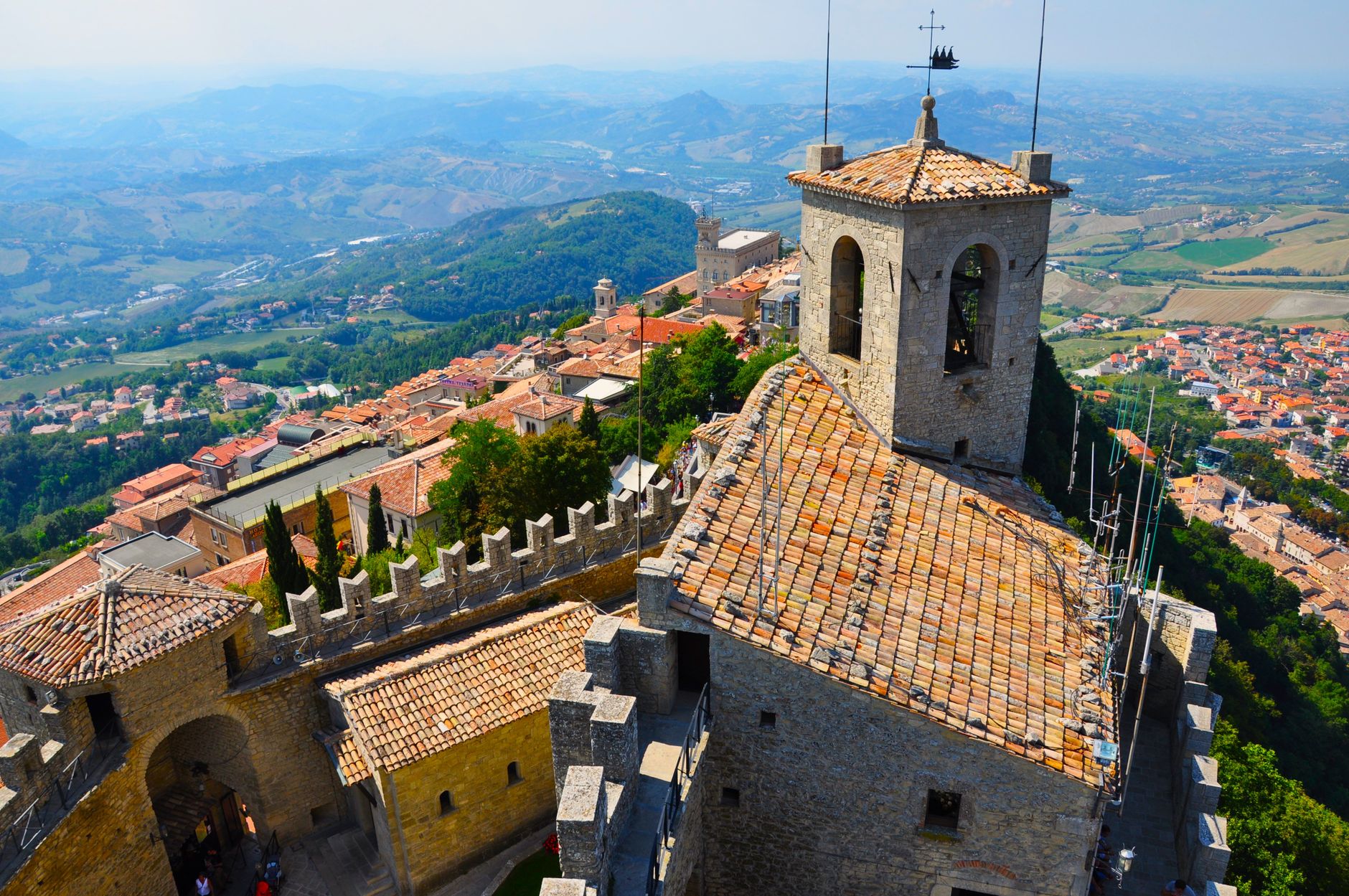
Forget the outdated headlines and travel advisories from a decade ago. Backed by the latest data from the Global Peace Index (GPI) and Numbeo’s Crime Index, we are shining a light on five former war zones that have undergone radical transformations. From the coffee-scented hills of Colombia to the pristine, high-tech streets of Rwanda, these once-forbidden destinations are now safer, cheaper, and infinitely more rewarding than overcrowded European tourist traps. Here is your definitive, data-backed guide to the world's greatest comeback stories. ---
I Stepped Off the Train and Smelled Gunpowder—Then, Sizzling Garlic
I stepped off the overnight train into the crisp morning air of Sarajevo, expecting to feel the heavy, somber weight of history. Instead, I was instantly hit by the rich, earthy aroma of freshly roasted Bosnian coffee (kafa) mingling with the savory, charcoal-grilled scent of ćevapi wafting from the old bazaar.
Yes, if you look closely at the pastel-colored Austro-Hungarian facades lining the Miljacka River, you can still see the "Sarajevo Roses"—scars in the concrete left by mortar shells, now filled with red resin. But look a fraction of an inch to the left, and you will see a bustling third-wave espresso bar, a group of laughing teenagers on electric scooters, and a city that has stubbornly, beautifully claimed its peace.
For decades, these destinations were synonymous with conflict, broadcasted onto our television screens in grainy, terrifying news segments. But times change, geopolitical landscapes shift, and according to recent data from the Institute for Economics and Peace, several former war-torn regions are now boasting safety indexes that rival—and sometimes surpass—major Western metropolises.
If you are tired of sanitized, over-tourism-plagued destinations and crave raw authenticity, historic depth, and unrivaled hospitality, it is time to rewrite your travel bucket list.
---
1. The New Era of Travel: Deciphering the Safety Data
Before we dive into the destinations, let’s address the elephant in the room: safety. How do we define "safe"?
We don't rely on gut feelings or promotional tourism boards. Instead, we look at the Global Peace Index (GPI), Numbeo’s Safety Index, and the World Economic Forum’s Travel & Tourism Development Index.
``` Global Peace Index (GPI) Trend: Lower scores indicate higher peace. Many post-conflict nations have seen their GPI scores drop by 20-30% over the last decade, marking them as stable, low-risk environments. ```
When a country transitions out of conflict, its government typically invests heavily in security infrastructure, tourism police, and community-based rehabilitation programs. The result? A window of time where crime rates are incredibly low, locals are genuinely thrilled to welcome travelers, and commercial tourism hasn't yet diluted the local culture.
---
2. Sarajevo, Bosnia and Herzegovina: From Siege to Soulful Sanctuary
In the 1990s, Sarajevo endured the longest siege in modern military history. Today, it is one of the safest, most culturally intoxicating capitals in Europe. Bosnia and Herzegovina now ranks comfortably on the GPI, boasting a lower violent crime rate than many major US cities.
The Architectural Contrast
Sarajevo is where the Ottoman Empire literally collides with the Austro-Hungarian Empire. Walk down the pedestrian street of Ferhadija: in one direction, you see red-tiled roofs, stone mosques, and bustling wooden bazaars reminiscent of Istanbul; turn 180 degrees, and you are surrounded by grand, neo-classical European apartments and Viennese-style bakeries.
The Local Vibe
The local philosophy is centered around ćejf—the art of slow living and enjoying the moment. You cannot rush a Bosnian coffee. It is served in a copper džezva on a round tray, accompanied by a cube of rahat lokum (Turkish delight).
- Pro-Tip: Skip the crowded cafes in the center of Baščaršija. Walk up the steep, cobblestone hills to Čajdžinica Dzirlo. Ask the eccentric, bearded owner, Husnija, for a cup of wild mountain salep. Arrive by 9:00 AM to secure one of the three outdoor wooden stools.
- The Hidden Entrance: To truly understand the city's resilience, visit the Sarajevo Tunnel of Hope. The entrance is tucked behind a seemingly ordinary, battle-scarred family house near the airport. This 800-meter hand-dug tunnel was the city’s only lifeline to the outside world during the blockade.
---
3. Medellín, Colombia: The Metamorphosis of the "Most Dangerous City"
In the late 1980s and early 1990s, Medellín was the undisputed murder capital of the world, held hostage by Pablo Escobar’s cartel. Fast forward to today, and "The City of Eternal Spring" is a global poster child for urban transformation and a magnet for digital nomads.
The Infrastructure Miracle
Medellín’s turnaround wasn't accidental; it was engineered through "social urbanism." The city built giant, outdoor escalators and cable car networks (Metrocable) to connect the isolated, impoverished hillside barrios with the thriving valley center, instantly democratizing transit and economic opportunity.
The Local Vibe
The local Paisas are fiercely proud of their city’s transformation. The neighborhood of Comuna 13, once a war zone ruled by militias, is now an open-air art gallery filled with vibrant murals, street dancers, and hip-hop collectives.
- Pro-Tip: To experience Comuna 13 without the crushing crowds of influencers, go at 7:30 AM. The outdoor escalators start running early, and you’ll watch the neighborhood wake up, smell the fresh arepas cooking on street-side griddles, and chat with locals before the tour buses arrive.
- Insider Knowledge: While Medellín is highly safe for tourists, always practice the local golden rule: No dar papaya (Don't give papaya). This means don't flash your iPhone 15 or expensive jewelry in public spaces. Use the ride-hailing app Cabify for secure, tracked transport at night.
---
4. Kigali, Rwanda: Africa’s Cleanest, Safest Miracle
The 1994 Rwandan Genocide remains one of the darkest chapters in human history. Yet, over the last three decades, Rwanda has staged an unbelievable recovery. According to the World Economic Forum, Rwanda is consistently ranked as the safest country in Africa and one of the safest globally, outperforming countries like the UK and France in safety perception.
The Immaculate Capital
Kigali does not feel like other bustling African capitals. There is no trash on the streets, traffic is orderly, and plastic bags are strictly banned. On the last Saturday of every month, the entire country participates in Umuganda—a mandatory community service day where citizens, including the President, clean streets, plant trees, and rebuild infrastructure.
The Culinary and Cultural Hub
Kigali has quietly developed a world-class culinary scene. Head to the vibrant, hilly neighborhood of Nyamirambo for local isombe (cassava leaves mashed with peanut sauce) or visit hipster cafes in Kimihurura serving award-winning single-origin Rwandan bourbon Arabica coffee.
- Pro-Tip: For an unforgettable, panoramic view of Kigali's thousand hills, skip the expensive hotel rooftops. Instead, head to the Mount Kigali viewpoint at sunset. The entry is a dirt path next to a horse riding school; pay the local gatekeeper 2,000 RWF (~$1.50 USD) for access to the pine forest edge.
- The Etiquette: Never bring single-use plastic bags into the country; they will be confiscated at customs. When riding on the ubiquitous moto-taxis (motorcycle taxis), always wear the helmet provided—drivers are strictly monitored by police, and safety standards are non-negotiable.
---
5. Erbil, Iraqi Kurdistan: The Ancient Citadel Safe Haven
When people hear "Iraq," they think of desert warfare and instability. But Iraqi Kurdistan is an autonomous region with its own borders, government, and military (the Peshmerga). It is incredibly secure, welcoming, and culturally distinct from central and southern Iraq. Erbil, its capital, is one of the oldest continuously inhabited cities in the world.
The Ancient Heart
The crown jewel of the city is the Erbil Citadel, a UNESCO World Heritage site perched on a massive, circular tell that rises abruptly above the modern city skyline. Inside, a labyrinth of yellow-brick alleyways, historic homes, and hammams whispers tales of Sumerian, Assyrian, and Ottoman history.
The Hospitality Culture
Kurds are legendary for their hospitality. Do not be surprised if shopkeepers refuse your money for tea, or if families invite you into their homes for a feast of dolma (stuffed grape leaves) and fresh flatbread.
- Pro-Tip: Spend your evening at the foot of the Citadel in the Qaysari Bazaar. Find Machko Chai House, built directly into the ancient stone foundations of the citadel. Order a glass of sweet black tea spiced with cardamom, sit on the outdoor wooden benches, and watch the locals play backgammon.
- Logistics Note: Most Western passport holders can get a hassle-free, 30-day visa on arrival at the Erbil International Airport (EBL). Do not try to cross the unofficial borders into federal Iraq without a separate federal visa, as security checkpoints are highly regulated.
---
6. Jaffna, Sri Lanka: The Untouched Tamil North
Sri Lanka’s brutal 26-year civil war ended in 2009. While the south of the island quickly recovered and became a tourism hotspot, the northern peninsula of Jaffna remained cut off and heavily militarized for years. Today, the military presence has drastically reduced, and Jaffna is open, safe, and entirely distinct from the rest of Sri Lanka.
The Tamil Heritage
Unlike the Buddhist, Sinhalese-dominated south, Jaffna is predominantly Hindu and Tamil. The landscape is dotted with towering, multi-colored kovils (temples) covered in intricate statues of deities, and the air smells of roasted cumin, mustard seeds, and coconut oil.
The Untouched Coastlines
Because tourism is still in its infancy here, the beaches are completely wild. You can walk for miles along the white sands of Casuarina Beach without seeing another tourist.
- Pro-Tip: Visit the magnificent Nallur Kandaswamy Kovil during the evening pujah (prayer ritual) at 5:00 PM. The energy is electric, filled with the drone of heavy brass horns and the thumping of traditional drums.
- The Dress Code: To enter the inner sanctum of Nallur Kandaswamy, men must remove their shirts and enter bare-chested, while women must have their shoulders and knees fully covered. Respect this sacred space.
---
The Budget & Logistics Blueprint
Traveling to these emerging regions is remarkably affordable because their economies are still scaling up their tourism infrastructure. Here is a quick-glance comparison to help you plan your logistics:
| Destination | Safety Index (Numbeo) | Est. Daily Budget (USD) | Best Time to Visit | How to Get There | | :--- | :--- | :--- | :--- | :--- | | Sarajevo, Bosnia | 62.4 (High Safety) | $45 - $60 | May to September | Fly to Sarajevo (SJJ) or take a scenic bus from Split or Dubrovnik. | | Medellín, Colombia | 54.2 (Moderate/Safe) | $40 - $55 | December to March | Fly to Jose Maria Cordova Airport (MDE); easy connections from Miami. | | Kigali, Rwanda | 74.8 (Very High Safety) | $70 - $110 | June to September | Fly direct to Kigali International (KGL) via Brussels Airlines or Qatar Airways. | | Erbil, Iraqi Kurdistan | 71.1 (High Safety) | $50 - $75 | October to April | Fly directly to Erbil (EBL) via major Middle Eastern hubs like Istanbul or Dubai. | | Jaffna, Sri Lanka | 68.3 (High Safety) | $30 - $45 | January to April | Take the scenic Yal Devi express train from Colombo directly to Jaffna. |
---
Rewriting the Narrative
The world is not static. The places that once broke our hearts in the news are now healing, growing, and waiting to share their stories with those brave enough to look past old headlines.
When you travel to these post-conflict regions, you aren't just visiting a destination; you are actively participating in their economic recovery. Your tourism dollars go directly to local guesthouse owners, street food vendors, and guides who have lived through the dark times and are proud to show you their bright future.
Pack your bags, respect the local customs, and go see the world as it is today—not as it was yesterday.
---
More pictures


Tags
Share this guide
We may earn a commission if you click a link and buy a product or service, at no extra cost to you. How affiliate links work.
Been there?