
Want to save the planet without quitting your day job? You don't need to commit to a three-month sabbatical to do real, impactful field work. We’ve scouted the globe for vetted, high-integrity conservation projects accepting short-term visitors right now—from 48-hour sea turtle nesting patrols in Costa Rica to day-long Caledonian pine forest rewilding in the Scottish Highlands. Here is your ultimate playbook for ethical, short-stay eco-action. ---
I Stepped Off the Skiff and Into the Mud: My Field Notes on Real Eco-Impact
The salt air in my nose carried the sharp, pungent scent of decaying mangrove bark and wet brackish mud. It was 3:45 AM along the Caribbean coast of Costa Rica, and the only light came from the dim red beam of my headlamp slicing through a wall of torrential tropical humidity. Beside me, a field biologist named Esteban gestured for absolute silence.
Five feet ahead, an 800-pound leatherback sea turtle was completing her ancient ritual, carving out a nest with her hind flippers. My task wasn't to snap selfies or coo from a distance. I was holding a digital caliper, measuring her carapace length while listening for the faint click of a PIT tag scanner. Two hours later, back in the rustic field station kitchen, drinking thick black coffee brewed over a gas ring, I realized something crucial: you don’t need months of free time or a degree in marine biology to make a tangible, scientific contribution to the planet.
For years, the travel industry pushed a flawed binary: either pay thousands for a sleek "eco-resort" that just reuses your towels, or commit to a grueling eight-week volunteer deployment. But a fresh wave of science-backed, field-tested initiatives has flipped the script.
Here is our definitive, vetted list of high-impact conservation projects accepting short-term visitors right now—ranging from single-day working passes to intensive one-week field rotations.
---
1. Pacuare Reserve: Leatherback Night Patrols in Costa Rica
Located on a isolated 800-hectare coastal strip reachable only by boat along the Tortuguero canals, Pacuare Reserve runs one of Central America’s most effective sea turtle protection efforts. Unlike commercialized hatcheries, this is a raw research site that accepts visitors for stays as brief as two nights.
``` +------------------------+-------------------------------------------------------+ | QUICK FACTS | PACUARE RESERVE FIELD DATA | +------------------------+-------------------------------------------------------+ | Location | Limón Province, Costa Rica | | Minimum Stay | 2 Nights / 3 Days | | Estimated Cost | ~$130 - $180/night (Includes meals, boat transfer, | | | and scientific project contribution) | | Best Time to Visit | March to July (Leatherbacks); July to October (Greens)| | How to Get There | Fly to San José, shuttle to Moin Dock, 1.5-hour boat | | | ride via canals directly to the station jetty. | +------------------------+-------------------------------------------------------+ ```
What You Actually Do
Visitors join local research staff on four-hour night patrols along six miles of unlit coast. You’ll assist in recording clutch sizes, measuring turtle shell dimensions, relocating vulnerable eggs to the protected on-site hatchery, and releasing newly hatched sea turtles into the surf at dusk.
Field Pro-Tip
Bring a red-light-only headlamp with at least 250 lumens; white light disorients nesting females and is strictly prohibited on the beach. Pack tall rubber boots for walking near the lagoon edge to protect against bullet ants.
---
2. Trees for Life: Caledonian Forest Rewilding in Scotland
The Scottish Highlands were once covered by the vast Caledonian Pinewood, but centuries of overgrazing and deforestation reduced it to just 1% of its original footprint. Trees for Life, operating out of the Dundreggan Rewilding Centre near Loch Ness, accepts day visitors and short-term residential volunteers dedicated to bringing back native woodland ecosystems.
``` +------------------------+-------------------------------------------------------+ | QUICK FACTS | DUNDREGGAN REWILDING FIELD DATA | +------------------------+-------------------------------------------------------+ | Location | Glenmoriston, Scottish Highlands | | Minimum Stay | 1 Day (Day Volunteering) to 7 Days (Residential) | | Estimated Cost | Free for Day Volunteers; ~$450/week for full boarding | | Best Time to Visit | May to October (Ideal planting and surveying weather) | | How to Get There | Train to Inverness, then Stagecoach Bus 17 directly | | | to the Dundreggan Centre gates. | +------------------------+-------------------------------------------------------+ ```
What You Actually Do
Short-term participants work directly inside the tree nursery, propagating rare native species like Scots pine, aspen, and dwarf birch. Day volunteers help clear invasive rhododendron thickets, build deer-exclusion fencing, and plant native saplings along steep glen corridors.
Field Pro-Tip
Invest in heavy-duty gaiters and waterproof leather boots; the peaty terrain swallows light trail runners instantly. Skip the midday tourist rush by scheduling your volunteer day pass for Tuesday or Wednesday mornings when staff-to-visitor ratios are tightest.
---
3. ARCHELON: Loggerhead Nest Protection in Kyparissia Bay, Greece
Kyparissia Bay in the Western Peloponnese holds the highest concentration of loggerhead (Caretta caretta) sea turtle nests in the Mediterranean. ARCHELON operates a flexible, field-based volunteer model where travelers can join morning survey runs and public awareness shifts for stays starting at just three to five days during peak summer months.
``` +------------------------+-------------------------------------------------------+ | QUICK FACTS | ARCHELON GREECE FIELD DATA | +------------------------+-------------------------------------------------------+ | Location | Peloponnese Coast, Greece | | Minimum Stay | 3 Days (Field Visitor Pass) or 2 Weeks (Full Volunteer)| | Estimated Cost | ~$30/day administrative contribution (campsite access)| | Best Time to Visit | June to September | | How to Get There | Bus from Athens to Kyparissia town, local taxi to | | | the ARCHELON field base camp at Kalo Nero. | +------------------------+-------------------------------------------------------+ ```
What You Actually Do
At 5:00 AM, you’ll march along golden dunes alongside lead researchers to spot fresh track crawls, locate egg chambers, place protective metal cages over vulnerable nests to ward off stray dogs, and map locations via handheld GPS units.
Field Pro-Tip
The beach sand gets blisteringly hot by 10:00 AM. Wear sturdy neoprene water shoes rather than standard flip-flops, and bring a refillable 2-liter insulated water flask—you will sweat profusely during dune tagging.
---
4. Sibuya Game Reserve: Rhinos & Ecosystem Management in South Africa
If you want a genuine bush experience without committing to a multi-month conservation internship, Sibuya’s specialized Volunteer Foundation on the Eastern Cape offers short 3-to-7-day placements embedded directly with reserve rangers and wildlife veterinarians.
``` +------------------------+-------------------------------------------------------+ | QUICK FACTS | SIBUYA CONSERVATION FIELD DATA | +------------------------+-------------------------------------------------------+ | Location | Eastern Cape, South Africa | | Minimum Stay | 4 Days / 3 Nights | | Estimated Cost | ~$220 - $310/night (Includes full board and activities)| | Best Time to Visit | Year-round; October to April yields warmer weather | | How to Get There | Fly to Gqeberha (Port Elizabeth), 80-minute road drive| | | to Kenton-on-Sea, followed by a boat ride upriver. | +------------------------+-------------------------------------------------------+ ```
What You Actually Do
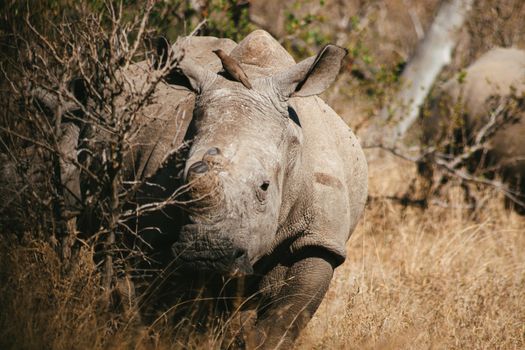
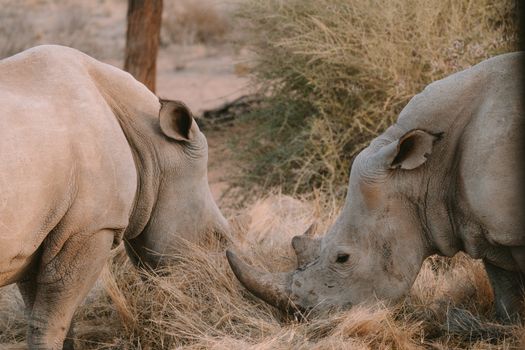
This is far from a passive game drive. Short-stay volunteers engage in alien vegetation eradication (specifically targeting invasive prickly pear), maintenance of anti-poaching camera traps, soil erosion control along riverbanks, and assisting with megafauna tracking (elephants, lions, and white rhinos) for demographic logging.
Field Pro-Tip
Leave your brightly colored gear at home. Neutral earth tones (olive drab, khaki, muted brown) are non-negotiable field attire. Bright colors signal danger to megafauna and pull down your team's tracking stealth.
---
5. Bornean Sun Bear Conservation Centre (BSBCC): Sabah, Borneo
Located right next to the famous Sepilok Orangutan Rehabilitation Centre in Sandakan, the BSBCC is dedicated to rescuing sun bears—the world's smallest bear species—from illegal pet trade conditions. While long-term stays are popular, the BSBCC offers a specialized "Conservation Experience Pass" designed for visits spanning 1 to 3 days.
``` +------------------------+-------------------------------------------------------+ | QUICK FACTS | BSBCC BORNEO FIELD DATA | +------------------------+-------------------------------------------------------+ | Location | Sepilok, Sandakan, Sabah, Malaysian Borneo | | Minimum Stay | 1 Day | | Estimated Cost | ~$15 entry entry/day pass + $100 for private workshop | | Best Time to Visit | March to October (Drier months in tropical Sabah) | | How to Get There | Fly to Sandakan Airport (SDK), 25-minute taxi drive | | | directly to Sepilok precinct. | +------------------------+-------------------------------------------------------+ ```
What You Actually Do
Short-term participants work alongside animal care keepers behind the scenes. Tasks include preparing specialized foraging enrichment items (hiding honey, termites, and fruits inside bamboo tubes and thick rattan balls) to stimulate the bears' wild instincts, repairing forest enclosure climbing structures, and observing bear behavior metrics from elevated forest walkways.
Field Pro-Tip
Book the "Inside Look" educational session through the main office two weeks in advance. It unlocks restricted keeper access areas behind Enclosure 2 that general day-ticket holders never get to see.
---
The Vetting Protocol: How to Avoid "Greenwashed" Voluntourism Traps
Not every short-term project deserves your time or money. The eco-tourism industry is littered with unethical operations that print glossy brochures while harming the precise animals they claim to save. Before you hit "Book," put any potential project through this field test:
``` +-----------------------------------+ | THE ETHICAL CONSERVATION CHECKLIST | +-----------------------------------+ | +-----------------------------+-----------------------------+ | | [DIRECT CONTACT] [ANIMAL FEEDING] Does the project allow direct interaction Does the project allow guests or selfies with wild predators/monkeys? to hand-feed wild animals? | | ( YES ) -----> [ 🚩 RED FLAG: REJECT ] ( YES ) -----> [ 🚩 RED FLAG: REJECT ] | | ( NO ) ( NO ) | | +-----------------------------+-----------------------------+ | [FINANCIAL TRANSPARENCY] Is there a clear breakdown of where volunteer fees go? | ( NO ) -----> [ 🚩 RED FLAG: REJECT ] | ( YES ) | [ ✅ ETHICAL APPROVED ] ```
Key Questions to Ask the Program Coordinator:
- "What is the research output of this program?" Legitimate projects publish peer-reviewed papers, collaborate with local universities, or provide data directly to government environmental departments.
- "Where does my financial contribution go?" A credible project will explicitly break down your fee (e.g., 40% lodging/food, 40% fuel/equipment, 20% local staff salaries).
- "What happens when visitors leave?" True conservation initiatives prioritize training local community members as permanent field directors, preventing total reliance on foreign tourist labor.
---
Ultimate Logistics & Packing Essentials for Short-Term Fieldwork
Field conservation requires functional utility over casual fashion. Pack light, pack durable, and focus on items that withstand severe weather.
``` +--------------------------+-----------------------------------------------------+ | CATEGORY | RECOMMENDED FIELD GEAR | +--------------------------+-----------------------------------------------------+ | Specialized Lighting | Red-light dimmable headlamp (e.g., Petzl Tactikka) | | Footwear | Quick-dry trail runners + lightweight gaiters | | Weather Protection | Gore-Tex Paclite jacket + dry-bag (10L-15L capacity)| | Hydration & Health | Insulated water canteen + hydration salt tablets | | Field Tools | Waterproof notebook (Rite in the Rain) + pencil | +--------------------------+-----------------------------------------------------+ ```
How to Maximize a Short-Term Conservation Stay
- Arrive Fit: Fieldwork involves long hours, uneven terrain, high humidity, and steep elevation gains. Build stamina two weeks before departure.
- Drop Expectations: Nature doesn't follow a tour itinerary. You might spend six hours on a night patrol and see zero turtles—that negative data is still valuable to researchers!
- Respect Local Staff: Local field guides possess generations of ecological knowledge. Listen carefully, ask practical questions, and step back to let them take the lead.
---
Final Thoughts: Small Stays, Massive Impact
You don't need a year off to change how you travel. By choosing verified conservation projects accepting short-term visitors right now, your next vacation can directly fuel genuine wildlife science, protect endangered habitats, and leave an impact that lasts long after your tan fades. Pack your boots, charge your headlamp, and get out into the field.
---
More pictures

Tags
Share this guide
We may earn a commission if you click a link and buy a product or service, at no extra cost to you. How affiliate links work.
Been there?