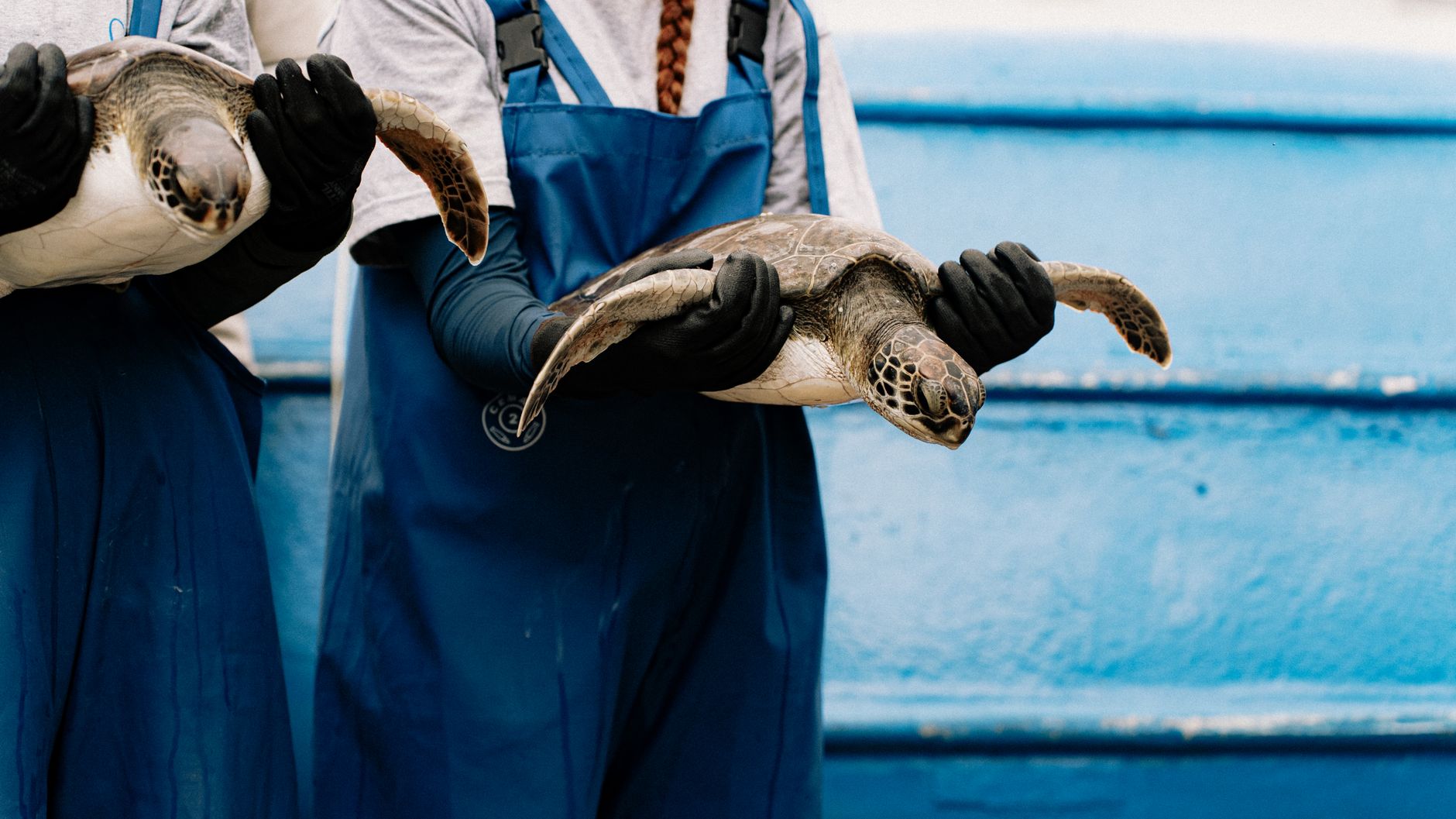
Forget the "savior complex" and the polished brochures. This spring, travel is shifting toward
The Hook: A Blister, a Shovel, and the Smell of Eucalyptus
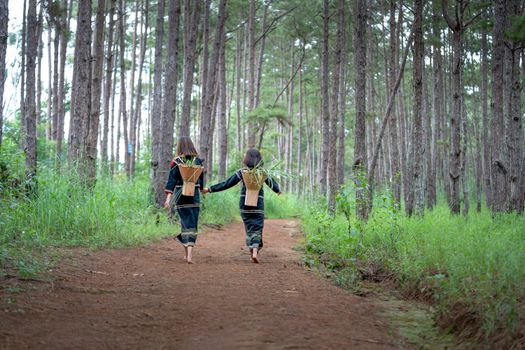
I remember the exact moment the "savior" myth shattered for me. It was 6:15 AM in the Sacred Valley of Peru. The air was sharp, smelling of damp earth and woodsmoke. I wasn't there to "fix" a school or hand out pens; I was there because the local Minga—a traditional communal work day—demanded extra hands for a reforestation project. My thumb was pulsing with a fresh blister, and my lungs were burning from the 11,000-foot altitude.
But as I stood shoulder-to-shoulder with Juana, a local Quechua leader who has forgotten more about soil biology than I’ll ever know, the dynamic shifted. I wasn't the "hero" of the story. I was the unpaid intern for a community-led powerhouse. That is the essence of ethical voluntourism: showing up with humility, following local leadership, and contributing to a plan that existed long before you arrived and will thrive long after you leave.
1. The Death of the "Savior Complex" and the Rise of Regenerative Travel
For years, "voluntourism" became a dirty word—and rightfully so. We saw "orphanage tourism" that fueled child trafficking and unskilled students building houses that locals had to tear down and rebuild properly later.
This spring, the trend has flipped. We are seeing a surge in Regenerative Travel. This isn't just about "leaving no trace"; it’s about leaving a place better than you found it. The projects trending right now are those where the community owns the land, the project, and the profit. You are simply the kinetic energy helping them reach their goals faster.
2. Rewilding the Highlands: Scotland’s Green Revolution
While everyone else heads to the Mediterranean this spring, the real action is in the Scottish Highlands. Following the surge in "nature-positive" travel, projects like Trees for Life are gaining massive traction.
- The Mission: Restoring the Caledonian Forest.
- The Vibe: Gritty, mist-soaked, and incredibly rewarding. You’ll be planting Scots pine and rowan trees in the rugged terrain of Glen Affric.
- Why it works: This isn't a "feel-good" weekend. It’s part of a 25-year scientific strategy to bring back the lynx and the red squirrel.
- Pro-Tip: Pack high-quality waterproof gaiters. The Scottish peat bogs are unforgiving, and "waterproof" boots are often just a suggestion.
3. Coral Gardening in the Maldives: Beyond the Overwater Bungalow
The Maldives is often seen as a playground for the 1%, but the local islands are leading a quiet revolution in marine conservation. This spring, as water temperatures fluctuate, coral bleaching is a major concern.
- The Mission: Working with Reefscapers or local island councils to maintain coral nurseries.
- The Insider Detail: You aren't just snorkeling. You’re using pliers to attach coral fragments to metal frames, cleaning algae off "spiders" (the structures), and documenting growth rates.
- The Impact: You are helping build a literal barrier against sea-level rise for the people who call these atolls home.
- Pro-Tip: Stay on a local island like Dhigurah rather than a private resort. Your tourism dollars go directly into the local economy, supporting schools and waste management.
4. Permaculture and Food Sovereignty in Peru’s Sacred Valley
Spring in the Andes (the end of the rainy season) is a riot of green. While the crowds choke the paths of Machu Picchu, the real work is happening in the terraced gardens of the surrounding valleys.
- The Mission: Assisting in "Chakra" (farm) restoration using ancestral Incan techniques combined with modern permaculture.
- The Authenticity Factor: You’ll be working with the Andean Alliance for Sustainable Development. They don't do "projects" for tourists; they facilitate farmer-to-farmer knowledge exchanges.
- The Work: Expect to move rocks, prep compost, and learn the intricate "Ayni" system of reciprocity.
- Pro-Tip: Visit the Pisac Sunday Market at 7 AM—before the tour buses arrive from Cusco—to see the actual bartering system still in place between high-altitude communities.
5. Urban Greening and Integration in Berlin
Not all voluntourism happens in a field. Berlin is currently the epicenter of urban social innovation. With the spring thaw, the city’s Prinzessinnengärten (urban gardens) and refugee integration hubs are buzzing.
- The Mission: Helping manage urban agriculture sites that provide fresh produce and vocational training for displaced populations.
- The Twist: This is "Micro-Volunteering." You can commit to a few days of work while still enjoying the city’s world-class techno scene at night.
- Why it’s Trending: Travelers are increasingly looking for ways to engage with the social fabric of the cities they visit, rather than just consuming them.
- Pro-Tip: The hidden entrance to the Neukölln community garden is behind the graffiti-covered blue door on Hermannstraße. It’s where the locals actually hang out.
6. The "Red Flag" Checklist: How to Vett Your Spring Trip
Before you book, run your project through this filter. If they can’t answer these questions, walk away.
- Who owns the project? If it’s not a local NGO or community leader, the impact is likely diluted.
- Does this take a job away from a local? If a local could be paid to do what you’re doing, you should be a donor, not a volunteer. You should provide "niche labor" or "surge labor."
- What happens when I leave? A sustainable project has a 5-to-10-year plan that doesn't depend on a constant stream of Westerners.
- Is there a background check? Any reputable organization working with children or vulnerable populations must require a criminal background check. No exceptions.
7. Logistics & Quick Facts
| Destination | Project Type | Est. Weekly Cost ($) | Best Time to Visit | Difficulty Level | | :--- | :--- | :--- | :--- | :--- | | Scotland | Reforestation | $400 - $700 | May - June | High (Physical) | | Maldives | Marine Conservation | $800 - $1,200 | March - April | Medium (Swimming) | | Peru | Permaculture | $300 - $600 | April - May | High (Altitude) | | Berlin | Urban Greening | $100 - $200 | May | Low (Social) |
How to get there:
- Scotland: Fly to Inverness; take the local bus to Dundreggan.
- Maldives: Fly to Malé; take the "MTCC" public ferry to Dhigurah (avoid the $300 speedboats to save cash).
- Peru: Fly to Cusco; take a colectivo (shared van) from Calle Pavitos to Urubamba for about $2.
The Final Word: Travel with Your Ears, Not Just Your Hands
The most successful volunteers I’ve met have one thing in common: they listen more than they talk. This spring, as you head out to make your mark on the world, remember that the "mark" isn't the point. The point is the connection, the shared sweat, and the realization that we are all stakeholders in this planet's future.
Go for the blisters. Stay for the perspective.
---
More pictures
Tags
Share this guide
We may earn a commission if you click a link and buy a product or service, at no extra cost to you. How affiliate links work.
Been there?