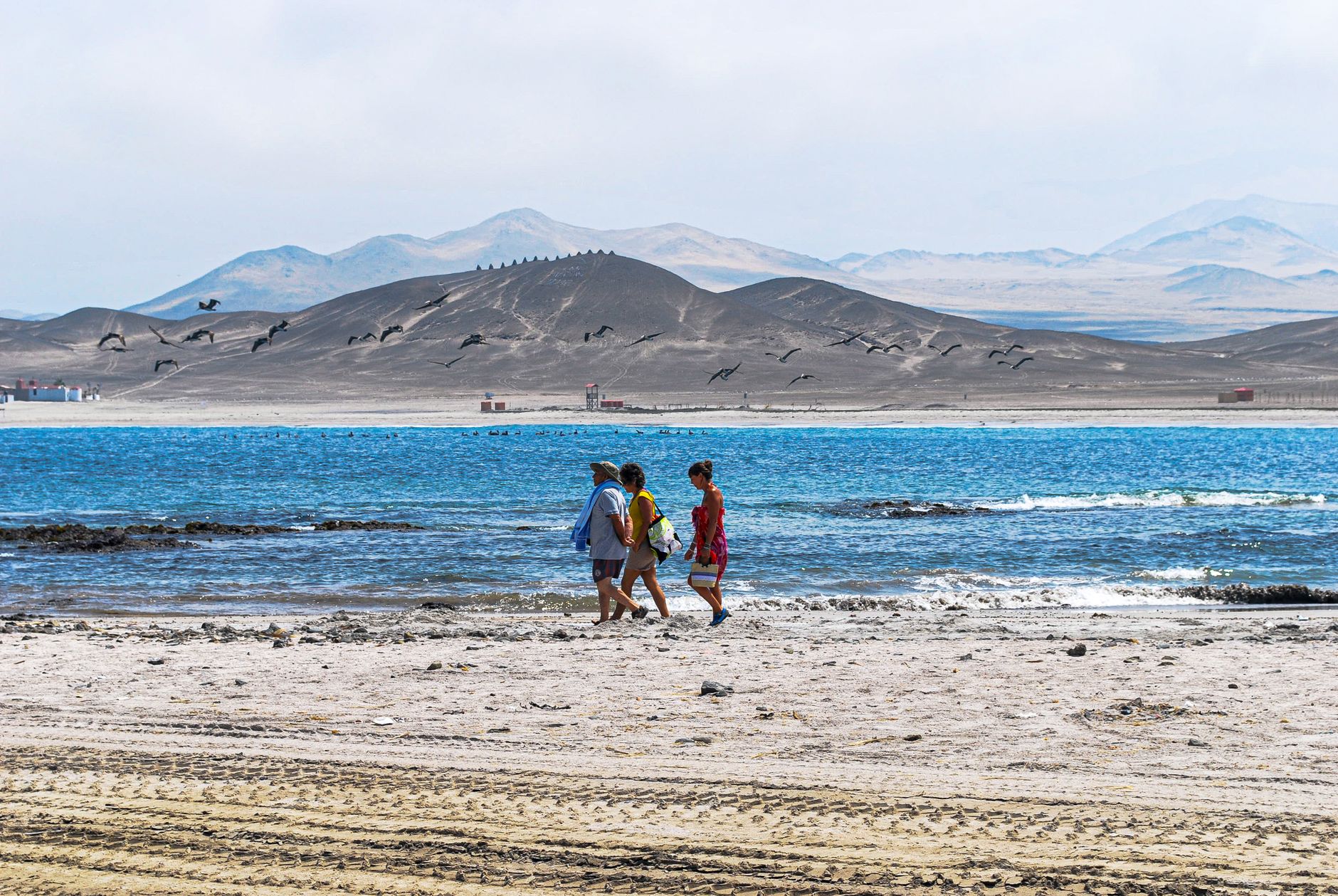
Nature didn’t just "heal"—it staged a hostile takeover. From blacktip reef sharks patrolling the turquoise shallows of Thailand to spectacled bears wandering the stone citadels of Peru, the world’s most famous "over-touristed" spots have undergone a radical biological reboot. This is your guide to seeing the world’s most resilient creatures in places we almost lost forever.
The Great Reset: When the Humans Left, the Wild Moved In
I stepped off the vaporetto at the San Marco stop in Venice, and for the first time in fifteen years, I didn't smell the sulfurous rot of churned-up canal silt. Instead, I smelled salt. Real, Adriatic brine. I leaned over the stone balustrade and saw something that felt like a glitch in the Matrix: a tiny, translucent seahorse clinging to a mooring pole.
For decades, we treated the world’s most beautiful places like theme parks. We trampled the moss, clouded the water, and pushed the original inhabitants into the shadows. But a strange thing happened during the global travel hiatus. The silence became an invitation. In the absence of selfie sticks and diesel engines, wildlife didn't just return; it reclaimed its throne.
Experts are now pointing to a handful of "former" hotspots that have transitioned from cautionary tales of overtourism to gold standards of rewilding. If you want to see what happens when nature wins, these are the five destinations you need to put on your radar—and how to visit them without ruining the progress.
---
1. Maya Bay, Thailand: The Shark Sanctuary
In 2018, Maya Bay was a catastrophe. Made famous by Leonardo DiCaprio’s The Beach, it was receiving 5,000 visitors a day. The coral was crushed, and the water was a soup of sunscreen and boat oil. The Thai government did the unthinkable: they shut it down entirely for nearly four years.
The Recovery: The result was a biological miracle. Within months of the closure, blacktip reef sharks—which hadn't been seen in the bay for decades—began using the shallow, protected waters as a nursery. Today, over 100 sharks call the bay home. The coral has been painstakingly replanted, and the ecosystem is breathing again.
Pro-Tip: You cannot swim in Maya Bay anymore—and that’s a good thing. To see the sharks, book a "Sunrise Maya" tour that arrives at the boardwalk at 7:00 AM. Walk to the viewing platform and look for the dark, triangular fins slicing through the crystal-clear shallows.
---
2. Venice, Italy: The Liquid Renaissance
We all saw the viral videos of "dolphins in the canals" (which turned out to be fake), but the real story is even better. With the ban on massive cruise ships and a reduction in motorized traffic, the sediment in Venice’s canals settled.
The Recovery: The water clarity allowed sunlight to reach the canal floors, triggering a bloom of seagrass. This, in turn, brought back the Hippocampus guttulatus (long-snouted seahorse) and the Grancevola (spider crab). The salt marshes of the northern lagoon are now teeming with flamingos—thousands of them—turning the horizon a shocking shade of pink against the Venetian skyline.
Pro-Tip: Skip the gondola ride in the crowded Rialto area. Instead, rent a traditional sanpierota (rowboat) in the Cannaregio district. Row toward the island of Sant’Erasmo at dusk to see the flamingos feeding in the shallows.
---
3. The Chernobyl Exclusion Zone, Ukraine: The Radioactive Eden
It sounds counterintuitive to call a nuclear disaster site a "hotspot," but before the current geopolitical tensions, Chernobyl was one of the fastest-growing dark tourism sites in the world. While human activity is strictly regulated, the wildlife has flourished in a way that defies logic.
The Recovery: Without the pressure of farming or urban sprawl, the Exclusion Zone has become Europe’s largest unofficial nature reserve. Przewalski’s horses—an endangered species of wild horse—were introduced in the 90s and have thrived. Wolves, lynx, and brown bears now roam the abandoned streets of Pripyat. It is a visceral reminder that nature doesn't need us; it just needs us to get out of the way.
Insider Language: The locals call the returning forest the "Red Forest" (due to the original radiation), but the new growth is a vibrant, aggressive green. Look for "The Liquidators' Graveyard"—not for the machinery, but for the elk that often graze among the rusted cranes.
---
4. Machu Picchu, Peru: The Ghost of the Andes
The Inca Trail was once a literal highway of hiking boots. The constant noise and movement kept the Andes' most elusive resident, the Tremarctos ornatus (Spectacled Bear), high in the cloud forest, far from human eyes.
The Recovery: During the periods of reduced capacity over the last three years, these "Paddington" bears have been spotted wandering right through the main citadel of Machu Picchu. With the implementation of strict new circuit rules and limited daily tickets, the bears feel bold enough to descend into the ruins to snack on the lush bromeliads growing on the ancient stone walls.
Pro-Tip: The hidden entrance to the best bear-watching spot isn't an entrance at all—it’s the "Upper Terrace" near the Guardhouse. Arrive at the first time slot (6:00 AM). While everyone else rushes to the Sun Gate, stay quiet and scan the terraces below the Huayna Picchu peak.
---
5. The Galápagos Islands, Ecuador: The Darwinian Reset
The Galápagos has always been a bastion of conservation, but the sheer volume of "expedition cruises" was taking a toll on the nesting sites of the Pink Land Iguana and the Galápagos Penguin.
The Recovery: The "rest" period allowed conservationists to remove invasive species with unprecedented efficiency. On Isabela Island, the population of giant tortoises has surged, and the rare Pink Land Iguana—found only on the slopes of Wolf Volcano—is showing its highest nesting success rate in decades. The animals, famously unafraid of humans, have become even more curious.
Quick Facts Table:
| Destination | Primary Wildlife | Best Time to Visit | Estimated Cost ($) | How to Get There | | :--- | :--- | :--- | :--- | :--- | | Maya Bay | Blacktip Reef Sharks | Nov - April | $50 - $100 | Longtail boat from Phi Phi Don | | Venice | Flamingos & Seahorses | May or September | $150/day | Train to Venezia Santa Lucia | | Machu Picchu | Spectacled Bears | April - October | $300 - $600 | Train from Cusco to Aguas Calientes | | Galápagos | Pink Land Iguanas | Dec - May | $3,000+ | Flight from Quito to Baltra | | Chernobyl | Przewalski’s Horses | Post-Conflict | TBD | Guided tour from Kyiv |
---
The Ethics of the "New" Travel
As an elite traveler, your goal isn't just to see these animals—it's to ensure they don't disappear again. We are entering the era of Regenerative Travel. This means:
- The 10-Foot Rule: If an animal changes its behavior because of your presence, you are too close.
- Silent Spectating: The sounds of nature are part of the ecosystem. Put your phone on silent and keep your voice to a whisper.
- Support the Guardians: Choose tour operators that employ former poachers or local biologists. In Maya Bay, ensure your boat operator follows the new docking regulations (no boats inside the bay).
Final Thoughts
I remember sitting on a mossy stone in the shadows of Machu Picchu, watching a mother bear and her cub navigate the agricultural terraces. There was no shouting, no whistling from guards, just the sound of the wind through the peaks. It felt like I was trespassing in their living room—and honestly, that’s exactly how travel should feel.
We are guests in these recovered spaces. Let's act like it.
More pictures
Tags
Share this guide
We may earn a commission if you click a link and buy a product or service, at no extra cost to you. How affiliate links work.
Been there?