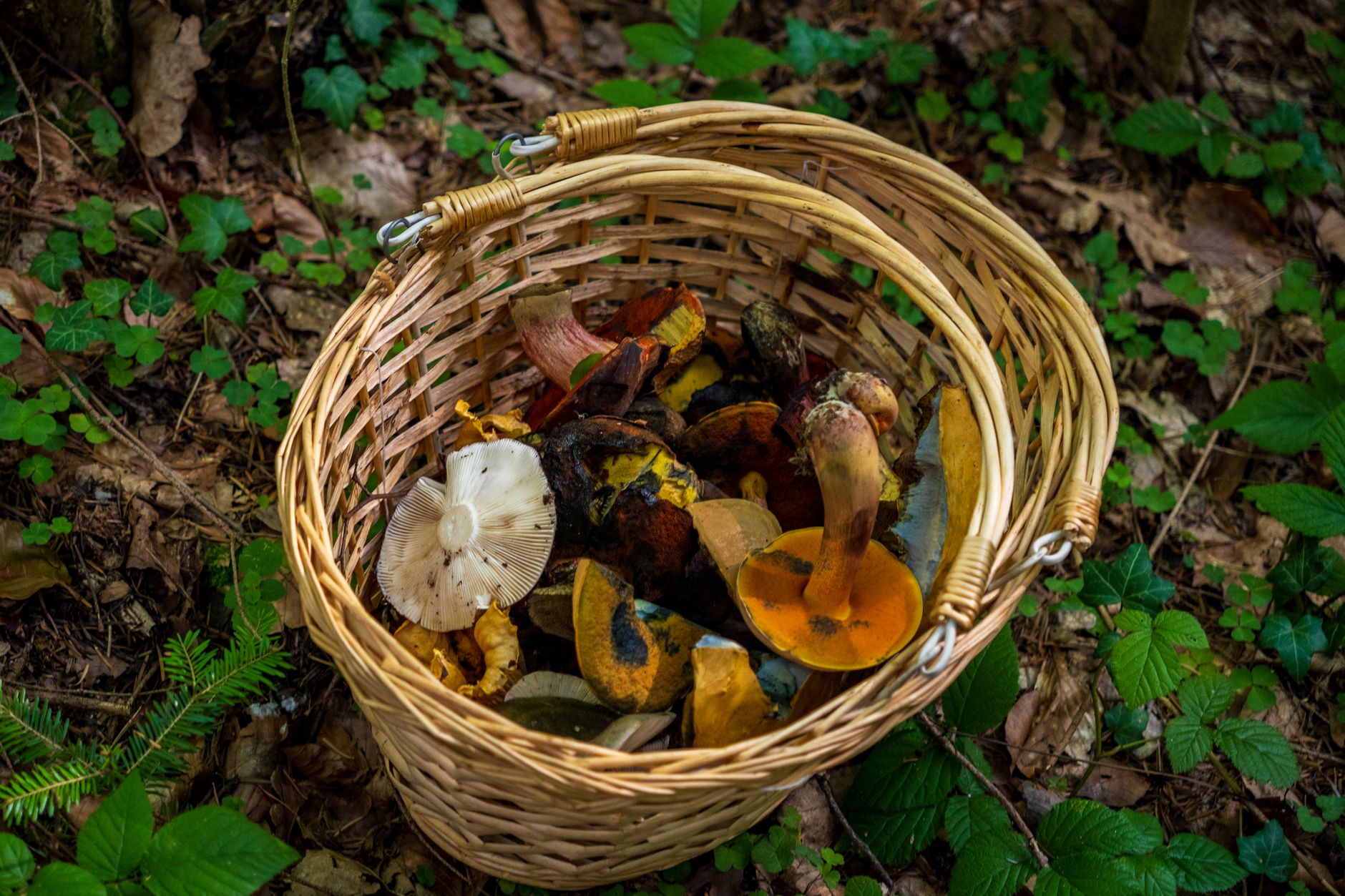
Forget farm-to-table; we’re going forest-to-fork. This guide breaks down the world’s most elite, authentic foraging tours led by the masters of the wild. Whether you’re hunting for "black diamonds" in Tuscany or harvesting kelp in the Hebrides, these are the experiences that redefine luxury travel through the lens of the earth. ---
I Stepped Into the Damp Silence of the Apennines...
The air in the Tuscan hills at 6:00 AM doesn't just smell like pine; it smells like history, damp limestone, and the musk of a very excited Lagotto Romagnolo named Pippo. I was following Giulio, a third-generation trifolau (truffle hunter), whose knees moved with a rhythmic crunch over the fallen chestnut leaves. He didn't use a GPS; he used "the memory of his grandfather’s ghost."
When Pippo began to franticly paw at the base of an ancient oak, the world narrowed down to the scent of ozone and garlic. Giulio knelt, brushed away the loam with a specialized spade, and handed me a knobby, mud-caked "black diamond." In that moment, I realized that the most profound travel experiences aren't found in five-star lobbies, but in the dirt under your fingernails.
If you’re tired of curated tourist traps and want to touch the raw pulse of a landscape, these are the foraging experiences with local experts worth considering right now.
---
1. The Truffle Masters of Alba and Umbria (Italy)
While many tourists settle for truffle-flavored oil (which is usually synthetic, by the way), the real deal is a high-stakes scavenger hunt. In the Piedmont and Umbria regions, foraging isn't a hobby; it’s a religion.
The Experience: You’ll join a local expert and their trained dogs. Unlike pigs, which tend to eat the prize, these dogs are precision instruments. You aren’t just looking for food; you’re learning about soil pH, the symbiotic relationship between fungi and tree roots, and the local politics of "secret patches."
Pro-Tip: Avoid the large "truffle festivals" for the actual hunt. Book a private session in the Valnerina valley in Umbria. The terrain is steeper, but the rewards are far more intimate.
- The Gear: Wear waterproof boots. The morning dew in the Italian brush is unforgiving.
2. Coastal Alchemy: Seaweed Foraging in the Scottish Hebrides
The Atlantic coast is a literal supermarket if you know which "aisle" to look in. Jilly, a local marine biologist and forager I met on the Isle of Skye, taught me that seaweed is the "truffle of the sea."
The Experience: You’ll time your trek with the spring tides. As the water recedes, a world of Pepper Dulse (which tastes exactly like spicy garlic), Sugar Kelp, and Sea Spaghetti is revealed. The expert guidance here is crucial—not just for identification, but for sustainability. You never pull the "holdfast" (the root); you "give the seaweed a haircut" so it regrows.
Pro-Tip: Look for the "Truffle of the Sea" (Osmundea pinnatifida). It grows on rocks in the intertidal zone and adds a deep, umami punch to any dish.
- The Secret Entrance: On Skye, head to the small cove just past the Fairy Pools parking lot—the tourists go for the water; the foragers go for the rocks.
3. The New Nordic Frontier: Wildcrafting in Zealand (Denmark)
Ever since Noma topped the world’s best restaurant lists, Denmark has become the mecca for wildcrafting. But you don't need a reservation at a Michelin-starred spot to taste the forest.
The Experience: Join an expert like Thomas Laursen, who supplies the world’s top chefs. You’ll explore the coastal meadows and deciduous forests of Zealand. This isn't just about mushrooms; it’s about wood sorrel, sea buckthorn (the "lemon of the north"), and even ants that taste like lemongrass.
Insider Language: Ask your guide about "Allemansrätten"—the traditional right to roam. While it’s a Swedish term, the ethos of shared landscape permeates the Nordic foraging scene.
4. Urban Jungle: Foraging the Concrete of London or NYC
You don't need a rural postcode to find wild food. Urban foraging is a masterclass in seeing the extraordinary in the ordinary.
The Experience: Walking through London’s Hackney Marshes or New York’s Central Park with an expert like "Wildman" Steve Brill or the foragers from Forage London. You’ll discover that the "weeds" in the sidewalk cracks are often nutrient-dense medicinal plants. From Pineapple Weed (which smells like a tropical vacation) to Elderflower and Linden blossoms, the city is a salad bowl.
Pro-Tip: Visit at 8 AM on a Sunday. The city is quiet, the air is (relatively) cleaner, and you can spot the lime blossoms before the street sweepers get to them.
5. High-Altitude Healing: Medicinal Herbs in the Swiss Alps
In the shadow of the Eiger, foraging takes on a medicinal tone. The Swiss have used "wild pharmacy" for centuries, and the local experts here are often part-botanist, part-historian.
The Experience: You’ll hike through alpine meadows to find Arnica, Gentian root, and Wild Thyme. The focus here is often on tinctures and teas rather than just dinner. The scent of wild thyme crushed under your boot at 2,000 meters is something your olfactory memory will never let go of.
Quick Fact: The Swiss government actually regulates the amount of certain herbs you can pick to protect the biodiversity of the slopes. Always check the "Blue Zone" maps provided by local councils.
---
Quick Facts: Logistics & Planning
| Experience | Best Time | Est. Cost (USD) | Difficulty | Location Hook | | :--- | :--- | :--- | :--- | :--- | | Truffle Hunting | Oct - Jan (White) | $250 - $500 | Moderate | Alba, Italy | | Seaweed Gathering | March - June | $100 - $180 | Slippery! | Isle of Skye, Scotland | | Nordic Foraging | Aug - Oct | $150 - $300 | Easy | Zealand, Denmark | | Urban Foraging | May - Sept | $50 - $100 | Easy | London/NYC | | Alpine Herbs | June - August | $200 - $400 | Strenuous | Valais, Switzerland |
---
The Ethics of the Wild: A Note from Your Guide
Before you head out with your wicker basket and your Opinel No. 08 folding knife, remember the forager’s golden rule: If you aren't 100% sure, don't eat it.
This is why local experts are non-negotiable. They don't just protect you from a nasty stomach ache (or worse, with certain hemlocks and mushrooms); they protect the land.
- The 1-in-20 Rule: Only take one plant for every twenty you see.
- Permission is Key: In many places, like the UK, it’s illegal to uproot a plant without the landowner's permission.
- Pollution Check: Never forage near busy roads or industrial runoff sites.
How to Get There
For the European experiences, the rail network is your best friend. Take the Eurostar to London for urban walks, then catch a train to Edinburgh and rent a hybrid for the Highlands. For Italy, fly into Florence and rent a small Fiat—you’ll need it for those narrow, winding Umbrian backroads that lead to the best forest trailheads.
---
Why Foraging is the Ultimate Travel "Flex"
In an era of AI-generated itineraries and over-filtered Instagram spots, foraging is the ultimate act of presence. It requires you to slow down, to smell the dirt, to understand the seasons, and to connect with a local who knows the land better than any algorithm ever could.
When you sit down at the end of the day to a plate of pasta tossed with the chanterelles you found, or a gin and tonic garnished with the sea buckthorn you plucked, the flavor isn't just "good." It’s visceral. It’s the taste of the earth, and it’s a story you’ll be telling long after your tan has faded.
More pictures

Tags
Share this guide
We may earn a commission if you click a link and buy a product or service, at no extra cost to you. How affiliate links work.
Been there?