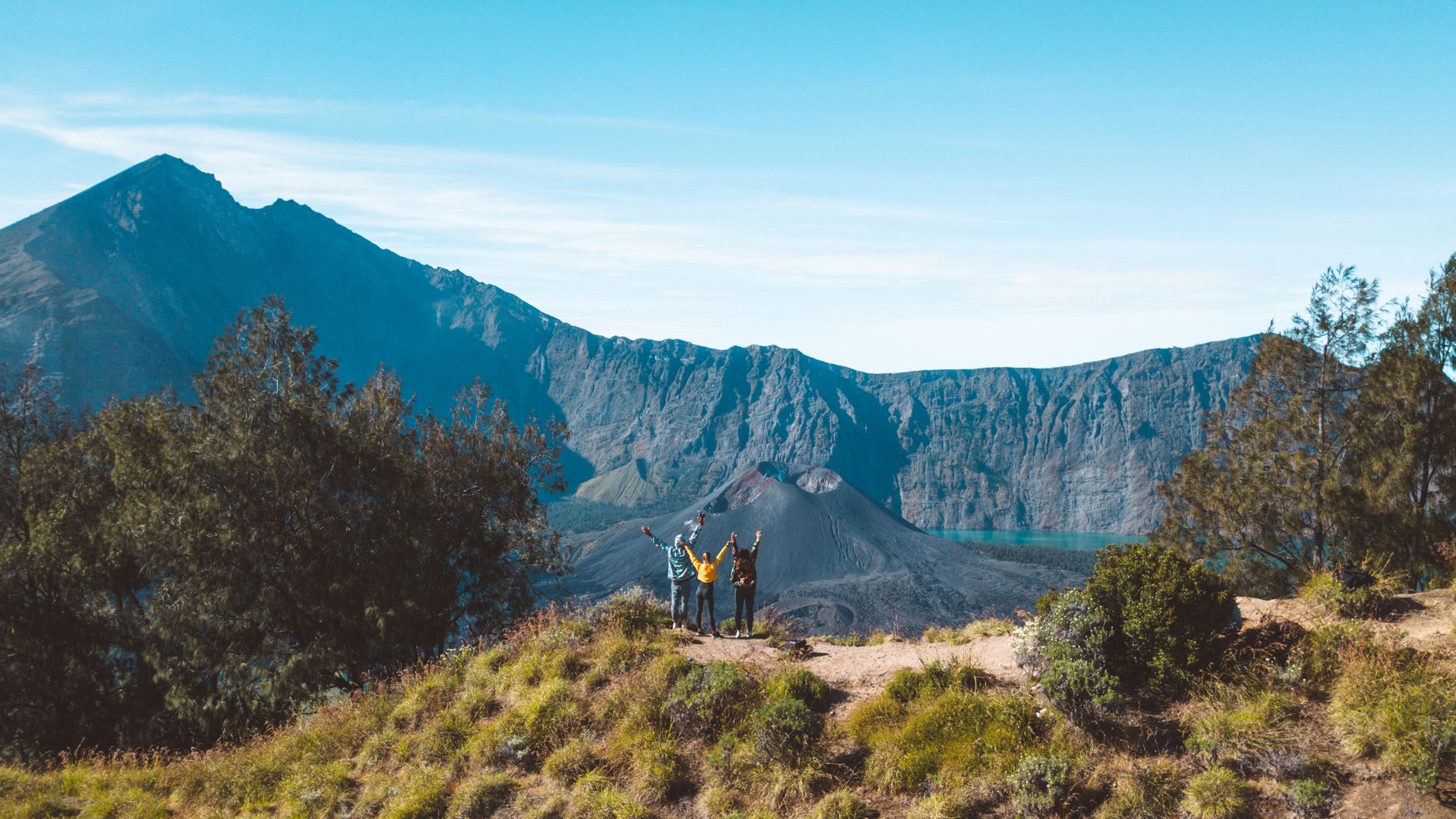
Ever dreamt of standing on the edge of a fiery abyss, feeling the raw power of our planet beneath your feet? Forget the fear – we're diving into the most incredible, *safe* volcano tours that will ignite your wanderlust without putting you in harm's way. Get ready to witness Earth's spectacular drama up close! ---
Fire, Fury, and Unforgettable Views: Your Guide to Safe Volcano Tours
I remember standing on the edge, the wind whipping my hair, a primal rumble vibrating through the soles of my boots. Below, a river of molten rock glowed an impossible orange, snaking its way across a freshly formed landscape. The air, thick with the scent of sulfur and minerals, felt alive. It was my first active volcano encounter, and let me tell you, the sheer, raw power of the Earth laid bare before me was something I'll never forget.
For years, the idea of getting "close" to a volcano felt like something out of an action movie – dangerous, reckless, and definitely not for the average traveler. I pictured Indiana Jones dodging fiery boulders, or scientists in full hazmat suits. But then I started researching, digging into the world of responsible, guided volcano tourism. What I discovered completely blew my mind (and didn't involve any near-death experiences, thankfully!).
Volcanoes aren't just destructive forces; they're creators, shaping our planet, forming new land, and fueling incredible ecosystems. And guess what? You can experience their majestic beauty and awe-inspiring power without risking life and limb. In fact, some of the most spectacular volcanic sites on Earth are incredibly accessible, well-monitored, and perfectly safe for adventurous travelers like you and me.
So, if you've ever secretly harbored a desire to witness Earth's fiery heart, to feel that ancient energy, and to capture photos that will make your Instagram followers gasp, then you've come to the right place. This isn't about thrill-seeking for thrill's sake; it's about experiencing one of nature's most profound spectacles responsibly. Let's dive into the world of volcano tours that won't kill you – but will absolutely blow your mind!
The Allure & The Myth-Busting: Why We're Drawn to the Fire
There’s something undeniably magnetic about volcanoes. Perhaps it’s the sheer scale of their power, the knowledge that beneath our feet, the planet is a living, breathing entity. Or maybe it’s the stark beauty of a landscape forged by fire, a testament to constant change and rebirth. Whatever it is, volcanoes captivate us.
But let's address the elephant in the room: safety. The word "volcano" often conjures images of Pompeii or recent devastating eruptions. And yes, volcanoes can be incredibly dangerous. However, the vast majority of active volcanoes around the world are meticulously monitored by geological observatories. Scientists track seismic activity, gas emissions, ground deformation, and thermal changes with incredible precision. This allows for early warning systems and, crucially for tourists, the establishment of safe viewing zones and exclusion areas.
Myth #1: All active volcanoes are constantly erupting violently. Reality: Many active volcanoes spend long periods in a state of quiet degassing or effusive (slow-moving lava) eruptions, which can be safely viewed from designated areas. Explosive eruptions are often preceded by detectable warning signs.
Myth #2: You have to be a hardcore mountaineer to see a volcano. Reality: While some require strenuous hikes, many offer accessible viewing platforms, short walks, or even drive-up access to incredible vistas.
Myth #3: It's just a pile of rocks. Reality: Volcanoes are dynamic landscapes, often surrounded by unique flora and fauna, geothermal features like hot springs and geysers, and rich cultural histories. It's a full sensory experience!
The key to a safe and unforgettable volcano tour lies in respecting the power of nature, following expert guidance, and never venturing into restricted areas. With that understanding, let's gear up!
Practical Prep for Your Volcanic Adventure: Be Ready for Anything
Before you even think about booking a flight, here's what you need to consider to make your volcano tour comfortable, safe, and truly epic:
- Guided Tours are Non-Negotiable: Seriously, don't try to go rogue. Professional guides are trained in volcano safety, understand local conditions, and have direct communication with monitoring stations. They know the safe routes, the evacuation procedures, and how to read the landscape. This is where your investment pays off.
- Layer Up (and Down!): Volcanic environments, especially at higher altitudes, can experience rapid weather changes. Pack layers – a moisture-wicking base, an insulating mid-layer (fleece), and a waterproof/windproof outer shell. Even if it's sunny at the base, it can be cold, wet, and windy at the summit.
- Sturdy Footwear is Key: Think hiking boots with good ankle support and grip. You'll likely be walking on uneven terrain, loose gravel, volcanic rock, or even slippery mud. Leave the fashionable sneakers at home.
- Protect Your Lungs and Eyes: If you're going to be near gas vents or ash, a simple bandana or face mask can help filter the air. Sunglasses are essential, not just for sun, but also for protecting your eyes from wind-blown ash or dust.
- Hydration & Snacks: Hiking, even moderate ones, requires energy. Carry plenty of water and some high-energy snacks.
- Sun Protection: Even on cloudy days, UV radiation is stronger at higher altitudes. Sunscreen, a wide-brimmed hat, and sunglasses are a must.
- Camera Gear Protection: Volcanic ash and dust are abrasive. Keep your camera in a dust-proof bag when not in use. A lens cloth and blower are handy. And yes, a tripod for those stunning low-light lava shots!
- Check Local Advisories: Always check the latest activity levels and safety warnings from official geological agencies before you go. Your tour operator will do this, but it's good practice to be informed yourself.
Top Picks: Safe & Spectacular Volcano Tours You CAN'T Miss
Now for the exciting part! Here are some of my absolute favorite volcano experiences that offer incredible views, genuine adventure, and robust safety protocols.
1. Iceland: The Land of Fire and Ice's Newest Spectacles (Fagradalsfjall/Geldingadalir)
Location: Reykjanes Peninsula, Iceland (near Reykjavik) Average Tour Price: $100-$200 for guided hikes, more for helicopter tours. Why it's epic: Iceland is a geological hotspot, and its recent eruptions on the Reykjanes Peninsula (like Fagradalsfjall and Geldingadalir) have been a game-changer for volcano tourism. These are generally effusive eruptions, meaning slow-moving lava flows rather than explosive blasts.
My Experience: I was lucky enough to visit during one of the recent eruption phases. The hike itself, though long (sometimes 2-3 hours each way over challenging, uneven terrain), was utterly exhilarating. As you approach, you start to see the orange glow in the distance, then the smell of sulfur hits you, a primal scent of the Earth. Finally, you crest a hill, and there it is: a river of liquid fire, slowly consuming the landscape. The crackling sounds, the heat radiating from the lava, the sheer scale of it – it's like watching the birth of a new world.
Safety: Icelandic authorities and rescue teams are incredibly well-organized. Designated viewing areas are established far enough from the active vents and lava flows to be safe, but close enough to offer breathtaking views. Access routes are clearly marked, and conditions are constantly monitored. Guides ensure you stay within safe zones and are prepared for weather changes.
Instagram-worthy moment: A wide-angle shot of the glowing lava field, with tiny human figures silhouetted against the fiery landscape, or a close-up of cooling lava making intricate patterns.
2. Hawaii Volcanoes National Park: Kīlauea's Fiery Heart
Location: Big Island, Hawaii, USA Average Cost: National Park entrance fee ($30 per private vehicle for 7 days). Guided tours extra. Why it's epic: Kīlauea is one of the world's most active volcanoes, but much of its activity occurs within the caldera of Halemaʻumaʻu, making it accessible and safe to view from designated overlooks within the national park.
My Experience: Driving through Hawaii Volcanoes National Park is like entering another dimension. The landscape shifts from lush rainforest to stark, black lava fields, some still steaming from eruptions decades ago. I remember walking the Devastation Trail, a paved path through a forest that was completely buried in ash from a 1959 eruption – a poignant reminder of nature's power. Seeing the glow from the Halemaʻumaʻu crater at night, a fiery eye staring up at the stars, was a truly spiritual experience. It felt ancient, powerful, and incredibly humbling.
Safety: The park service has extensive safety protocols. Viewing areas are well-maintained, clearly marked, and kept at a safe distance from active vents. Rangers provide up-to-date information on activity levels and safe viewing spots. You can drive to many overlooks, making it accessible for all fitness levels.
Instagram-worthy moment: The vibrant orange glow of Halemaʻumaʻu crater at night, reflected in the clouds, or a selfie with the steam vents billowing behind you.
3. Indonesia: Mount Bromo's Sunrise Spectacle
Location: East Java, Indonesia Average Tour Price: ~$50-$100 for a shared jeep tour, park entrance fee ~$20-30. Why it's epic: Mount Bromo isn't just a volcano; it's part of a massive caldera, Tengger, with several other volcanic cones. The sunrise view over this lunar-like landscape, with Bromo puffing smoke, is one of Southeast Asia's most iconic experiences.
My Experience: Waking up at 3 AM for the jeep ride up to the viewpoint was brutal, but the moment the sun began to paint the sky with fiery oranges and purples, revealing the vast caldera below, I forgot all about the lack of sleep. Mount Bromo, with its perfectly conical crater, stood majestically, gently exhaling plumes of smoke. After sunrise, we descended into the "Sea of Sand" – a vast, dusty plain – and hiked up to Bromo's crater rim. Standing there, peering into the steaming abyss, felt like touching the very breath of the Earth. The local Tenggerese people performing offerings at the crater added a beautiful cultural dimension.
Safety: Most tours involve a jeep ride to a designated viewpoint, followed by a relatively easy walk across the Sea of Sand and up stairs to the crater rim. Guides monitor conditions and ensure visitors stay on marked paths. The occasional small ash plume is common and generally harmless from the rim.
Instagram-worthy moment: The iconic sunrise shot over the caldera with Bromo in the foreground, or a selfie with the steaming crater behind you (but not too close!).
4. Italy: Stromboli & Etna – Europe's Fiery Giants
Location: Sicily (Etna) & Aeolian Islands (Stromboli), Italy Average Tour Price: Etna: Cable car + jeep + guide ~$100-150. Stromboli: Boat tour + guided hike ~$70-120. Why it's epic: Italy is home to two of Europe's most active and accessible volcanoes, offering distinct experiences. Stromboli is known for its near-constant, gentle "Strombolian" eruptions, while Etna is Europe's tallest and most active volcano, with a diverse range of landscapes.
My Experience (Stromboli): Hiking up Stromboli at dusk was magical. Our small group, led by an experienced guide, ascended through fragrant Mediterranean scrub. As darkness fell, we reached the viewing platforms, and then it happened: a rhythmic "thump-whoosh!" and a fountain of incandescent lava shot into the night sky, followed by glowing rocks tumbling down the "Sciara del Fuoco" (Stream of Fire). It was like watching a natural fireworks display, repeating every 10-20 minutes. Absolutely mesmerizing.
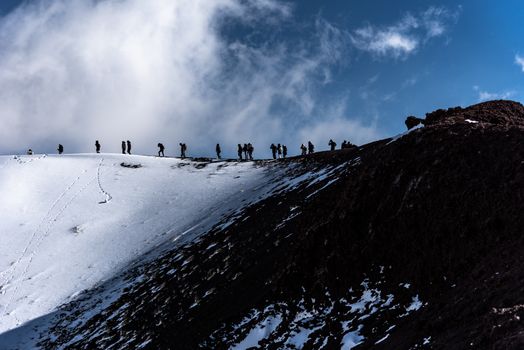
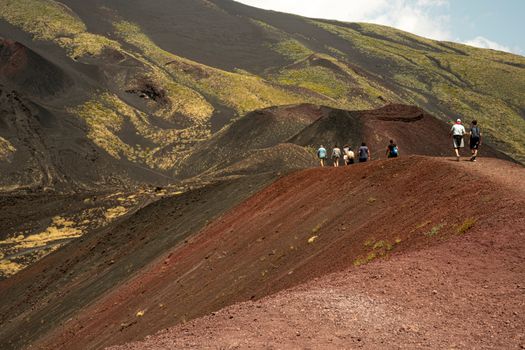
My Experience (Etna): Etna is a beast. We took a cable car up, then a 4x4 bus over a lunar landscape of old lava flows and craters. With a guide, we hiked to several inactive craters, feeling the warmth of the ground beneath our feet and seeing steam vents. The scale is immense, and the views across Sicily are breathtaking. While we didn't see active lava on the day, the sheer geological power was palpable.
Safety: Both volcanoes have strict regulations. Stromboli requires a licensed guide for summit hikes and has designated safe viewing areas. Etna offers various zones; the highest and most active areas are only accessible with expert guides and when conditions permit. Monitoring is intense, and access is restricted if activity levels are too high.
Instagram-worthy moment: Stromboli's fiery eruption against the night sky, or a panoramic shot of Etna's vast, desolate landscape with the Mediterranean in the distance.
5. Guatemala: Pacaya – Marshmallows Over Lava
Location: Near Antigua, Guatemala Average Tour Price: ~$20-30 for transport and guide, plus park entrance fee (~$7). Why it's epic: Pacaya offers a relatively easy, rewarding hike with the unique opportunity to roast marshmallows over volcanic heat.
My Experience: This was one of my first volcano hikes, and it was perfect for easing into it. The hike through lush forest and then across old lava flows was moderately challenging but totally doable. The best part? Reaching a spot where steam issued from cracks in the ground, and our guide pulled out a bag of marshmallows and sticks. Roasting them over the Earth's natural oven, with the active cone of Pacaya puffing away in the background, was such a fun, memorable, and slightly surreal experience. It’s a great way to feel connected to the volcano without getting too close to the main vent.
Safety: Pacaya is very popular and well-regulated. Guides know the safe routes, and you generally hike to a designated area on the flank of the volcano, not the active summit. Activity is closely monitored, and routes are adjusted if necessary.
Instagram-worthy moment: A perfectly toasted marshmallow on a stick, held over a steaming volcanic vent, with Pacaya in the background.
6. Vanuatu: Mount Yasur – The World's Most Accessible Active Volcano
Location: Tanna Island, Vanuatu Average Tour Price: ~$80-100 for a guided tour including transport and entrance fee. Why it's epic: Often dubbed "the world's most accessible active volcano," Mount Yasur offers regular, small-scale eruptions that can be viewed safely from its crater rim. It's a truly visceral experience.
My Experience: Getting to Tanna Island is an adventure in itself, but it's worth every bumpy ride. After a cultural welcome from local villagers, we drove almost to the rim. The walk to the viewing area was short, and then – boom! – the earth rumbled, and a shower of red-hot rocks and ash shot into the air from below. It was like standing at the edge of a giant, natural cannon. The sound, the vibrations, the smell – it was an assault on the senses, in the best possible way. The local guides are incredibly knowledgeable and ensure everyone stays within the designated safe zones, often marked by flags.
Safety: Mount Yasur has a well-established safety system, with activity levels indicated by a flag system (green for safe, red for dangerous, etc.). Guides are paramount here, leading groups to designated viewing areas on the rim that are considered safe based on current activity. You're close enough to feel the power, but positioned to avoid direct impact from projectiles.
Instagram-worthy moment: A dramatic photo of glowing volcanic bombs exploding above the crater at dusk, or a silhouette of yourself against the fiery glow.
Beyond the Crater: Geothermal Wonders & Hot Springs
Volcanoes aren't just about the main event at the summit. The entire volcanic landscape is often a playground of geothermal activity. Don't forget to explore these incredible features:
- Hot Springs & Geysers: Places like Iceland, New Zealand (Rotorua), and Japan (Beppu) offer stunning hot springs, mud pots, and geysers. Soaking in a mineral-rich hot spring after a volcanic hike is pure bliss.
- Fumaroles & Solfataras: These are vents that emit steam and gases. They can be incredibly colorful due to mineral deposits and offer a unique, otherworldly feel. Just remember to respect their power and follow safety guidelines regarding gas inhalation.
- Lava Tubes & Caves: Explore underground tunnels formed by ancient lava flows. These offer a fascinating glimpse into the volcano's past and create unique geological formations. Hawaii's Nāhuku (Thurston Lava Tube) is a great example.
These experiences round out your volcanic adventure, showing you the diverse ways Earth's internal heat expresses itself.
Capturing the Fire: Photography & Social Media Tips
You'll want to remember these moments forever, and share them with the world!
- Golden Hour is Magic Hour: Sunrise and sunset offer the most dramatic lighting for volcanic landscapes and lava flows. The colors of the sky combined with the fiery glow are unparalleled.
- Long Exposures for Lava: If you're viewing active lava at night, a tripod and long exposure settings (e.g., 5-30 seconds, depending on light) will capture the mesmerizing flow and glow.
- Protect Your Gear: Volcanic ash is fine and abrasive. Keep your camera in a sealed bag when not shooting. Use a lens hood to reduce flare and protect your lens.
- Wide-Angle Wonders: To capture the vastness of the landscapes and the scale of the craters, a wide-angle lens is your best friend.
- Don't Forget the Details: Zoom in on cooling lava textures, unique volcanic rocks, or the intricate patterns of steam vents.
- Safety First, Photo Second: Never compromise your safety or the safety of your group for a photo. Stay behind barriers, listen to your guide, and keep a respectful distance.
- Instagram Captions: Use powerful words! "Witnessing Earth's fiery breath," "Where new land is born," "Nature's ultimate fireworks display." Hashtags: #volcanotour #adventuretravel #bucketlist #earthpower #lavaviewing #[volcanoname] #tripsora
Igniting Your Wanderlust: The Call of the Volcano
My journey into volcano tourism has been one of the most rewarding chapters of my travel life. It's an experience that truly puts things into perspective, reminding you of the incredible forces that shape our world and the delicate balance of nature. It’s not just about seeing a volcano; it’s about feeling the pulse of the planet.
These aren't just trips; they're profound encounters with creation and destruction, beauty and raw power. They are experiences that will stay with you, etched into your memory, long after the sulfur smell has faded. And the best part? You can do it safely, responsibly, and with an incredible sense of awe.
So, what are you waiting for? Stop dreaming and start planning. Which of these fiery giants will be your next adventure? Have you already experienced a mind-blowing volcano tour? Share your stories and tips in the comments below! Let's inspire each other to explore the incredible, powerful heart of our Earth.
---
More pictures
Tags
Share this guide
We may earn a commission if you click a link and buy a product or service, at no extra cost to you. How affiliate links work.
Been there?