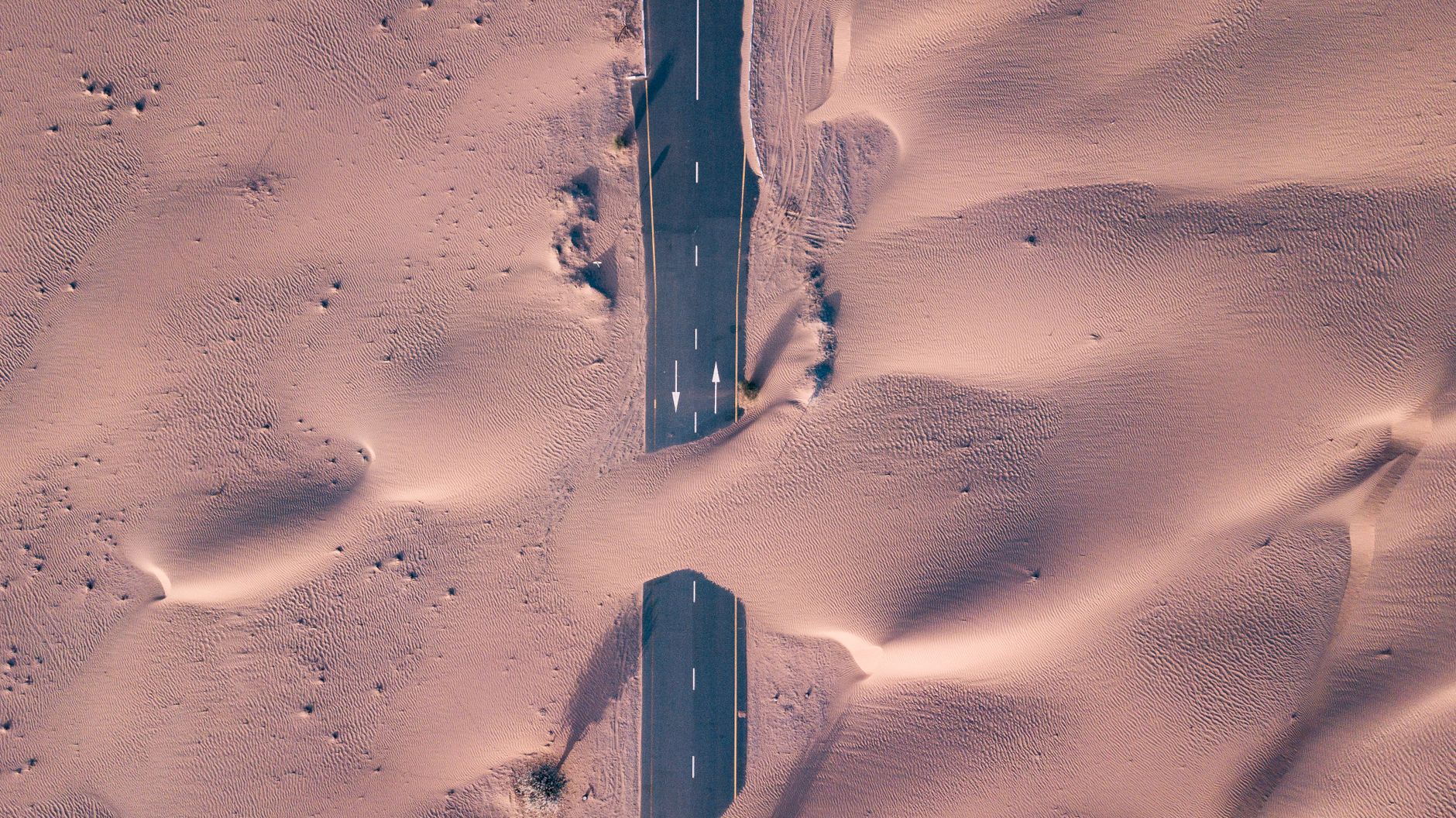
Ever scroll through your feed and wonder if a photo is too perfect to be true? We've all been there. But what if I told you some of the most unbelievable landscapes on Earth are not only real, but still off the beaten path? Get ready to discover the world's most surreal, jaw-dropping photo spots – and why you need to visit them now, before they become mainstream.
The first time I saw a photo of Caño Cristales, my finger hovered over the "report as fake" button. Seriously. A river with colors so vibrant, so utterly impossible, it looked like a scene ripped straight from a psychedelic dream. "No way," I muttered, convinced it was Photoshop wizardry. But a quick search (and a healthy dose of skepticism) revealed the truth: it was real. And in that moment, a new quest was born.
My mission? To find and experience these "fake but real" places for myself. To stand on ground that felt like another planet, to witness colors that defied logic, and to capture them through my lens before the rest of the world caught on. Because let's be honest, there's a special thrill in discovering a wonder before the endless queues and selfie sticks descend.
So, fellow adventurers and photography fanatics, pack your bags and charge your batteries. Here are my top picks for photo spots that look utterly fake but are gloriously, undeniably real – and waiting for you to explore them before they hit the mainstream.
1. Caño Cristales, Colombia: The Liquid Rainbow River
Imagine a river that erupts in a riot of red, yellow, green, blue, and black. That's Caño Cristales, often dubbed the "River of Five Colors" or the "Liquid Rainbow." For a few glorious months each year, a unique aquatic plant called Macarenia clavigera blooms under perfect conditions, turning the riverbed into a living, breathing kaleidoscope. My first glimpse wasn't from a photo, but from a small Cessna plane circling overhead. The vibrant streaks below were so intense, I genuinely thought someone had spilled paint across the landscape.
Why it looks fake: The sheer intensity and variety of colors are unlike anything you've ever seen in a natural river. It feels like an artist's palette brought to life, defying the muted tones we usually associate with water.
My personal take: Getting there is an adventure in itself. We flew into La Macarena, a small town that serves as the gateway, and then took a small boat and a short hike. The remoteness is part of its charm – you’re truly in a wild, untouched part of Colombia. Walking along the river, dipping your toes into the surprisingly warm water (swimming is allowed in designated areas!), and watching the colors shift with the light is a profoundly spiritual experience. It’s not just a photo op; it’s an immersion. The vibrant hues are most prominent from July to November, during the wet season when the water levels are just right.
Practical Tips & Details:
- Best Time to Visit: July to November is peak season for colors.
- Getting There: Fly from Bogotá or Medellín to La Macarena (approx. $200-300 USD round trip). You'll need to book a guided tour, as independent travel is restricted for safety and conservation.
- Cost: Expect to pay around $500-800 USD for a 3-4 day package including flights, accommodation, food, and guide.
- Photo Tips: A polarizing filter will help reduce glare and enhance colors. Use a wide-angle lens to capture the expansive beauty. Don't forget your underwater camera – the magic continues below the surface! Early morning or late afternoon light makes the colors pop even more.
2. Salar de Uyuni, Bolivia: Where the Sky Meets the Earth
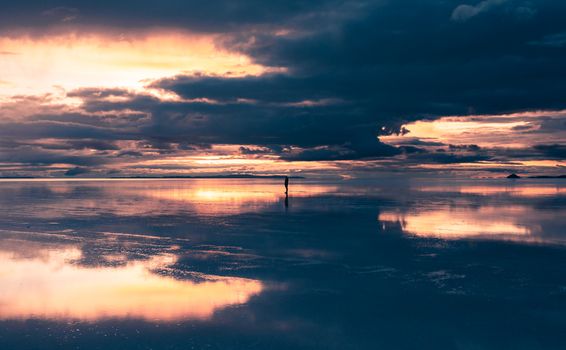
You've probably seen photos of people walking on clouds, or perfectly reflected landscapes where the horizon disappears. That's the Salar de Uyuni, the world's largest salt flat. While it's gaining traction, experiencing it during the rainy season (December to April) transforms it into an ethereal mirror that truly blurs the line between sky and ground. When we first drove onto the flooded flats, it was like entering a dream. The jeep seemed to float, and the clouds above were perfectly replicated below, creating an infinite expanse of blue. It was disorienting, exhilarating, and utterly unbelievable.
Why it looks fake: The mirror effect during the rainy season is so flawless it looks like a green screen or an optical illusion. The vast, flat expanse and the surreal perspective photos you can take (playing with forced perspective) make it seem like a digital creation.
My personal take: Our three-day tour was more than just a photo shoot; it was an epic journey through an alien landscape. From the train graveyard (a fascinating relic), to "Incahuasi Island" (a hill covered in giant cacti in the middle of the salt flat), to geysers and hot springs, every turn offered something new. But the absolute highlight was standing in the middle of the mirror, the sky above and below, feeling utterly insignificant yet completely connected to the vastness of the universe. The sunset and sunrise over the mirrored surface are moments etched forever in my memory. Just be prepared for basic accommodations and high altitude!
Practical Tips & Details:
- Best Time to Visit: December to April for the mirror effect (rainy season). May to November for dry, cracked salt patterns.
- Getting There: Most tours depart from Uyuni, Bolivia. You can fly or take an overnight bus from La Paz.
- Cost: A 3-day/2-night tour typically costs $150-250 USD, including transport, accommodation, and food.
- Photo Tips: Bring props for forced perspective shots (toy dinosaurs, empty bottles, etc.). A wide-angle lens is essential. Protect your gear from salt and dust. A tripod is great for reflections and low-light shots. Wear waterproof boots for the mirror effect!
3. Zhangye Danxia Landform, China: Nature's Painted Canvas
Imagine mountains painted with colossal strokes of vibrant red, orange, yellow, and green, rippling across the landscape like a giant, petrified rainbow. That's the Zhangye Danxia National Geological Park. When I first saw photos, I assumed it was a hyper-saturated painting, not a real place. But geological processes over millions of years, involving different colored sandstones and mineral deposits, have created this truly breathtaking spectacle. Standing on one of the viewing platforms, surrounded by these undulating waves of color, felt like being inside a colossal artwork.
Why it looks fake: The intense, distinct layers of color on the mountains are so vivid and perfectly defined, they resemble an exaggerated painting or a digital texture rather than a natural geological formation.
My personal take: We arrived in Zhangye by high-speed train, making the journey surprisingly comfortable. The park itself is well-organized with multiple viewing platforms, each offering a unique perspective on the "rainbow mountains." My favorite was the fourth platform, which provides the most expansive panoramic views. We spent hours there, watching the light shift and change the intensity of the colors. Sunset was particularly magical, as the low sun cast long shadows and deepened the reds and oranges, making the mountains glow from within. It’s a photographer’s paradise, but also a place for quiet contemplation of Earth’s incredible artistry.
Practical Tips & Details:
- Best Time to Visit: June to September offers the most vibrant colors, especially after rain. Late afternoon/sunset is ideal for photography.
- Getting There: Fly or take a high-speed train to Zhangye. From Zhangye, local buses or taxis can take you to the park (approx. 40-60 minutes).
- Cost: Entry fee is around 70-80 CNY (approx. $10-12 USD), plus a shuttle bus fee within the park.
- Photo Tips: A polarizing filter helps cut haze and boost color saturation. A telephoto lens can isolate interesting patterns, while a wide-angle captures the grandeur. Experiment with different platforms for varied perspectives.
4. Hitachi Seaside Park, Japan: A Seasonal Dreamscape
While Japan is famous for its cherry blossoms, Hitachi Seaside Park offers a lesser-known, equally surreal floral spectacle that changes dramatically with the seasons. Depending on when you visit, you might find rolling hills entirely covered in vibrant blue Nemophila flowers (baby blue eyes) in spring, or fiery red Kochia bushes in autumn. My visit during Nemophila season felt like walking through a boundless sky that had somehow descended to Earth. The uniform, intense blue stretching to the horizon was so perfect, it was hard to believe it wasn't a meticulously crafted set.
Why it looks fake: The sheer density and uniformity of the seasonal blooms create vast, monochromatic landscapes that look like a computer-generated rendering or a hyper-real painting, rather than natural fields.
My personal take: Escaping the bustle of Tokyo for a day trip to Hitachi Seaside Park was a breath of fresh air, literally. We took the train, and the journey itself was part of the charm. Upon entering the park, the scale of the flower fields was truly overwhelming. It’s not just one field; it’s acres and acres of these incredible blooms. We spent hours wandering the pathways, getting lost in the sea of blue (or red, depending on the season). Beyond the flower fields, the park also has a Ferris wheel, cycling paths, and other attractions, making it a perfect day out. It's a place where nature's artistry is on full, glorious display, inviting you to capture its fleeting beauty.
Practical Tips & Details:
- Best Time to Visit: Mid-April to early May for Nemophila (blue flowers); Mid-October for Kochia (red bushes). Check the park's bloom calendar before you go.
- Getting There: Take the JR Joban Line from Ueno Station (Tokyo) to Katsuta Station (approx. 80 minutes). From Katsuta, a local bus takes you directly to the park (approx. 15 minutes).
- Cost: Entry fee is typically 450 JPY (approx. $3-4 USD).
- Photo Tips: Go early to avoid crowds. Use a low angle to make the flowers appear endless. A wide-angle lens is perfect for sweeping landscapes. Look for interesting foreground elements like benches or solitary trees to add depth.
5. Darvaza Gas Crater, Turkmenistan: The Fiery Gateway
Imagine a massive crater in the middle of a barren desert, perpetually ablaze with an eerie, orange glow, like a portal to another dimension. That's the Darvaza Gas Crater, famously known as the "Door to Hell." This isn't a natural phenomenon; it's a Soviet-era drilling accident from the 1970s that tapped into a natural gas cavern. Geologists set it on fire to prevent the spread of methane, expecting it to burn out in a few weeks. It's been burning ever since. Driving up to it in the pitch black of the Turkmen desert, the glow on the horizon slowly growing, was one of the most surreal experiences of my life.
Why it looks fake: A giant, perpetually burning crater in the middle of nowhere looks like something out of a sci-fi movie or a post-apocalyptic video game. The consistent, unnatural flame and the desolate surroundings create a scene that defies belief.
My personal take: Turkmenistan isn't on everyone's radar, and that's precisely why it offers such unique adventures. We arranged a tour from Ashgabat that included an overnight stay, camping near the crater. As darkness fell, the crater transformed. The flames danced and roared, casting flickering shadows across the desert. Standing at the edge, feeling the heat on my face and hearing the hiss of the gas, was both terrifying and utterly mesmerizing. It’s a truly raw, untamed spectacle, and one that feels like a privilege to witness before it potentially becomes a more developed tourist site (or, perhaps, finally burns out).
Practical Tips & Details:
- Best Time to Visit: Any time of year, but the spectacle is best at night.
- Getting There: Turkmenistan requires a visa (often needing an invitation letter from a tour operator). Most tours depart from Ashgabat and are multi-day trips to the crater and surrounding desert.
- Cost: Expect to pay $300-600 USD for a 1-2 day tour from Ashgabat, including transport, guide, food, and camping gear.
- Photo Tips: A sturdy tripod is essential for long exposure shots at night. A wide-angle lens will capture the scale of the crater and the starry sky above. Don't forget extra batteries – the cold desert nights can drain them quickly. Be mindful of the heat and gas.
6. Deadvlei, Namibia: The Ghostly Oasis
Imagine a stark white clay pan, punctuated by the skeletal remains of ancient camel thorn trees, silhouetted against towering, rust-red dunes that glow under the African sun. This is Deadvlei, part of the Namib-Naukluft National Park in Namibia. These trees, dead for over 900 years, never decomposed due to the arid climate. The landscape is so strikingly beautiful and otherworldly, it feels like a painting or a scene from a sci-fi film set on Mars. Our early morning drive into Sossusvlei and the subsequent walk into Deadvlei was a silent, reverent experience.
Why it looks fake: The stark contrast between the black, petrified trees, the white clay pan, and the vibrant orange-red dunes against an impossibly blue sky creates a surreal, almost artificial color palette and composition. It looks like a minimalist painting.
My personal take: To truly appreciate Deadvlei, you need to be there at sunrise. We started our day well before dawn, driving into the park and then taking a 4x4 shuttle to the base of Big Daddy dune. The walk into Deadvlei itself is short but impactful. As the sun crept over the horizon, the dunes began to glow, and the shadows of the dead trees stretched long and dramatic across the white pan. It's a place that forces you to slow down, to observe, and to feel the immense power of nature and time. The silence, broken only by the wind, was profound. It’s a landscape that challenges your perception of what's real and what's artistic rendering.
Practical Tips & Details:
- Best Time to Visit: Early morning (sunrise) or late afternoon (sunset) for the best light and cooler temperatures.
- Getting There: Fly into Windhoek (Namibia) and rent a 4x4 vehicle, or join a multi-day tour from Windhoek. The drive to Sossusvlei is long but scenic. You'll need a 4x4 to access the last few kilometers into Deadvlei.
- Cost: Park entry fee is around 150 NAD (approx. $10 USD) per person, plus 50 NAD per vehicle. Tours vary widely, from $500 to $1500+ USD for multi-day safaris.
- Photo Tips: A wide-angle lens is crucial for capturing the scale. Focus on compositions using the trees as silhouettes against the dunes and sky. The light changes rapidly, so be ready to shoot! Bring plenty of water and sun protection.
Your Quest for the Unbelievable: Practical Tips for Hunting Surreal Spots
Embarking on a journey to these "fake but real" destinations requires a bit more planning and a lot more adventurous spirit than your typical resort vacation. Here's how to make your surreal photography dreams a reality:
- Do Your Homework (and Then Some): These aren't always easy-to-reach places. Research local guides, permits, seasonal access, and safety considerations thoroughly. Websites like Tripsora are a great starting point, but always cross-reference with official tourism boards and recent traveler reviews.
- Timing is Everything: Many of these spots are highly seasonal or require specific times of day for their magic to unfold. Caño Cristales needs rain; Salar de Uyuni needs rain for the mirror effect; Deadvlei and Zhangye Danxia are best at sunrise/sunset. Plan your trip meticulously around these windows.
- Gear Up Smart:
- Wide-angle lens: Essential for capturing vast landscapes.
- Polarizing filter: Crucial for enhancing colors and reducing glare (especially for water or colorful rock formations).
- Tripod: For long exposures, reflections, and sharp shots in low light.
- Drone: (Where permitted!) Can offer unparalleled, truly "fake-looking" perspectives. Always check local drone laws.
- Protection: Dust covers, waterproof bags, and spare batteries are non-negotiable for remote or extreme environments.
- Embrace the Adventure: These places are often remote, with basic facilities and challenging travel. Expect long drives, early mornings, and sometimes rough conditions. It's all part of the experience!
- Respect the Environment and Locals: These are fragile ecosystems and often home to unique cultures. Follow all rules, leave no trace, and support local businesses and communities responsibly.
- Go with a Local Guide: For many of these locations (especially Caño Cristales and Darvaza Gas Crater), a local guide isn't just recommended, it's mandatory or highly advisable for safety, logistics, and cultural insights. They often know the best spots and times for photos too!
The Clock is Ticking: Why Now is the Time
The beauty of these places lies partly in their relative obscurity. While some, like Salar de Uyuni, are gaining popularity, they haven't yet reached the mass tourism saturation of, say, the Eiffel Tower or Machu Picchu. There's still a chance to experience them with a sense of wonder and solitude.
But the internet is a powerful thing. As more incredible photos surface, these once-hidden gems inevitably become mainstream. The window for experiencing them in their raw, untamed glory is shrinking. So, if you've been dreaming of a landscape that defies reality, now is the time to turn that dream into a plane ticket.
Ready to capture your own "fake but real" masterpiece? Which of these incredible destinations is calling your name first? Share your thoughts in the comments below, and don't forget to tag #TripsoraUnreal when you finally make it there! Happy travels, and may your photos be as mind-bending as the places themselves!
More pictures
Tags
Share this guide
We may earn a commission if you click a link and buy a product or service, at no extra cost to you. How affiliate links work.
Been there?