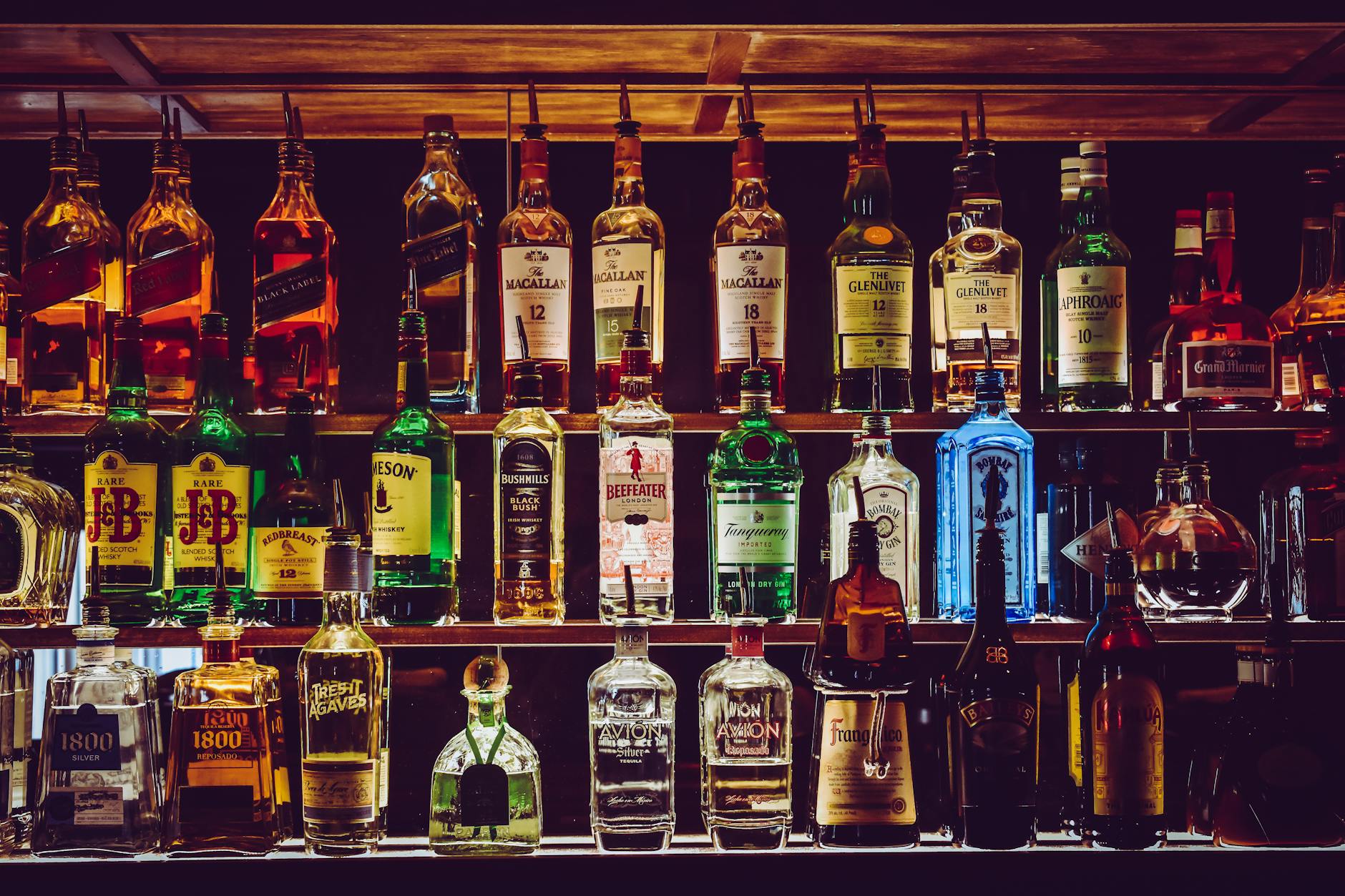
Your Instagram feed is full of picture-perfect cocktails, but what about the drinks too controversial for the 'gram back home? Dive into the fascinating world of beverages banned in your home country, exploring their rich histories, cultural significance, and where you can legally – and safely – experience them on your travels. Prepare to uncover the sips influencers don't want you to know! ---
The soft glow of my phone screen illuminated the vibrant blue of a cocktail I was scrolling past – another influencer, another perfectly curated moment. "Living my best life in Bali!" the caption chirped, a picture of pure, unadulterated bliss. I smiled, then sighed. Because while their feeds are awash with sunshine and perfectly legal concoctions, my mind drifted to the drinks they'd never dare post about – the ones that are, for various reasons, completely off-limits back home.
My own travel journey has been a kaleidoscope of flavors, some delightful, some… well, let's just say 'memorable.' But nothing quite prepared me for the first time I knowingly encountered a drink that was, at one point, illegal in my home country. It wasn't a clandestine operation in a smoky back alley; it was in a charming, slightly dusty bar in Prague, where a wizened bartender with a twinkle in his eye performed a mesmerizing ritual with a slotted spoon, a sugar cube, and a bottle of bright green liquid. Absinthe. The infamous "Green Fairy." My heart gave a little flutter of illicit excitement.
That moment sparked a fascination: what other drinks, steeped in history or controversy, are perfectly legal and culturally significant elsewhere, yet banned or heavily restricted in places like the US or Canada? And why? This isn't just about breaking rules; it's about understanding culture, history, and the sometimes-arbitrary lines we draw around what we consume. So, put down that mainstream mimosa for a moment. We're about to embark on a journey into the shadows of the drinks world, exploring the sips that make for incredible travel stories – but definitely not for your everyday Instagram reel at home.
The Green Fairy's Awakening: Absinthe – More Than Just a Myth
Let's start with my Czech Republic revelation. For decades, Absinthe was the boogeyman of the liquor cabinet, blamed for everything from madness to murder, largely thanks to sensationalized media and temperance movements of the late 19th and early 20th centuries. Its signature ingredient, wormwood, contains thujone, a compound believed to be psychoactive, leading to hallucinations and delirium – hence the "Green Fairy" moniker.
The Ban: Many countries, including the United States, banned Absinthe outright in the early 1900s. The US ban, for example, lasted from 1912 until 2007, when regulations were revised to allow Absinthe with a thujone content below 10mg/liter, effectively making it legal again, albeit in a diluted form compared to its historical potency.
Where to Experience It Legally & Authentically: My first encounter in Prague was pure magic. The city, along with Paris, Switzerland (its birthplace), and parts of Spain, are prime locations to explore the world of Absinthe. In Prague, you'll find dedicated Absintheries like the Absintherie Bar & Shop (Tyn 1, Prague 1) where knowledgeable staff guide you through the traditional preparation: slow-dripping iced water over a sugar cube on a slotted spoon, diluting the spirit into a cloudy, opalescent elixir. The aroma is complex – anise, fennel, and a hint of something earthy and mysterious. The taste? A potent, herbaceous kick followed by a lingering sweetness. No hallucinations, just a deep appreciation for a drink with a truly captivating past.
Tripsora Tip: Always opt for a reputable bar or distillery. Look for brands that clearly state their thujone content if you're curious about the nuances, but remember, the "madness" was largely a myth. Enjoy the ritual, the history, and the unique flavor profile. Don't try to bring high-thujone varieties back home if your country restricts them – customs officials are not fans of illicit fairies.
The Caffeinated Conundrum: The Original Four Loko & High-Stimulant Brews
Remember the early 2010s? The era of "Four Loko parties" and a flurry of news reports about young people ending up in the ER after consuming these brightly colored cans. The original Four Loko was a potent mix of alcohol, caffeine, guarana, and taurine – essentially, an energy drink mixed with a significant alcoholic kick.
The Ban: The combination of stimulants and depressants proved to be a dangerous cocktail. The stimulants masked the effects of the alcohol, leading people to consume more than they realized, increasing the risk of alcohol poisoning, blackouts, and risky behavior. In 2010, the FDA declared that caffeinated alcoholic beverages were an "unsafe food additive," leading to a nationwide ban on the original formulation of Four Loko and similar products in the US. The brand quickly reformulated, removing the caffeine and other stimulants.
Where to Experience Similar Concepts (Safely & Legally) Abroad: While the specific original Four Loko is largely a relic, the concept of mixing alcohol with high-stimulant energy drinks still exists globally, and in some regions, you might find pre-mixed versions that push the envelope. In parts of Eastern Europe or Southeast Asia, for instance, you might encounter local brands of "alcoholic energy drinks" or find bars where it's common to mix strong spirits with potent energy drinks like Red Bull.
Tripsora Tip: This isn't about seeking out dangerous drinks, but understanding why they were banned. If you encounter such mixtures abroad, exercise extreme caution. The risks of overconsumption, dehydration, and impaired judgment are very real. My personal advice? Stick to appreciating the local craft beers or traditional spirits. If you want caffeine, have a coffee; if you want alcohol, have a cocktail. Don't mix them in extreme quantities. Your body (and your travel itinerary) will thank you.
Kava: A Pacific Paradox of Serenity and Scrutiny
Imagine a drink that brings people together, fosters community, and induces a state of calm relaxation, all while being non-alcoholic. That's Kava, a traditional beverage made from the root of the Piper methysticum plant, deeply embedded in the cultures of the Pacific Islands.
The Ban/Restrictions: Despite its cultural significance, Kava has faced bans or heavy restrictions in several countries, particularly in Europe and for a period in Australia, due to concerns about potential liver toxicity. These concerns were largely based on studies involving poor-quality Kava extracts and interactions with other medications, leading to a temporary but significant blow to the Kava industry and its global perception. While many restrictions have since been lifted or eased as more research clarified its safety when consumed traditionally, the stigma lingers.
Where to Experience It Legally & Authentically: There's no better place to experience Kava than in its homeland. On a trip to Fiji, I was invited to a traditional Kava ceremony in a small village outside Nadi. Sitting cross-legged on a mat, watching the Kava root being pounded and mixed with water in a large wooden bowl (the tanoa), I felt a profound sense of connection. The chief offered a coconut shell (bilo) of the murky, earthy-tasting liquid. It tasted like damp soil with a peppery finish, numbing my tongue and lips slightly. Within minutes, a gentle wave of relaxation washed over me, a feeling of calm camaraderie with my Fijian hosts. It was nothing like alcohol; clear-headed and peaceful.
Tripsora Tip: If you're in Fiji, Vanuatu, Tonga, or Samoa, seek out a traditional Kava ceremony. It's an incredible cultural experience. Ask your hotel or a trusted local guide for recommendations. Always consume Kava respectfully and in moderation. While generally safe when prepared traditionally, be mindful of any pre-existing liver conditions or medications. Don't attempt to import Kava root or products into countries where it's restricted without checking local customs regulations first – you could face fines or confiscation.
The Illicit Brews: Moonshine, Bathtub Gin & Unregulated Spirits
Beyond the well-known commercial spirits, there's a shadowy world of homemade, unregulated alcohol. In many countries, the production and sale of spirits without proper licenses and oversight are strictly illegal.
The Ban: The reasons are manifold:
- Health & Safety: Unregulated production means no quality control. "Moonshine" can contain dangerous impurities like methanol, which can cause blindness, organ damage, or death. "Bathtub gin" from the Prohibition era often contained toxic chemicals.
- Tax Evasion: Governments lose out on significant tax revenue when alcohol is produced and sold illegally.
- Public Order: Unregulated alcohol can be highly potent and contribute to social problems.
Where to Experience the Spirit (Legally): You won't find a legitimate tour offering sips of illegally produced moonshine for obvious reasons. However, you can explore the rich history and cultural significance of these illicit brews in legal and fascinating ways. In the Appalachian region of the US, for example, many legal distilleries now produce craft moonshine, honoring the tradition while adhering to safety standards and regulations. Places like Ole Smoky Distillery in Gatlinburg, Tennessee, offer tastings and tours, telling the stories of the bootleggers and mountain distillers. I've visited a few, and it's a fantastic way to understand the ingenuity and resilience behind these spirits, without the health risks.
Tripsora Tip: Never, ever accept homemade, unregulated alcohol from unknown sources while traveling. The risks are simply too high. If you're curious about traditional spirits, always seek out licensed distilleries, reputable bars, or cultural centers that offer safe, legal, and educational experiences. The story is often more potent than the drink itself!
Beyond the Bottle: Understanding Import Laws & The 'Gram Gamble
This journey into banned drinks isn't just about what's illegal to consume; it's also about what's illegal to import. Many travelers, captivated by a unique spirit abroad, might be tempted to slip a bottle into their luggage.
The Reality of Import Bans: Every country has strict customs regulations regarding alcohol. These can include:
- Quantity Limits: How much alcohol you can bring in duty-free.
- Alcohol Content Limits: Some countries restrict very high-proof spirits.
- Ingredient Restrictions: As we've seen with Absinthe (thujone) or Kava, certain ingredients might be prohibited.
- Unlabeled/Unlicensed Products: Homemade or unbranded alcohol is almost universally prohibited due to safety and tax concerns.
The 'Gram Gamble: This is where the influencer angle really comes into play. Imagine posting a photo of a bottle of traditionally prepared, high-thujone Absinthe you "snuck back" from Prague. While it might get likes, it's also a public admission of a customs violation – a definite no-no. Instagram may be about sharing, but some things are best kept offline, or at least shared with the caveat of legal and responsible consumption.
Tripsora Tip:
- Do Your Homework: Before you travel, research the alcohol import laws for your home country and any transit countries. The US Customs and Border Protection (CBP) website is a good resource for Americans.
- Declare Everything: When in doubt, declare it. Lying to customs can lead to hefty fines, confiscation, and even more serious penalties.
- Buy from Reputable Sources: If you're bringing back something unique, buy it from a licensed vendor with proper labeling. This ensures quality and makes it easier at customs.
- Prioritize Safety: Never compromise your health or legal standing for a unique drink or a viral post. The story of how you legally experienced a cultural drink is far more compelling (and safer) than the story of getting into trouble.
The Unseen Sips: Why These Stories Matter
The world of banned drinks is a fascinating lens through which to view history, culture, and societal values. It teaches us about public health concerns, moral panics, and the enduring human desire to experiment and connect through shared experiences. Instagram influencers, with their polished aesthetics, often only show us the surface – the easily digestible, universally accepted aspects of travel. But true exploration, the kind that creates unforgettable stories, often involves digging a little deeper, understanding the nuances, and sometimes, venturing into the fascinating realm of the forbidden.
So, the next time you're planning a trip, consider looking beyond the mainstream. Ask locals about traditional drinks, learn about their history, and understand the regulations. You might uncover a hidden gem, a piece of liquid history that will enrich your travel experience in ways a thousand perfectly filtered photos never could. Just remember to sip responsibly, legally, and always with an eye on those customs forms!
What's the most intriguing drink you've discovered on your travels, banned or otherwise? Share your stories in the comments below – let's uncover more liquid secrets together!
---
More pictures


Tags
Share this guide
We may earn a commission if you click a link and buy a product or service, at no extra cost to you. How affiliate links work.
Been there?