
Ready to chase the thrill of a lifetime without ending up as a human s'more? Forget the fear-mongering – we're diving into the safest, most spectacular volcano tours around the globe that are trending right now, promising epic views and unforgettable experiences, not fiery demises! Get ready to ignite your wanderlust and discover how to safely stand face-to-face with Earth's raw power. ---
Beyond the Brink: My Fiery Obsession and Why You Need a Volcano in Your Life (Safely!)
Let me confess something: for years, the idea of an active volcano filled me with a primal mix of terror and awe. My imagination, fueled by disaster movies and sensational headlines, pictured a fiery, inescapable demise. "Why would anyone willingly go near one of those things?" I'd scoff, clutching my armchair travel guide.
Then, during a backpacking trip through Indonesia, a friend convinced me to join a sunrise hike up Mount Bromo. My stomach was a knot of nerves as we started the pre-dawn ascent. But as the sun painted the sky in hues of orange and purple, revealing a vast, alien landscape and the smoking crater right before me, something shifted. It wasn't terrifying; it was majestic. It was humbling. It was, quite simply, one of the most incredible experiences of my life. I stood there, feeling the Earth breathe beneath my feet, completely safe, utterly mesmerized.
That day, my fear turned into a fiery obsession. I realized that with proper planning, certified guides, and a healthy dose of respect for nature, volcano tours aren't just safe – they're profoundly life-affirming. And the good news? There are more safe, spectacular, and utterly trending volcano experiences available now than ever before. Forget the doom-and-gloom; let's talk about the real adventure: volcano tours that will absolutely blow your mind, not your existence.
Beyond the Explosions: Understanding Volcano Safety & Why You're Not Toast
Before we dive into the incredible destinations, let's address the elephant in the room: safety. The media loves a dramatic eruption, but the reality for responsible tourism is far less Hollywood. Active volcanoes are constantly monitored by scientists, and tour operators work hand-in-hand with local authorities to ensure visitor safety.
Here's the lowdown on why you're usually in safe hands:
- Constant Monitoring: Volcanoes don't just "surprise" us with massive eruptions. There are usually seismic activities, gas emissions, and ground deformation that volcanologists track meticulously.
- Designated Safety Zones: Tours operate within strict, pre-determined safety zones, well away from immediate danger. If conditions change, these zones are adjusted, and tours are canceled.
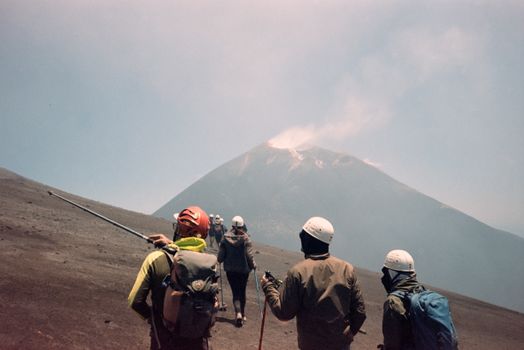
- Expert Guides: Reputable tour companies employ knowledgeable, certified guides who are trained in volcano safety, first aid, and local geology. They know the terrain, the risks, and the evacuation procedures.
- Government Oversight: National parks and geological agencies often regulate access to volcanic areas, issuing alerts and closing areas when necessary. Always check official sources before you go.
- Common Sense: This is your biggest safety tool. Stick to marked paths, listen to your guide always, don't wander off, and wear appropriate gear.
My first Bromo guide, a local named Wayan, had trekked that volcano thousands of times. He knew every loose stone, every shifting sand dune, and exactly when to pause for the best photo ops without risking our footing. Trusting him was key to enjoying the experience fully. So, ditch the irrational fear and embrace the awe – with the right precautions, you’re in for an unforgettable adventure!
The Gentle Giants: Hike & Hot Springs – Mount Bromo, Indonesia
Location: East Java, Indonesia (near Probolinggo or Malang) Average Tour Price: From $30-$100+ USD depending on package (transport, jeep, guide, park fees) Instagram-worthiness: 10/10 – Sunrise over the caldera is legendary!
Mount Bromo isn't just a volcano; it's an entire otherworldly landscape. Part of the Tengger massif, it sits amidst a vast "Sea of Sand" and is flanked by other volcanic peaks. This is the experience that converted me, and it continues to be one of the most trending volcano tours globally.
Your adventure typically begins in the pre-dawn hours. From your guesthouse in Cemoro Lawang, a 4x4 jeep will whisk you through the dark, bumpy terrain to a sunrise viewpoint (like Penanjakan 1). As the first rays of light kiss the horizon, the magic unfolds. The mist-shrouded caldera slowly reveals itself, with Bromo, Batok, and Semeru (Indonesia's highest volcano, often puffing smoke in the distance) emerging from the shadows. It's truly a sight that will make your jaw drop and your camera roll fill up instantly.
After sunrise, the jeep descends into the Sea of Sand. Here, you can opt for a short horse ride across the ash plain (negotiate prices locally, usually around $10-15 USD) or trek on foot to the base of Bromo. A short, steep climb up a concrete staircase (around 250 steps) brings you to the crater rim. Standing there, peering into the smoking caldera, feeling the rumble and smelling the sulfur, is an experience that humbles you. The raw power of the Earth is palpable, yet you're perfectly safe, a barrier separating you from the active vent.
Tripsora Tips for Bromo:
- Dress in Layers: It's freezing before dawn at the viewpoint, but warms up quickly once the sun is out and you're hiking.
- Sturdy Shoes: You'll be walking on sand, loose ash, and steps. Good grip is essential.
- Mask/Scarf: The sulfur smell at the crater rim can be strong. A scarf or mask helps.
- Book in Advance: Especially during peak season, tours and accommodation fill up fast.
- Combine with Ijen: Many travelers combine Bromo with a trip to Ijen Crater for its famous blue flames and turquoise acidic lake – another incredible, safe volcanic experience!
Lava Light Show: The Mesmerizing Dance of Kilauea, Hawaii (When It's Flowing Safely!)
Location: Hawaii Volcanoes National Park, Big Island, Hawaii Average Tour Price: Park entrance $30 USD per vehicle for 7 days. Helicopter tours $250-$400+ USD. Boat tours (if available) $200-$300+ USD. Guided hikes vary. Instagram-worthiness: 10/10 – Molten lava at night is pure magic!
Kilauea, one of the world's most active volcanoes, is a geological superstar. While its eruptions can be dramatic and destructive, Hawaii Volcanoes National Park (HVNP) offers incredible, safe opportunities to witness volcanic activity, when conditions allow. This is key: Kilauea is constantly changing, so always check the official HVNP website for the latest updates on lava flow, viewing areas, and safety alerts.
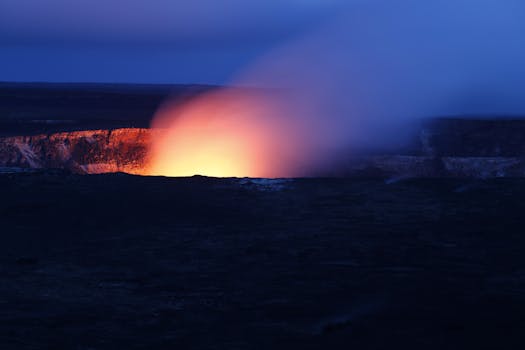
My visit to HVNP was during a period of active, but contained, lava flow within Halema'uma'u crater. We arrived at the Jaggar Museum Overlook just before sunset. As twilight deepened, a fiery glow began to pulse from the crater floor. It was like watching the Earth's heart beat – a mesmerizing, ethereal light show against the night sky. The air, though distant from the actual lava, carried a faint, sulfuric tang, a reminder of the immense power beneath.
While direct viewing of surface lava flows isn't always possible (or safe), the park offers numerous trails through old lava fields, steam vents, and informative exhibits. You can drive the scenic Crater Rim Drive and Chain of Craters Road, exploring diverse volcanic landscapes.
When lava is flowing safely and access is granted, here are your options:
- Park Overlooks: Often the safest way to see crater glows or distant flows.
- Guided Hikes: Local certified guides can sometimes lead you to safe viewing spots, especially for newer flows on the coastal plains (always check with the park and only go with reputable guides).
- Helicopter Tours: For an unparalleled aerial view of the entire volcanic landscape, including active vents and lava flows, a helicopter tour is an unforgettable splurge.
- Boat Tours: If lava is entering the ocean, specialized boat tours offer a unique perspective, witnessing the dramatic clash of molten rock and sea. This is a highly dynamic situation, so availability varies wildly.
Tripsora Tips for Kilauea:
- Check BEFORE You Go: The official HVNP website is your bible for current conditions.
- Night Viewing: Lava glows are most spectacular after dark. Bring a flashlight for walking to viewing areas.
- Rain Gear & Layers: The weather in HVNP can change rapidly.
- Water & Snacks: Limited services within the park, especially on Chain of Craters Road.
- Respect Kapu (Sacred) Sites: Many areas are culturally significant. Tread lightly and respectfully.
Ash & Adrenaline: Sandboarding Down Cerro Negro, Nicaragua
Location: Near León, Nicaragua Average Tour Price: $30-$40 USD (includes transport, guide, board, safety gear) Instagram-worthiness: 9/10 – Epic action shots and dusty selfies!
If you crave a volcano experience that's less about contemplation and more about pure, unadulterated adrenaline, then sandboarding down Cerro Negro in Nicaragua is your calling. This is one of the youngest and most active volcanoes in Central America, but don't let that deter you – it's a perfectly safe, incredibly fun adventure.
The tour typically starts from León. After a bumpy ride to the volcano's base, you embark on a roughly 45-minute to an hour-long hike to the summit. It's a steep climb, and you'll be carrying your wooden "sandboard" (or rather, "volcano board") yourself, which adds to the challenge and the bragging rights! As you ascend, the views of the surrounding volcanic chain are breathtaking. The landscape is stark, black, and otherworldly.
At the summit, after taking in the panoramic views and feeling the heat from the vents, your guide will give you instructions. You'll don a jumpsuit (to protect your clothes and skin from the abrasive ash) and safety goggles. Then, it's time to choose your adventure: sit down, feet-first for a more controlled descent, or stand up like a snowboarder for maximum speed! I opted for the sitting position, and let me tell you, hurtling down the black volcanic ash at speeds up to 70 km/h (43 mph) was an absolute rush. You'll be covered in ash, grinning from ear to ear, and buzzing with exhilaration at the bottom.
Tripsora Tips for Cerro Negro:
- Wear Closed-Toe Shoes: Crucial for the hike up and protecting your feet.
- Sun Protection: The sun is relentless on the black ash. Hat, sunglasses, and sunscreen are a must.
- Water: Bring plenty for the hike.
- Leave Valuables: Don't bring anything you don't want covered in ash or potentially lost.
- Embrace the Dust: You will get dirty. It's part of the fun!
The Majestic Monitors: Trekking to the Summit of Pacaya, Guatemala
Location: Near Antigua, Guatemala Average Tour Price: $20-$30 USD (includes transport from Antigua, guide, park entrance) Instagram-worthiness: 8/10 – Roasting marshmallows on volcanic heat is a unique photo op!
Volcán Pacaya is Guatemala's most active volcano and one of the most popular treks in the country. Its consistent, low-level activity makes it an ideal and safe destination for those wanting to experience an active volcano up close. Located just an hour and a half from the charming colonial city of Antigua, it's an easily accessible and highly rewarding day trip.
My hike up Pacaya was a highlight of my time in Guatemala. The trek itself is moderately challenging, taking about 1.5 to 2 hours to ascend to the lava fields near the summit. As you climb, you pass through lush forests that gradually give way to a barren, volcanic landscape. The air gets cooler, and the views of the surrounding volcanoes (Agua, Fuego, Acatenango) become increasingly spectacular.
The real magic happens when you reach the solidified lava fields. Depending on Pacaya's current activity, your guide will lead you to areas where you can feel the heat radiating from beneath the Earth's crust. It's here that the famous marshmallow roasting takes place! Using long sticks, we toasted marshmallows over small vents in the lava rock – a surreal, delicious, and utterly unique experience that makes for fantastic photos and even better memories. Sometimes, if conditions are right and safe, you might even see small, slow-moving streams of lava in the distance.
Tripsora Tips for Pacaya:
- Good Hiking Shoes: The terrain is rocky and uneven.
- Layers: It can be warm at the base and cool/windy higher up.
- Water & Snacks: Essential for the hike.
- Bring Marshmallows! While guides often provide them, it's fun to bring your own.
- Consider a Sunset/Night Tour: Watching the sunset from the volcano and seeing the lava glow (if present) after dark is truly magical. Bring a headlamp!
The Icy Peaks & Fiery Hearts: Iceland's Volcanic Wonders (and the Newest Hotspots)
Location: Reykjanes Peninsula, Iceland (and other regions) Average Tour Price: Guided hikes to eruption sites vary, $100-$250+ USD. Multi-day tours much more. Instagram-worthiness: 10/10 – Dramatic landscapes, fresh lava, and steam vents galore!
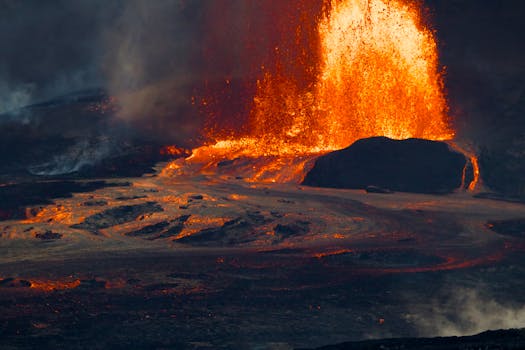
Iceland, the "Land of Fire and Ice," is a geological marvel where glaciers cap active volcanoes, and geothermal steam rises from every corner. In recent years, the Reykjanes Peninsula, just a short drive from Reykjavik, has become a hotspot (literally!) for safe, accessible eruptions. Volcanoes like Fagradalsfjall, Litli-Hrútur, and the Sundhnúkagígar crater row have erupted, creating incredible opportunities for travelers to witness fresh lava flows.
When Fagradalsfjall first erupted, I was glued to the live streams, dreaming of visiting. When I finally made it to Iceland, while the eruption had paused, the landscape it created was still breathtaking. The vast fields of cooling black lava, still steaming in places, felt like walking on a freshly formed planet. The sheer scale and newness of it all were astounding.
Icelandic authorities and tour operators are incredibly adept at managing these dynamic situations. When an eruption occurs, they quickly establish safe viewing paths and exclusion zones, providing clear guidance on how to visit responsibly. Guided hikes are often the best way to access these sites, as they include transport, experienced guides, and up-to-date safety information.
Beyond the newest eruptions, Iceland offers a plethora of volcanic experiences:
- Geothermal Areas: Explore the bubbling mud pots and steaming fumaroles of Námaskarð or the Gunnuhver Hot Spring.
- Thrihnukagigur Volcano: Take a truly unique tour inside a dormant volcano's magma chamber! (Requires a specific tour, approx. $300-400 USD).
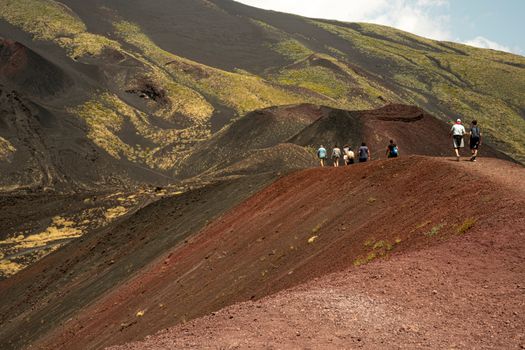
- Hiking Trails: Many trails lead through diverse volcanic landscapes, from black sand beaches formed by eruptions to moss-covered lava fields.
- Blue Lagoon & Other Hot Springs: Relax in geothermally heated waters, a direct result of Iceland's volcanic activity.
Tripsora Tips for Iceland's Volcanoes:
- Check Official Websites: Safetravel.is and the Icelandic Met Office provide crucial updates on volcanic activity and safety.
- Dress for All Weathers: Iceland's weather is famously unpredictable – wind, rain, and cold are common, even in summer. Layers, waterproofs, and sturdy hiking boots are non-negotiable.
- Guided Tours for Eruptions: If you want to visit a live eruption site, a guided tour is highly recommended for safety and logistics.
- Respect Nature: The landscape is fragile. Stick to marked trails.
- Be Prepared for Changes: Volcanic activity can change rapidly. Be flexible with your plans.
Your Volcano Adventure Awaits: Practical Tips for a Blazing Good Time
Ready to book your ticket to a fiery peak? Here are a few final, actionable tips to make your safe volcano tour a resounding success:
- Do Your Research (and then some): Always check the current status of the volcano you plan to visit. Official park websites, geological survey sites, and reputable news sources are your best friends.
- Book with Reputable Operators: Don't skimp on this. Certified guides and established companies prioritize your safety and have the necessary permits and expertise. Look for reviews!
- Pack Smart:
- Footwear: Sturdy, closed-toe hiking shoes with good ankle support are essential for uneven, rocky, or sandy terrain.
- Layers: Temperatures can vary wildly from base to summit, and depending on time of day.
- Rain Gear: Even in dry climates, a light rain jacket can double as a windbreaker.
- Sun Protection: Hat, sunglasses, and high-SPF sunscreen are crucial, especially on exposed volcanic landscapes.
- Water & Snacks: Stay hydrated and fueled.
- Headlamp/Flashlight: If you're doing a sunrise or sunset tour.
- Mask/Scarf: For sulfur fumes or dust.
- Listen to Your Guide: This cannot be stressed enough. They are the experts on the ground. Their instructions are for your safety.
- Stay on Marked Paths: Wandering off can lead to unstable ground, hidden vents, or getting lost.
- Respect Exclusion Zones: If an area is closed, it's for a very good reason. Don't try to bypass barriers.
- Travel Insurance: Ensure your policy covers adventure activities like volcano trekking.
- Photography Gear: Bring extra batteries! A wide-angle lens is great for landscapes, and a tripod is a must for night shots of lava.
- Leave No Trace: Pack out everything you pack in. Preserve these incredible natural wonders for future generations.
Ignite Your Wanderlust: The Earth is Calling!
Standing before an active volcano is a profound experience. It's a vivid reminder of the incredible power and beauty of our planet, a moment that makes you feel both tiny and incredibly alive. My initial fear has been replaced by a deep respect and an insatiable desire to explore more of Earth's fiery heart.
The volcanoes I've highlighted are just a fraction of the incredible, safe opportunities out there. From the vibrant crater lakes of Rinjani in Indonesia to the otherworldly landscapes of Stromboli in Italy, the world is brimming with accessible volcanic adventures.
So, what are you waiting for? Stop dreaming of adventure and start living it. Which fiery peak will you conquer next? Share your volcano dreams in the comments below, or better yet, start planning your epic, safe, and utterly unforgettable volcano tour today! The Earth is breathing, and it's inviting you to witness its magic.
---
More pictures

Tags
Share this guide
We may earn a commission if you click a link and buy a product or service, at no extra cost to you. How affiliate links work.
Been there?