
Tired of postcard-perfect but crowded tourist traps? December 2025 is calling for a different kind of adventure – one where the roar of a waterfall is your private symphony. Join me as we uncover five truly hidden cascades, far from the selfie sticks, offering pristine beauty and an unforgettable escape into nature's embrace. ---
The Call of the Unseen: Chasing December's Secret Waterfalls
There’s a moment, isn’t there, when the world just feels… too loud. Too crowded. Too predictable. For me, that moment often strikes around the holiday season, when the usual tourist hotspots swell with throngs, and the magic of discovery gets lost in the noise. It was during one such December, a few years back, that I found myself staring at a travel brochure featuring a famous, majestic waterfall – beautiful, yes, but surrounded by a sea of heads. That’s when a thought sparked: What if I could find a waterfall no one else knew about?
That simple question ignited a passion, a quest to seek out the elusive, the untouched, the secret places where nature truly reigns supreme. And let me tell you, fellow adventurers, there’s nothing quite like the feeling of standing before a thundering cascade, its mist kissing your skin, knowing that you’ve earned that view, that you’re one of the very few to witness its raw, untamed glory.
December 2025 is just around the corner, and for many, it’s a time for reflection, for family, or for a much-needed break. But for us, the intrepid explorers, it’s the perfect window to chase the sun, or perhaps even the snow, to destinations less trodden, where hidden waterfalls await. Forget the crowded beaches or predictable city breaks. This year, let’s dive into an adventure that will leave you breathless, rejuvenated, and with stories that will make your friends green with envy.
I’ve spent countless hours poring over maps, consulting local guides, enduring long treks, and sometimes, getting delightfully lost, all in the pursuit of these liquid jewels. And now, I’m thrilled to share my top five hidden waterfall discoveries, perfect for your December 2025 escape. These aren't just places; they're experiences, challenges, and unforgettable encounters with the wild heart of our planet.
---
1. Emerald Veil Falls: Laos' Untamed Jungle Jewel
Location: Luang Namtha Province, Northern Laos (near the Phou Pha Kham Protected Area) Why it's hidden: Nestled deep within an ancient rainforest, accessible primarily by multi-day trek or a combination of 4x4 and a challenging hike. No paved roads, minimal infrastructure. Best time to visit (December 2025): December offers dry, cooler weather, making the jungle treks more manageable and less muddy. The water levels are still robust from the rainy season, ensuring a spectacular flow.
My journey to Emerald Veil Falls felt like something out of an Indiana Jones movie. After flying into Luang Prabang and taking a local bus north to Luang Namtha, I linked up with a local Akha guide, Mr. Kham. He spoke little English, and I even less Akha, but the universal language of adventure bridged the gap. We started our trek from a remote village called Ban Tavan, our backpacks heavy with supplies, the air thick with the scent of damp earth and exotic flora.
For two days, we traversed dense jungle, crossing small streams, clambering over fallen logs, and listening to the symphony of unseen creatures. Mr. Kham, with his machete, effortlessly cleared paths that barely existed. The humidity was relentless, but the anticipation kept me going. On the morning of the third day, after a particularly steep ascent, the jungle canopy began to thin, and a low rumble filled the air. My heart pounded.
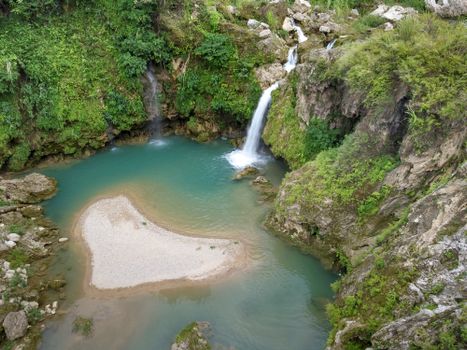
Then, we rounded a bend, and there it was: Emerald Veil Falls. A colossal curtain of water, shimmering with an almost otherworldly green hue, plummeted from a moss-covered cliff into a crystal-clear pool below. It wasn't just a waterfall; it was an entire ecosystem. Giant ferns clung to the rocks, iridescent butterflies danced in the mist, and the air hummed with life. I stripped down and plunged into the bracing, cool water, feeling the powerful spray wash away days of travel fatigue. It was pure, unadulterated bliss.
Practical Tips for Emerald Veil Falls (December 2025):
- Getting There: Fly into Luang Prabang (LPQ), then take a local bus or private transfer to Luang Namtha. From there, you must arrange a local guide. Trying to find this place solo is dangerous and irresponsible.
- Cost: A 3-day, 2-night guided trek from Luang Namtha will cost approximately $250-$350 USD per person, including food, basic accommodation (homestay or jungle camp), and permits. This is a vital investment in local communities and your safety.
- Gear: Sturdy waterproof hiking boots, quick-drying clothing, a rain jacket, insect repellent (DEET is your friend), a water filter/purifier, a first-aid kit, and a headlamp are essential. Pack light but smart.
- Accommodation: Expect basic jungle camping or village homestays. Embrace the simplicity; it's part of the authentic experience.
- Sustainability: Stick to marked (or guided) paths, carry out everything you carry in, and support local communities by hiring local guides and buying local crafts.
- Instagram Moment: The emerald pool at the base, framed by lush jungle, is unreal. Bring a waterproof camera or phone case!
---
2. Cascada Escondida del Sol: Colombia's Amazonian Secret
Location: Mocoa, Putumayo Department, Colombia (near the "Fin del Mundo" natural reserve, but a separate, lesser-known trail) Why it's hidden: While "Fin del Mundo" gains popularity, Cascada Escondida del Sol requires a more rigorous, unguided (or locally guided) trek through dense rainforest, away from the main tourist paths. Best time to visit (December 2025): December falls within Colombia's dry season, meaning less mud and more sunshine for your hike. The water levels are still excellent, making for powerful cascades and refreshing swims.
Colombia has always held a special place in my heart, a country of vibrant culture and breathtaking landscapes. My trip to Mocoa, the capital of Putumayo, was driven by whispers of an "even more secret" waterfall than the already stunning "Fin del Mundo." After a harrowing but scenic bus ride from Pasto, I arrived in Mocoa, a town buzzing with Amazonian energy.
I spent a day exploring the more frequented trails, making friends with a local artist named Sofia, who, after a shared meal and many cups of tinto, scribbled a rudimentary map on a napkin. "Go past the third bridge," she instructed, "then look for the giant Ceiba tree with the red ribbon. Follow the small path, it leads to the sun's hidden cascade."
The next morning, armed with Sofia's cryptic directions and a packed lunch, I set off. The trail was overgrown, a true test of navigation and perseverance. I pushed through thickets, navigated slippery roots, and felt the jungle come alive around me – the chirping of unseen birds, the rustle of leaves, the distant roar that grew steadily louder. After about three hours of intense trekking, just as I was starting to doubt Sofia's map, I spotted a glimmer through the trees.
Cascada Escondida del Sol ("Hidden Waterfall of the Sun") burst into view. It wasn't one massive drop, but a series of tiered cascades, each forming a natural pool of astonishing clarity. Sunlight dappled through the canopy, illuminating the water in a way that truly made it feel like the sun itself was hiding there. I spent hours swimming, clambering over mossy rocks, and simply soaking in the profound solitude. It felt like I had stumbled upon a sacred place, a private oasis in the heart of the Amazon.
Practical Tips for Cascada Escondida del Sol (December 2025):
- Getting There: Fly into Pasto (PTX) or Florencia (FLA), then take a bus to Mocoa. From Mocoa, you can take a mototaxi to the general trailhead area for "Fin del Mundo," but then you'll need to venture off the main path.
- Cost: The main "Fin del Mundo" entrance fee is around 10,000-15,000 COP ($2.50-$4 USD). Cascada Escondida del Sol is usually free, but hiring a local guide (highly recommended for safety and ethical tourism) might cost 50,000-80,000 COP ($13-$20 USD) for a half-day.
- Safety: While generally safe, the trails can be challenging and isolated. Inform someone of your plans. Consider hiring a local guide if you're not an experienced jungle hiker.
- What to Bring: Swimsuit, quick-dry towel, plenty of water, snacks, insect repellent, sun protection, and sturdy shoes (water shoes are great for the cascades themselves).
- Local Etiquette: Putumayo is a region rich in indigenous culture. Be respectful, ask permission before taking photos of people, and support local businesses.
- Instagram Moment: The tiered pools with sunlight filtering through the canopy are magical. Capture the reflections!
---
3. Mystic Serpent Falls: Madagascar's Rainforest Enigma
Location: Andasibe-Mantadia National Park, Eastern Madagascar (deep within the lesser-explored Mantadia section) Why it's hidden: While Andasibe is known for its lemurs, the Mantadia section is far larger and less frequented. Mystic Serpent Falls requires a dedicated, multi-day trek with a specialized guide into the denser primary forest, beyond the usual tourist loops. Best time to visit (December 2025): December is the start of the wet season, which means lush greenery and powerful waterfalls. While there might be occasional showers, they often don't last long, and the cooler temperatures are pleasant for hiking.
Madagascar is a land of wonders, a biodiversity hotspot unlike any other. My journey there was primarily to see the lemurs, but a casual conversation with a park ranger in Andasibe sparked my curiosity. He spoke of a "Mystic Serpent Falls," a place so remote, so untouched, that only a handful of people had ever seen it. "The path," he warned, "is only for those who truly seek."
Intrigued, I arranged a specialized, multi-day trekking permit and hired two local guides, Rado and his cousin, who knew the Mantadia forest like the back of their hands. Our trek was less about a defined path and more about following animal trails, machete-cutting through dense undergrowth, and navigating by instinct. We encountered chameleons larger than my hand, heard the haunting calls of indri lemurs, and felt the ancient pulse of the rainforest.
On the second afternoon, after a particularly arduous climb up a slippery, root-bound slope, Rado pointed ahead. Through a gap in the foliage, I saw it: Mystic Serpent Falls. It wasn't a straight drop, but a series of interconnected cascades that snaked down a towering, serpentine-shaped rock face, disappearing into a mist-shrouded pool below. The rock itself seemed to writhe, like a giant petrified serpent, giving the falls their mystical name. The air was thick with humidity and the earthy scent of the forest, and the only sounds were the rushing water and the distant calls of lemurs. It felt like stepping into a prehistoric world.
Practical Tips for Mystic Serpent Falls (December 2025):
- Getting There: Fly into Antananarivo (TNR), then take a taxi-brousse (shared bush taxi) or private car to Andasibe. From the park entrance, you'll need to arrange your specialized multi-day trek with certified guides.
- Cost: Park entrance fees are around 55,000 MGA ($12 USD) per day. Specialized multi-day guide fees for Mantadia can range from 100,000-200,000 MGA ($22-$45 USD) per day, plus porter fees if needed. Permits for deeper treks might have additional costs.
- Health & Safety: Bring malaria prophylaxis, a comprehensive first-aid kit, and be prepared for leeches (salt or insect repellent helps!). The terrain is challenging, so good physical fitness is a must.
- Wildlife: This area is teeming with unique wildlife. Keep an eye out for lemurs, chameleons, and diverse bird species. Remember to observe from a distance and never disturb the animals.
- Responsible Tourism: Madagascar's ecosystems are fragile. Choose reputable, eco-conscious guides who prioritize conservation and local community benefits. Carry out all trash.
- Instagram Moment: The "serpent" rock formation itself, with the water cascading down, is incredibly unique. Try to capture the scale and the dense rainforest backdrop.
---
4. Whispering Caves Cascade: Croatia's Winter Wonderland Secret
Location: Velebit Mountains, Croatia (specifically, a remote section accessible from the Lika region) Why it's hidden: Unlike the famous Plitvice Lakes, these cascades are seasonal, often partially frozen in winter, and require expert local knowledge to locate within the vast, rugged Velebit karst landscape. Best time to visit (December 2025): December transforms this area into a breathtaking, ethereal winter landscape. While not a swimming waterfall, the beauty of partially frozen cascades and icicles is unparalleled. Expect cold temperatures and potential snow.
When most people think of hidden waterfalls, they picture steamy jungles. But a true adventurer knows that beauty can be found in all seasons, even in the frosty embrace of winter. Croatia, famous for its stunning coastline and national parks, holds a different kind of magic in its interior, especially in the rugged Velebit Mountains. My Croatian friend, Marko, a seasoned mountaineer, first told me about the "Whispering Caves Cascade," a place he’d only visited twice, both times in deep winter.
"It's not a place you just stumble upon," he warned, "The mountain reveals it only to those who listen." In December, Marko and I set out from a small village near Gospić. The air was crisp and bitingly cold, and fresh snow had dusted the pines, transforming the landscape into a silent, white wonderland. We hiked for hours through dense forest, following faint deer trails and Marko's uncanny sense of direction. The only sounds were our crunching footsteps and the occasional call of a raven.
As we ascended a hidden ravine, the temperature dropped further, and the air grew heavy with the scent of damp rock and frozen earth. Then, we heard it – a soft, persistent murmur, like a thousand hushed voices. We rounded a final rocky outcrop, and there it was: Whispering Caves Cascade. Water, partially frozen into shimmering, blue-white icicles, flowed down a series of moss-covered rock formations, disappearing into a dark, inviting cave mouth below. The sound was truly like whispers, the water trickling over ice and stone, echoing softly within the cavern. It was a scene of stark, breathtaking beauty, a testament to winter's artistry. We explored the shallow cave entrance, marveling at the delicate ice formations before hiking back, invigorated by the cold and the profound silence.
Practical Tips for Whispering Caves Cascade (December 2025):
- Getting There: Fly into Zagreb (ZAG) or Zadar (ZAD), then rent a car to the Lika region. You absolutely need a local, experienced guide for this. Marko is a friend, but many certified mountain guides operate in the Velebit region.
- Cost: Guide fees for a full day of winter hiking can range from €100-€200, depending on group size and duration.
- Winter Gear is Crucial: Thermal layers, waterproof and windproof outer shells, insulated hiking boots, gaiters, microspikes/crampons (depending on conditions), trekking poles, a warm hat, gloves, and a thermos with hot tea are non-negotiable.
- Safety First: Winter mountain conditions can change rapidly. Check weather forecasts religiously, inform someone of your route, and never go alone. Avalanches are rare in this specific area but always be aware of risks.
- Photography: The light in winter can be stunning. Bring extra battery packs for your camera, as cold drains them quickly.
- Respect Nature: The Velebit is a protected area. Stick to guided paths, leave no trace, and respect the fragile winter ecosystem.
- Instagram Moment: The contrast of the dark cave mouth with the icy, flowing water is incredibly dramatic. Capture the intricate ice formations!
---
5. The Lost Falls of Semporna: Borneo's Marine Rainforest Gem
Location: Semporna Archipelago, Sabah, Malaysian Borneo (on one of the lesser-known, uninhabited islands, requiring a special permit) Why it's hidden: Not on any tourist map. This waterfall is located on a small, protected island within a marine park, requiring specific permissions from local authorities and skilled boatmen to access. Best time to visit (December 2025): December is generally a good time for Borneo, with pleasant temperatures and relatively calm seas for island hopping. The rainforest is vibrant, and the waterfall flows strongly.
Borneo, to me, represents the ultimate wild frontier. While most visitors flock to Sipadan for diving or Kinabatangan for wildlife, I was chasing a different kind of magic in the Semporna Archipelago. My dive master, a jovial Bajau Laut (Sea Gypsy) named Rashid, hinted at a "lost waterfall" on an island no one visited, a place where the jungle met the sea in spectacular fashion.
It took some convincing, and a good deal of negotiation with local conservation authorities, but eventually, Rashid secured the necessary permits. One sunny December morning, we set off in his small wooden boat, weaving through turquoise waters dotted with uninhabited islands. After about an hour, he steered the boat towards a small, heavily forested island, its cliffs plunging directly into the sea. There was no beach, just a rocky shore.
"This is it," Rashid grinned, pointing to a barely perceptible fissure in the cliff face. We carefully climbed ashore, and immediately, the dense jungle enveloped us. The air was thick with the scent of salt and damp earth. After a short, steep climb over slippery rocks and tangled roots, guided by Rashid's expert hand, the sound of rushing water grew louder.
And then, we emerged into a small, sun-dappled clearing. The Lost Falls of Semporna cascaded directly from the rainforest canopy down a sheer cliff face, plummeting into a clear, shallow pool that was mere meters from the ocean. It was an astonishing sight: fresh water meeting saltwater, the roar of the falls mingling with the gentle lapping of the waves. I sat for a long time, watching the water fall, mesmerized by the sheer audacity of nature. This wasn't just a waterfall; it was a testament to the raw, untamed beauty of Borneo, a place where secrets still wait to be discovered.
Practical Tips for The Lost Falls of Semporna (December 2025):
- Getting There: Fly into Tawau (TWU), then take a taxi or bus to Semporna. This is your base. From Semporna, you'll need to arrange a private boat charter with a licensed operator who has experience with marine park permits.
- Cost: Boat charters to remote islands can be expensive, ranging from RM 300-600 ($65-$130 USD) for a half-day, depending on the boat and negotiation. Permits for protected islands will incur additional fees (RM 50-100+).
- Permits are Non-Negotiable: This area is heavily protected. Do not attempt to visit without proper permits arranged through local authorities or a reputable tour operator. Respect the local conservation efforts.
- What to Bring: Swimsuit, snorkel gear (the surrounding reefs are incredible!), waterproof bag, sun protection, insect repellent, plenty of water, and sturdy reef shoes for landing.
- Marine Life: Be mindful of the delicate marine ecosystem. Do not touch coral, use reef-safe sunscreen, and avoid leaving any trash.
- Local Culture: The Bajau Laut people are fascinating. Be respectful of their traditions and way of life.
- Instagram Moment: The unique juxtaposition of the rainforest waterfall meeting the ocean is unparalleled. Capture the lush green against the turquoise blue.
---
Your December 2025 Adventure Awaits: Essential Tips for Chasing Hidden Waterfalls
Chasing hidden waterfalls isn't just about the destination; it's about the journey, the challenge, and the profound connection you forge with nature. To ensure your December 2025 adventure is safe, sustainable, and unforgettable, here are some essential tips:
- Do Your Research (and then some): My "hidden" spots are a starting point. Dig deeper, read forums, consult local tourism boards, and don't be afraid to ask locals once you arrive. The best secrets are often shared word-of-mouth.
- Hire Local Guides: This is paramount for safety, navigation, and unlocking truly hidden gems. Local guides possess invaluable knowledge of the terrain, weather patterns, and cultural nuances. They also ensure your tourism directly benefits the community. Negotiate prices fairly and always tip.
- Embrace the Off-Season (or Shoulder Season): December often falls into shoulder or dry seasons for many tropical regions, offering fewer crowds and better trekking conditions. For colder regions, embrace the unique beauty of winter.
- Pack Smart, Pack Light: Every ounce counts on long treks. Focus on quick-drying, moisture-wicking clothing, sturdy waterproof footwear, a reliable backpack, and essential safety gear (first aid, navigation tools, headlamp).
- Leave No Trace: This isn't just a suggestion; it's a responsibility. Carry out everything you carry in, including organic waste. Stay on designated (or guided) paths, avoid disturbing wildlife, and respect cultural sites. Our goal is to preserve these places for future generations.
- Be Prepared for the Unexpected: Weather can change rapidly, trails can be challenging, and things can go wrong. Have a backup plan, tell someone your itinerary, and ensure your travel insurance covers adventure activities.
- Respect Local Culture: You are a guest in these communities. Learn a few basic phrases, dress modestly where appropriate, ask permission before taking photos, and be open to new experiences.
- Physical Fitness is Key: These aren't strolls in the park. Be honest about your fitness level and train accordingly. Long hikes, slippery terrain, and varied climates require stamina.
- Invest in a Good Camera (and Protection): You'll want to capture these moments! A waterproof camera or a good phone with a waterproof case is essential for waterfall photography. Bring extra batteries and memory cards.
- Disconnect to Reconnect: While photos are great, remember to put down your phone and simply be in the moment. Feel the mist, listen to the roar, breathe the fresh air. These are the memories that truly last.
---
The Unseen Awaits You
As December 2025 approaches, the world's hidden corners are calling. These five secret waterfalls are just a taste of the raw, untouched beauty that awaits those brave enough to venture off the beaten path. Each cascade tells a story, each journey offers a lesson, and each moment of discovery carves itself into your soul.
Don't just dream of adventure; live it. Start planning your December 2025 escape today. Research your chosen waterfall, connect with local guides, pack your bags, and prepare to witness nature's most spectacular and intimate performances.
Which hidden waterfall will you chase first? Share your December 2025 adventure plans in the comments below! And don't forget to tag #TripsoraWaterfalls when you share your incredible photos on social media! Let's inspire more responsible adventurers to seek out the unseen.
---
More pictures
Tags
Share this guide
We may earn a commission if you click a link and buy a product or service, at no extra cost to you. How affiliate links work.
Been there?