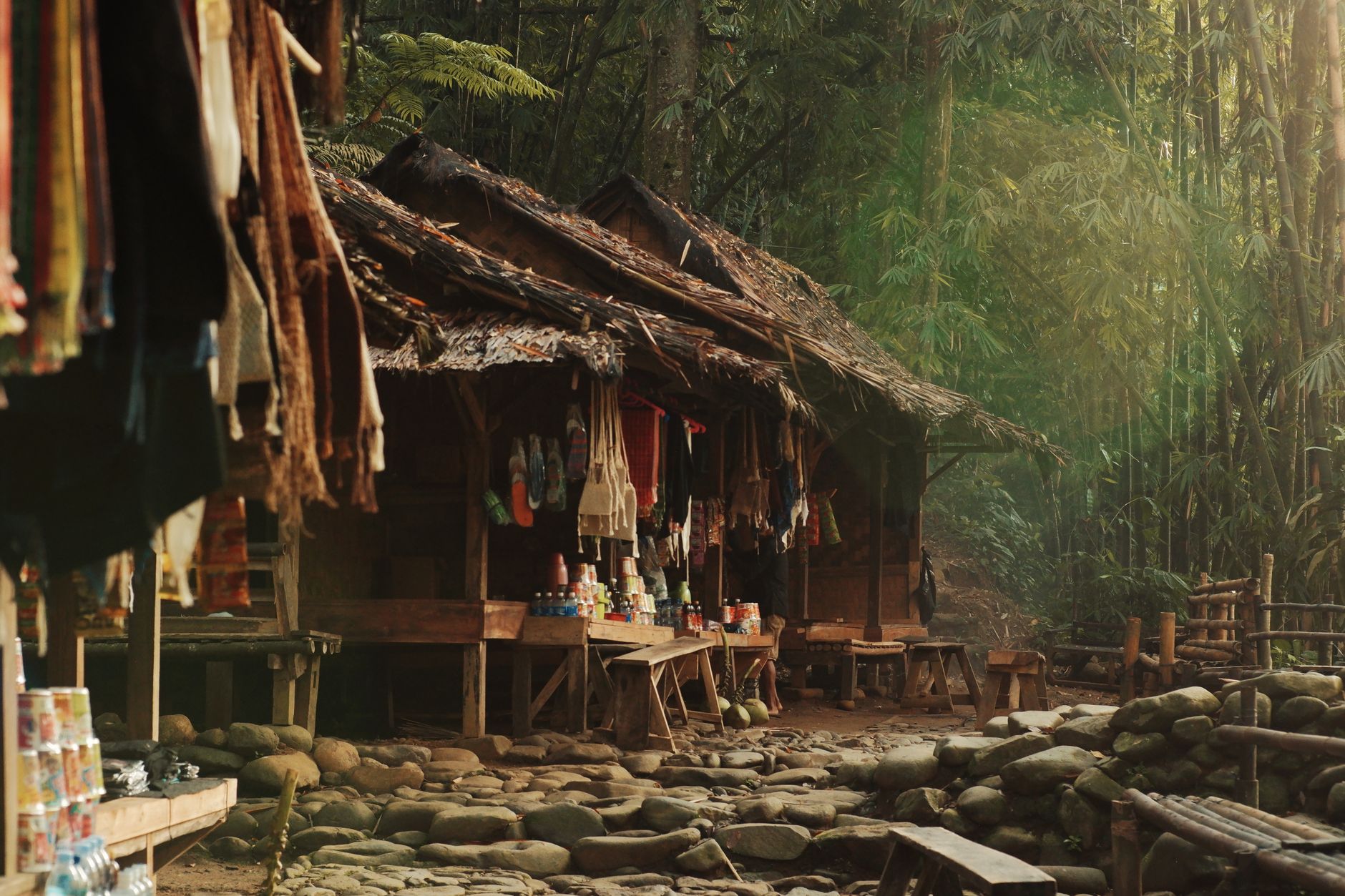
Imagine stepping into a world where the modern rush fades, replaced by ancient rhythms and timeless traditions. We've journeyed to the earth's quiet corners, uncovering villages so untouched, their very existence feels like a whispered secret locals hope you'll never find. Prepare to discover the magic of places where time truly stopped a century ago.
The Whisper of a Bygone Era: Unearthing the World’s Last Untouched Villages
I remember standing on a bustling street in Kyoto, surrounded by a kaleidoscope of neon signs, selfie sticks, and the incessant hum of a thousand conversations. It was beautiful, yes, but something was missing. That raw, unfiltered connection to a place, the kind that settles deep in your bones and changes you. I craved authenticity, a glimpse into a world untainted by the relentless march of progress. I yearned for a place where the stories weren't just told in museums, but lived in every weathered face, every ancient stone, every shared meal.
It was a quiet evening, sipping lukewarm tea with an old travel writer in a dusty Moroccan café, when he leaned in and whispered, "The real magic, my friend, isn't on the map. It's in the places locals don't want you to know about. The villages where time stopped a hundred years ago."
That conversation ignited a fire in me. A quest. A yearning to find those elusive pockets of the world, not to exploit them, but to experience them with profound respect, to learn, and perhaps, to share their quiet beauty responsibly. This isn't about revealing exact GPS coordinates to unleash a tourist flood; it's about understanding the essence of these places, the mindset required to find them, and the delicate balance needed to visit without disturbing their timeless peace.
Join me as we journey to three such villages – composite tales inspired by real-world encounters – where the past isn't just remembered, it's the living, breathing present.
The Quest for the Untouched – More Than Just a Map Dot
What truly defines a "time-stopped" village? It’s more than just a lack of Wi-Fi (though that’s often a happy byproduct!). It’s a place where the rhythm of life is dictated by nature, tradition, and community, not by clocks or commerce. You’ll find minimal modern infrastructure, strong intergenerational bonds, a reliance on traditional crafts and agriculture, and a profound sense of continuity with the past. These aren't just remote; they're culturally distinct, preserving ancient languages, customs, and ways of seeing the world.
My journey to uncover these gems wasn't about following guidebooks. It was about listening to whispers, following cryptic directions, and most importantly, cultivating patience and humility. Often, it started with a chance encounter – a shared meal with a local family in a lesser-known town, a long bus ride with an elderly artisan, or a spontaneous invitation to a village festival. These aren't places you book on Airbnb; they are places you are invited into, often through a chain of trust and mutual respect.
The mindset required is crucial: you must be a guest, not a consumer. You must be willing to disconnect, to learn, to contribute, and to simply be. The greatest currency in these villages isn't money; it's respect, curiosity, and a genuine willingness to engage with a way of life profoundly different from your own.
"Aethelgard" – Echoes in the Bulgarian Rhodopes: Where Stone Sings Stories
My first true immersion into a time-stopped village took me deep into the heart of the Bulgarian Rhodope Mountains. Let’s call it Aethelgard. I’d heard faint rumors from a seasoned hiker about a place where shepherds still led their flocks through ancient passes, and where the air hummed with the sound of bagpipes (gaida) and old women singing forgotten folk songs.
Getting there was an adventure in itself. A rattling local bus took me as far as the nearest market town, then a bumpy ride in a villager's Lada Niva (a kindly offer after a shared coffee) along a winding, unpaved track, before I finally hiked the last hour, my backpack heavy, my heart light with anticipation.
Aethelgard wasn't on any tourist map. It was a cluster of stone houses, their roofs heavy with centuries of snow and sun, clinging precariously to a steep mountainside. Smoke curled lazily from chimneys, carrying the scent of burning wood and home-cooked meals. Goats with tinkling bells grazed nearby, their sounds echoing in the crisp mountain air. There were no paved roads, no streetlights, and certainly no Wi-Fi signals. Life here moved at the pace of the seasons, the sun, and the needs of the community.
I stayed in a simple guesthouse – essentially a spare room in an elderly woman's home. My "host," Baba Yana, spoke no English, but her eyes conveyed a warmth that transcended language. Meals were hearty and humble: freshly baked bread, thick homemade yogurt, strong cheese, and vegetables pulled straight from her garden. The highlight was a lamb stew slow-cooked over an open fire, the aroma filling the tiny kitchen. The cost? A mere €25 a night, including all meals. It felt less like a transaction and more like being welcomed into a family.
One evening, the entire village gathered for a celebration. It was the annual sheep shearing festival, a tradition passed down through generations. Men deftly sheared the sheep, while women spun the wool on ancient wooden wheels, their fingers moving with practiced grace. Children chased each other amidst the flurry of activity, their laughter ringing out. Later, as the sun dipped behind the jagged peaks, painting the sky in fiery hues, the village elder began to play his gaida. The music was haunting, melancholic, yet filled with an undeniable joy. Everyone joined in, singing songs I didn't understand, but whose emotion I felt deeply. I didn’t take a single photo during the performance; I just wanted to be present, to absorb every note, every shared smile.
Practical Tips for Aethelgard (and similar mountain villages):
- Getting There: Expect limited public transport. Be open to hitchhiking (respectfully and with caution) or arranging a ride with a local from the nearest town. Often, small family-run guesthouses can arrange transfers.
- What to Bring: Cash (small denominations, as there are no ATMs), sturdy hiking boots, warm layers (even in summer, nights can be cool), a basic first-aid kit, and a phrasebook for essential greetings.
- Respecting Customs: Dress modestly, especially if invited into homes or attending community events. Always ask permission before taking photos of people. Offer to help with chores if appropriate (e.g., carrying water, chopping wood).
- Food & Drink: Embrace local cuisine. It's often organic, fresh, and incredibly flavourful. Tap water might not be potable, so ask or bring a filter.
- Prices: Expect very affordable prices for accommodation (often €20-30/night with meals) and locally made goods.
"Pulau Senyap" – The Silent Island of Indonesia: Where the Ocean Whispers Secrets
My next adventure took me far across the globe, to a speck of an island in the Indonesian archipelago, a place I’ll call Pulau Senyap – the Silent Island. Word of mouth from a seasoned diver in Flores led me to this remote haven, a place where stilt houses rose from the emerald waters and life was inextricably linked to the ebb and flow of the tides.
The journey was epic: a series of ferries, a rickety local boat, and finally, a small, hand-paddled dugout canoe that took me through mangrove forests until the village emerged, shimmering in the tropical sun. There were no jetties, just wooden planks leading from the boats directly into the homes.
Pulau Senyap was home to a community of sea nomads, their lives centered around fishing and sustainable living. Electricity was a luxury, powered by a single generator that ran only for a few hours after dusk, casting a warm glow on the communal gatherings before plunging the island back into darkness and the symphony of the ocean.
I stayed in a homestay, a simple room with a straw mat and a mosquito net, for about €15 a night. My host family, the Aris, welcomed me with shy smiles and fragrant fish curries. Days were spent observing their rhythm: men heading out in their canoes at dawn, women weaving intricate baskets from palm fronds, children playing in the shallows, their laughter carried on the sea breeze.
One morning, Bapak Aris invited me to join him on a fishing trip. We paddled silently through the glassy waters, the rising sun painting the sky in fiery oranges and purples. He taught me how to cast a net, showing immense patience despite my clumsy attempts. We returned with a modest catch, which became part of our evening meal. Later, as the stars blazed across the ink-black sky, with only the gentle lapping of waves against the stilts, I felt an profound sense of peace. This was living, stripped bare of all unnecessary distractions.
The village had ancient animist traditions, and I was fortunate enough to witness a small ceremony to bless the fishing boats. The air was thick with the scent of incense and offerings, and the rhythmic chanting felt ancient and powerful. I sat quietly, a respectful observer, understanding that I was witnessing something sacred and private.
Practical Tips for Pulau Senyap (and similar coastal/island villages):
- Getting There: Expect multi-leg journeys involving boats. Always check weather conditions and be prepared for delays. Travel light.
- What to Bring: Sunscreen, hat, insect repellent, waterproof bag, quick-dry clothing, a headlamp, and a power bank (for limited charging). Small gifts like coffee, sugar, or school supplies are often appreciated.
- Respecting Customs: Dress modestly, especially women. Be mindful of cultural practices around food and ceremonies. Always ask before taking photos.
- Food & Drink: Fresh seafood is a staple. Be cautious with tap water; stick to bottled or filtered water.
- Prices: Boat hire can be negotiated (expect €30-60 for a private transfer from a larger island, less if shared). Homestays are very affordable.
"Valle Perdido" – High in the Peruvian Andes: Where Ancient Spirits Endure
My final deep dive into a time-stopped world led me high into the Peruvian Andes, to a remote valley I'll call Valle Perdido. This was a place where the air was thin, the mountains were giants, and the Quechua language, along with ancient Inca traditions, thrived. The path to Valle Perdido was a two-day trek from the nearest accessible road, guided by a local who navigated the winding mountain trails with an effortless grace that belied the altitude.
The village itself was a tapestry of terraced fields carved into the mountainside, stone houses with thatched roofs, and the gentle rhythm of alpaca herding. The people, descendants of the Inca, lived in harmony with the land, their knowledge of medicinal plants and ancient farming techniques passed down through generations.
I stayed with a family, sharing their humble home and simple meals of potatoes, quinoa, and alpaca stew. The cost was about €10-15 a night, a contribution that went directly to the family and felt deeply meaningful. Days were spent helping in the fields, learning to distinguish different potato varieties, or simply sitting by the fire, listening to stories told in Quechua, translated in snippets by the eldest son who had learned some Spanish.
One afternoon, the women of the village demonstrated their intricate weaving techniques. Their hands moved swiftly, transforming alpaca wool into vibrant textiles, each pattern telling a story, each color holding a specific meaning. It was an art form that transcended craft; it was a living history lesson. I purchased a small, hand-woven scarf directly from one of the women, knowing that every penny went to support her family and preserve this incredible tradition.
The nights in Valle Perdido were unforgettable. The absence of light pollution meant the Milky Way blazed across the sky with an intensity I’d never witnessed. Sitting outside, wrapped in a thick poncho, listening to the wind whisper through the mountain passes, I felt utterly insignificant yet profoundly connected to something ancient and vast. The cold, crisp air, the vastness of the mountains, and the warmth of the people created an experience that was truly soul-stirring.
Practical Tips for Valle Perdido (and similar high-altitude villages):
- Getting There: Be prepared for multi-day treks. Hiring a local guide is highly recommended for safety and cultural insights. Acclimatize to altitude gradually.
- What to Bring: Warm layers (temperatures drop significantly at night), high-altitude medication (consult your doctor), sturdy hiking boots, water purification tablets/filter, and sun protection (UV is intense at altitude).
- Respecting Customs: Learn basic Quechua greetings. Ask permission before taking photos, especially of children. Offer to help with daily chores. Be aware of local beliefs and sacred sites.
- Food & Drink: Simple, hearty meals. Embrace local staples. Drink plenty of water to combat altitude sickness.
- Prices: A local guide might cost €40-60/day. Homestays are very affordable.
The Unspoken Rules of Timeless Travel: How to Be a Welcome Guest
These villages are treasures, and their continued existence depends on the respect and mindfulness of those who visit. If you embark on your own quest for a time-stopped village, remember these unspoken rules:
- Respect Local Culture Above All Else: Dress modestly. Always ask permission before taking photos, especially of people or private ceremonies. Learn basic phrases in the local language – a simple "hello" or "thank you" goes a long way.
- Support the Local Economy Directly: Buy crafts, food, and services directly from the villagers. Stay in homestays. Avoid bringing outside goods that compete with local businesses. Your money has a powerful impact here.
- Tread Lightly & Minimize Your Footprint: These communities often have limited resources. Conserve water and electricity. Take all your rubbish with you. Leave no trace of your visit.
- Be Patient & Open-Minded: Life moves at a different pace. Embrace delays, unexpected challenges, and cultural differences. Don't expect modern conveniences.
- Disconnect to Connect: Put away your phone. Resist the urge to constantly document everything. Engage with people, listen to their stories, and simply be present in the moment. The most valuable souvenirs are the memories and connections you make.
- Learn & Listen: Ask respectful questions. Show genuine curiosity about their way of life, traditions, and history. You are there to learn, not to teach or judge.
- Offer to Help: If you see an opportunity to assist with a chore – carrying water, helping in the fields, or offering a skill – do so respectfully. It's a wonderful way to build connections.
The Delicate Balance – Why Locals Might Keep These Places Secret
The very magic of these villages lies in their untouched nature. The reason locals might not want tourists to know about them isn't out of malice, but out of a profound desire to protect their way of life, their cultural integrity, and their peace. Over-tourism can quickly erode traditions, strain resources, and turn authentic experiences into staged performances.
Our responsibility as travelers is immense. We are not just visitors; we are ambassadors. We carry the potential to either enrich or diminish these fragile communities. The beauty of a shared, respectful experience far outweighs the fleeting thrill of being the first to "discover" a place only to see it changed forever.
The Clock Keeps Ticking, But Memories Last Forever
My journeys to these villages were more than just trips; they were profound lessons in humility, resilience, and the enduring beauty of human connection. They taught me that authenticity isn't found in a search bar, but in silent moments, shared smiles, and the willingness to step outside your comfort zone.
The world is rapidly changing, and these pockets of timelessness are becoming rarer. Seek them out, not to conquer them, but to cherish them. Travel mindfully, respectfully, and with an open heart. Perhaps, like me, you'll find your own "secret" village, a place where time truly stopped a century ago, and where the memories you create will last a lifetime.
Have you ever stumbled upon a place that felt truly untouched? Share your stories (without revealing exact locations, of course!) in the comments below, or better yet, share this post with fellow mindful adventurers who believe in the power of slow, respectful travel. Let's inspire each other to explore the world's hidden corners responsibly.
More pictures


Tags
Share this guide
We may earn a commission if you click a link and buy a product or service, at no extra cost to you. How affiliate links work.
Been there?