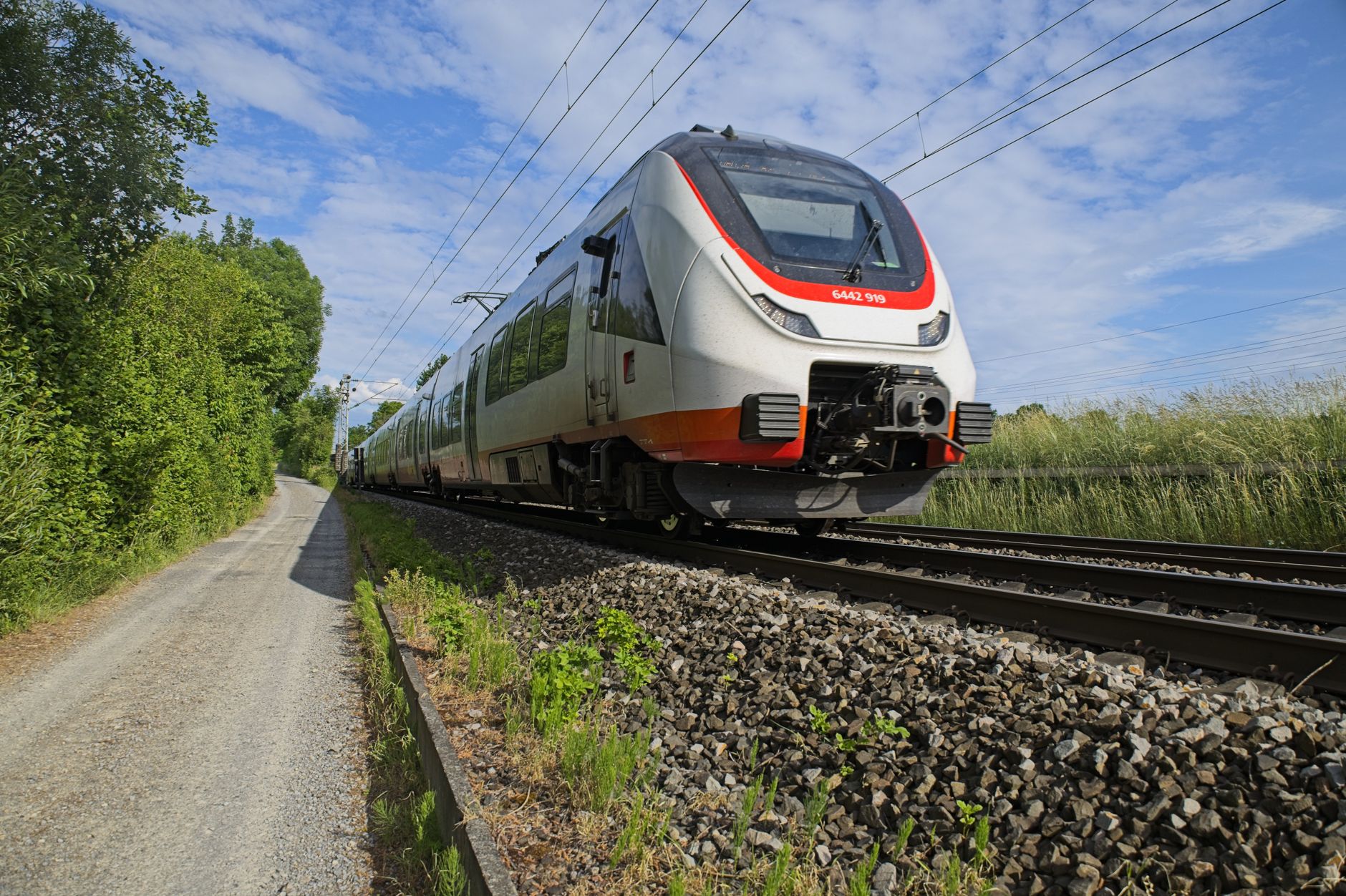
Airport security lines and 4 AM terminal rushes are officially out. Across Europe and North America, a wave of ultra-fast bullet trains and futuristic sleeper rail routes is aggressively replacing short-haul flights. From France’s landmark flight bans to price wars on Spanish high-speed lines and Florida’s sleek rail corridor, we breakdown the definitive emergent train routes that save you time, cut carbon emissions by up to 95%, and put the romance back into transit. ---
The Great Rail Shift: Why We Are Ditching the Tarmac
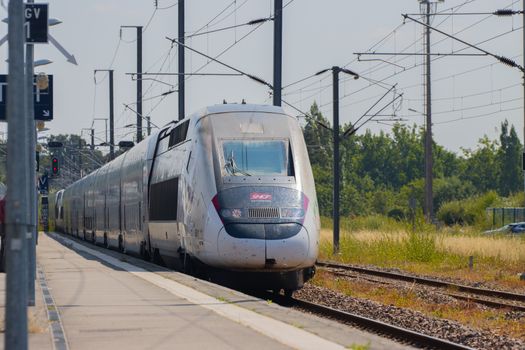
I stepped off the train at Bordeaux Saint-Jean, took a deep breath of crisp Atlantic air, and looked at my watch. Exactly two hours and four minutes ago, I was standing under the iron eaves of Gare Montparnasse in central Paris. There were no shoe-removal stations, no 100ml liquid limits, no two-hour pre-flight purgatories, and certainly no tarmac delays. I had spent the journey in a plush leather seat on the upper deck of a TGV InOui, sipping an espresso while watching the vine-laced rolling hills of the Loire Valley melt past at 200 miles per hour.
Compare that to flying: an hour-long RER train ride to Charles de Gaulle airport, ninety minutes in security and passport control lines, a forty-five-minute hop jammed into a regional jet, and another forty-five-minute taxi ride from Bordeaux–Mérignac airport into town. Total time wasted? Nearly four and a half hours. Total carbon burned? Catastrophic.
We have officially hit the tipping point. Driven by aggressive government regulations, massive infrastructure funding, and a collective travel burnout from middle-seat flight delays, high-speed rail is outcompeting aviation across short-haul corridors worldwide. Here are the groundbreaking train routes replacing short-haul flights this year, along with everything you need to know to book them like an insider.
---
1. Paris to Bordeaux / Lyon: The Regulatory Pioneer
When France legally banned domestic flights on routes where a direct train alternative under 2.5 hours exists, the aviation industry balked. Travelers, however, celebrated. The routes connecting Paris (Gare Montparnasse and Gare de Lyon) to Bordeaux, Lyon, and Nantes set the blueprint for how high-speed rail can cleanly eliminate regional air traffic.
``` FLIGHT vs. TRAIN: PARIS TO BORDEAUX ┌───────────────────┬──────────────────────────────────┐ │ Flight │ 4h 30m total door-to-door time │ │ TGV InOui Train │ 2h 04m total city-center time │ └───────────────────┴──────────────────────────────────┘ ```
The French state railway (SNCF) operates the double-decker TGV InOui alongside its low-cost budget sister, Ouigo. Running at speeds up to 320 km/h (198 mph), these double-deck electric marvels drop you straight into downtown hubs with zero fuss.
- Pro-Tip: Book an upper-deck seat (salle haute) on the right-side of the carriage when heading south from Paris to Bordeaux for breathtaking, elevated views of the Loire River and historic châteaux.
- The Food Hack: Skip the café car snack packs. Grab a fresh jambon-beurre baguette and a bag of salted butter cookies from Maison Pradier inside Gare Montparnasse before boarding.
---
2. Madrid to Barcelona: The High-Speed Fare War
For decades, the Puente Aéreo (Air Bridge) between Madrid-Barajas and Barcelona-El Prat was one of the busiest air routes in Europe. Today, high-speed rail commands over 80% of that market share, thanks to an unprecedented price war between four competing rail operators: Renfe AVE, Avlo, Ouigo España, and the private Italian-Spanish operator Iryo.
``` MADRID ───[ 2h 30m / 310 km/h ]───► BARCELONA (Replaces 12+ daily shuttle flights) ```
Iryo’s sleek red Frecciarossa 1000 trainsets offer a multi-class experience that puts short-haul business class flights to shame. With wood-accented interiors, ultra-fast 5G Wi-Fi, and gourmet hot meals served directly to your seat in Infinite class, the 2.5-hour journey across the dusty plains of Aragon feels more like a private lounge experience than mass transit.
- Pro-Tip: If you are traveling on a budget, look for Ouigo España tickets, which often sell for as low as €9 one-way if booked 60 days in advance.
- Station Intel: At Madrid Atocha, head to the tropical garden in the center of the old terminal before boarding—it holds over 7,000 plants and offers a tranquil escape from station noise.
---
3. Berlin to Paris & Vienna: The Nightjet Sleeper Revolution
Why waste a precious vacation day sitting in transit when you can sleep through the journey and wake up in a new European capital? Austrian Federal Railways (ÖBB) has spearheaded a massive sleeper train renaissance across Central Europe with its upgraded, next-generation Nightjet fleet.
The flagship night route linking Berlin Hauptbahnhof to Paris Est (and Vienna to Paris) directly replaces multiple daily short-haul flights. The new custom-built Nightjet trains are equipped with individual Mini Cabins—lockable, pod-style single sleep spaces featuring wireless smartphone chargers, mood lighting, mirror vanity units, and storage compartments for luggage.
``` BERLIN (20:18 Departure) ══════════════════► PARIS EST (10:24 Arrival) [Sleep soundly in a private pod — zero hotel bill required] ```
- Pro-Tip: Mini Cabins sell out months in advance. Set a calendar reminder for 180 days prior to your travel date when ÖBB releases its seasonal timetable blocks.
- The Hidden Feature: Private Couchette and Sleeper compartments include an à la carte breakfast menu that you fill out the night before. Be sure to order the local Alpine cheese and fresh rolls.
---
4. Miami to Orlando: America’s High-Speed Benchmark
For years, travelers wanting to get between South Florida and Central Florida had two deeply unappealing choices: brave the soul-crushing congestion of Interstate 95 or fly a 50-minute regional hopper subject to thunderstorm delays and airport TSA lines.
Enter Brightline, North America's premier private passenger rail line. Reaching speeds up to 125 mph (200 km/h), Brightline's bright yellow, eco-friendly diesel-electric trainsets link downtown Miami to Orlando International Airport (MCO) in roughly 3.5 hours.
``` MIAMI DOWNTOWN ──► FORT LAUDERDALE ──► WEST PALM BEACH ──► ORLANDO MCO [3.5 Hours • Leather Seats • Touchless Tech] ```
The onboard experience feels like an upgrade to first class: plush leather seating, wide aisles, touchless restrooms, high-speed Starlink internet, and premium cocktails served in Premium Class.
- Pro-Tip: Pay the extra $30–$40 for Premium Class. It gives you access to the private station lounge with complimentary draft beer, wine, artisanal snacks, priority boarding, and extra legroom onboard.
- Station Entrance: In Miami, the station entrance is integrated into the MiamiCentral complex at 600 NW 1st Ave. Head straight to the upper level via the escalators behind the central food hall.
---
5. London to Edinburgh: The Low-Cost Electric Corridor
The air route between London Heathrow/City and Edinburgh Airport has long been one of the UK’s most heavily traveled corridors. But Lumo, an all-electric passenger rail operator running along the East Coast Main Line, has successfully turned the tide.
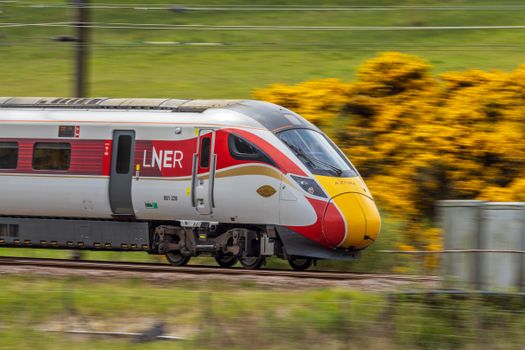
Operating 100% electric Class 803 trains between London King’s Cross and Edinburgh Waverley, Lumo offers a single-class, low-cost experience designed to beat both British Airways fares and driving times. The journey takes roughly 4 hours and 20 minutes, sweeping up the rugged coast of Northumberland with views of Holy Island and Bamburgh Castle.
``` CARBON FOOTPRINT COMPARISON (LONDON TO EDINBURGH) ┌──────────────────────┬────────────────────────────────────────┐ │ Flight (BA/EasyJet) │ 138.4 kg CO2e per passenger │ │ Lumo Electric Train │ 4.8 kg CO2e per passenger │ └──────────────────────┴────────────────────────────────────────┘ ```
- Pro-Tip: Sit on the RIGHT side of the train when heading north from London to Edinburgh (or the LEFT side heading south) for unhindered cliffside ocean views as you pass through Berwick-upon-Tweed.
- Luggage Warning: Lumo strictly enforces its luggage policy (one medium suitcase and one small personal item per person) due to limited overhead space. Don't bring oversized trunks!
---
6. Milan to Zurich: Crossing the Alps via the Gotthard Base Tunnel
Flying between Milan Malpensa and Zurich Airport used to be the default for business travelers and tourists looking to skip the treacherous mountain passes. However, with the optimization of the Gotthard Base Tunnel—the world’s longest rail tunnel at 57 kilometers (35 miles)—SBB’s ultra-modern Giruno trains now glide under the Swiss Alps at 250 km/h.
Connecting Milan Centrale to Zurich Hauptbahnhof in under 3 hours and 15 minutes, this international line swaps turboprop engine noise for panoramic views of Lake Como, snow-capped alpine peaks, and postcard-perfect Swiss villages.
- Pro-Tip: Book the EuroCity service operated by SBB's Giruno trainset. It features low-floor step-free access, special quiet zones, family coaches with play space, and a dining car serving authentic Swiss fondue and Lombardian wines.
- Border Crossing Realities: Although both Switzerland and Italy are within the Schengen Zone, random customs checks still occur onboard. Keep your passport readily accessible in your day pack rather than in the overhead rack.
---
Quick Logistics & Fare Matrix
To help you plan your journey, here is a breakdown of costs, transit times, and optimal booking windows for these world-class emergent routes:
| Route | Main Operators | Average Duration | Typical Fare Range ($ USD) | Ideal Booking Window | | :--- | :--- | :--- | :--- | :--- | | Paris ➔ Bordeaux | SNCF TGV InOui / Ouigo | 2h 04m | $19 – $95 | 60–90 Days Prior | | Madrid ➔ Barcelona | Iryo / Ouigo / Renfe AVE | 2h 30m | $10 – $80 | 30–60 Days Prior | | Berlin ➔ Paris | ÖBB Nightjet | 10h 06m (Overnight) | $38 (Pod) – $180 (Sleeper) | 90–120 Days Prior | | Miami ➔ Orlando | Brightline | 3h 30m | $79 – $149 | 14–30 Days Prior | | London ➔ Edinburgh| Lumo / LNER | 4h 20m | $25 – $85 | 60–90 Days Prior | | Milan ➔ Zurich | SBB EuroCity Giruno | 3h 17m | $32 – $110 | 30–60 Days Prior |
---
Insider Packing & Rail Travel Hacks
Traveling by high-speed train is far more relaxed than flying, but it requires a slightly different tactical approach to maximize comfort:
1. The Cable Management Rule
While modern high-speed trains have power outlets at almost every seat, older back-up carriages occasionally placed in service might only feature one shared outlet per row. Carry a power bank with pass-through charging so you can juice up multiple devices simultaneously without fighting your seatmate.
2. The Station Luggage Trap
Unlike airports where you check bags early, you must handle your own gear onto high-speed trains. Opt for hard-shell rolling luggage that fits standard rack width limits (28 inches max). If you are carrying larger gear, aim to board as early as possible—overhead shelves fill up within 5 minutes of platform announcements.
3. Track Platform Drops
In European stations like Paris Gare de Lyon or London King's Cross, the exact platform number is often only revealed 15 to 20 minutes before departure. Download the native rail apps (SNCF Connect, Trainline, or DB Navigator) to get real-time push notifications of track assignments before they hit the main station departures board.
---
The Verdict: Frictionless Travel Is Back
The era of hopping on a flight for a 200-mile trip is rapidly closing—and good riddance. High-speed and sleeper rail networks aren't just an eco-conscious alternative; they are objectively superior in speed, comfort, and sanity.
The next time you plan an itinerary across Europe or North America, skip the airport shuttle, bypass the security lines, and claim your seat by the window. The future of travel is on the tracks.
---
More pictures


Tags
Share this guide
We may earn a commission if you click a link and buy a product or service, at no extra cost to you. How affiliate links work.
Been there?