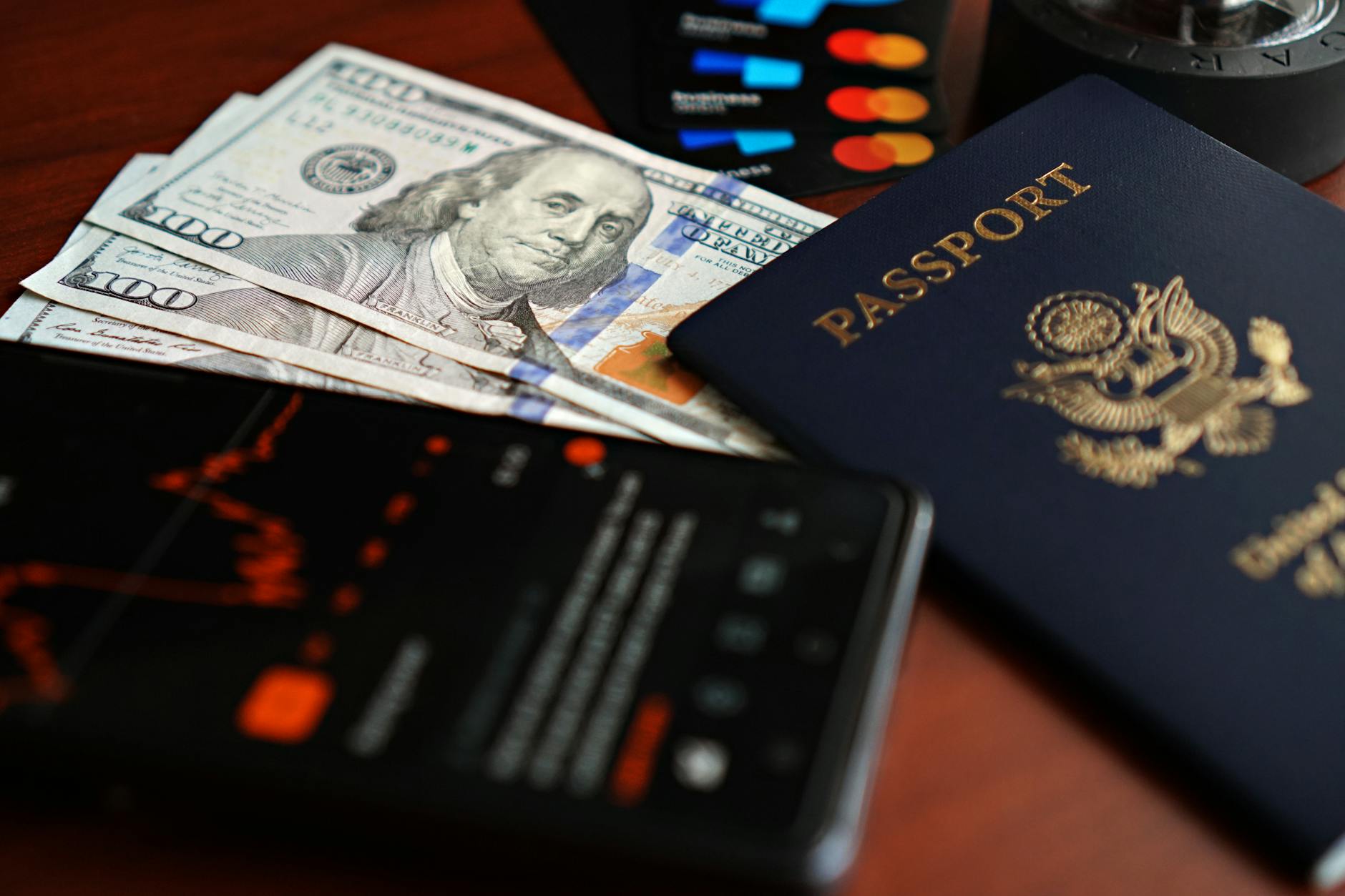
Want your travel budget to flex double its muscular weight this late summer? We analyzed global macroeconomic shifts, central bank interest rate trajectories, and purchasing power parity (PPP) indices projected for August 2026. Here are the 6 ultimate destinations where favorable exchange rates make high-end dining, boutique stays, and bucket-list experiences strikingly affordable. ---
The Currency Playbook: How Late Summer 2026 Belongs to the FX-Savvy Traveler
I stepped into a sun-splashed alleyway in Buenos Aires, the smoky scent of slow-roasting ojo de bife floating off open-fire charcoal grates, mixed with crushed oak leaves and espresso steam. My phone buzzed with a real-time exchange rate notification. I cleared my check for a multi-course meal, featuring dry-aged beef, a bottle of reserve Malbec, and handmade dulce de leche alfajores, for less than the cost of two iced lattes back home in New York.
That instant reveals the magic of currency arbitrage.
Traveling well isn't just about finding cheap flights; it’s about reading global economic shifts. As we step into August 2026, fluctuating central bank yields, adjusted inflation cycles, and localized economic resets have created rare value windows in key travel hotspots. If you know where to deploy your travel funds, you can unlock five-star boutique stays, Michelin-recognized dining, and private guided tours for the price of a mid-tier suburban getaway.
Here is your definitive, data-backed roadmap to the destinations delivering maximum purchasing power in August 2026.
---
1. Tokyo & The Japanese Alps: The Unbeatable Yen Advantage
``` +-----------------------------------------------------------------------------------+ | QUICK FACTS: JAPAN | +-----------------------------------------------------------------------------------+ | Estimated Daily Budget: $80 – $140 USD (Luxury on a mid-range budget) | | August FX Advantage: Moderate Yen stabilization yields extreme PPP value | | Best Time to Visit: Late August for mountain escapes; early morning for cities | | Transit Access: JR Tokaido Shinkansen, Tokyo Metro Pasmo/Suica digital cards | +-----------------------------------------------------------------------------------+ ```
Despite minor monetary policy shifts by the Bank of Japan, the Japanese Yen remains positioned at historically attractive levels for foreign cardholders throughout mid-2026. What was once considered one of the world's most expensive nations is now an astonishing haven for mid-budget luxury.
Why the Value Works for You
The real secret in Japan isn't just cheap street food; it’s high-end purchasing power parity. While mid-grade hotels in Europe charge astronomical peak-season rates in August, Tokyo's polished four-star properties in neighborhoods like Shinjuku and Ginza offer rates lower than basic airport hotels in North America.
The Insider Experience
Skip the queue at the main entrance of Tsukiji Outer Market. Walk past the primary corridors toward the back eastern alley near Namiyoke Shrine. Look for a tiny, unmarked doorway with a plain cedar wood sign (Sugita). Here, you’ll taste hand-sliced otoro (fatty tuna) seared over micro-charcoal for a fraction of standard international omakase pricing.
- Pro-Tip: Tap into local convenience store (konbini) culture for gourmet breakfast runs, but reserve your yen for lunch teishoku (set meals) at high-end dining rooms in Nihonbashi, where multi-course feasts drop to half their dinner pricing.
- August Hack: Beat the summer humidity by taking the Hokuriku Shinkansen directly into Nagano and Karuizawa. The mountain air drops ten degrees, and boutique alpine ryokans (traditional inns) offer deep-season pricing adjustments.
---
2. Buenos Aires & Patagonia, Argentina: The Sovereign Arbitrage Capital
``` +-----------------------------------------------------------------------------------+ | QUICK FACTS: ARGENTINA | +-----------------------------------------------------------------------------------+ | Estimated Daily Budget: $50 – $95 USD (High-end dining & boutique stays) | | August FX Advantage: Favorable official rate alignments vs. hard currencies | | Best Time to Visit: August (Late winter with crisp skies and lower crowd counts) | | Transit Access: Subte subway system, Cabify, regional Aerolíneas Argentinas flights| +-----------------------------------------------------------------------------------+ ```
Argentina remains a premier destination for strategic global currency plays. Foreign credit card processing regulations allow international travelers to access competitive, near-parallel market exchange rates (MEP rate mechanics) directly when paying with visa or mastercard networks, removing the burden of carrying physical cash stacks.
What Your Money Buys
August marks late winter in the Southern Hemisphere, bringing crisp, clear days perfect for exploring Buenos Aires’ classic French-influenced architecture in Recoleta, or cozying up by a stone fireplace in Patagonia with a glass of rich Cabernet Franc.
``` BUENOS AIRES PURCHASING POWER COMPARISON (USD VALUATION) ------------------------------------------------------------------------ [New York City] ████████████████████ ($220 - High-End Dinner for Two) [London] █████████████████ ($180 - High-End Dinner for Two) [Buenos Aires] █████ ($55 - High-End Dinner for Two) ------------------------------------------------------------------------ ```
The Local Detail
Head to Palermo Soho, but pass over the heavily hyped steakhouse lines. Seek out Don Julio’s lesser-known neighborhood sibling or visit El Preferido de Palermo right as they open at 7:00 PM. Order the charcoal-grilled sweetbreads (mollejas) seasoned with fresh lemon and coarse sea salt, paired with a full-bodied Mendoza red. The entire experience will cost less than a quick-service meal in Western Europe.
- Pro-Tip: Always settle card transactions in local currency (ARS) at the terminal—never select option conversion (DCC) into your home currency, allowing your bank to execute the favorable MEP settlement rate automatically.
---
3. Cape Town & The Winelands, South Africa: Safari Luxury Within Reach
``` +-----------------------------------------------------------------------------------+ | QUICK FACTS: SOUTH AFRICA | +-----------------------------------------------------------------------------------+ | Estimated Daily Budget: $75 – $130 USD (Covers fine dining & scenic wine tours) | | August FX Advantage: South African Rand (ZAR) yields high purchasing leverage | | Best Time to Visit: August (Whale-watching season along the coast; ideal safari) | | Transit Access: Private Uber rides (extremely affordable), rental cars for coast | +-----------------------------------------------------------------------------------+ ```
The South African Rand (ZAR) consistently offers immense purchasing power for travelers holding USD, EUR, or GBP. August serves as secret shoulder-season gold: it's prime whale-watching weather in Hermanus and a dry-season window for malaria-free game viewing in the Eastern Cape, all while lodging rates hit low-season floors.
The Financial Advantage
Cape Town’s food and wine scene is globally competitive, yet its pricing remains surprisingly accessible. You can sit along the waterfront at Camps Bay, staring up at the granite cliffs of the Twelve Apostles, enjoying cold-water oysters and Franschhoek Cap Classique sparkling wine for a minimal outlay.
Tactical Itinerary Moves
Drive an hour inland from Cape Town to the historic wine valleys of Stellenbosch and Franschhoek.
- Secret Entrance Hack: Skip the main visitor center at the historic Babylonstoren estate. Walk around to the quiet western pedestrian gate along the oak tree alley at precisely 8:30 AM. You’ll enter the pristine 8-acre heirloom garden before tourist buses arrive, catching the early morning sunlight hitting the orange groves.
- Pro-Tip: Book high-end safari lodges in the Greater Kruger or Sabi Sands region six to eight weeks in advance for August. Operators clear late winter inventory with aggressive discount structures priced in Rand.
---
4. Budapest, Hungary: Europe’s High-Value Thermal Oasis
``` +-----------------------------------------------------------------------------------+ | QUICK FACTS: HUNGARY | +-----------------------------------------------------------------------------------+ | Estimated Daily Budget: $60 – $110 USD | | August FX Advantage: Forint (HUF) offers high value vs. Eurozone neighbors | | Best Time to Visit: Late August (Sziget Festival energy or quiet bath mornings) | | Transit Access: BKK Metro System, iconic Tram Line 2 along the Danube River | +-----------------------------------------------------------------------------------+ ```
While Western European capitals see steep midsummer price surges, Hungary’s local currency—the Hungarian Forint (HUF)—keeps Budapest one of the continent's sharpest value plays. You enjoy full access to Central European elegance, grand Secessionist architecture, and rich thermal spa culture without Eurozone price inflation.
Sensory Deep Dive
Picture sinking into a warm, mineral-rich thermal pool built under a 16th-century Ottoman dome while light filters through colored glass lanterns. The air smells of sweet steam, pine oils, and rich coffee brewing from a nearby historic café.
``` BUDAPEST: VALUE MATRIX FOR AUGUST 2026 ------------------------------------------------------------------------ Item Est. Cost (HUF) Est. Cost (USD) ------------------------------------------------------------------------ Thermal Bath All-Day Pass 10,500 HUF ~$28.00 Gourmet Paprikash Dinner 6,800 HUF ~$18.00 Boutique Hotel (Per Night) 42,000 HUF ~$112.00 Historic Tram Ride (Single) 450 HUF ~$1.20 ------------------------------------------------------------------------ ```
The Insider Strategy
Avoid the massive midday queues at Széchenyi or Gellért Baths. Instead, head to Veli Bej Bath, a hidden 16th-century Turkish bath facility managed by the Hospital Order of Saint John of God.
- Timing: Arrive right at the afternoon opening window (3:00 PM). It limits capacity to maintain quiet atmosphere, and entry costs a fraction of the heavily marketed commercial springs.
- Pro-Tip: Purchase an unlimited BKK transit pass. Take Tram Line 2 at sunset for a golden-hour journey past the glowing Hungarian Parliament Building along the Danube bank.
---
5. Hanoi & The Northern Highlands, Vietnam: Deep Purchasing Power
``` +-----------------------------------------------------------------------------------+ | QUICK FACTS: VIETNAM | +-----------------------------------------------------------------------------------+ | Estimated Daily Budget: $35 – $70 USD (Includes high-end boutique stays) | | August FX Advantage: Vietnamese Dong (VND) provides exceptional travel value | | Best Time to Visit: Late August (Transition to early autumn, lush rice terraces) | | Transit Access: Grab App (cars/scooters), private limousine buses to Sapa/Ninh Binh| +-----------------------------------------------------------------------------------+ ```
For sheer everyday purchasing power, Vietnam remains unmatched. The Vietnamese Dong (VND) offers incredible stability alongside deep international purchasing advantages. In August, while coastal beach resorts draw local crowds, the northern highlands surrounding Sapa and Mu Cang Chai offer emerald-green rice terraces ready for harvest at accessible daily rates.
Beyond the Scenery
Vietnam lets you indulge in low-cost, high-tier experiences. Heritage French-colonial boutique hotels in Hanoi's French Quarter deliver five-star service at rates comparable to standard express chain hotels in Western markets.
Local Insights
Skip the overcrowded tourist stalls near Dong Xuan Market. Walk down the narrow lane of P. Hàng Chỉ in the Old Quarter to an unmarked street stall featuring simple low plastic stools. Order a steaming bowl of Bun Cha—smoky grilled pork patties immersed in fish sauce broth, paired with fresh herbs and rice noodles.
- The Secret Detail: Dip garlic-infused rice vinegar into your bowl and request extra pickled green papaya (đủ đủ muối). The meal costs under $3 USD and rival Michelin-rated dining.
- Pro-Tip: Use the local Grab ride-hailing app set to cash or linked local-fee card payments to prevent street taxi price markups.
---
6. Istanbul, Turkey: The Mid-Tier Luxury Arbitrage
``` +-----------------------------------------------------------------------------------+ | QUICK FACTS: TURKEY | +-----------------------------------------------------------------------------------+ | Estimated Daily Budget: $65 – $120 USD | | August FX Advantage: Dynamic foreign FX value offsets local price adjustments | | Best Time to Visit: Early morning or late evening Bosphorus excursions | | Transit Access: Istanbulkart (trams, ferries, metros), BiTaksi app | +-----------------------------------------------------------------------------------+ ```
Turkey presents a unique scenario for FX-focused travelers: while domestic inflation exists, foreign currencies holding dynamic conversion advantages yield incredible opportunities in fine dining, leathercraft, and luxury stays.
Navigating the Landscape
The secret to maximizing value in Istanbul is avoiding standard tourist-trap pricing along the historic Sultanahmet loop, focusing instead on modern neighborhoods like Karaköy, Moda (Asian Side), and Nişantaşı.
``` ISTANBUL SPENDING POWER METRIC • Local Artisanal Goods & Leather: High Arbitrage Value (★ ★ ★ ★ ★) • Bosphorus Private Boat Charters: Moderate Arbitrage Value (★ ★ ★ ★ ☆) • Import Luxury Brands: Low Value / Parity (★ ★ ☆ ☆ ☆) ```
The Insider Play
Instead of paying high prices for commercial Bosphorus dinner cruises with canned performances, head to the public ferry terminal in Karaköy at 6:15 PM. Board the public ferry across to Kadıköy on the Asian side for less than $1.50 USD.
Sit on the upper open deck as sunset turns the domes of the Hagia Sophia and Blue Mosque into silhouetted gold. Once ashore in Kadıköy, stroll to Çiya Sofrası for rare regional Anatolian dishes flavored with sour cherries, sumac, and wild pistachio paste.
- Pro-Tip: Always buy high-ticket goods using credit cards processing dynamic bank settlement conversions, or carry crisp hard currency banknotes for direct vendor discounts.
---
Strategic FX Travel Blueprint: How to Lock In Rates
To maximize the benefits of these currency movements in August 2026, deploy these financial rules:
``` +-----------------------------------------------------------------------------------+ | THE 4 GOLDEN RULES OF TRAVEL FX ARBITRAGE | +-----------------------------------------------------------------------------------+ | 1. ALWAYS DECLINE DCC (Dynamic Currency Conversion) | | When tapping your card abroad, ALWAYS choose to be charged in LOCAL CURRENCY | | (e.g., JPY, ARS, HUF). Selecting your home currency triggers hidden 4-7% fees. | | | | 2. PACK ZERO-FOREIGN-TRANSACTION-FEE CARDS | | Ensure your primary credit and debit cards explicitly waive the standard 3% | | foreign conversion penalty. | | | | 3. MULTI-CURRENCY DIGITAL WALLETS | | Use fintech accounts like Wise or Revolut to hold and lock in favorable FX | | rates months before your trip when target exchange thresholds are hit. | | | | 4. LEVERAGE LOCAL CASH MECHANICS SAFELY | | Only use bank-attached ATMs located INSIDE secure bank branches to avoid | | independent terminal skimming and extreme ATM surcharge fees. | +-----------------------------------------------------------------------------------+ ```
The Ultimate Takeaway
Smart luxury travel isn't about spending more; it's about spending strategically. By aligning your August 2026 travel calendar with global FX trends, you can experience five-star accommodations, rich regional dining, and unforgettable bucket-list moments—all while stretching your travel budget further than ever before.
---
More pictures


Tags
Share this guide
We may earn a commission if you click a link and buy a product or service, at no extra cost to you. How affiliate links work.
Been there?