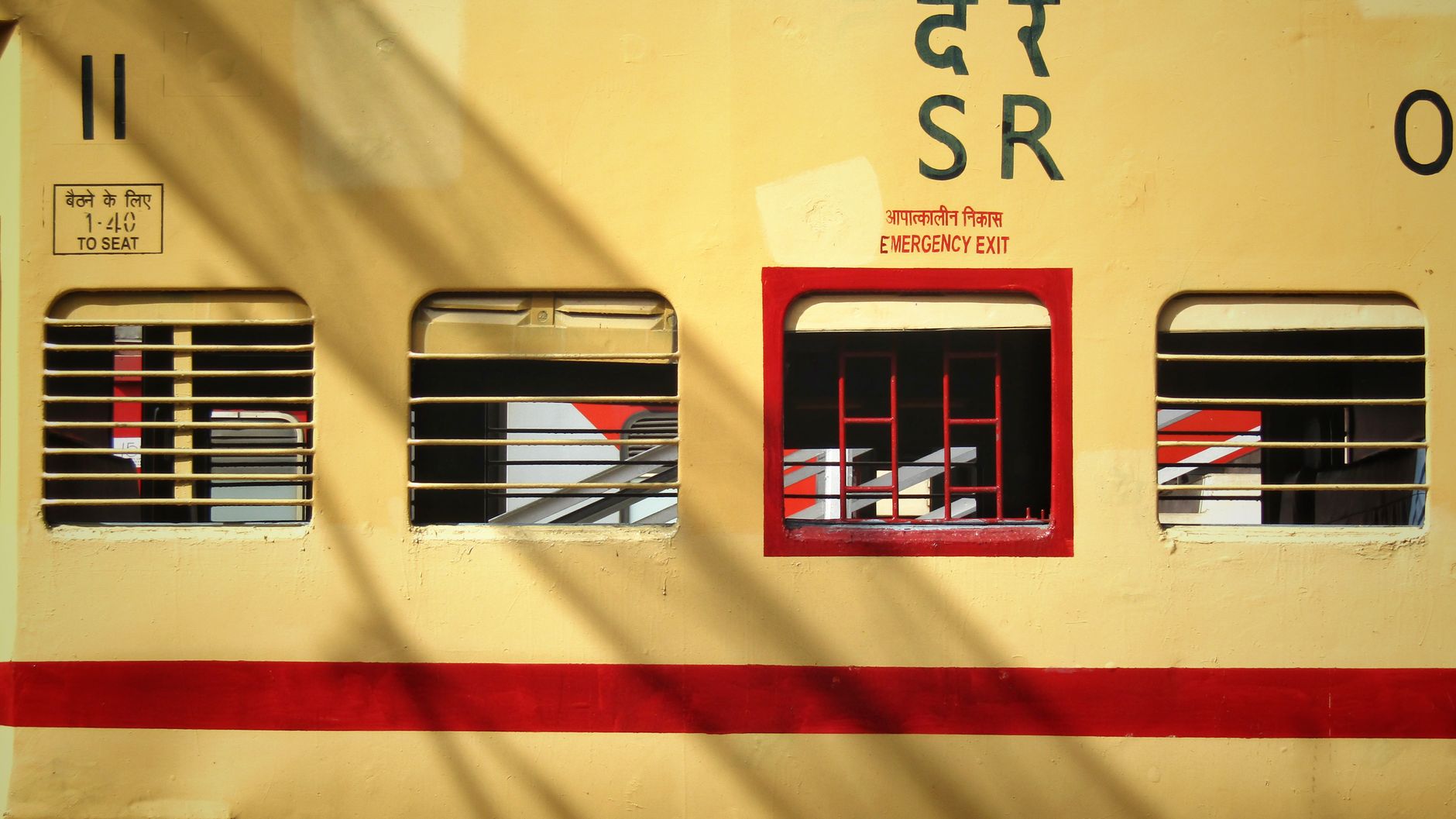
TL;DR: Game-changing mega-projects—from high-speed jungle railways to sky-high Himalayan bridges—are opening previously untouchable corners of the world. Here are five newly accessible regions offering untamed landscapes, vibrant cultures, and low-crowd frontiers without the grueling multiday transit times. ---
The Dawn of the Frictionless Frontier
I stepped off the sleek, whisper-quiet train carriage at 6:15 AM into a wall of humid, orchid-scented air. Ten years ago, reaching this spot deep in the Campeche rainforest meant enduring a twelve-hour, spine-jarring minibus ride over asphalt potholed like a crater field, dodging tire-popping debris while praying the radiator wouldn't blow. Today? I smoothed down my linen jacket, took a slow sip of dark roast coffee spiced with cinnamon and orange peel, and listened to howler monkeys roaring in the canopy above a station that looked like a temple carved from polished concrete and limestone.
We are entering a golden age of travel infrastructure. Regions that once required expedition-level logistics, satellite phones, and iron stomachs are opening up to smart, curious travelers. Massive engineering feats—jaw-dropping rail viaducts bridging mountain chasms, deep-sea electric express catamarans, and strategic remote airports—are quietly erasing geography's harshest barriers.
If you are tired of overcrowded hotspots and eager to touch pristine cultural and natural landscapes before the rest of the world catches on, these five newly accessible regions belong at the very top of your list.
---
1. The Deep Maya Biosphere: Calakmul & The Southern Lowlands (Mexico)
``` [ Tren Maya Transit Corridor ] Merida ──> Campeche ──> Xpujil (Calakmul) ──> Chetumal │ └──> Deep Jungle Biosphere ```
For decades, the ancient Maya superpower of Calakmul lay hidden within 1.8 million acres of protected rainforest, guarded by a brutal road trip from Campeche or Chetumal. Unless you hired an expensive private driver or braved third-class red-eye buses, seeing its soaring, moss-draped pyramids was out of reach for standard itineraries.
The Infrastructure Game-Changer
The full operation of the Tren Maya (Maya Train) network, particularly Section 7 cutting through the heart of the Yucatán interior, completely resets the logistics. High-speed, diesel-electric trains now zip between coastal hubs and previously isolated interior ejidos at speeds up to 160 km/h.
What You Couldn't See Before—And Can Now
You can now arrive at the newly built Xpujil station before mid-morning and stand atop Structure II—one of the tallest Maya pyramids ever built—by noon. From this 180-foot limestone vantage point, you gaze out across a sea of green jungle extending past the Guatemalan border, broken only by the crowns of ancient temples piercing the mist.
Unlike Chichén Itzá or Tulum, there are no hawkers, no selfie sticks, and no velvet ropes. You hear only the guttural echoes of jaguar-friendly forest, the flash of keel-billed toucans, and the crunch of ancient gravel under your boots.
- Pro-Tip: Book the 06:00 train from Campeche to Xpujil. Arrange a local ejidatario guide directly through the station tourism desk to access the lesser-known archaeological site of Balamku, home to an intact 1,400-year-old stucco frieze depicting Maya kings descending into the underworld.
- What to Eat: Stop by Fonda La Selva near the Xpujil square for poc chuc—tender pork marinaded in sour orange juice, char-grilled over bitter-wood charcoal, served with smoked habanero salsa and handmade blue-corn tortillas.
---
2. The High Valleys of Kashmir: Upper Chenab & Baramulla (India)
``` [ The Sky Rail Route ] Jammu ──> Chenab Mega-Bridge ──> Banihal ──> Srinagar ```
Kashmir's inner sanctuaries have long been isolated by treacherous mountain passes. The legendary Jammu-Srinagar national highway (NH44) was notoriously plagued by winter blizzards, mudslides, and multi-day traffic jams inside choked mountain bypasses.
The Infrastructure Game-Changer
The completion of the USBRL (Jammu-Udhampur-Srinagar-Baramulla Railway Link) project—featuring the mind-bending Chenab Bridge, the world’s highest railway arch bridge standing 359 meters above the river bed (taller than the Eiffel Tower)—finally links the Kashmir Valley to India’s core rail grid. Modern, climate-controlled Vande Bharat express trains now sweep across mountain gorges in hours instead of days.
What You Couldn't See Before—And Can Now
The isolated hamlets of the Upper Chenab Valley, framed by dramatic snow-capped peaks, alpine lakes, and ancient pine forests, are now open for soft-adventure exploration.
Explore Baramulla and the surrounding untamed meadows of Bangus Valley, where nomadic Gujjar shepherds tend flocks against backdrop peaks that rival the Swiss Alps. The region’s artisan heritage—intricate walnut-wood carving, hand-knotted silk carpets, and pure pashmina weaving—can now be experienced directly in rural mountain workshops far removed from suburban tourist shops.
- Pro-Tip: Secure a seat on the right-hand side of the northbound carriage departing Jammu. As the train clears the main tunnel onto the Chenab Arch, you get an unprecedented, vertigo-inducing perspective of the river below.
- What to Drink: Sip authentic Kahwa—green tea brewed with saffron strands, crushed cardamom, cinnamon bark, and slivered almonds, poured steaming hot from a traditional hand-engraved copper samovar.
---
3. The Northern Cloud Forests: Chachapoyas & Kuelap (Peru)
``` [ Northern Peru Sky Corridor ] Jaén Airport ──> Utcubamba River Valley ──> Teleférico Cable Car ──> Kuélap Citadel ```
While tourists crowd the overcrowded paths of Machu Picchu, the northern cloud forests of Peru hold an equally mesmerizing ancient fortress: Kuélap, built by the enigmatic "Cloud Warriors" (Chachapoyas). Situated high atop a limestone ridge at 3,000 meters, reaching this massive walled city once required an arduous, multi-day trekking route or a stomach-churning drive along narrow, single-lane dirt cliffs.
The Infrastructure Game-Changer
A multi-stage infrastructure overhaul—including expanded regional flight routes into Jaén, paved highways along the Utcubamba River corridor, and the Kuélap Cable Car System (Teleférico de Kuélap)—has cut transit time down to a smooth 20-minute aerial glide over deep river canyons. Modernized structural repairs to the fortress walls have fully reopened visitor circuits previously closed by landslides.
What You Couldn't See Before—And Can Now
You ascend through swathes of subtropical mist and wild orchids, floating above deep valleys until the gigantic stone fortress of Kuélap materializes before you. Its outer walls soar up to 60 feet high, enclosing over 400 circular stone dwellings decorated with geometric zig-zag friezes.
Nearby, you can now seamlessly access Gocta Waterfall—one of the world's tallest free-falling cataracts—via freshly paved eco-trails and local electric shuttles.
``` [ Kuélap Citadel Feature ] ┌─────────────────────────────────────────┐ │ Wall Height: Up to 20 meters (60 ft) │ │ Architecture: Circular Stone Dwellings │ │ Altitude: 3,000 meters above sea level │ └─────────────────────────────────────────┘ ```
- Pro-Tip: Arrive at the cable car boarding station in Nuevo Tingo by 08:00 AM. You will beat the afternoon mist and catch the morning sunlight breaking over the cliff edge, revealing hidden sarcophagi carved into the rock face at nearby Karajía.
- What to Eat: Try Tucha Frita (locally farmed mountain trout) pan-seared with fresh sacha culantro (wild jungle coriander), paired with boiled golden yucca and a glass of chilled, fermented purple corn chicha morada.
---
4. The Remote Arctic Fjords: The Helgeland Archipelago (Norway)
``` [ Green Arctic Hydrofoil Line ] Bodø ──> Ørnes ──> Nesna ──> Træna (Outer Edge Archipelago) ```
Norway’s Helgeland Coast, situated just below the Arctic Circle, is widely considered one of Europe's most visually dramatic coastlines, featuring thousands of jagged granite islands rising straight out of turquoise Arctic waters. Yet, navigating between these remote fishing outposts traditionally required navigating complex, weather-delayed regional diesel ferries with sparse schedules.
The Infrastructure Game-Changer
The launch of Nordland’s zero-emission electric hydrofoil fleet alongside modern express ferry corridors and upgraded regional airfields (including expansions near Mo i Rana) has dramatically simplified island-hopping. Travelers can now zip smoothly across open ocean stretches powered by quiet, clean electricity.
What You Couldn't See Before—And Can Now
You can easily venture far offshore to isolated islands like Træna—one of Norway’s oldest fishing communities, defined by dramatic mountain peaks jutting directly out of the ocean.
Explore prehistoric ocean caves such as Kirkhelleren, hike up the granite horns of Lovund to watch tens of thousands of nesting Atlantic puffins return at sunset, or kayak through crystalline channels where the water is so clear you can see red sea stars resting on white sand 30 feet below.
- Pro-Tip: Purchase a 7-day Travel Pass Nordland. It gives you unlimited access to express boats and regional buses across the entire Helgeland region for a fraction of single-ticket prices.
- What to Eat: Freshly landed Arctic cod liver and roe (Mølje) during late winter, or warm, buttered Møsbrømlefse—a traditional Northern Norwegian flatbread filled with melted brown goat's cheese, sour cream, and syrup.
---
5. The Nam Ha Wilderness: Luang Namtha (Laos)
``` [ Lao-China High-Speed Rail ] Vientiane ──> Vang Vieng ──> Luang Prabang ──> Luang Namtha ```
Northern Laos harbors some of mainland Southeast Asia's densest primary rainforests and most diverse ethnic hill tribes. Until recently, reaching Luang Namtha—the gateway to the bio-diverse Nam Ha National Protected Area—meant enduring a brutal 16-hour bus journey along dusty, winding mountain roads from Luang Prabang.
The Infrastructure Game-Changer
The full integration of the Lao-China Railway (LCR), combined with streamlined digital ticketing and enhanced border-transit stations, has compressed a full day of painful overland travel into a smooth, three-hour high-speed rail journey through mountain tunnels and over elevated valley viaducts.
What You Couldn't See Before—And Can Now
Independent travelers can effortlessly access deep-jungle trekking routes that lead directly to remote ethnic Akha, Khmu, and Lantan villages.
Instead of spending half your trip recovering from motion sickness, you can spend your days rafting down the Nam Tha River, sleeping in eco-lodges constructed entirely from bamboo, and learning traditional jungle survival skills—like foraging for wild rattan shoots and cooking sticky rice inside fresh bamboo joints over an open campfire.
``` [ Lao-China Rail Impact ] OLD WAY: Bus | 16 Hours | Dusty, rough roads NEW WAY: Train | 3 Hours | Smooth high-speed rail ```
- Pro-Tip: Download the official LCR Ticket App to secure First-Class seats exactly 3 days in advance (tickets sell out fast). Request a seat on the left side when heading north to enjoy unhindered views of mountain valleys and river gorges.
- What to Eat: Visit the Luang Namtha Night Market and ask for Khao Soi Tai—a clear pork broth noodle soup topped with a rich, smoky paste made from fermented soybeans, minced pork, garlic, and dried local chilies.
---
Comparative Logistics & Planning Guide
Planning a trip to newly accessible frontiers requires quick, clear comparisons. Use this high-level logistics breakdown to map out your upcoming travel season:
| Region | Primary Infrastructure Upgrade | Best Time to Visit | Estimated Daily Budget ($ USD) | Target Traveler Profile | | :--- | :--- | :--- | :--- | :--- | | Calakmul, Mexico | Tren Maya High-Speed Rail Link | Nov – April | $70 – $150 | Jungle trekkers, Maya archaeology buffs | | Kashmir Valleys, India | Chenab Arch Rail Bridge & USBRL | Mar – Oct | $50 – $120 | Soft-adventure seekers, mountain lovers | | Chachapoyas, Peru | Teleférico Cable Car & Road Upgrades | May – Oct | $60 – $140 | History enthusiasts, cloud forest hikers | | Helgeland, Norway | Zero-Emission Express Hydrofoils | June – Sept | $160 – $300 | Island hoppers, kayakers, Arctic explorers | | Luang Namtha, Laos | Lao-China High-Speed Railway | Oct – March | $30 – $80 | Eco-tourists, cultural trekkers, foodies |
---
The Golden Rule of Modern Frontier Travel
Infrastructure developments bring speed, convenience, and comfort, but they also bring change. When visiting newly accessible regions, your goal should always be to leave a positive footprint.
Seek out local, community-owned businesses, hire hyper-local guides who know the terrain, and respect cultural nuances. By being among the first to travel these transformed routes thoughtfully, you don't just see history—you help support the local communities who call these newly connected places home.
---
More pictures


Tags
Share this guide
We may earn a commission if you click a link and buy a product or service, at no extra cost to you. How affiliate links work.
Been there?