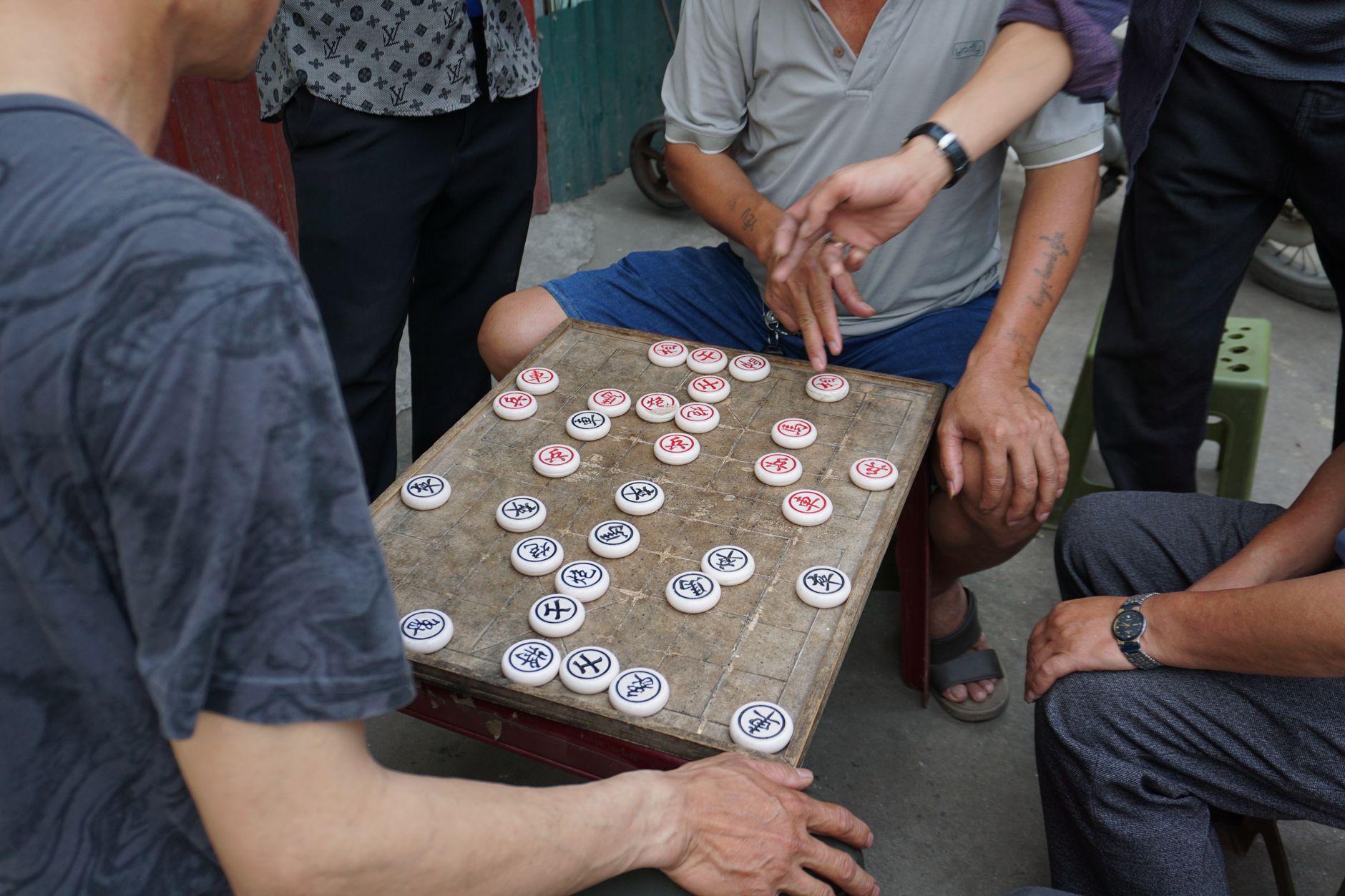
Tired of the same old tourist traps? Imagine swapping selfies for genuine laughter and connecting with locals over age-old games experiencing a vibrant resurgence. This isn't just travel; it's an invitation to play, learn, and create unforgettable memories, one traditional game at a time.
Beyond the Postcard: Why Playing Traditional Games Is Your Next Travel Obsession
I still remember the dusty, sun-drenched square in Marrakech. The scent of mint tea and spices hung heavy in the air, mingling with the rhythmic calls of vendors. I was trying to navigate the bustling Djemaa el-Fna, camera in hand, when I saw it: a circle of men, young and old, crouched intently around a worn wooden board, their faces a mix of concentration and mirth. They were playing something I’d never seen before, a game of strategy and quiet intensity.
Curiosity, as it often does, nudged me forward. I hovered, trying to decipher the rules, until a kind-faced elder, noticing my interest, gestured for me to sit. With broken French and even more broken Arabic, he began to explain Seega, a North African board game, using pebbles and carved lines in the dirt. I was terrible, of course, but the laughter, the shared focus, and the simple act of learning transformed that afternoon from a mere observation into a profound connection. It wasn't just a game; it was a doorway into their world, a shared language that transcended words.
That day, I learned a crucial travel lesson: the most profound experiences often lie off the beaten path, not just geographically, but experientially. And right now, one of the most exciting trends in authentic travel isn't a new destination or a fancy resort, but a rediscovery of something ancient: traditional games. Locals, from bustling city centers to quiet village squares, are embracing their heritage through play, and they are incredibly eager to share these joyful traditions with curious travelers. Forget just seeing a culture; it's time to play it.
Why Play? The Untapped Power of Local Games (And Why They're Trending!)
In an increasingly digital world, there's a beautiful, almost defiant resurgence of analog connections. People are craving genuine interaction, community, and the simple joy of shared activity. This cultural shift isn't just happening in your local board game café; it's vibrant across the globe, bringing traditional games back into the spotlight.
1. Unlocking Authentic Cultural Immersion: Forget sterile museum exhibits. When you play a local game, you're not just observing culture; you're participating in it. You learn about local customs, strategies, and even the nuances of social interaction. It's a living, breathing history lesson.
2. Breaking Down Language Barriers: Laughter and shared focus are universal languages. Even if you don't speak a word of the local tongue, the act of playing together creates an immediate bond. Gestures, smiles, and the universal language of competition (friendly, of course!) bridge any communication gaps.
3. Connecting with Locals, Genuinely: This isn't a transactional interaction; it's an invitation into their daily life. Locals often take immense pride in their traditional games and are genuinely delighted when a foreigner shows interest. These are the moments that transform a good trip into an unforgettable one.
4. It's Free (or Nearly Free) Fun: Forget expensive tours or elaborate excursions. Many traditional games require minimal equipment – a few stones, a stick, a drawn board in the sand. It’s a budget-friendly way to spend an afternoon and create priceless memories.
5. Mental & Physical Engagement: From strategic board games that sharpen your mind to energetic street games that get your heart pumping, these activities offer a refreshing break from passive sightseeing. They challenge you, engage you, and make you feel alive.
The "trending" aspect isn't just a buzzword here. Many communities are actively reviving these games, organizing tournaments, and teaching younger generations. Travelers are increasingly seeking these hands-on, interactive experiences, moving away from purely observational tourism. This creates a beautiful synergy: locals are keen to share, and travelers are keen to learn. It’s a win-win for cultural exchange!
Game On! Trending Traditional Games Around the Globe
Ready to dive in? Here are some of the most engaging traditional games you can learn from locals right now, complete with tips on where to find them and what to expect.
1. Carrom (India & South Asia): The Tabletop Chess of the Streets
What it is: Often called "finger billiards" or "Indian pool," Carrom is a strike-and-pocket tabletop game played with a striker disc and smaller carrom men (discs). The objective is to pocket all your carrom men before your opponent, often with a "queen" disc adding strategic complexity. It requires precision, geometry, and a steady hand.
Why it's trending: Carrom has always been a staple in South Asian households and community centers, but its popularity is surging globally, with online versions and international tournaments bringing it to new audiences. Locals cherish its blend of casual fun and strategic depth.
Where to find it & how to join:
- India: Look for Carrom boards in chai stalls, local cafes, community parks, and even roadside vendors in cities like Delhi, Mumbai, or Kolkata.
- Nepal, Bangladesh, Sri Lanka: Similar settings apply.
- Your experience: I once spent an entire afternoon in a small guesthouse courtyard in Udaipur, learning from a group of local students. They patiently explained the rules, showed me different "breaks," and celebrated my rare successful shots with genuine enthusiasm. Expect friendly competition, lots of chatter, and the occasional "thwack" of a well-struck striker.
- Cost: Usually free to join if you find a group playing. Offering to buy a round of chai (tea) is a kind gesture.
- Instagram-worthy: Capture the intense focus on players' faces, the colorful carrom men, and the lively atmosphere of a street-side game.
2. Da Cau / Sepak Takraw (Vietnam & Southeast Asia): The Art of Foot-Volleyball
What it is: Imagine badminton, but instead of rackets, players use their feet, knees, chest, and head to propel a woven rattan ball over a net. Da Cau (in Vietnam) or Sepak Takraw (across Southeast Asia) is an incredibly acrobatic and visually stunning sport that demands agility, precision, and teamwork.
Why it's trending: This ancient game is experiencing a massive revival, especially among youth, as a fun way to stay active and connect. Many communities organize informal daily matches, attracting crowds and participants.
Where to find it & how to join:
- Vietnam: Look for groups playing in public parks (especially in the early mornings or late afternoons) in cities like Hanoi (around Hoan Kiem Lake) or Ho Chi Minh City.
- Thailand, Malaysia, Indonesia: Similar scenes in parks, beaches, and open spaces.
- Your experience: In a park in Hoi An, I watched in awe as a circle of men effortlessly kept the shuttlecock aloft with incredible bicycle kicks and head shots. When one of the players invited me to join, my attempts were clumsy at best, but their encouraging smiles and laughter made it a joyous, albeit sweaty, experience. Don’t expect to be good immediately, but embrace the fun of trying!
- Cost: Free. The shuttlecock (cầu) is often handmade or very inexpensive.
- Instagram-worthy: The sheer athleticism makes for incredible action shots. Focus on the mid-air kicks, the intricate weave of the shuttlecock, and the graceful movements of the players.
3. Tejo (Colombia): Explosions and Camaraderie
What it is: Tejo is Colombia's national sport, a unique and surprisingly addictive game involving throwing heavy metal discs (tejos) across a lane at a target (bocín) embedded in a clay pit. The goal is to make the tejo land inside the bocín, which is surrounded by small, gunpowder-filled triangles called mechas. A direct hit on a mecha results in a satisfying explosion ("mecha!") and extra points.
Why it's trending: Tejo is deeply ingrained in Colombian culture, a social activity often accompanied by local beer (pola) and good company. It's a fantastic way to experience authentic Colombian camaraderie and revelry.
Where to find it & how to join:
- Colombia: You'll find "tejodromes" (Tejo halls) in almost every town and city. Bogota has many popular spots like Club de Tejo La 76 or Canchas de Tejo La 8.
- Your experience: My first time playing Tejo in Bogotá was an absolute blast. The initial apprehension about the explosions quickly turned into pure excitement with every "mecha!" The locals were incredibly welcoming, patiently showing us how to throw and celebrating our (rare) successful hits louder than their own. It’s loud, it’s lively, and it's quintessentially Colombian.
- Cost: You typically pay for the lane rental by the hour (often around 10,000-20,000 COP, or $2.50-$5 USD) and for your drinks.
- Instagram-worthy: Capture the intense focus before a throw, the puff of smoke and flash of a "mecha!", and the celebratory cheers with cold beers in hand.
4. Mancala / Congklak (Africa & Southeast Asia): Ancient Strategy, Modern Connection
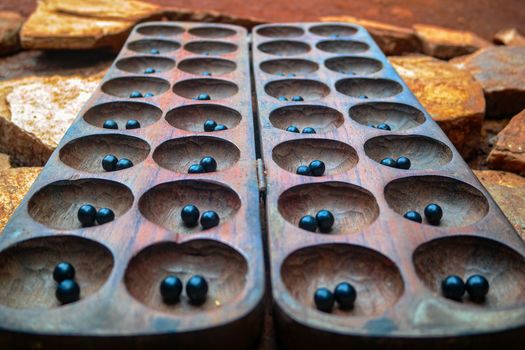
What it is: Mancala is a family of ancient board games played with small stones or seeds and a board featuring rows of pits. The objective varies slightly by variant, but generally involves "sowing" seeds into pits, capturing opponents' seeds, and trying to collect the most. Known as Congklak in Indonesia/Malaysia, Oware in West Africa, or Kalah in others, it’s a game of strategic thinking, counting, and planning ahead.
Why it's trending: Its elegant simplicity and deep strategic layers make it perpetually popular. As people seek more mindful and unplugged activities, these traditional board games are finding new appreciation.
Where to find it & how to join:
- Indonesia, Malaysia: Look for Congklak boards in local markets, guesthouses, and community gathering spots.
- Across Africa: Variants like Oware are common in villages and cafes.
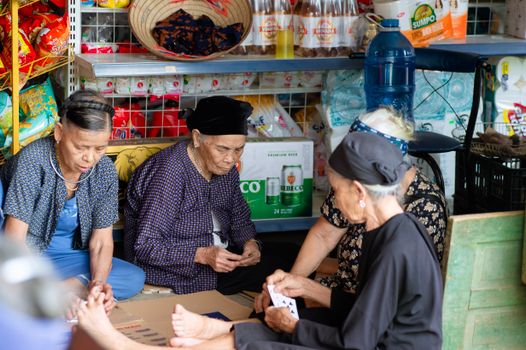
- Your experience: In a small village in Bali, while waiting for a cooking class to begin, I noticed a beautifully carved wooden Congklak board. A grandmother, seeing my interest, sat down and, with a patient smile, taught me the rhythmic movements of "sowing" the cowrie shells. It was a serene, meditative experience that felt like a quiet conversation across generations.
- Cost: Free to play. Some vendors might sell beautiful handmade boards, making for a great souvenir.
- Instagram-worthy: Focus on the intricate boards (often beautifully carved wood), the small seeds or shells, and the focused expressions of players. It’s a great shot for capturing a moment of quiet, deep connection.
5. Bocce / Pétanque (Italy & France): The Gentle Art of Aim and Strategy
What it is: These are variations of "boules" games, where players throw or roll heavy metal or plastic balls (boules) as close as possible to a smaller target ball (the jack or pallino). It's a game of precision, strategy, and often, a lot of friendly banter. Bocce is popular in Italy and among Italian diaspora, while Pétanque is its French cousin.
Why it's trending: These games embody the European outdoor café culture – social, relaxed, and perfect for an afternoon with friends. They're seeing a renewed interest as people gravitate towards accessible, multi-generational activities.
Where to find it & how to join:
- Italy: Look for Bocce courts in public parks, piazzas, and even beach clubs, especially in smaller towns.
- France: Pétanque courts are ubiquitous in town squares (places), parks, and even dedicated "boulodromes" across the country.
- Your experience: In a sun-drenched square in Nice, France, I stumbled upon a lively game of Pétanque. The rhythmic clack of the boules, the animated discussions, and the shared laughter were infectious. An elderly gentleman, noticing my fascination, offered me a boule and, with a wink, showed me how to "point" and "shoot." It was a perfect slice of French Riviera life.
- Cost: Free to join. Boules sets are often shared.
- Instagram-worthy: Capture the picturesque settings (cobblestone squares, tree-lined parks), the focused players, and the satisfying clang of boules hitting each other.
6. Seega (Morocco & North Africa): Desert Chess Under the Stars
What it is: Seega is an ancient strategy board game, often played on a grid drawn in the sand or on a simple wooden board. Two players take turns placing and then moving their pieces, aiming to trap and remove opponent's pieces. It's a pure abstract strategy game, deceptively simple to learn but with surprising depth.
Why it's trending: While not as globally recognized as chess, Seega remains a beloved pastime in North Africa, particularly in rural areas and among older generations. It's a beautiful example of how complex thought can arise from minimal resources, and its quiet intensity is deeply captivating.
Where to find it & how to join:
- Morocco: Most commonly found in traditional cafes (especially outside of major tourist hubs), medina corners, and tea houses.
- Algeria, Tunisia, Egypt: Similar traditional settings.
- Your experience: As mentioned in the intro, my first encounter with Seega in Marrakech was magical. The simplicity of the board, the use of pebbles as pieces, and the intense focus of the players made it feel timeless. Learning it was a lesson in patience and observation, and a beautiful way to connect without needing many words.
- Cost: Free. Often played with whatever materials are at hand.
- Instagram-worthy: The stark beauty of a game played in the sand, the weathered hands of the players, and the simple, natural "pieces" make for evocative, authentic shots.
How to Join the Game: Your Playbook for Local Interaction
So, you’ve spotted a game, and your curiosity is piqued. How do you go from observer to participant?
- Observe First: Don't just barge in. Take a moment to watch the game, understand the general flow, and gauge the atmosphere. Is it a serious tournament or a casual friendly match?
- Make Eye Contact & Smile: A genuine smile and friendly eye contact go a long way.
- Learn a Few Phrases: "Hello" (e.g., Salam Alaikum in Arabic, Namaste in Hindi, Xin chào in Vietnamese), "Thank you" (e.g., Shukran, Dhanyawad, Cảm ơn), and "Can I watch?" or "Can I try?" (even if you point and gesture) show respect and interest.
- Show Genuine Interest: Point to the game, nod, express admiration for a good play. Your enthusiasm is your best currency.
- Wait for an Invitation: Often, if you show interest, a local will eventually gesture for you to join or explain the rules. If not, a polite "Can I play?" (with gestures) might work. Be prepared for a "no" – sometimes games are serious or private, and that's okay.
- Embrace Being a Beginner: You will be bad. And that's part of the fun! Laugh at your mistakes, ask questions, and accept advice gracefully. Locals love to teach.
- Offer to Contribute (If Appropriate): If it's a game in a café or a tejodrome, offering to buy a round of drinks or snacks (if others are consuming) is a kind and appreciative gesture.
- Be Mindful of Etiquette: Listen to the rules, respect the players, and don't be overly competitive. The goal is connection, not necessarily victory.
- Look for Local Hubs: Parks, town squares, community centers, local cafes, and even market stalls are prime locations for impromptu games.
Capturing the Moment: Instagram-Worthy & Shareable Experiences
These aren't just games; they're stories waiting to be told.
- Focus on the Interaction: Candid shots of laughter, concentration, and the exchange between players are far more powerful than staged poses.
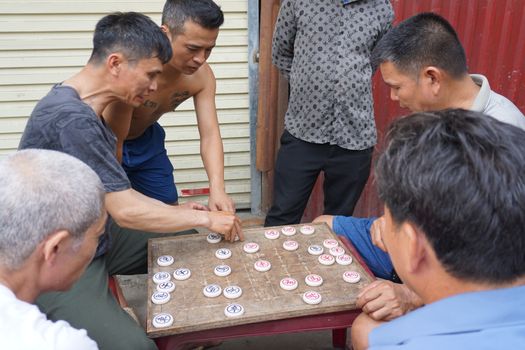
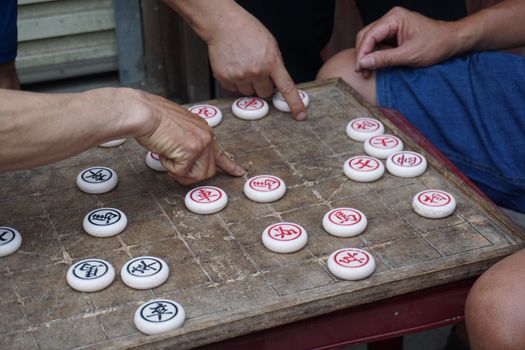
- Details Matter: Capture the unique game pieces, the worn board, the expressions on faces, the specific setting (e.g., a dusty street, a vibrant park).
- Respect Privacy: Always be mindful. A quick, subtle photo is usually fine, but if someone looks uncomfortable, put your camera away. Ask permission if you want a close-up or a video.
- Tell the Story: When you share, don't just post the photo. Write about who taught you, what you learned, and how it made you feel. Use hashtags like #PlayLikeALocal #TraditionalGames #CulturalExchange #AuthenticTravel #TripsoraTravel.
- Go Live! A short Instagram or TikTok live video of a game in action can be incredibly engaging and show the real-time energy.
Go Beyond the Postcard: Your Next Adventure Awaits
Travel is evolving. It's no longer enough to simply see a destination; we crave deeper engagement, authentic connections, and experiences that challenge and enrich us. Learning a traditional game from a local isn't just a fun activity; it's a powerful act of cultural exchange, a bridge built with laughter and shared moments.
These trending traditional games offer a unique lens through which to view a culture, to understand its people, and to create memories that resonate long after you've returned home. So, on your next adventure, put down the guidebook, step away from the tourist crowds, and look for that circle of locals. Take a deep breath, smile, and ask, "Can I play?" You might just find your favorite travel memory waiting for you.
What traditional game are you excited to try on your next trip? Share your thoughts in the comments below!
---
More pictures
Tags
Share this guide
We may earn a commission if you click a link and buy a product or service, at no extra cost to you. How affiliate links work.
Been there?