
Tired of endless customs lines stealing precious hours from your adventures? We've uncovered the ultimate border hacks and customs tricks that will revolutionize your travel experience, ensuring you spend less time waiting and more time exploring. Get ready to bypass the queues and reclaim your journey before it's too late! ---
The air was thick with the scent of cheap airport coffee and the palpable frustration of hundreds of weary travelers. I stood, a human sardine in a seemingly endless queue, inching towards the customs officer at London Heathrow. My connecting flight to Rome was boarding in 45 minutes, and the line, snaking through the cavernous hall, looked like it would take at least two hours to clear. Panic began to bubble. My meticulously planned European adventure, starting with an early evening aperitivo in Trastevere, was dissolving into a nightmare of missed connections and lost luggage.
That day, I missed my flight. I spent six agonizing hours rebooking, paying exorbitant last-minute fees, and arriving in Rome long after midnight, utterly exhausted. It was a brutal, unforgettable lesson in the true cost of border inefficiencies. But it was also the catalyst for a personal quest: to never, ever let customs queues steal my precious travel time again.
Over the years, I’ve transformed from a border-line victim into a border-crossing ninja, armed with a toolkit of customs tricks and hacks that consistently save me hours – sometimes even entire days – at the world’s busiest checkpoints. These aren't just minor conveniences; they are game-changers, freedom-givers, and frankly, experiences you need to have before you die. Because life's too short for waiting in lines.
Ready to reclaim your travel time and unlock the secrets of seamless border crossings? Let's dive in.
1. The Digital Nomad's Secret Weapon: Pre-Registration & eVisa Power
Imagine this: You disembark from a long-haul flight, stretch your legs, and stroll past a chaotic hall filled with hundreds of travelers scrambling to fill out visa-on-arrival forms. You, however, simply flash your pre-approved document, get a quick stamp, and you’re off to baggage claim. This isn't a fantasy; it's the reality for anyone who embraces the power of online pre-registration and eVisas.
Many countries, from the bustling markets of Vietnam to the majestic plains of Kenya, have moved to electronic visa systems. Instead of waiting for hours to get a physical sticker or stamp, you apply online days or even weeks in advance. My first experience with this was entering Vietnam. While fellow passengers were fumbling with pens and crumpled dollar bills for their visa fees, my pre-approved eVisa meant I was out of the airport and into a taxi within 20 minutes of landing. The small fee (around $25-50 USD, depending on the country) and the 15 minutes it took to fill out the online form saved me a good two hours and countless headaches.
Actionable Advice:
- Research Early: As soon as you book your flight, check the visa requirements for your destination country. Don't assume. The rules change frequently.
- Look for "eVisa" or "ETA": Many countries offer Electronic Travel Authorizations (ETAs) or eVisas. Examples include Australia (ETA), New Zealand (NZeTA), Kenya (eVisa), Vietnam (eVisa), Cambodia (eVisa), Sri Lanka (ETA), and many more.
- Beware of Scams: Only use official government websites for applications. Third-party sites often charge exorbitant fees or are outright fraudulent. A quick Google search for "[Country Name] official eVisa" should lead you to the correct portal.
- Print Everything: Even if it’s an electronic visa, print out your approval letter. Customs officers often want to see a physical copy, or at least a readily available digital one on your phone.
2. Global Entry & Trusted Traveler Programs: Your Fast Pass to Freedom
This is the holy grail for frequent international travelers, particularly those entering the United States. Global Entry is a U.S. Customs and Border Protection (CBP) program that allows expedited clearance for pre-approved, low-risk travelers upon arrival in the United States. And let me tell you, it's worth every single penny and every minute of the application process.
I applied for Global Entry after my Heathrow debacle. The application involves an online form, a background check, and a brief in-person interview. It cost me $100 for five years, and it's been the best travel investment I've ever made. Landing at JFK or LAX, I used to dread the sight of hundreds of people snaking through the "Visitors" line. Now, I head straight to the Global Entry kiosks, scan my passport and fingerprints, answer a few quick questions, and I’m usually out the door in under 10 minutes. While others are still waiting to be seen by an officer, I'm already hailing a cab or enjoying a celebratory craft beer.
But it's not just the US. Many countries and regions have similar "Trusted Traveler" programs:
- NEXUS: For expedited travel between the U.S. and Canada.
- SENTRI: For expedited travel between the U.S. and Mexico.
- APEC Business Travel Card (ABTC): For business travelers in the Asia-Pacific region, offering fast-track entry to participating economies.
- EES (Entry/Exit System) & ETIAS (European Travel Information and Authorization System): While not yet fully implemented, these upcoming EU systems will streamline entry for non-EU visitors, requiring pre-registration similar to the US ESTA. Staying ahead of these will be crucial.
Actionable Advice:
- Check Eligibility: Ensure you meet the requirements for these programs (e.g., citizenship, no criminal record).
- Apply Early: The application process can take several weeks or even months due to background checks and interview scheduling. Don't wait until the last minute.
- Interview Tips: Be prepared for your interview. Know your travel history, be honest, and bring all requested documents.
- Use the Benefits: Global Entry also includes TSA PreCheck, meaning you get expedited security screening at US airports – another massive time-saver!
3. The Art of the Perfect Document Pouch: Organization is Key
This might sound ridiculously simple, but a well-organized document pouch is a game-changer. I once watched a traveler at the Thai-Cambodian border nearly have a meltdown because they couldn't find their printed eVisa among a pile of receipts, boarding passes, and snack wrappers. The customs officer, already dealing with a long queue, was visibly annoyed, and the traveler ended up at the back of the line after a frantic 10-minute search.
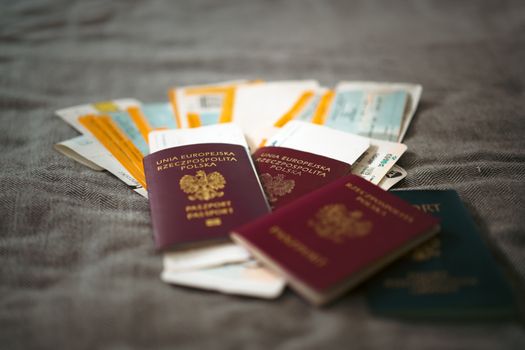
My "border survival kit" is a small, zippered travel wallet that always contains:
- Passport: Easily accessible, no fumbling.
- Boarding Pass: Printed and digital on my phone.
- Visa/ETA Printout: The physical evidence of my pre-approval.
- Accommodation Booking Confirmation: Especially useful for some countries or if asked about your itinerary.
- Return/Onward Ticket: Proof you intend to leave.
- Yellow Fever Card/Health Declaration: If required for the destination.
Everything is in a clear, logical order. When I approach the counter, I have my passport open to the photo page, my boarding pass ready, and any necessary visa documents literally stacked behind it. This small act of preparedness projects confidence and efficiency, which customs officers appreciate.
Actionable Advice:
- Dedicated Pouch: Invest in a slim, multi-pocket travel wallet or document organizer.
- Order of Operations: Arrange documents in the order they’ll likely be requested (passport first, then visa, then boarding pass, etc.).
- Digital Backups: Always have digital copies of everything on your phone and in cloud storage (e.g., Google Drive, Dropbox), just in case.
- Physical Copies: For critical documents like visas, always carry a physical printout. Technology fails, paper doesn't (usually).
4. Timing is Everything: Strategic Border Crossings
Have you ever noticed how some border crossings feel like a breeze, while others are an absolute nightmare? Often, it comes down to timing. Just like avoiding rush hour traffic, there are peak times at borders that you can strategically avoid.
My favorite trick for land borders, especially in Southeast Asia or between Central American countries, is to cross first thing in the morning. When I crossed from Thailand into Cambodia at Poipet, I arrived at 7 AM, just as the border post was opening. There were only a handful of people, and I was through in 20 minutes. Later that day, friends who crossed around lunchtime reported waiting for over two hours in scorching heat. The same applies to airports. Major international flights often arrive in waves. If you can snag a flight that lands slightly off-peak – perhaps late at night or very early morning – you might find yourself in a much shorter queue.
Actionable Advice:
- Research Peak Times: Use online forums (like Reddit's r/travel or FlyerTalk) or specific travel blogs to gauge typical wait times for your chosen border crossing.
- Avoid Weekends & Holidays: These are almost universally the busiest times for any border, especially land crossings.
- Mid-Week, Off-Peak: If possible, aim for Tuesday, Wednesday, or Thursday crossings, and try to avoid the main arrival/departure surges.
- Use Less Popular Entry Points: Sometimes, a slightly longer drive to a less-used land border crossing can save you hours compared to the main, congested routes. For example, crossing from the US into Mexico at smaller points like Tecate instead of San Ysidro.
5. Tech Hacks: Apps, eSIMs, and Digital Declarations
The future of travel is digital, and borders are catching up. Leveraging technology can shave significant time off your customs experience.
One of my favorite hacks for returning to the US is the Mobile Passport Control (MPC) app. It's a free app authorized by U.S. Customs and Border Protection. You fill out your customs declaration and submit your passport information before you even get to the customs hall. When you land, you simply go to the designated MPC lane (which is often empty), show your QR code to an officer, and you're done. No kiosks, no paper forms. I've used this countless times at major hubs like Atlanta (ATL) and Seattle (SEA), sailing past hundreds of people.
Beyond customs, technology enhances your overall border readiness. Having an eSIM loaded with data for your destination means you’re connected the moment you land, allowing you to instantly access maps, booking confirmations, or contact your ride without hunting for Wi-Fi.
Actionable Advice:
- Download MPC App: If you're a U.S. citizen or Canadian visitor, download the Mobile Passport Control app before your flight. Fill out your details on the plane (or before landing) and submit when you have connectivity.
- Digital Health Declarations: Many countries still require health declarations (e.g., Thailand Pass, ArriveCAN). Fill these out in advance and have the QR code or confirmation readily available.
- Pre-Book Transport: Having your airport transfer or train tickets pre-booked and accessible on your phone means you can head straight to your ride without stopping at ticketing counters or dealing with currency exchange.
- Cloud Storage: Keep all critical documents (passport copy, visa, bookings) in a cloud service (Google Drive, Dropbox) that you can access from any device, even if your main phone battery dies.
6. The Unwritten Rules: Presentation, Politeness, and Preparedness
While not a "trick" in the traditional sense, how you present yourself and interact with customs officials can significantly impact your experience. They are the gatekeepers, and a smooth interaction is paramount.
I once witnessed a young backpacker, disheveled and clearly annoyed, argue with a customs officer about why he didn't have a return ticket. The conversation quickly escalated, and he was pulled aside for secondary screening, adding at least an hour to his wait. Meanwhile, a neatly dressed couple behind him, who politely answered questions and presented their documents calmly, sailed through.
It's not about dressing in a suit, but about projecting respect and confidence.
- Dress Respectfully: You don't need to be formal, but avoid overly casual or provocative attire. Smart casual is usually a safe bet.
- Be Polite & Calm: A simple "hello" and "thank you" go a long way. Maintain eye contact.
- Be Honest & Concise: Answer questions truthfully, but don't volunteer unnecessary information. "What is the purpose of your visit?" "Tourism." "How long will you be staying?" "Two weeks." Keep it brief and to the point.
- Know Your Itinerary: Have a general idea of your plans, especially your first night's accommodation and onward travel. This shows you're a legitimate traveler.
- Don't Joke or Argue: Customs officers are not there for your entertainment. Treat them with respect, even if you're tired or frustrated.
7. The Future of Borders: Biometrics and AI
The world of border control is constantly evolving. Biometric technology – facial recognition, fingerprint scanning, iris scans – is becoming increasingly common. Airports like Changi in Singapore and Dubai International are leading the charge, allowing travelers to clear immigration using just their face. While these systems are still being rolled out globally, understanding and embracing them will be key to future border efficiency.
My first experience with facial recognition at Changi felt like stepping into a sci-fi movie. No passport, no fuss, just a quick glance at a camera, and the gates opened. It was astonishingly fast and completely seamless. As these technologies become more widespread, staying informed about which airports and countries use them, and how to register (if required), will be crucial for the ultimate border hack.
Actionable Advice:
- Embrace New Tech: Don't shy away from using biometric gates or self-service kiosks when available. They are almost always faster.
- Stay Informed: Follow travel news, airline updates, and official government travel advisories to know about new border control technologies and requirements.
- Register (if applicable): Some systems might require a one-time registration upon arrival or departure to link your biometrics to your passport. Take the few minutes to do it.
Reclaim Your Travel Time!
That dreadful day at Heathrow taught me a profound lesson: travel isn't just about the destination; it's about the journey, and that journey starts the moment you arrive at the border. By adopting these customs tricks and border hacks, you’re not just saving time; you’re investing in more moments for exploration, relaxation, and genuine connection with the places you visit.
Imagine an extra hour to grab a delicious street food snack in Bangkok, a leisurely coffee in a Parisian café, or simply more time to decompress after a long flight before diving into your adventure. These are the moments that truly enrich your travels, and they are within your grasp.
So, ditch the dread of the queue. Arm yourself with these strategies, and experience the unparalleled joy of breezing through borders. Trust me, it’s a feeling you need to experience before you die.
What are your go-to border hacks? Share your secrets in the comments below using #TripsoraBorderHacks and let's help each other travel smarter!
---
More pictures

Tags
Share this guide
We may earn a commission if you click a link and buy a product or service, at no extra cost to you. How affiliate links work.
Been there?