
Forget the overpriced wellness resorts and synthetic sound baths in crowded city lofts. The most profound healing frequencies on Earth aren't coming from a laptop—they are locked inside the stone chambers of our ancestors. From the subterranean chambers of Malta to the hidden granite sanctuaries of Egypt, we are looking at how to experience real, raw archaeoacoustics right now. This is your no-nonsense, BS-free guide to finding and experiencing authentic temple sound healing without getting scammed by "spiritual tourism" grifters. ---
The Hook: A Hum That Shook My Ribcage
I stepped off the rattling, dust-caked train in Balyana, Upper Egypt, with grit between my teeth and a single goal: to hear the stones sing. The dry, desert heat of Abydos doesn't just hit you; it wraps around your throat like a warm wool scarf. I wasn’t here for the standard hieroglyphic photo-op. I was chasing a whisper—specifically, the legendary resonance rumored to vibrate through the megalithic red granite blocks of the Osireion, an ancient subterranean temple that predates almost everything else in the Nile Valley.
Standing inside the central chamber, as a local guardian struck a heavy, cracked bronze bowl, the sound didn't just hit my ears. It vibrated directly behind my breastbone, shaking loose a year's worth of digital-age anxiety in a single, sustained hum. My vision sharpened; my racing pulse slowed to a steady, calm thrum.
This isn't placebo-effect magic. It’s ancient acoustic engineering, and you can experience it for yourself right now.
``` _________________________________________________ / \ | "The sound didn't just hit my ears. | | It vibrated directly behind my breastbone." | \_________________________________________________/ ```
---
1. Egypt’s Resonant Underworld: The Osireion at Abydos
Most tourists tick off the Pyramids of Giza and call it a day. They are missing the real acoustic masterpiece. Located behind the Temple of Seti I, the Osireion is a subterranean megalithic structure built with massive, unadorned Aswan granite blocks that mirror the architecture of the Valley Temple.
The Acoustic Phenomenon
The Osireion is designed like a subterranean island surrounded by water. Granite is rich in quartz crystals, which possess piezoelectric properties. When sound is introduced into these chambers, the stone doesn't just reflect it; it amplifies and structures the sound waves, creating a natural resonance chamber that vibrates at incredibly low, grounding frequencies.
How to Experience It Right Now
- The Reality Check: The Osireion is technically flooded with groundwater most of the year. You cannot simply walk in with a general admission ticket.
- The Insider Route: You must apply for a Special Mission Permit through the Egyptian Ministry of Tourism and Antiquities at least four weeks in advance. It costs roughly $1,000 USD for a private group of up to 5 people, but it grants you exclusive, dry-land access to the lower platforms.
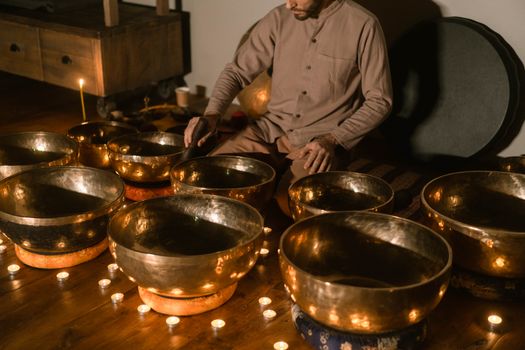
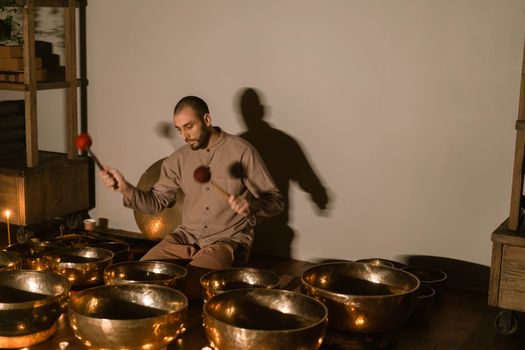
- Pro-Tip: Bring a high-quality, hand-hammered Tibetan singing bowl (F-note/Heart Chakra or C-note/Root Chakra work best with the granite's natural dimensions) or hire a local Sufi chanter through a reputable fixer in Luxor.
---
2. The 111Hz Subterranean Oracle: Hal Saflieni Hypogeum, Malta
Deep beneath the unassuming streets of Paola, Malta, lies a three-tiered, rock-cut subterranean sanctuary carved out of globigerina limestone around 3600 BC. This is the Hal Saflieni Hypogeum, a UNESCO World Heritage site and the holy grail of archaeoacoustics.
``` +-------------------------------------------------------------+ | THE 111Hz PHENOMENON | | Scientific testing inside the Hypogeum's Oracle Chamber | | revealed a natural resonance at precisely 111Hz. | | This frequency is proven to turn off the language center | | of the human brain and activate the prefrontal cortex | | associated with deep meditation and trance states. | +-------------------------------------------------------------+ ```
The Acoustic Phenomenon
In the "Oracle Chamber," a small niche carved into the stone wall acts as a natural resonator. If a male voice chants in a low baritone, the sound echoes throughout the entire subterranean complex, creating a physical sensation of being suspended inside a giant, vibrating lung.
How to Experience It Right Now
- The Reality Check: To protect the delicate microclimate and red ochre paintings, only 10 visitors are allowed inside per hour. Tickets sell out months in advance.
- The Insider Route: Do not rely on the last-minute ticket lottery. Book your "Audio-Guided Tour" at least three to four months in advance directly through the Heritage Malta official website.
- Pro-Tip: If you are lucky enough to get in, secure the last spot in the walking line. When the guide pauses in the Oracle Chamber, stand near the carved niche and hum a low, sustained "Ohm" at around 111Hz (roughly the pitch of a low male speaking voice). Feel the limestone walls hum back against your palms.
---
3. The Chirping Pyramid: El Castillo at Chichen Itza, Mexico
You’ve probably seen the photos of this iconic Mayan pyramid, but you haven't heard it. El Castillo is not just a visual monument to the Mayan calendar; it is a highly sophisticated, outdoor acoustic synthesizer.
The Acoustic Phenomenon
If you stand at the base of the staircase and clap your hands sharply, the echo that bounces back from the limestone steps doesn't sound like a clap. It sounds like the high-pitched chirp of the Quetzal bird—a sacred animal in Mayan mythology. This is caused by the sound waves scattering off the narrow, high-rise steps of the pyramid, creating a periodic pitch shift.
``` Your Clap ---> [ [ [ [ [ [ [ (Pyramid Steps) \ Returning Echo <--- 🎶 Chirp (Quetzal Bird Sound) ```
How to Experience It Right Now
- The Reality Check: Chichen Itza is one of the most visited ruins on Earth. By 10:00 AM, the site is crawling with thousands of tourists, and the air is filled with the shrieks of plastic jaguar whistles sold by vendors. You will hear nothing but noise.
- The Insider Route: Stay the night before at a hotel adjacent to the ruins (like the Hacienda Chichen Resort). Arrive at the ticket booth at 7:15 AM. The gates open at 8:00 AM. Sprint (respectfully) straight to El Castillo before the tour buses from Cancún arrive.
- Pro-Tip: Walk to the exact center point of the northern staircase, stand about 15 meters back, and deliver one single, sharp, cupped-hand clap. Listen to the metallic, bird-like chirp drop down from the sky.
---
4. The Volcanic Resonance of Prambanan, Indonesia
While nearby Borobudur gets all the sunrise glory, the 9th-century Hindu temple compound of Prambanan in Central Java holds a darker, deeper acoustic secret.
The Acoustic Phenomenon
Prambanan’s towering, jagged temples are constructed from dark, porous volcanic andesite stone. Inside the central chamber of the Shiva Temple stands a massive stone statue of the deity. The high, corbelled ceilings of this narrow, vertical chamber act as a natural acoustic chimney. When local priests or visitors chant traditional Sanskrit mantras here, the sound climbs the stone walls, reflecting off the rough volcanic surfaces and creating a dense, hypnotic wash of sound that wraps around you like a heavy blanket.
How to Experience It Right Now
- The Reality Check: Midday heat and crowds can ruin the spiritual atmosphere.
- The Insider Route: Visit during the late afternoon (around 4:00 PM) when the tropical heat begins to break and the crowds thin out. The stone chambers retain the heat of the day, creating an intense, sensory-deprivation-like environment inside.
- Pro-Tip: Remove your shoes before entering the inner sanctum of Shiva. Stand near the back wall opposite the statue, close your eyes, and listen to the low-frequency drone of the wind passing through the high stone vents above. It sounds like a giant, stone pipe organ breathing.
---
5. The Science: Why Ancient Acoustics Actually Heal Your Brain
This isn't just hippie folklore. The emerging field of archaeoacoustics bridges the gap between archaeology, architecture, and neuroscience.
When you enter a space designed with specific acoustic resonance (like 111Hz or 120Hz), several physiological changes occur:
- Brainwave Entrainment: The brain naturally aligns its internal frequencies with external auditory stimuli. The resonant frequencies of these ancient stone chambers nudge your brain out of high-stress Beta waves (12-30 Hz) and into deeply relaxed Theta waves (4-8 Hz), which are typically achieved during deep meditation or REM sleep.
- Vagal Nerve Stimulation: Low-frequency vocal toning (humming or chanting) inside a resonant chamber physically vibrates the vagus nerve, which runs from the brainstem through the neck to the abdomen. This activates the parasympathetic nervous system, lowering blood pressure and reducing cortisol levels.
- Endorphin Release: The physical sensation of sound waves vibrating through solid stone and into your skeletal structure triggers the release of nitric oxide and endorphins, promoting physical pain relief and a sense of deep peace.
---
6. How to Avoid the "Spiritual Tourist" Grift
As sound healing explodes in popularity, a massive industry of fake "gurus" and overpriced "temple activation retreats" has emerged. Don't fall for the trap. Here is how to keep your journey authentic, respectful, and cost-effective:
- Skip the $5,000 "Goddess Retreats": You do not need a self-proclaimed shaman to "activate" your DNA inside a temple. The temple itself is the technology. Book your own travel, pay your entrance fees directly to the local heritage authorities, and experience the space on your own terms.
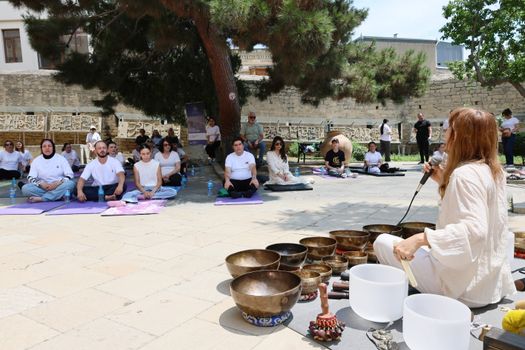
- Respect the Locals: Remember that these are active historical, cultural, and sometimes religious sites. Do not set up a massive crystal grid or start screaming "Ohm" at the top of your lungs while others are trying to appreciate the history. Keep your toning quiet, internal, and respectful.
- Support Local Guides: Instead of hiring a Western wellness coach to fly with you, hire a local guide who understands the history, language, and spiritual traditions of the site. Tip them generously. They often know the exact spots where the acoustics are most powerful.
---
7. Quick Facts, Budgets, and Logistics
| Destination | Primary Acoustic Effect | Best Time to Visit | Est. Cost (USD) | How to Get There | Secret Insider Tip | | :--- | :--- | :--- | :--- | :--- | :--- | | Abydos, Egypt | Megalithic granite resonance | October to April (Avoid summer heat) | $1,200 (Permit + travel from Luxor) | Train from Luxor to Balyana, then taxi. | Hire a local fixer in Luxor to handle the Ministry permits. | | Hal Saflieni, Malta | 111Hz Oracle Chamber echo | November to February (Fewer tourists) | $40 (Standard ticket) | Public bus from Valletta to Paola. | Book exactly 3 months in advance on the Heritage Malta site. | | Chichen Itza, Mexico | Quetzal bird chirping echo | Late November (Post-rainy season) | $35 (Entrance fee) | ADO Bus from Mérida or Valladolid. | Arrive at 7:30 AM; run straight to the north staircase. | | Prambanan, Indonesia | Volcanic stone chimney drone | May to September (Dry season) | $25 (Entrance fee) | Grab car or local bus from Yogyakarta. | Visit at 4:00 PM for the best light and quietest chambers. |
---
The Verdict: Step Away from the Screen
The world is louder than it has ever been, yet we are starving for real, restorative silence. Real sound healing isn’t something you buy on an app or listen to through plastic earbuds. It is a physical, tactile relationship between human intention, raw stone, and ancient geometry.
Pack your bags, leave the digital noise behind, and go stand where the earth still sings. Your nervous system will thank you.
---
More pictures


Tags
Share this guide
We may earn a commission if you click a link and buy a product or service, at no extra cost to you. How affiliate links work.
Been there?