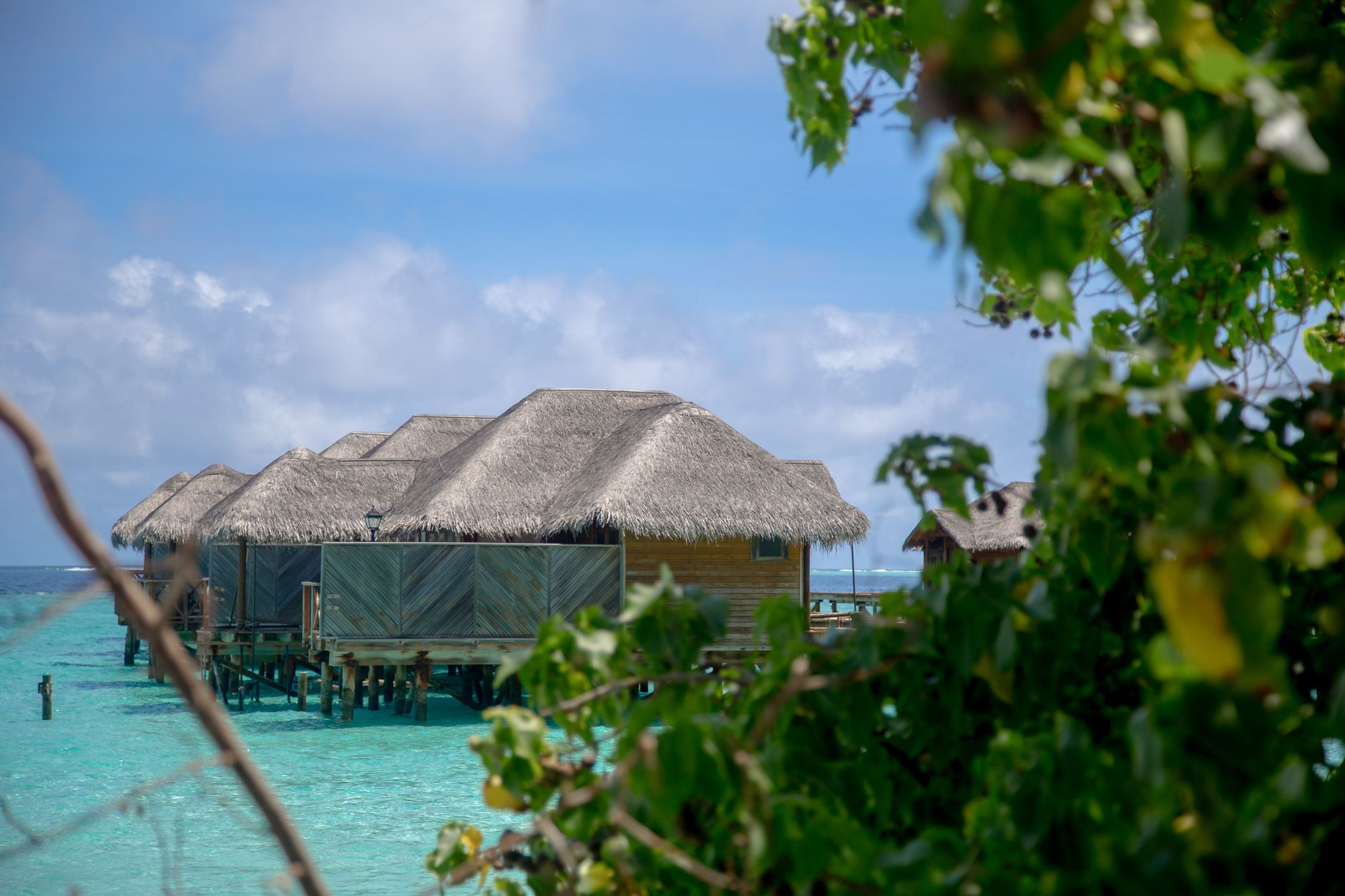
The era of the floating mega-hotel dominating historic ports is coming to an end. From Venice to Amsterdam, iconic destinations are banning or severely restricting cruise ships to protect their heritage and ecosystems. But this isn't a loss for travelers—it's a massive win. We talked to elite travel advisors who are pivoting away from crowded cruise docks to design immersive, land-based itineraries that reveal the true soul of these regions. Here is your ultimate blueprint to navigating the new, cruise-free landscape of luxury travel. ---
I stepped off the train at Venice’s Santa Lucia station at 6:30 AM, and for the first time in a decade, I didn't hear the low, rumbling vibration of a 100,000-ton cruise liner churning up the Giudecca Canal. Instead, there was only the crisp morning air smelling of salt brine and freshly baked fritole from a bakery down the alley. I listened to the soft, rhythmic slap of water against damp Istrian limestone and the distant scrape of a gondolier's oar.
For years, this city was choked by a relentless tide of day-trippers poured out from floating skyscrapers. But the tide has turned. Venice’s historic ban on large cruise ships is just the first domino to fall in a global movement. From the canals of Amsterdam to the sun-bleached cliffs of Santorini, local governments are reclaiming their streets.
And who is cheering the loudest? Elite travel advisors. Rather than mourning the loss of easy cruise bookings, thriving luxury travel designers are celebrating. They are steering their clients toward richer, slower, and infinitely more authentic land-and-sea alternatives.
Here is the definitive guide to the destinations banning cruise ships, and the spectacular alternatives top travel advisors suggest you book instead.
---
The Great Cruise Crackdown: Why Ports Are Saying "No More"
The math of modern cruising simply doesn't add up for historic cities anymore. A single megaship can dump up to 6,000 passengers into a fragile historic center for a mere six hours. These visitors rarely buy hotel rooms, seldom eat full dinners at local restaurants, and leave behind a wake of environmental degradation and crowded plazas.
In response, a wave of legislation has swept across Europe and beyond:
- Venice banned ships over 25,000 tons from the Giudecca Canal in 2021.
- Amsterdam voted to close its central cruise terminal entirely to curb pollution and tourist congestion.
- Barcelona closed its northern port terminal to cruise ships in late 2023, forcing ships to dock further out and capping daily arrivals.
- Dubrovnik implemented a strict "Respect the City" campaign, capping cruise arrivals to just two ships per day with a maximum of 5,000 passengers total.
- Santorini has instituted an 8,000-passenger daily limit, with plans to tighten restrictions even further.
For travelers, this means the old way of cruising is broken. But the new way of traveling is vastly superior.
---
5 Destinations Banning Cruise Ships (And What Travel Advisors Suggest Instead)
---
1. Venice, Italy (The Ban)
The Advisor Suggestion: The Venetian Lagoon & Treviso
When Venice banned large ships, it saved its fragile lagoon foundations from destructive underwater currents. Elite travel advisors suggest you skip the mainland hotels and the cruise docks entirely. Instead, base yourself on the quiet islands of the northern lagoon or in the elegant, canal-laced city of Treviso.
``` [ Venice Lagoon ] | +-----------------------+-----------------------+ | | [ Mazzorbo Island ] [ Treviso ]
- Stay: Venissa Wine Resort - 30 mins north of Venice
- Experience: Dorona vineyards - Sile River canals
- Vibe: Silent, agricultural lagoon - Vibe: Authentic Veneto life
```
The Insider Itinerary
Book a room at Venissa, a walled vineyard resort on the island of Mazzorbo, connected by a wooden footbridge to the lace-making island of Burano. Here, you are surrounded by the rare Dorona grape variety, which thrives in salty soil.
Spend your mornings exploring the Byzantine mosaics of Torcello in near-total solitude before the water taxis arrive from the St. Mark's square. In the evening, take a private bragozzo (a traditional wooden trawler) out into the salt marshes with a local marine biologist.
- Pro-Tip: Walk across the wooden bridge from Mazzorbo to Burano at 9:00 PM. The day-trippers are long gone, the brightly colored houses are lit by soft streetlamps, and you can hear the locals chatting in Venetian dialect from their open windows. Order the Tramezzini (crustless triangular sandwiches) at Bar Trevisan.
---
2. Amsterdam, Netherlands (The Restrictions)
The Advisor Suggestion: Utrecht & Haarlem
Amsterdam's city council is actively moving its cruise terminal outside the city center to reduce nitrogen emissions and reclaim the waterfront. Travel advisors are capitalizing on this by redirecting clients to Utrecht, a vibrant university city just 25 minutes south by train.
The Insider Itinerary
Utrecht features unique split-level canals where ancient wharf cellars have been converted into cozy cafes, artisan glassblowing shops, and boutique hotels. Stay at the Grand Hotel Karel V, a former 14th-century monastery with sprawling private gardens.
Rent a wooden electric sloop from Greenjoy and navigate the Utrecht canals yourself. You can pull right up to a wharf cellar, tie up your boat, and have a hot plate of bitterballen (Dutch meat croquettes) handed down to you from a canal-side kitchen.
- Pro-Tip: Skip the crowded Keukenhof tulip gardens. Ask your advisor to arrange a private cycling tour through the Langeveld dunes near Haarlem, where you can ride past private flower fields that stretch all the way to the North Sea without another tourist in sight.
---
3. Barcelona, Spain (The Caps)
The Advisor Suggestion: Girona & The Costa Brava
Barcelona has shuttered its central Port Vell to cruise ships, pushing arrivals to the distant southern docks. Rather than battling the human traffic jams on La Rambla, luxury advisors are sending clients north to the medieval walled city of Girona and the rugged coves of the Costa Brava.
The Insider Itinerary
Girona is a paradise of Catalan Gothic architecture, winding Jewish Quarter alleys, and a legendary culinary scene. Check into Hotel Nord 1901, a family-run boutique hotel with a secluded garden pool in the heart of the old town.
Spend your afternoon walking the ancient Roman walls (Passeig de la Muralla) and crossing the iron bridge designed by Gustave Eiffel. For dinner, skip the tourist-trap tapas bars and have your advisor secure a table at Normal, run by the legendary Roca brothers of El Celler de Can Roca fame.
- Pro-Tip: Rent a car for a day and drive to the coastal village of Llafranc. Walk the coastal path (Camí de Ronda) to Calella de Palafrugell at sunset. The path hugs pink granite cliffs draped in pine trees, overlooking tiny coves where wooden fishing boats still sit on the sand.
---
4. Dubrovnik, Croatia (The Caps)
The Advisor Suggestion: Cavtat & The Elaphiti Islands
Dubrovnik’s limestone main street, the Stradun, can become completely impassable when multiple cruise ships dock. To escape the heat and the crowds, travel advisors suggest staying in the quiet seaside town of Cavtat or chartering a private boat to the car-free Elaphiti Islands.
The Insider Itinerary
Cavtat sits on a forested peninsula just 30 minutes south of Dubrovnik by water taxi. Stay at Villa Dubrovnik, built directly into the cliffs overlooking the turquoise Adriatic.
Instead of walking the crowded city walls of Dubrovnik at noon, charter a private wooden speedboat to the island of Lopud. Here, you can walk through olive groves to reach Šunj Beach, a rare sandy crescent, and dine on fresh grilled sea bream drizzled with wild rosemary oil at Obala, right on the water's edge.
- Pro-Tip: If you must visit Dubrovnik's old town, go at 7:00 AM. Enter through the lesser-known Buža Gate (the northern entrance). You’ll have the polished stone streets entirely to yourself, save for the local street sweepers and the wild pigeons.
---
5. Santorini, Greece (The Caps)
The Advisor Suggestion: Milos or Folegandros
With Santorini capping cruise passengers, the experience of watching the sunset in Oia has become a contact sport. Travel advisors are steering discerning clients to Milos, a volcanic island of surreal rock formations, hidden sea caves, and authentic fishing villages.
The Insider Itinerary
Milos boasts over 70 beaches, including the famous Sarakiniko, an otherworldly landscape of undulating, bone-white volcanic pumice stone that contrasts sharply with the deep blue Aegean. Stay at Skinopi Lodge, a collection of minimalist stone villas hidden on a hillside overlooking the sea.
Spend your days sailing around the Kleftiko caves—an ancient pirate hideout accessible only by boat—and your evenings eating pitarakia (local cheese pies with wild herbs) in the tiny fishing village of Klima, where the boat garages (syrmata) are painted in vibrant primary colors.
- Pro-Tip: For sunset, skip the crowded castle ruins of Plaka. Walk up to the tiny church of Panagia Tourliani in Tripiti. It offers a 360-degree view of the cycladic islands sinking into the golden horizon, with nothing but the sound of the wind and distant goat bells.
---
How to Travel Like an Insider: The New Rules of Overtourism
If you want to travel sustainably and avoid the crowds that cruise bans are trying to solve, follow these three rules from thriving travel advisors:
- Embrace the "Second-City" Strategy: For every famous port city, there is a spectacular, lesser-known neighbor. Swap Venice for Treviso, Barcelona for Girona, and Dubrovnik for Cavtat.
- Travel in the "Slight Shoulder" Season: Don't travel in July or August. May, September, and October offer better weather, lower prices, and empty streets.
- Invest in Land-Based Overnights: The magic of historic ports happens after 5:00 PM, when the day-trippers and remaining cruisers return to their ships. By staying overnight on land, you support local boutique hotels and family-run restaurants.
---
Logistics & Budget Blueprint: The Anti-Cruise Travel Guide
Planning a land-based alternative requires a bit more coordination than booking a cabin on a cruise ship, but the payoff is unmatched. Here is a quick breakdown of what to expect:
| Destination Alternative | Best Time to Visit | Est. Daily Budget (Luxury) | How to Get There | Key Local Experience | | :--- | :--- | :--- | :--- | :--- | | Mazzorbo/Venice Lagoon | May & September | $450 - $800 | Water taxi from Marco Polo Airport | Tasting Dorona wine at Venissa | | Utrecht, Netherlands | April to June | $300 - $500 | 25-min train from Amsterdam Schiphol | Private electric boat canal tour | | Girona & Costa Brava | June & September | $350 - $600 | 38-min high-speed train from Barcelona | Walking the medieval Jewish Quarter | | Cavtat & Lopud, Croatia | June & October | $400 - $750 | 20-min taxi from Dubrovnik Airport | Private boat charter to Elaphiti Islands | | Milos, Greece | May & September | $450 - $900 | 40-min flight from Athens | Swimming at Sarakiniko Beach |
---
The Final Verdict: Why Losing the Ship is Winning the Trip
When you travel by cruise ship, you are a spectator viewing a destination through a window. When you travel by land, staying in boutique hotels, eating in neighborhood trattorias, and exploring at your own pace, you become part of the destination.
The cruise bans aren't a restriction on your freedom to travel; they are an invitation to travel better. By choosing land-based, slow-travel alternatives, you aren't just saving historic cities from overtourism—you are saving yourself from a generic vacation.
---
More pictures


Tags
Share this guide
We may earn a commission if you click a link and buy a product or service, at no extra cost to you. How affiliate links work.
Been there?