
Say goodbye to sticky hand sanitizer dispensers and cheap plastic screens. In June 2026, travel hygiene has gone completely invisible. From self-sanitizing cabin seats to automated Far-UVC light portals, this is your honest, first-person guide to how science has quietly made travel faster, cleaner, and completely seamless this summer. ---
The Invisible Revolution: My Step-by-Step Experience in June 2026
I stepped off the long-haul flight at Tokyo Haneda’s Terminal 3, prepared for the usual post-flight haze of dry throat and chemical-heavy air. Instead, I was met with something entirely different: the crisp, subtly sweet scent of ionized air, free of the harsh bleach undertones that defined the early 2020s. There were no frantic sanitizing stations, no security guards pointing temperature guns at my forehead, and no plexiglass barriers distorting my view of the immigration officers.
Yet, Haneda is currently ranked as one of the sterile-cleanest transit hubs on Earth.
The travel landscape in June 2026 has undergone a quiet, molecular revolution. The clumsy "hygiene theater" of the past decade has been dismantled, replaced by sophisticated, integrated biosecurity systems that work in the background. As travelers embark on their summer journeys, these new hygiene standards are not just keeping us healthy—they are actively making transit faster, less stressful, and remarkably friction-free.
Here is my honest, firsthand report on the new hygiene standards improving travel in June 2026, and how you can navigate them like a seasoned pro.
---
1. The Death of "Hygiene Theater" (And the Rise of Far-UVC)
For years, we tolerated sticky gel dispensers that left our hands smelling like cheap gin and plastic barriers that did little more than block airflow. In June 2026, these relics are gone. They have been replaced by Far-UVC light technology.
Unlike traditional UVC light, which is dangerous to human skin and eyes, Far-UVC (specifically operating at a 222-nanometer wavelength) is completely safe for humans but lethal to airborne and surface pathogens.
As I walked through Haneda and later through London Heathrow, I noticed subtle, sleek downlights embedded in the ceiling arches of high-traffic zones. These aren't just architectural accents; they are continuous sanitizing portals. They neutralize 99.9% of viruses and bacteria in the air and on surfaces in real-time as you walk beneath them.
What This Means for You:
- No More Sticky Hands: You don’t need to douse yourself in alcohol gel every five minutes. The physical spaces you occupy are actively cleaning themselves.
- Self-Sanitizing Touchpoints: Escalator handrails and elevator buttons are now coated in photocatalytic titanium dioxide, which uses ambient light to continuously break down organic matter at a cellular level.
> Pro-Tip: Don’t panic if you don’t see hand sanitizer bottles at every corner anymore. The infrastructure itself is doing the heavy lifting. However, always carry a small tin of solid, probiotic hand balm to restore your skin's natural barrier after long flights.
---
2. Frictionless Terminals: Biometrics and Touchless Security
The dirtiest part of any journey used to be the security line. Shuffling through plastic bins that had been touched by thousands of hands, passing paper passports back and forth, and tapping greasy touchscreens at self-service kiosks.
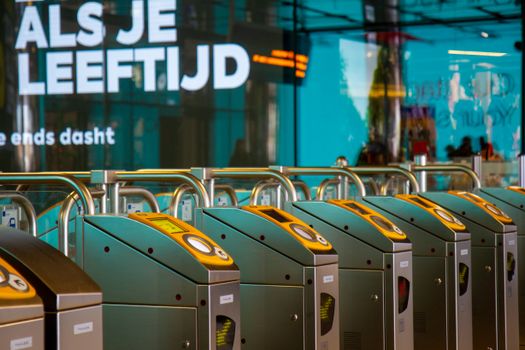
In June 2026, the entire check-in and security process has gone hands-free.
At major hubs like Singapore Changi, Dubai International, and Munich Airport, digital identity wallets and ultra-wideband (UWB) transit chips have completely replaced physical boarding passes and paper passports.
I walked through security without taking my phone out of my pocket or touching a single surface. High-throughput biometric tunnels scanned my iris and facial geometry on the move, matching my identity to my digital health and customs declarations instantly.
``` [Passenger Approaches] ➔ [UWB Sensor Detects Digital ID] ➔ [Biometric Facial Scan] ➔ [Pathogen Clearance Verified] ➔ [Gate Opens Automatically] ```
Even the security bins have evolved. The gray plastic trays of old have been replaced by self-disinfecting bins that pass through an intensive UVC sterilization chamber beneath the conveyor belt on every single rotation.
> Pro-Tip: To take advantage of this seamless flow, set up your biometric profile on your airline’s app at least 72 hours before departure. If you are flying through Europe, ensure your Euro-ID or digital passport is linked to your biosecurity clearance profile to bypass the manual verification queues entirely.
---
3. Breathing Easy at 35,000 Feet: Active Cabin Ionization
Historically, airplane cabins have had a bad reputation for air quality, despite airlines pointing to their medical-grade HEPA filters. The issue was never the recirculated air; it was the stagnant air in your immediate breathing zone before it reached the filtration system.
In June 2026, major carriers (including Singapore Airlines, Delta, and Lufthansa) have retrofitted their fleets with active bipolar ionization systems integrated directly into the overhead gasper vents.
``` Traditional HEPA (Passive) June 2026 Ionization (Active) ┌─────────────────────────┐ ┌─────────────────────────┐ │ Air must travel to filter│ VS │ Ions are projected down │ │ to be cleaned. │ │ to neutralize microbes │ │ Stagnant air remains. │ │ directly in your zone. │ └─────────────────────────┘ └─────────────────────────┘ ```
This technology projects safe, charged ions directly into your personal seating space. These ions bind to microscopic airborne particles (like viruses, dust, and allergens), causing them to clump together so they fall out of the air or are easily captured by the cabin's ventilation system.
Furthermore, seat fabrics are no longer just vacuumed between flights. Airlines are now using textiles woven with microscopic silver and copper threads. These metals are naturally antimicrobial, disrupting the cellular walls of bacteria and viruses on contact.
> Pro-Tip: When you board, don't turn off your overhead air vent. Keep it on a low, steady flow pointed directly at your face. This ensures a continuous stream of freshly ionized, purified air throughout your flight.
---
4. Smart Hotels: Where Luxury Meets Molecular Defense
The hospitality sector has embraced the new hygiene standards with a level of sophistication that blends seamlessly into the luxury experience.
I checked into a boutique hotel in Copenhagen's design district. There was no front desk queue; my phone unlocked the elevator and my room door via an encrypted digital key.
As I entered the room, a soft green indicator light near the thermostat turned off. This was the "Sanctuary Status" indicator, confirming that the room’s localized HVAC system had completed a full molecular air exchange and UVC sweep since the previous guest departed.
Key Hotel Upgrades in June 2026:
- Copper-Alloy Touchpoints: Door handles, light switches, and faucets are crafted from brushed copper alloys that look beautiful but naturally kill pathogens within minutes.
- Photocatalytic Wall Paints: Hotel walls are coated with specialized matte paints that react with indoor light to neutralize odors, volatile organic compounds (VOCs), and airborne bacteria.
- No More Plastic Wraps: The tacky plastic sleeves on remote controls are gone. Remotes are now made from seamless, waterproof, medical-grade silicone that housekeepers sanitize using specialized handheld UVC wands between stays.
> Pro-Tip: If you prefer absolute certainty, look for hotels certified under the "Bio-Safe Elite" registry. You can check your room’s real-time air quality index (AQI) and sanitation log directly through the hotel's smart TV interface.
---
5. High-Speed Rail: The New Standard for Commuter Health
Cross-border train travel in Europe and Asia has surged in popularity, partly due to the incredible hygiene upgrades implemented across high-speed rail networks like the Eurostar and Japan’s Shinkansen.
On my journey from Paris to Amsterdam, I noticed the overhead digital displays did not just show the train's speed and next stop; they also displayed real-time carbon dioxide ($CO_2$) levels and particulate matter metrics for each individual carriage.
Keeping $CO_2$ levels below 800 parts per million (ppm) is crucial for preventing the buildup of stagnant, pathogen-carrying air. The train’s smart HVAC systems automatically adjust fresh air intake based on real-time passenger density in each carriage.
``` Carriage CO2 Dashboard (Real-Time): ┌──────────────────────────────────────────────┐ │ Carriage 4: 620 ppm [OPTIMAL AIR EXCHANGE] │ │ Carriage 5: 680 ppm [OPTIMAL AIR EXCHANGE] │ └──────────────────────────────────────────────┘ ```
Additionally, the luggage racks now feature built-in, low-intensity sanitizing bars that cast a protective shield over your bags, preventing the cross-contamination of transit dust and grime.
> Pro-Tip: When booking your train tickets, opt for the newer fleet models (such as the Eurostar e320 or the Shinkansen N700S series), which feature advanced under-seat active filtration systems that pull air downward, preventing it from circulating between passenger faces.
---
6. The June 2026 Packing List: What to Carry (And What to Ditch)
The evolution of travel hygiene means your packing list should look very different this summer. It is time to clear out the cluttered ziplock bags of sticky liquids and embrace smart, sustainable alternatives.
What to Ditch:
- Single-Use Plastic Masks: Unless you are actively unwell, these are largely redundant in modern, highly-filtered transit environments.
- Alcohol-Based Gel Bottles: They dry out your skin, damage leather travel bags, and are bad for the environment.
- Chemical Disinfectant Wipes: They strip the protective coatings off your personal devices and high-tech luggage.
What to Pack:
- Copper-Infused Tech Sleeves: Keep your phone, tablet, and passport in sleeves woven with copper fibers to keep your most-touched items naturally sterile.
- Smart Hydration Bottles: Invest in a double-walled bottle with an integrated UVC-C cap (like the latest LARQ models) to purify municipal tap water anywhere in the world in 60 seconds.
- Probiotic Hand Balms: These balms use beneficial bacteria to crowd out harmful pathogens while keeping your skin hydrated during long transit days.
---
Quick Facts & Logistics for June 2026 Travel
To help you plan your summer adventures with complete peace of mind, here is a breakdown of what to expect regarding costs, timing, and navigation under the new hygiene standards.
| Metric / Parameter | Detail & Estimated Costs | Insider Travel Tip | | :--- | :--- | :--- | | Average Biosecurity Surcharge | $5 - $12 per ticket (built directly into port/airport taxes) | You won't pay this out of pocket; it is pre-integrated into your booking. | | Best Time to Travel (June 2026) | Mid-week (Tuesdays & Wednesdays) | Air filtration and cleaning cycles are most efficient when terminal occupancy is under 70%. | | Essential App to Download | CommonPass 2.0 or your regional digital health wallet | Link your biometric passport to this app before you arrive at the terminal. | | Top-Rated Clean Airports | Tokyo Haneda (HND), Singapore Changi (SIN), Munich (MUC) | These hubs feature 100% touchless passenger journeys from curb to gate. | | How to Get There (Haneda Airport) | Take the Tokyo Monorail directly from Hamamatsucho Station | The monorail cars are equipped with self-cleaning air purification systems. |
---
The Verdict: A Cleaner, Faster Way to See the World
The transition to the new hygiene standards of June 2026 is a masterclass in how technology can solve complex human problems without compromising our comfort or dignity. We have moved past the era of fear-driven, visible sanitation and entered an era of thoughtful, invisible bio-defense.
By eliminating the bottlenecks of manual checks and physical touchpoints, travel has not only become cleaner—it has regained its magic. We are moving through terminals faster, breathing cleaner air than we do in our own offices, and resting in hotel rooms that are molecularly pristine.
So pack your smart gear, register your biometrics, and step out into the world. The travel landscape has never been cleaner, and the adventure has never been more effortless.
---
More pictures


Tags
Share this guide
We may earn a commission if you click a link and buy a product or service, at no extra cost to you. How affiliate links work.
Been there?