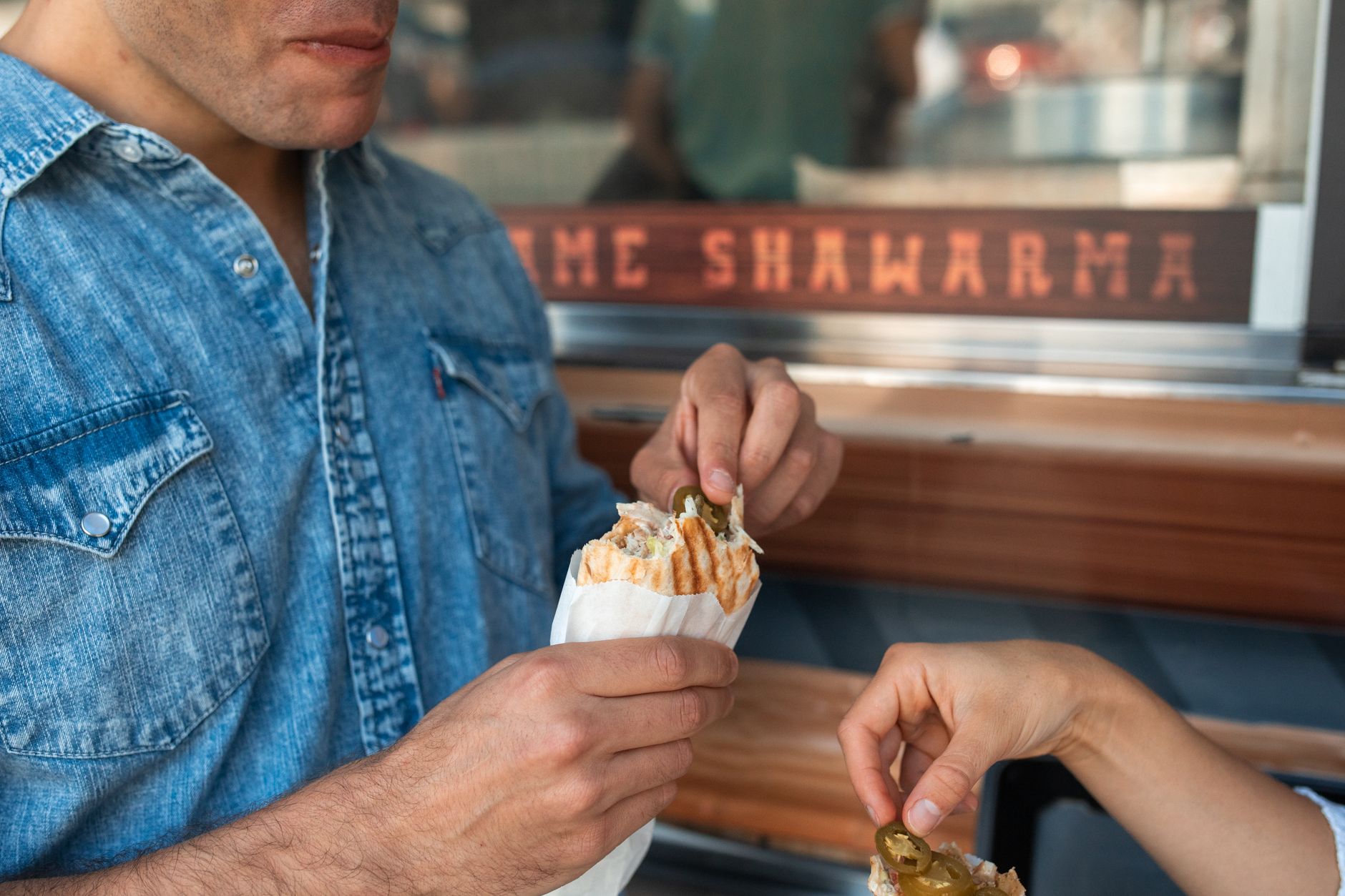
Forget your cutlery and prepare for a culinary revolution! Join me on a globetrotting journey through restaurants where eating with your hands isn't just tradition, it's an exhilarating, life-changing experience that connects you deeply to local culture and incredible flavors. These aren't just meals; they're memories you'll savor forever.
I used to be a creature of habit, a staunch advocate for the fork and knife. My dining experiences were neat, orderly, and, let's be honest, a little predictable. Then, one sweltering afternoon in a bustling Addis Ababa restaurant, a platter of vibrant stews and a basket of spongy injera landed before me, and my culinary world was irrevocably shattered – in the best way possible. There were no utensils, just a shared plate, and the expectation that I’d dig in with my bare hands. My initial apprehension quickly melted into pure, unadulterated joy. That meal wasn't just food; it was an initiation, a sensory explosion, and the start of an obsession.
Over the years, I’ve chased that feeling across continents, seeking out restaurants where eating with your hands isn't just a quirk, but the very essence of the meal. These aren't just places to eat; they're cultural immersion zones, sensory playgrounds, and often, the most authentic way to connect with a destination. They've taught me humility, generosity, and the profound power of food to break down barriers. If you're ready to ditch the silverware and truly feel your food, then buckle up. These are the hand-eating restaurants that changed my life forever, and I promise, they'll change yours too.
---
The Communal Heart of Ethiopia: Injera & Wot
My first foray into hand-eating was at a bustling, unassuming Ethiopian restaurant called Yod Abyssinia in Addis Ababa. The air thrummed with conversation and the intoxicating aroma of berbere spice. When the mesob (a woven basket table) arrived, laden with a huge round of injera (a sourdough-risen flatbread with a unique, spongy texture) and an array of wot (stews) – fiery doro wot (chicken), rich key wot (beef), and vibrant vegetable curries – I felt a mix of excitement and mild panic.
"Just tear a piece of the injera," my host instructed, "and scoop." It felt awkward at first, my fingers fumbling with the soft bread, trying to grasp the slippery lentils. But as I got the hang of it, tearing off a piece, deftly scooping up a mouthful of spicy stew, and bringing it to my lips, something shifted. The communal platter, the shared experience of reaching in alongside others, fostered an instant connection. There was no pretense, no formality, just pure, shared enjoyment. The flavors were incredible – the sour tang of the injera perfectly cutting through the rich, complex spices of the wots. We ate until we were gloriously full, our fingers stained with vibrant turmeric and paprika, our hearts full from the shared laughter and conversation.
Practical Tips for Your Ethiopian Feast:
- Wash Up: Always wash your hands thoroughly before and after. Most Ethiopian restaurants will provide a water pitcher and basin.
- Right Hand Rule: Traditionally, you only eat with your right hand. This is a common courtesy across many hand-eating cultures.
- Tear, Don't Cut: Tear off small pieces of injera (about the size of your palm) and use them as your edible scoop.
- Share the Love: Ethiopian meals are meant to be shared. Don't be shy about reaching for different dishes on the communal platter.
- What to Order: Start with a Beyaynetu (a vegetarian platter, great for variety) or Doro Wot if you eat chicken. Expect to pay around 200-400 ETB ($4-8 USD) per person for a generous meal.
Why it changed me: This meal taught me that food is far more than sustenance; it’s a powerful conduit for human connection. The simple act of sharing from a single platter, with no barriers between you and your dining companions, forged an intimacy that no amount of fancy cutlery could ever achieve. It was profoundly humbling and deeply satisfying.
---
Banana Leaf Bliss: A South Indian Feast in Malaysia
From the highlands of Ethiopia, my culinary adventure took me to the vibrant, multicultural streets of Kuala Lumpur, Malaysia. My mission: a traditional South Indian banana leaf meal. I found myself in Vishal Food & Catering in Brickfields, KL's Little India, a bustling spot where the aroma of curry leaves and spices hung heavy in the air.
As I sat down, a large, fresh banana leaf was laid before me – my plate. Within moments, servers glided by, expertly spooning mounds of fluffy white rice, then ladling out a cascade of colorful curries: a fiery fish curry, a creamy dhal, a tangy rasam, and an assortment of vegetable side dishes like stir-fried cabbage and crispy bitter gourd. No cutlery was offered, nor expected.
Following the lead of the locals, I drizzled a little extra curry over my rice, then plunged my fingers in, mixing the rice and curries together, creating the perfect bite. The texture was incredible – the soft rice, the tender vegetables, the occasional crunch of a spice seed, all coated in the rich, fragrant sauces. It was messy, glorious, and utterly delicious. The slight bitterness from the banana leaf itself imparted a subtle, earthy note to the food. After the meal, the leaf was simply folded inwards, signifying you were done, and whisked away. The sheer simplicity and environmental friendliness of it all struck me.
Practical Tips for Your Banana Leaf Experience:
- Choose Your Weapon: Your right hand is your only tool. Some places might offer cutlery if you ask, but trust me, you’ll miss out.
- Mix It Up: Don't be afraid to mix the rice and various curries directly on the leaf. That's part of the fun!
- Add-ons: Most places offer additional fried fish, chicken, or mutton curries for a small extra charge. Don't miss the fried bitter gourd – it's surprisingly addictive.
- Folding Etiquette: Fold the banana leaf inwards towards you to signify a satisfying meal. If you fold it outwards, it traditionally means the meal was unsatisfactory (though this is less strictly observed by tourists).
- Cost: A basic banana leaf meal usually costs around 8-15 MYR ($2-4 USD), with additional meat dishes raising the price.
Why it changed me: This experience was a masterclass in sensory dining. Eating with my hands intensified every flavor, every texture. It forced me to slow down, to truly engage with my food, and to appreciate the intricate dance of spices and ingredients. It was a humble yet profound reminder that the greatest culinary pleasures often come with the least fuss.
---
The Ultimate Feast of Brotherhood: Filipino Boodle Fight
If you want to experience communal eating taken to its absolute extreme, you must partake in a Filipino Boodle Fight. My first was on the stunning island of Palawan, at a beachfront restaurant called Badjao Seafront Restaurant in Puerto Princesa. A long table was lined with banana leaves, and then, the magic began. Servers arrived with platters piled high: mountains of garlic rice, whole grilled fish, succulent grilled pork belly (liempo), crispy fried chicken, fresh seafood like prawns and squid, juicy mangoes, and even salted eggs and tomatoes. Everything was dumped directly onto the banana leaves, forming an epic, colorful spread.
The signal was given, and everyone, friends and strangers alike, descended on the feast. There were no plates, no forks, just outstretched hands and joyous laughter. We tore off pieces of fish, scooped up handfuls of rice, grabbed juicy prawns, and dipped everything into various vinegary sauces. It was chaotic, messy, and absolutely exhilarating. The feeling of sharing such an abundant meal, literally elbow-to-elbow with new friends, was incredibly powerful. It felt like a celebration of life, food, and human connection. It perfectly embodies the Filipino concept of bayanihan – community spirit and working together.
Practical Tips for Your Boodle Fight:
- Go Hungry: Seriously, starving. The sheer volume of food is astounding.
- Hydrate: Keep water or fresh juices on hand, especially if you're eating spicy dishes under the tropical sun.
- Share is Caring: The essence of a boodle fight is sharing. Don't hoard, and encourage others to try different items.
- Embrace the Mess: You will get messy. Don't fight it. Wet wipes and napkins are your best friends afterwards.
- What to Expect: Prices vary greatly depending on the seafood and meat choices, but expect to pay around 500-1000 PHP ($9-18 USD) per person for a truly epic spread, especially if it includes fresh seafood.
Why it changed me: The boodle fight was a masterclass in generosity and breaking down social barriers. It stripped away all formality and forced me into a state of pure, unadulterated enjoyment and camaraderie. It showed me how food, in its most unpretentious form, can foster deep bonds and create unforgettable memories. It’s an Instagram-worthy spectacle of abundance and joy!
---
Street Food Savvy: Tacos in the Heart of Mexico City
While many Westerners eat tacos with their hands, the art of the street taco in Mexico City is a hand-eating experience unto itself. My favorite spot was a bustling corner stand near my Airbnb in Roma Norte, Mexico City, known for its tacos al pastor. The sight alone was mesmerizing: a vertical spit (trompo) laden with marinated pork, pineapple, and onion, slowly roasting, its juices dripping down. The taquero (taco maker) expertly sliced off slivers of pork, caught them on a small corn tortilla, and with a flick of his wrist, caught a piece of pineapple thrown from the top of the trompo.
Standing shoulder-to-shoulder with locals, I'd grab my taco – sometimes two, or three, or five – load it with a spoonful of fiery salsa (careful!), a sprinkle of cilantro and onions, and a squeeze of lime. The key is the one-handed grip: thumb on top, fingers underneath, a slight tilt to prevent spillage. Each bite was an explosion of flavor and texture: the slightly charred, tender pork, the sweet pineapple, the soft tortilla, and the kick of the salsa. It was fast, efficient, and utterly delicious. And the best part? Each taco cost a mere 15-25 MXN ($0.80-$1.50 USD).
Practical Tips for Your Taco Adventure:
- Observe and Learn: Watch how the locals hold their tacos. It's an art.
- Salsa Savvy: Always try a tiny bit of salsa first. Mexican salsas range from mild to "call the fire department."
- Don't Overload: Smaller, perfectly balanced tacos are better than a giant, spilling mess.
- Look for the Line: A long line of locals usually means amazing food.
- Try Different Fillings: Beyond al pastor, try suadero (confit beef), carnitas (braised pork), and barbacoa (slow-cooked lamb or beef).
Why it changed me: Eating street tacos in Mexico City wasn't just about the incredible taste; it was about the rhythm of the city, the vibrant energy of the street, and the democratic nature of food. It taught me that some of the most profound culinary experiences can be found not in Michelin-starred restaurants, but on a bustling street corner, enjoyed quickly and unpretentiously. It’s the ultimate grab-and-go hand-eating experience.
---
Southern Comfort, Hands-On: The American Seafood Boil
My final life-changing hand-eating experience brought me home, to the lively, spice-infused culture of the American South. Specifically, a crawfish boil in New Orleans, Louisiana. I joined a group of friends at a local joint called The Boil Seafood House, where the atmosphere was boisterous and the tables were covered in butcher paper. Soon, massive bags of steaming, bright red crawfish, corn on the cob, potatoes, and spicy sausage, all drenched in a potent blend of Cajun spices, were dumped directly onto the table.
This was a full-contact sport. There’s a technique to peeling crawfish: twist the head off, peel the first few segments of the tail, and then suck the flavorful juices from the head (if you dare!). It’s messy, it’s spicy, and it’s incredibly fun. Fingers became sticky with butter and spice, faces turned red from the heat, and laughter echoed around the table. It wasn't just a meal; it was an event, a shared ritual of cracking, peeling, and savoring. The simple pleasure of tearing into a juicy crawfish, followed by a bite of sweet corn, was pure bliss.
Practical Tips for Your Seafood Boil:
- Dress Down: Wear clothes you don't mind getting messy. Seriously.
- Napkin Arsenal: Request extra napkins, or even better, bring a roll of paper towels.
- Gloves (Optional): Some people use gloves to keep their hands clean, but I find it detracts from the experience. Embrace the mess!
- Suck the Head: For the adventurous, sucking the juices from the crawfish head is a rite of passage and packed with flavor.
- Don't Waste the Sides: The corn and potatoes soaked in the spicy broth are just as delicious as the seafood.
- Cost: Crawfish prices fluctuate seasonally, but expect to pay around $5-8 USD per pound. A good meal might be 3-5 pounds per person.
Why it changed me: The seafood boil was a vibrant celebration of regional culture and simple, hearty food. It taught me the joy of uninhibited eating, of getting completely lost in the moment, and of connecting with people over a shared, deliciously messy endeavor. It's a reminder that sometimes, the most sophisticated dining experiences are the ones where you just roll up your sleeves and dive in.
---
Ditch the Utensils, Embrace the World
These hand-eating experiences, from the communal injera platters to the chaotic boodle fights, have fundamentally reshaped my relationship with food and travel. They've taught me that sometimes, the greatest barriers to understanding a culture aren't language or customs, but simply the formality of a fork and knife. When you eat with your hands, you literally get your hands dirty, you become part of the food, part of the tradition, and part of the story.
It’s about more than just taste; it’s about touch, smell, and the primal joy of connecting directly with what nourishes you. It’s about sharing, laughing, and creating memories that are as rich and vibrant as the meals themselves. So, the next time you travel, or even explore your own city, I challenge you: seek out one of these incredible hand-eating restaurants. Step out of your comfort zone, embrace the mess, and prepare to have your life changed, one delicious, finger-licking bite at a time.
What are your favorite hand-eating experiences? Share your stories and tips in the comments below – I'm always looking for my next life-changing meal!
---
More pictures


Tags
Share this guide
We may earn a commission if you click a link and buy a product or service, at no extra cost to you. How affiliate links work.
Been there?