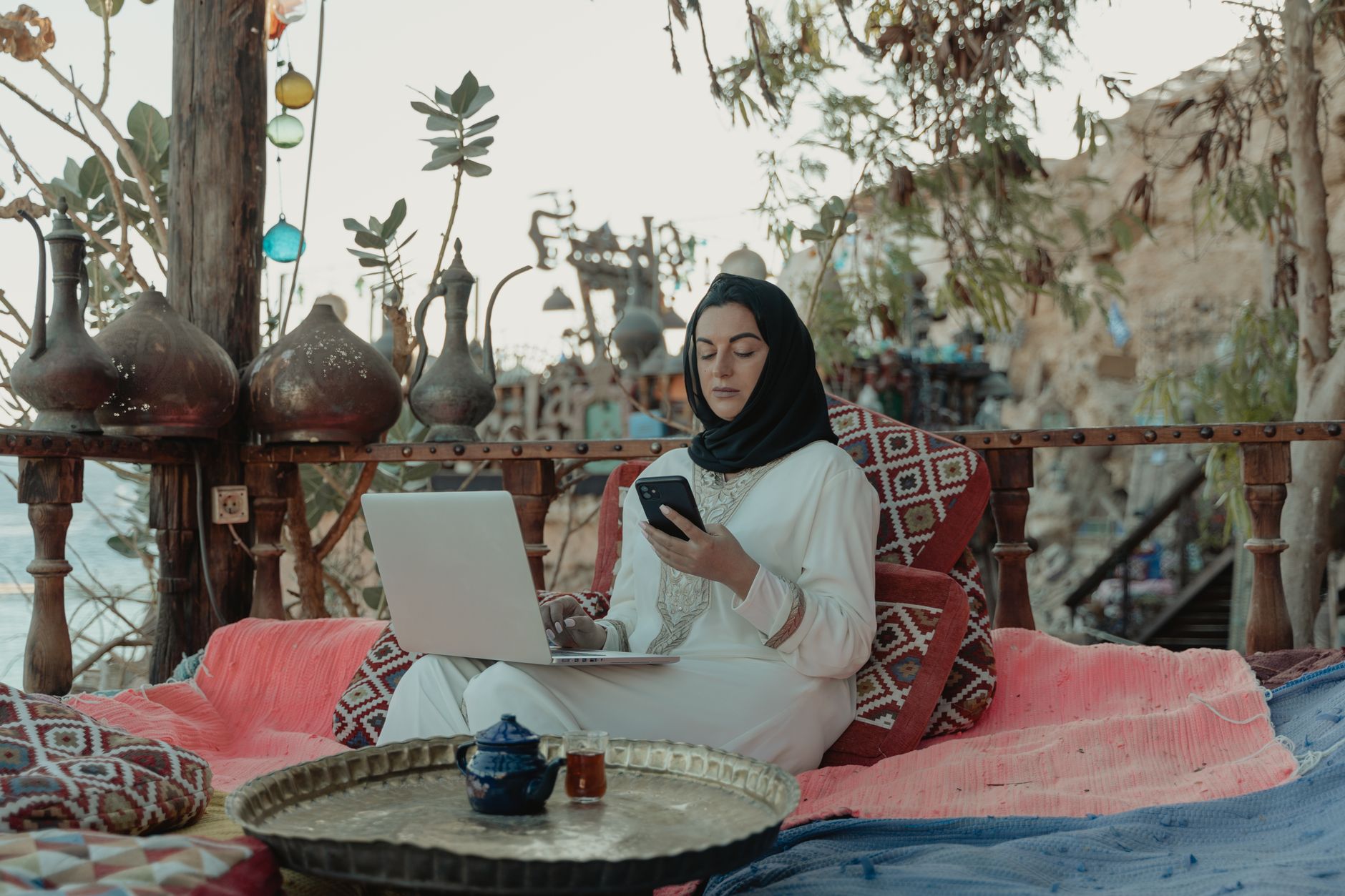
Imagine ditching the daily commute for a morning stroll through an ancient piazza, all while earning your regular salary. The dream of getting paid to live abroad is no longer just a fantasy. Countries worldwide are actively rolling out the red carpet – and even some cash incentives – for remote workers, making now the perfect time to turn your wanderlust into your new reality. ---
Your Global Office Awaits: Countries That Pay You to Work Remotely (Trending Now!)
I remember it like yesterday. Staring out my office window, watching the rain streak down the glass, a familiar ache settled in my chest. It wasn't just the dreary weather; it was the monotony. The same four walls, the same routine, the same nagging feeling that there had to be more to life than this. I craved adventure, new horizons, the kind of vibrant experiences I usually only found in travel brochures.
Then, the world changed. The pandemic, for all its chaos, brought one undeniable silver lining: the mainstreaming of remote work. Suddenly, my cubicle wasn't a necessity. My laptop became my passport, and the entire globe, with its endless possibilities, became my potential office. But what if I told you that some countries aren't just allowing you to work remotely from their shores, they're actively incentivizing it? Yes, you read that right. We’re talking about destinations that are literally paying you to live and work remotely, or at the very least, making it incredibly financially attractive to do so.
At Tripsora, we’ve been tracking this exciting trend, and let me tell you, the opportunities are ripe for the taking. This isn't just about a visa; it's about a lifestyle revolution. So, pack your bags (metaphorically, for now), because we're diving deep into the trending countries ready to welcome you with open arms – and potentially, open wallets.
The Golden Ticket: How Countries Are Luring Remote Workers
Before we get to the juicy specifics, let's understand the "how." How exactly do countries "pay" you to work remotely? It's not always a direct cash handout (though sometimes it is!). More often, it comes in several enticing forms:
- Direct Grants & Relocation Packages: Especially in depopulated rural areas, some regions offer grants to individuals or families willing to move and contribute to the local economy. Think small Italian villages wanting to revitalize their communities.
- Tax Incentives: Many digital nomad visas come with significant tax breaks for a set number of years, allowing you to keep more of your hard-earned income. This can translate into thousands of dollars in savings annually!
- Low Cost of Living: While not a direct "payment," moving from a high-cost city to a lower-cost country means your existing remote salary stretches significantly further, effectively giving you a massive pay raise in purchasing power.
- Startup & Entrepreneurial Support: Some countries offer grants, incubators, or simplified business registration for remote workers who want to launch a venture while there.
- Simplified Visa Processes: While not "payment," the ease and clarity of obtaining a long-term visa specifically designed for remote workers removes a huge barrier, making the move feasible.
This isn't just about attracting high-income earners; it's about enriching local cultures, boosting economies, and filling empty homes. It's a win-win for both the adventurous remote worker and the welcoming host country.
Italy: La Dolce Vita, Paid For? (Especially in the South!)
Imagine: Waking up to the scent of freshly baked bread and espresso, stepping onto a sun-drenched balcony overlooking terracotta rooftops, and knowing your workday involves a midday pausa for a leisurely pasta lunch. This isn't just a dream; it's increasingly a reality in Italy, particularly in its charming, often overlooked southern regions.
Italy has been making headlines for years with its schemes to revitalize depopulated villages. Places like Santo Stefano di Sessanio in Abruzzo, or towns in Sicily and Calabria, have offered incentives ranging from a few thousand Euros to help with renovation costs, or even direct payments to young families willing to relocate. While these specific programs can be competitive and have strict criteria (often requiring you to start a business or commit to a certain number of years), they highlight Italy's eagerness to welcome newcomers.
The Game Changer: Italy's New Digital Nomad Visa! While the village schemes were niche, Italy has officially launched its Digital Nomad Visa (finally!). While specific details are still emerging, expect it to require a substantial minimum income (likely around €28,000-€30,000 per year) and proof of health insurance. The real "pay-off" here, beyond the sheer joy of living in Italy, comes from:
- Low Cost of Living (South): While Rome and Milan are pricey, regions like Sicily, Puglia, and Calabria offer an incredibly affordable lifestyle. I once stayed in a stunning Airbnb in Polignano a Mare, Puglia, overlooking the Adriatic, for less than what I'd pay for a cramped studio in a major European capital. You can find beautiful, spacious apartments for €400-€700/month outside the main tourist hubs.
- Tax Incentives: Italy offers attractive tax regimes for new residents, including a special "impatriate" regime that can reduce taxable income by 70-90% for eligible workers for up to five years, especially for those moving to the South. This is where your remote salary truly gets a boost!
- Unbeatable Lifestyle: From the world-class food and wine to the rich history and warm culture, Italy offers an unparalleled quality of life. Imagine exploring ancient ruins on your lunch break or enjoying aperitivo by the sea after logging off.
My Anecdote: During a remote work stint in Siracusa, Sicily, I discovered that my daily expenses for incredible fresh produce, local wines, and even a lovely apartment with a sea view were significantly less than my monthly rent back home. It felt like I was getting paid extra just to be there, soaking in the Baroque beauty and savoring every cannolo. Plus, the Wi-Fi was surprisingly robust, even in the historic Ortigia island!
Instagram-Worthy: Ancient Roman theaters, vibrant local markets, cliffside villages, turquoise waters, plates of pasta, and gelato. Every corner is a postcard.
Spain: Sunshine, Siestas, and Smart Savings
Picture this: Starting your day with a strong Spanish coffee, working from a co-working space overlooking a bustling plaza, and ending it with tapas and flamenco. Spain has long been a magnet for expats, and its new Digital Nomad Visa, launched in 2023, has cemented its place as a top contender for remote workers seeking a vibrant life.
Spain's DNV is specifically designed for non-EU citizens who work remotely for companies outside Spain or are self-employed. Key requirements include:
- Proof of a stable remote income (currently around €2,100/month, but check the latest official sources as this can vary).
- Proof of sufficient funds to support yourself.
- Health insurance.
- A clean criminal record.
The real financial incentive here lies in the Special Tax Regime for Inpatriates, often dubbed the "Beckham Law." This allows eligible foreign workers (including digital nomads) to opt to be taxed as non-residents for their first six years in Spain. This means a flat tax rate of 24% on Spanish-sourced income up to €600,000, and often exempting foreign-sourced income. For many, this is a significant saving compared to standard progressive income tax rates.
- Cost of Living: While Barcelona and Madrid can be expensive, cities like Valencia, Seville, Málaga, or Granada offer an exceptional quality of life at a fraction of the cost. You can find lovely apartments for €600-€900/month, and the cost of groceries, dining out, and transport is very reasonable.
- Quality of Life: Spain boasts fantastic weather, delicious food, rich cultural heritage, excellent public transport, and a relaxed pace of life. The work-life balance here is legendary.
My Anecdote: I spent a month working remotely from Valencia. The city had the perfect blend of modern amenities and historic charm. My morning routine involved a walk through the Turia Gardens, a former riverbed converted into a sprawling park, before settling down to work. My evenings were filled with cheap, delicious tapas and vibrant nightlife. The high-speed internet was flawless, and the local community was incredibly welcoming. It felt like I was on an extended vacation, yet I was still hitting all my work deadlines.
Instagram-Worthy: Gaudi architecture, sun-drenched beaches, tapas spreads, flamenco dancers, historic cathedrals, and lively street art.
Portugal: Europe's Digital Nomad Darling
Portugal has been ahead of the curve, becoming a true pioneer in attracting remote workers. Its D7 Visa (Passive Income Visa) and more recently, its dedicated Digital Nomad Visa, have made it one of the most sought-after destinations.
The D7 visa is for those with a stable passive income (e.g., investments, pensions), while the Digital Nomad Visa is explicitly for those with remote employment or self-employment income. Both typically require:
- Proof of income (around €3,040/month for the Digital Nomad Visa, based on four times the Portuguese minimum wage, but always confirm current requirements).
- Proof of accommodation.
- Health insurance.
The "Pay You" Factor:
- Non-Habitual Resident (NHR) Tax Regime: This is Portugal's golden ticket for many. Eligible new residents can enjoy a flat 20% income tax rate on certain types of Portuguese-sourced income and exemptions on most foreign-sourced income for ten consecutive years. This is a massive financial incentive that puts thousands back in your pocket.
- Remarkably Low Cost of Living: Outside of Lisbon and parts of the Algarve, Portugal offers an incredibly affordable lifestyle. Cities like Porto, Braga, or Coimbra provide beautiful surroundings, rich history, and delicious food at very reasonable prices. Even in Lisbon, if you venture beyond the tourist traps, you can find deals. I’ve known people who rent beautiful apartments in Porto for €700-€1000/month.
- Safety and Community: Portugal is one of the safest countries in the world, with a friendly populace and a thriving international expat and digital nomad community, making it easy to settle in.
My Anecdote: My first remote work retreat was in Lagos, in the Algarve region. Waking up to the sound of waves, taking a quick dip in the Atlantic before my morning stand-up, and then working from a café overlooking the stunning cliffs of Ponta da Piedade was surreal. The internet was reliable, the food incredible, and the evenings were spent exploring hidden coves or enjoying fresh seafood. The NHR scheme was a huge draw for many of my fellow remote workers there, making their decision to relocate long-term an easy one.
Instagram-Worthy: Dramatic coastlines, charming tiled buildings, historic castles, pastel de nata, vibrant street art, and stunning sunsets over the Atlantic.
Malta & Estonia: The Unexpected Trailblazers
Beyond the sunny shores of Southern Europe, two smaller, yet incredibly forward-thinking nations have carved out their own niches in the remote work landscape, offering unique incentives.
Malta: The Mediterranean Microcosm
This tiny island nation in the heart of the Mediterranean is a hidden gem for digital nomads. English is an official language, making integration incredibly easy, and its strategic location offers easy access to the rest of Europe and North Africa.
Malta launched its Nomad Residence Permit in 2021, targeting non-EU/EEA citizens who can work remotely. Requirements typically include:
- A minimum gross monthly income of €2,700.
- Proof of remote work for a non-Maltese company or as a freelancer/entrepreneur with non-Maltese clients.
- Health insurance.
- Proof of accommodation.
The "Pay You" Factor:
- Favorable Tax Regime: Malta offers attractive tax rates for residents, and remote workers under the Nomad Residence Permit may benefit from specific tax treatments, potentially leading to significant savings.
- Low Cost of Living (Relative): While not as cheap as some parts of Portugal or Spain, Malta offers a very reasonable cost of living compared to other Western European nations. You can find modern apartments for €700-€1,200/month, and local produce and dining are affordable.
- Lifestyle: Imagine year-round sunshine, crystal-clear waters, ancient temples, and a vibrant cultural scene. Malta is a hub for diving, sailing, and exploring historical sites.
My Anecdote: I spent a productive week in Valletta, Malta, working from a co-working space that overlooked the Grand Harbour. The internet was blazing fast, and the community of international remote workers was incredibly welcoming. After work, I'd wander through the ancient streets, grab a pastizzi (a delicious savory pastry), and watch the sunset over the fortified city. The ease of getting around the island, combined with the English language, made it feel incredibly accessible, even for a short-term stay.
Instagram-Worthy: Baroque architecture, ancient megalithic temples, Blue Lagoon, colorful fishing boats, fortified cities, and stunning Mediterranean vistas.
Estonia: The Digital Frontier
Estonia might not be your first thought for a remote work paradise, but this Baltic nation is a true pioneer in the digital world. It was the first country to offer an e-Residency program and followed up with a dedicated Digital Nomad Visa in 2020.
The Estonian Digital Nomad Visa (type D) allows non-EU/EEA citizens to live in Estonia for up to a year while working for an employer registered outside Estonia or as a freelancer/consultant with international clients. Key requirements include:
- A minimum gross monthly income of €3,500 for the six months prior to application.
- Proof of remote work.
- Health insurance.
The "Pay You" Factor:
- E-Residency & Business Ease: While not direct payment, Estonia's e-Residency program allows anyone to establish an EU-based company online, manage it remotely, and access EU banking services. This drastically simplifies business administration and global operations for freelancers and entrepreneurs, potentially saving significant time and money.
- Affordable Living: Estonia offers a very high quality of life at a cost significantly lower than Western Europe. Tallinn, its capital, is a vibrant, modern city with a beautiful medieval Old Town. Rent for a modern apartment can range from €500-€900/month.
- Tech-Forward Environment: If you're in tech, Estonia is your playground. It boasts a thriving startup scene, excellent digital infrastructure, and a highly educated population.
My Anecdote: While I haven't personally lived in Estonia, I have friends who have leveraged its e-Residency for their businesses and rave about the seamless digital infrastructure. One friend, a freelance web developer, set up his entire EU-based company from his home in the US, then moved to Tallinn for a year. He loved the blend of medieval charm and cutting-edge tech, often working from stylish cafes in the Rotermann Quarter or exploring the vast forests on weekends. He said the ease of doing business and the low cost of living made his income stretch further than ever before.
Instagram-Worthy: Medieval Old Town, modern glass skyscrapers, vast forests, frozen lakes (in winter), vibrant street art, and innovative design.
Beyond the Visa: Making Your Move a Masterpiece
Getting the visa is just the first step. To truly thrive and make the most of being "paid" to live abroad, here are some actionable tips:
- Do Your Research (Thoroughly!): Visa requirements, income thresholds, and tax laws change. Always consult official government websites, immigration lawyers, or tax advisors for the most up-to-date and accurate information. What I've provided here is a guide, not legal advice!
- Budget Like a Pro: While the cost of living might be lower, initial setup costs (visa fees, flights, deposits, furniture) can add up. Have a solid financial buffer. Track your expenses meticulously in your first few months.
- Community is Key: Don't underestimate the importance of building a support network. Look for digital nomad communities on Facebook, Meetup groups, or local co-working spaces. Connecting with fellow remote workers and locals will enrich your experience immeasurably.
- Embrace the Culture: Don't just exist in your new country; immerse yourself! Learn basic phrases in the local language, try new foods, participate in local festivals, and explore off-the-beaten-path destinations. This is where the true "payment" of experience comes in.
- Stay Productive: While the allure of the beach is strong, remember you're still working. Set up a dedicated workspace, maintain a routine, and leverage co-working spaces if home distractions are too much.
- Health & Insurance: Don't skimp on health insurance. Many visas require it, but more importantly, it's crucial for your peace of mind. Research local healthcare options and ensure you're covered for emergencies.
- Tax Implications (Again!): This is complex. Depending on your nationality and where you pay your primary taxes, you might have obligations in both your home country and your host country. Always consult a tax professional specializing in international taxation.
Your Global Office Awaits!
The world has truly opened up for remote workers. The days of being tied to a single office, or even a single city, are fading. Countries are actively competing to attract talent, creativity, and economic contribution from digital nomads. Whether it's the promise of a revitalized village in Italy, the tax incentives of Spain or Portugal, or the digital efficiency of Malta or Estonia, there's a destination out there waiting to be your next global office.
So, what are you waiting for? Stop staring out that window. Start dreaming, start planning, and get ready to turn your wanderlust into your new working reality. The adventure of a lifetime, where you get paid to live it, is calling.
Which country are you eyeing first? Share your dreams in the comments below! And don't forget to share this post with your fellow remote dreamers!
---
More pictures


Tags
Share this guide
We may earn a commission if you click a link and buy a product or service, at no extra cost to you. How affiliate links work.
Been there?