TL;DR: Global geopolitics move fast, and savvy travelers move faster. Thanks to sweeping legislative overhauls, peace treaties, and targeted anti-crime crackdowns, several destinations once deemed off-limits are now safer than traditional European capitals—without the suffocating crowds. From El Salvador’s surf breaks to Uzbekistan’s pristine Silk Road cities, here are five incredible, expert-recommended regions undergoing safety transformations. ---
The Moment the Map Changed
I stepped off the local furgon in the mountain shadow of northern Albania, the sharp aroma of roasted goat fat, pine resin, and wild thyme hanging heavy in the cool Alpine air. Twenty years ago, wandering through these rugged accursed mountains without an armed local escort was an invitation to trouble; the collapse of communist dictator Enver Hoxha’s paranoid regime had left the country awash in weapons and lawlessness.
Today, I was greeted not by highwaymen, but by an elderly woman offering me a chipped glass of homemade plum rakija and a warm wedge of spinach byrek.
Travel warnings often lag behind reality by years, sometimes decades. Geopolitics is dynamic: sweeping legislative overhauls, historic peace accords, and decisive security policies can transform a former "red zone" into a peaceful sanctuary almost overnight. When safety takes root in places long shrouded by conflict or crime, a rare golden window opens for intrepid travelers. You get to experience world-class heritage, pristine ecosystems, and unvarnished hospitality—all before the cruise ships and luxury resort chains recalibrate their maps.
Here are five destinations where major political shifts have unlocked previously dangerous regions, transforming them into safe, high-authority recommendations from global travel experts.
---
1. El Salvador: From Gang Capital to Pacific Paradise
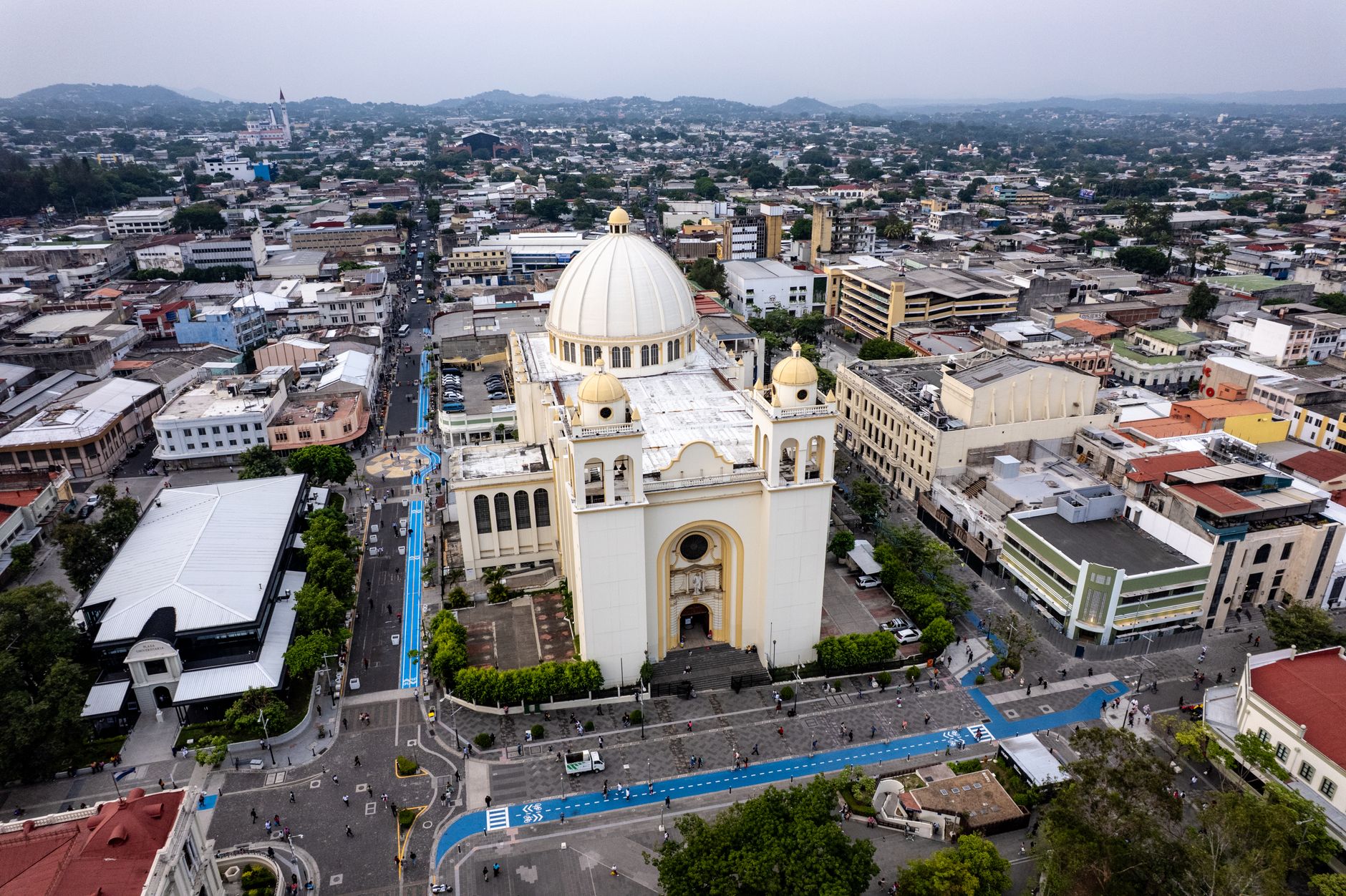
For nearly three decades, El Salvador was synonymous with news reports about street gang control (mara) violence, rendering vast swaths of this mountainous Pacific nation entirely off-limits to international visitors. However, a massive security overhaul initiated in 2022 fundamentally reordered daily life. By deploying targeted military-police operations to dismantle gang infrastructure, the government dropped homicide rates to record lows—making El Salvador statistically safer today than many major U.S. metropolitan areas.
``` [ EL SALVADOR AT A GLANCE ] ┌──────────────────┬────────────────────────────────────────┐ │ Daily Budget │ $45 – $90 USD │ ├──────────────────┼────────────────────────────────────────┤ │ Best Time to Go │ November to April (Dry Season) │ ├──────────────────┼────────────────────────────────────────┤ │ Getting Around │ Local buses ("chicken buses") or rental│ └──────────────────┴────────────────────────────────────────┘ ```
What Changed?
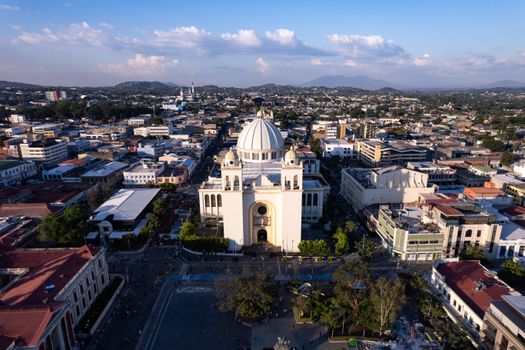
The systemic neutralization of gang control restored public order to urban neighborhoods like San Salvador’s historic center and coastal hamlets along the Libertad department. Infrastructure investments immediately followed, paving roads, installing public lighting, and backing small-scale tourism projects.
The On-The-Ground Experience
In El Zonte (popularly dubbed "Bitcoin Beach"), the mood is relaxed and outdoorsy. Board shorts have replaced bulletproof vests. You can walk barefoot down black-sand volcanic beaches at midnight without a second thought. In the capital, restored plazas like the Plaza Barrios ring with live cumbia music late into the evening.
- Culinary Must-Try: Seek out street stalls serving hand-pressed pupusas de ayote (squash-filled corn tortillas) topped with tangy fermented cabbage curtido.
- Pro-Tip: Skip the crowded afternoon tours to the Juayúa waterfalls along the Ruta de las Flores. Instead, hire a local guide at 6:30 AM from the town square to access the hidden Los Chorros de la Calera falls before the crowds arrive.
---
2. Colombia’s Frontiers: Life Beyond the FARC Peace Accords
For decades, vast swaths of Colombia’s Amazon basin, Pacific coast, and Andean valleys were controlled by guerrilla movements like the FARC, locking travelers out of some of the most biodiverse territory on Earth. The historic 2016 Peace Agreement between the Colombian government and the FARC transformed these former conflict zones into peaceful eco-tourism destinations.
``` [ COLOMBIA AT A GLANCE ] ┌──────────────────┬────────────────────────────────────────┐ │ Daily Budget │ $35 – $75 USD │ ├──────────────────┼────────────────────────────────────────┤ │ Best Time to Go │ December to March, July to September │ ├──────────────────┼────────────────────────────────────────┤ │ Getting Around │ Domestic flights (Satena) + local boats│ └──────────────────┴────────────────────────────────────────┘ ```
What Changed?
Demobilization created safe access to pristine ecological sites that were previously off-limits. Areas like the department of Guaviare and the Serranía de la Macarena transitioned from insurgency strongholds to community-managed national parks.
``` +-------------------------------------------------------------------+ | COLOMBIA'S SAFETY & ACCESS EVOLUTION | +-------------------------------------------------------------------+ | PRE-2016: Restricted Access -> Conflict Zones -> Zero Tourism | | CURRENT: Peace Accord -> Local Guides -> Thriving Eco-Tourism | +-------------------------------------------------------------------+ ```
The On-The-Ground Experience
Medellín’s Comuna 13—once among the most volatile neighborhoods on Earth—now serves as an internationally recognized model of urban transformation, connected by outdoor escalators and vibrant public murals. Beyond the cities, deep in the jungle of San José del Guaviare, former combatants now work as certified eco-guides, leading travelers to ancient rock art panels at Serranía de La Lindosa.
- Architectural/Cultural Detail: Notice how Comuna 13’s brick dwellings are built directly into steep slate hillsides, linked together by orange metal elevated walkways and state-funded cable car stations (Metrocable).
- Pro-Tip: When visiting Caño Cristales (the "Liquid Rainbow" river), book your permit through a local cooperative run by former agricultural workers. Entry numbers are capped daily to preserve the endemic aquatic plant Macarenia clavigera.
---
3. Uzbekistan: Opening the Silk Road After Decades of Isolation
Following independence in 1991, Uzbekistan operated under a highly restrictive, isolationist regime marked by mandatory police registration, strict exit/entry visas, and pervasive military checkpoints between regions. Following political reforms initiated in late 2016, current leadership systematically dismantled these barriers to reopen the heart of the ancient Silk Road to the world.
``` [ UZBEKISTAN AT A GLANCE ] ┌──────────────────┬────────────────────────────────────────┐ │ Daily Budget │ $30 – $65 USD │ ├──────────────────┼────────────────────────────────────────┤ │ Best Time to Go │ April to May, September to November │ ├──────────────────┼────────────────────────────────────────┤ │ Getting Around │ Afrosiyob High-Speed Bullet Train │ └──────────────────┴────────────────────────────────────────┘ ```
What Changed?
The government eliminated tourist visa requirements for over 90 nations, abolished mandatory hotel currency exchange declarations, removed interior highway police checkpoints, and invested heavily in modern transportation infrastructure.
The On-The-Ground Experience
Uzbekistan is now one of the safest destinations in Central Asia. Night walks through the blue-tiled madrasas of Samarkand, Bukhara, and Khiva feel exceptionally calm. Police officers double as tourist ambassadors, and high-speed bullet trains effortlessly connect ancient oasis cities across the Kyzylkum Desert.
``` Tashkent ══════════> Samarkand ══════════> Bukhara (Modern Hub) (Registan Square) (Ancient Oasis) [Connected by High-Speed Afrosiyob Train] ```
- Culinary Must-Try: Order a traditional clay platter of wedding plov—rice slow-cooked in a massive cast-iron qazan with lamb, yellow carrots, cumin, and sweet raisins.
- Pro-Tip: In Samarkand, skip the daytime tourist queues at the Registan. Position yourself on the raised wooden benches across from the Tilya-Kori Madrasa precisely at dusk, when the soft golden floodlights turn on without the noisy day-tour crowds.
---
4. Rwanda: The Blueprint for Modern Post-Conflict Stability
The 1994 genocide left Rwanda in complete economic and social ruin. Through decades of rigorous legal reconciliation, strict governance reform, zero-tolerance anti-corruption policies, and community-led civic initiatives, Rwanda has undergone an extraordinary recovery. Today, it ranks among the safest countries globally, outperforming many Western nations on safety indices.
``` [ RWANDA AT A GLANCE ] ┌──────────────────┬────────────────────────────────────────┐ │ Daily Budget │ $70 – $250+ USD (Exclusive of permits) │ ├──────────────────┼────────────────────────────────────────┤ │ Best Time to Go │ June to September (Dry season) │ ├──────────────────┼────────────────────────────────────────┤ │ Getting Around │ Express minibuses or hired 4x4 drivers │ └──────────────────┴────────────────────────────────────────┘ ```
What Changed?
Instituting Umuganda—a monthly mandatory community cleanup day—fostered social cohesion and kept infrastructure pristine. Heavy investment in eco-tourism conservation transformed former poaching networks into protected national sanctuaries.
The On-The-Ground Experience
Kigali feels spotlessly clean, vibrant, and well-organized. You can stroll through the neighborhood of Nyamirambo late at night without safety concerns. Traffic laws are strictly enforced, speed cameras line every major arterial road, and local street markets operate cleanly and efficiently.
- Local Cultural Detail: Visit the Biryogo Car-Free Zone in Kigali to experience the local cafe culture. Locals gather on colorful outdoor seating to drink spiced black tea (Inyange) and play outdoor games of igisoro (a traditional mancala game).
- Pro-Tip: Skip expensive private taxi services inside Kigali. Download the local taxi app YegoCab or take a licensed motorcycle taxi (motorcyclists carry green helmets with visible registration numbers and secondary helmets for passengers).
---
5. Albania: From Cold War Bunker State to Balkan Gem
Enver Hoxha’s isolationist regime built over 170,000 concrete military bunkers across Albania, effectively cutting off the country from the outside world until the early 1990s. Following a rocky political transition during the late 20th century, Albania invested heavily in law enforcement modernization, infrastructure, and European integration. It has since emerged as one of Europe's safest and most affordable coastal destinations.
``` [ ALBANIA AT A GLANCE ] ┌──────────────────┬────────────────────────────────────────┐ │ Daily Budget │ $40 – $80 USD │ ├──────────────────┼────────────────────────────────────────┤ │ Best Time to Go │ May to June, September to October │ ├──────────────────┼────────────────────────────────────────┤ │ Getting Around │ Intercity furgons (minibuses) or rental│ └──────────────────┴────────────────────────────────────────┘ ```
What Changed?
Targeted anti-crime initiatives, modernized road networks along the Ionian Coast, and widespread rural tourism development turned isolated mountain villages and coastal garrisons into accessible travel spots.
``` +------------------------------------------------------------------+ | THE TRANSFORMATION OF ALBANIA | +------------------------------------------------------------------+ | 1970s: Cold War Isolation -> Bunkers Built -> Off-Limits World | | 1990s: Post-Communist Shift -> Unstable Transition Period | | PRESENT: Safe European Gem -> Modern Infrastructure -> Open Travel | +------------------------------------------------------------------+ ```
The On-The-Ground Experience
Tirana is a colorful capital city where former Cold War underground bunkers (Bunk'Art) serve as modern art galleries and history museums. Down along the Albanian Riviera—in towns like Ksamil and Dhermi—the turquoise waters rival Greece, available at a fraction of the cost and with exceptionally low crime rates.
- Culinary Must-Try: Sample Tavë Kosi, the national dish of tender lamb baked with rice in an egg and sour goat's milk yogurt emulsion, fragrant with fresh garlic.
- Pro-Tip: When hiking the iconic path between Theth and Valbona in the northern Alps, avoid booking high-priced online booking agency packages. Instead, arrange your guesthouse stay directly via WhatsApp with local families in Theth village—they will coordinate early morning luggage transfer via pack horses for half the price.
---
How to Travel Safely in Emerging Post-Shift Regions
When visiting regions undergoing rapid security shifts, standard travel strategies need minor adjustments. Here is how to navigate these destinations responsibly:
``` +------------------------------------------------------------------+ | POST-SHIFT TRAVEL CHECKLIST | +------------------------------------------------------------------+ | [ ] Read Updated Advisories: Check regional maps over headlines. | | [ ] Hire Local Guides: Support local communities directly. | | [ ] Respect Transitions: Mind cultural context and past history. | | [ ] Verify Transit Infrastructure: Check routes and timetables. | +------------------------------------------------------------------+ ```
- Verify Government Advisories vs. Local Realities: State Department/Foreign Office warnings often apply blanket ratings to entire countries based on isolated border corridors. Consult regional maps and recent trip reports from active independent travelers rather than relying solely on generalized headlines.
- Support Local Operators: In post-conflict zones, hiring local guides ensures that tourism income goes directly into rural communities, supporting ongoing economic stability.
- Respect Historical Context: Places like Rwanda and Colombia have experienced real historical trauma. Frame questions around history and political changes with curiosity and respect, letting locals lead conversations on sensitive topics.
---
More pictures

Tags
Share this guide
We may earn a commission if you click a link and buy a product or service, at no extra cost to you. How affiliate links work.
Been there?