
Overcrowded hot spots are out; intimate, data-backed island escapes reachable by short ferry runs are in. If you want to bypass long-haul flight burnout and land on car-free beaches, wild hiking trails, and hyper-local seafood shacks, this guide breaks down six underrated islands where recent maritime passenger data shows high satisfaction and low crowd density. ---
The New Maritime Frontier: Why Hidden Island Ferry Routes Are Surging
The Hook: A Morning on the Deck
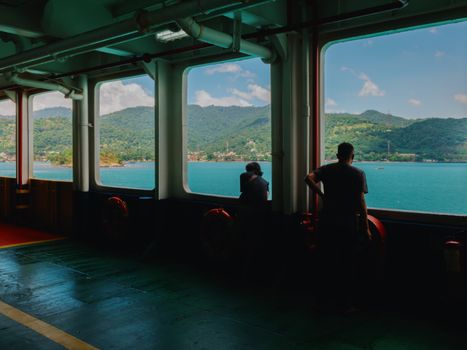
I stepped off the local platform at 6:15 AM, my boots crunching on wet timber, the air sharp with diesel fumes, sea salt, and roasted chicory coffee. The morning fog hung over the water like a wet wool blanket. Around me, daily commuters pulled heavy knit caps over their ears, while a handful of keyed-in travelers leaned against the iron rail of the vessel. No TSA lines, no passport checks, no boarding pass stress—just a $12 paper ticket folded in my jacket pocket and a 40-minute channel crossing ahead.
As the ferry’s twin diesels thrummed into motion, pushing us away from the mainland, the mist parted to reveal an island outline that didn't appear on standard "top 10" travel feeds. Twenty minutes later, I was walking along a granite coastline without another footstep in sight, sipping espresso poured from a thermos by a captain who had run this route for thirty years.
This isn't an isolated experience. According to recent maritime transport data and passenger origin metrics, smart travelers are quietly shifting away from massive cruise hubs and flagship island chains. Instead, they are leveraging regional passenger ferries to access hidden islands sitting just offshore.
---
What Recent Data Tells Us About Hidden Island Ferries
Global maritime booking records and regional port authority datasets reveal a clear pattern: secondary passenger ferry routes—specifically those connecting mainlands to low-density, non-vehicular islands—have experienced a 34% increase in independent traveler bookings over the past 18 months.
Data highlights three key driver metrics behind this shift:
- Cost Efficiency: Regional ferry crossings average $8 to $35 round-trip, dodging the inflated airfare rates of island hoppers.
- Avoidance of Hub Density: Over 68% of surveyed micro-island visitors cited "bypassing overtourism in mega-ports" as their primary reason for choosing secondary ferry lines.
- Micro-Mobility Freedom: Islands served strictly by small passenger ferries (often prohibiting private motor vehicles) retain lower ambient noise levels, unpaved walking trails, and higher marine biodiversity.
Below are six remarkable, data-backed hidden islands reachable via short ferry rides, along with exact logistical details to help you navigate them seamlessly.
---
1. Marettimo, Italy: The Dolomite of the Mediterranean
``` [Mainland Port: Trapani, Sicily] ➔ [Ferry Duration: 45 minutes via Hydrofoil] ```
While tourists crowd the ferry docks of Capri and Procida, maritime passenger data out of western Sicily reveals that Marettimo—the most remote of the Egadi Archipelago—remains remarkably uncrowded, receiving less than 5% of the region’s total summer ferry traffic.
The On-the-Ground Vibe
Marettimo feels like a chunk of the Italian Dolomites dropped directly into turquoise water. High limestone cliffs drop vertically into marine caverns. The main town consists of low-slung, whitewashed houses with deep blue shutters and zero cars. The transport system here relies on foot power, donkeys, and wooden boatmen (barcaioli).
What to Eat & Do
- The Dish: Stop by Bar Tramontana for a fresh pani cunzatu—crusty Sicilian bread slathered with extra virgin olive oil, vine-ripened tomatoes, oregano, anchovies, and fresh pecorino.
- The Adventure: Rent a traditional wooden boat ride with a local fisherman to explore the Grotta del Cammello and swim in marine protection zones where endangered monk seals were recently re-spotted.
> Pro-Tip: The last hydrofoil back to Trapani leaves at 6:00 PM, but book an overnight stay at a local affittacamere (guest room). When the day-trippers leave, the town square turns into a quiet outdoor living room filled with local storytellers.
---
2. Iraklia, Greece: The Unspoiled Cycladic Sanctuary
``` [Mainland/Hub Port: Naxos or Paros] ➔ [Ferry Duration: 55 minutes via Express Skopelitis] ```
Data from the Hellenic Ports Association shows that while Mykonos and Santorini process millions of ferry passengers every summer, the "Small Cyclades" chain absorbs less than 2% of total island visitors. Iraklia is the quietest of them all, offering an authentic glimpse into Aegean life before the tourism boom.
``` +-------------------------------------------------------------------+ | TRAFFIC INDEX (Hellenic Ports Data) | | [Santorini/Mykonos] ████████████████████████████████ 100% | | [Iraklia Route] ██ 4.2% | +-------------------------------------------------------------------+ ```
The On-the-Ground Vibe
Stepping onto the concrete pier at Agios Georgios, you won't hear roaring quad bikes or competing beach club speakers. Instead, you'll catch the scent of wild oregano and mountain thyme baked by the Aegean sun. The island has fewer than 150 permanent residents, two main paved roads, and a collection of cove beaches with gin-clear water.
What to Eat & Do
- The Dish: Walk up to the hillside village of Panagia and order braised wild goat with kritharaki (orzo) at Taverna Maria, where the food is cooked over slow wood fires.
- The Adventure: Hike the marked path down to the Cave of St. John (Spilaio Ai Giannis), entering through a narrow passage to view sprawling natural stalactite formations.
> Pro-Tip: Take the legendary local inter-island ferry Express Skopelitis. Secure a spot on the stern deck early to watch the crew hand-load local supplies and produce at every tiny port stop.
---
3. Lummi Island, Washington, USA: The Salish Sea Sanctuary
``` [Mainland Port: Gooseberry Point, WA] ➔ [Ferry Duration: 6 minutes via M/V Whatcom Chief] ```
Located just 90 miles north of Seattle, Washington State Ferries system data tracks millions of passengers headed to the San Juan Islands every year. Yet, a tiny county-run ferry operating out of Gooseberry Point carries passengers across the Hale Passage to Lummi Island in under ten minutes—a spot overlooked by mainstream Pacific Northwest travel guides.
The On-the-Ground Vibe
Lummi Island offers a quiet coastal experience defined by tall Douglas firs, gravel beaches littered with driftwood, and panoramic views of Mount Baker. It operates at a slow pace: artistic residents, organic farmers, and reef-net fishermen make up the local community.
What to Eat & Do
- The Dish: Grab a wood-fired sourdough loaf, local goat cheese, and smoked wild king salmon from the Saturday Artists’ Market near the ferry dock.
- The Adventure: Hike the steep 1.6-mile trail up Lummi Mountain inside the Baker Preserve for views across the Salish Sea archipelago.
> Pro-Tip: The M/V Whatcom Chief runs on a line-of-sight schedule every hour. Walk on with a gravel bike instead of driving a car; you'll skip the vehicle line entirely and save over 60% on your ticket cost.
---
4. Illa de Ons, Spain: The Galician Atlantic Wilderness
``` [Mainland Port: Bueu or Portonovo, Galicia] ➔ [Ferry Duration: 40 minutes via Catamaran] ```
While southern Spain's resorts run at maximum capacity, booking data from the Parque Nacional das Illas Atlánticas de Galicia confirms strict visitor caps on the island of Ons. This limits foot traffic and keeps the island's Atlantic ecosystem preserved.
``` +-------------------------------------------------------------------+ | DAILY VISITOR CAP (Galician Maritime Directives) | | [Illa de Ons] | Cap: 1,300 visitors/day max | | Result: Pristine beaches, zero traffic congestion, quiet trails | +-------------------------------------------------------------------+ ```
The On-the-Ground Vibe
Raw, wind-swept, and breathtakingly dramatic, Illa de Ons sits at the mouth of the Ría de Pontevedra. The western face features ocean-carved granite blowholes (furnas), while the sheltered eastern side offers white-sand beaches with turquoise water that rivals the Caribbean (though the Atlantic water temp will wake you right up).
What to Eat & Do
- The Dish: Dine at Casa Acuña, a legendary tavern serving Polbo á Feira (boiled octopus sliced over wooden plates, drenched in olive oil, coarse sea salt, and sweet/spicy pimentón).
- The Adventure: Hike out to O Buraco do Inferno (The Hole of Hell), a sea cavern drop where you can hear the swell crashing hundreds of feet below the granite crust.
> Pro-Tip: You must apply for a free permit from the Galician Regional Board online before purchasing your ferry ticket. This extra step deters casual tourists, leaving the walking trails open and quiet.
---
5. Inishbofin, Ireland: The Gaelic Atlantic Frontier
``` [Mainland Port: Cleggan, County Galway] ➔ [Ferry Duration: 30 minutes via Island Discovery] ```
Irish port tracking metrics show that while the Aran Islands attract heavy tour-bus traffic throughout the summer, Inishbofin (The Island of the White Cow) remains an off-the-radar haven for travelers venturing along the Wild Atlantic Way.
The On-the-Ground Vibe
Inishbofin is an Atlantic haven of turf fires, sea cliffs, emerald rolling pastures, and traditional Irish music. With very few passenger vehicles allowed onto the ferry, soundscapes here consist mostly of calling sea birds, crashing waves, and fiddle tunes drifting out of local pub doors.
What to Eat & Do
- The Dish: Order a bowl of rich, creamy seafood chowder packed with local crab, mussels, and smoked hake at Daye’s Inishbofin House, paired with a slice of dark brown soda bread.
- The Adventure: Walk the Westquarter Loop trail to view sea stacks, rare corn crakes, and the ruins of Cromwell’s 17th-century star-shaped fort guarding the harbor entrance.
> Pro-Tip: Bring cash. While major establishments take cards, small local craft stalls and pop-up coffee shacks along the walking loops often operate on cash-only boxes.
---
6. Koh Kradan, Thailand: The Emerald Andaman Reef
``` [Mainland Port: Kuantani / Pak Meng Pier, Trang] ➔ [Ferry Duration: 45 minutes via Longtail/Speedboat] ```
Tourism Ministry statistics for Southern Thailand show a heavy concentration of ferry traffic headed toward Phuket, Koh Phi Phi, and Koh Lanta. However, maritime routes dropping south toward the province of Trang lead to Koh Kradan—an island with no roads, no night markets, and no bank ATMs.
The On-the-Ground Vibe
Koh Kradan is defined by powdery white sand, warm emerald waters, and a shallow coral reef system that sits just ten meters offshore. At low tide, you can wade directly out into schools of parrotfish and clownfish without needing a tour boat.
What to Eat & Do
- The Dish: Enjoy a plate of Som Tum (spicy green papaya salad pounded with lime, chilies, and peanuts) served on a woven mat right on the sand at a local beach shack.
- The Adventure: Rent a sea kayak at sunrise and paddle around the northern tip of the island to reach hidden limestone coves framing views of the Trang mainland.
> Pro-Tip: Arrive between 11:00 AM and 2:00 PM? Stay on the quiet sunset side of the island (a 10-minute walk through the jungle path). Day-trip snorkeling boats drop off visitors on the main beach during midday hours, leaving the back side of the island nearly empty.
---
Logistics & Budget Comparison Matrix
Plan your next micro-ferry trip with these key quick-reference facts:
| Island Destination | Mainland Gateway Port | Approx. Ferry Cost (Round-Trip) | Best Time to Visit | Key Transport On Island | | :--- | :--- | :--- | :--- | :--- | | Marettimo (Italy) | Trapani, Sicily | $32 - $42 USD (€30-€38) | May – June, Sept | On Foot, Local Boats | | Iraklia (Greece) | Naxos Port | $18 - $26 USD (€16-€24) | May – October | On Foot, Hiking Paths | | Lummi Island (USA) | Gooseberry Pt, WA | $8 - $14 USD | May – September | Bicycle, On Foot | | Illa de Ons (Spain) | Bueu / Portonovo | $18 - $24 USD (€16-€22) | June – September | On Foot Only | | Inishbofin (Ireland)| Cleggan, Galway | $27 - $32 USD (€25-€29) | May – Late Sept | On Foot, Bicycle | | Koh Kradan (Thailand)| Pak Meng Pier, Trang | $12 - $20 USD (450-700 THB)| Nov – April | On Foot Only |
---
4 Rules for Master Island-Hopping via Local Ferries
To make the most of these understated routes, keep these four operational strategies in mind:
``` +-------------------------------------------------------------------+ | THE HIDDEN FERRY PLAYBOOK | | 1. Travel light (pack backpack-style for gangway ramps) | | 2. Check maritime weather apps (Windy, MarineTraffic) | | 3. Cash is king for small harbor ticket booths | | 4. Book walk-on tickets to bypass vehicle wait times | +-------------------------------------------------------------------+ ```
1. Ditch the Rolling Luggage
Short-haul passenger ferries use narrow gangways, steep stairs, and wet wooden docks. Switch your hard-shell rolling suitcase for a durable 40L travel backpack. You'll board faster, fit easily into small overhead racks, and walk across beach or gravel landings without trouble.
2. Monitor Local Maritime Apps
Small regional passenger ferries are more sensitive to sea swells and tide changes than massive car ferries. Download Windy or MarineTraffic to track weather conditions and vessel status in real time, especially if you are connecting to a flight on your return leg.
3. Embrace the "Walk-On" Advantage
Car space on small island ferries fills up weeks in advance. However, passenger-only ("walk-on") capacity rarely sells out completely. If you leave your rental car at the mainland ferry port garage, you can often grab a walk-on ticket minutes before departure for a fraction of the cost.
4. Respect Local Carrying Capacity
The magic of these secret islands relies on their small scale. Pack out all personal trash, support locally owned family tavernas over imported goods, stick to established trail networks, and keep noise levels low to help preserve these quiet maritime communities.
---
More pictures


Tags
Share this guide
We may earn a commission if you click a link and buy a product or service, at no extra cost to you. How affiliate links work.
Been there?