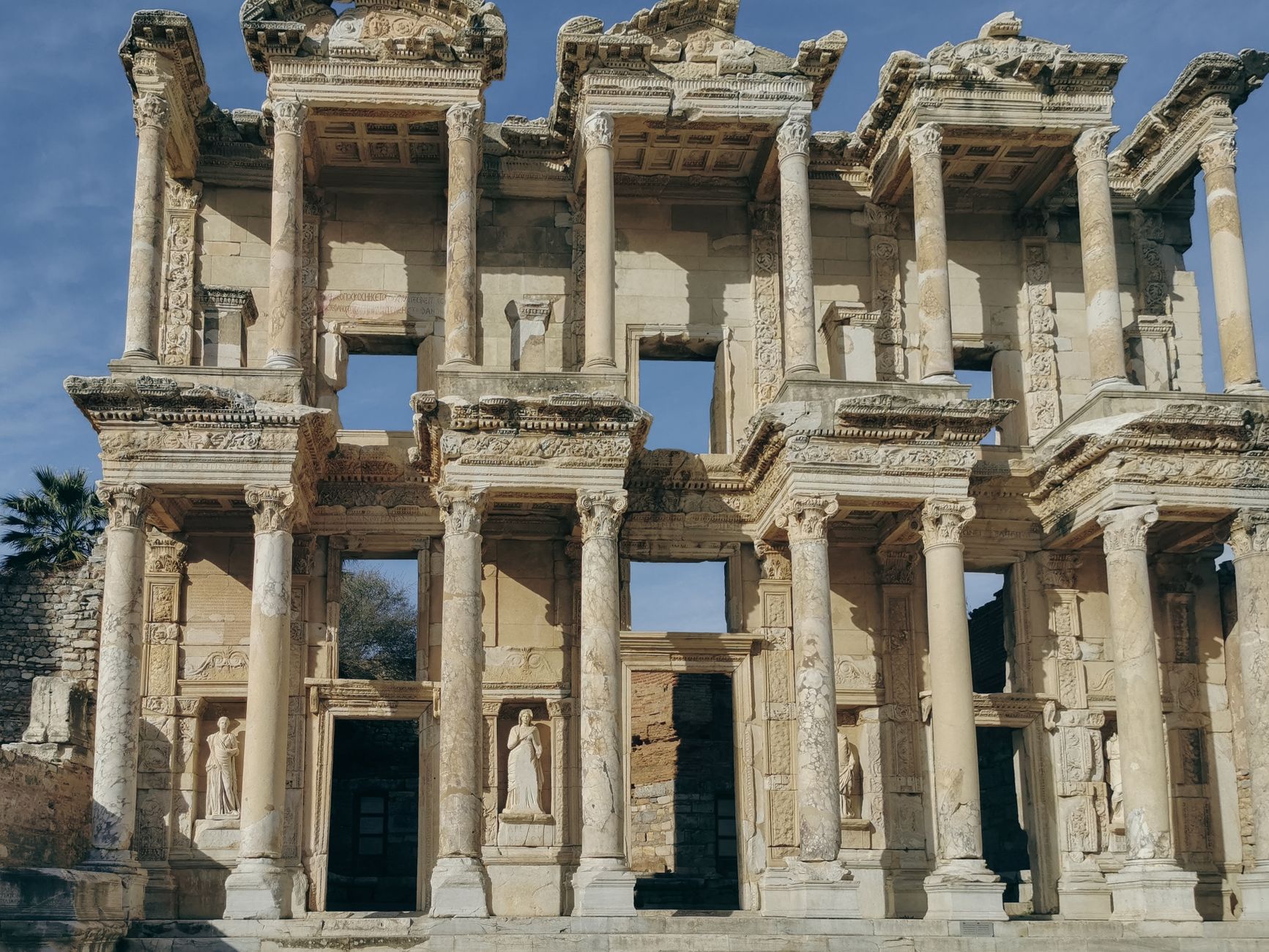
Uncover long-lost architectural marvels returning to life this summer. Explore hidden crypts, royal palaces, and ancient ruins. Plan your July 2026 journey today!
The Moment the Scaffolding Falls
I stepped into the dim cool of the subterranean vault, my boots crunching over smooth river pebbles laid down two millennia ago. The air was cold, thick with the damp smell of aged tuff rock, volcanic ash, and faint pine resin—the exact scent mixture used by Roman artisans to seal timber beams in 79 AD. Outside, the midday Italian sun beat down on the basalt-paved streets of Pompeii, but in this newly unsealed wing of the Regio IX district, the air felt suspended in time.
For seven years, conservators working under hyper-precise climate controls have painstakingly stabilized frescoed tricliniums and restored delicate mosaic floors using fiber-optic lasers and lime-water injections. Watching a restorer delicate-brush away centuries of calcified mud to reveal a blinding wash of cinnabar red felt less like viewing history and more like breaking into it.
July 2026 is officially the most significant month for heritage travel in a generation. Strategic master plans, post-disaster revamps, and multi-decade archaeological stabilization projects across four continents are culminating simultaneously. If you are tired of over-touristed, glass-boxed monuments, this summer brings rare access to living history.
Here are the six newly restored historical sites reopening to visitors in July 2026, complete with insider logistics, exact entrance strategies, and local secrets.
---
1. The Regio IX Insula & House of the Blue Sanctuary (Pompeii, Italy)
Reopening Date: July 3, 2026 The Backstory: Excavated extensively during recent stabilization works to secure the perimeter walls of Pompeii, Regio IX represents an entire urban block that lay untouched since the eruption of Vesuvius. The centerpiece of this grand reopening is the House of the Blue Sanctuary, an elite residential complex featuring rare sky-blue frescoed walls—a pigment made from crushed lapis lazuli and copper silicates that was exponentially more expensive than gold in antiquity.
``` +-------------------------------------------------------+ | INSIDER ARCHITECTURAL HIGHLIGHT | | The rare sky-blue frescoes of Regio IX use pulverized | | lapis lazuli—an extravagant flex of wealth in 79 AD. | +-------------------------------------------------------+ ```
Walking through the atrium, you notice details lost in older excavations: preserved carbonized wooden roof trusses, clear outlines of laundry baskets woven from willow shoots, and small shrine niches where ancient offerings of figs and walnuts were found charred intact.
- Pro-Tip: Avoid entering via the main Porta Marina gate. Take the local Circumvesuviana train to the Torre Annunziata stop instead, entering through the quieter Piazza Esedra turnstiles at precisely 8:30 AM. Walk straight to Regio IX before tour groups congest the main Decumanus.
- The Sensory Detail: Look closely at the atrium threshold—you can still see iron door hinge pivots frozen solid in melted lead.
---
2. The Royal Solar Boat Gallery at the Grand Egyptian Museum (Giza, Egypt)
Reopening Date: July 10, 2026 The Backstory: While the main Grand Egyptian Museum (GEM) opened its primary galleries earlier, the dedicated, climate-engineered, cantilevered pavilion housing King Khufu’s second 4,500-year-old Solar Boat completes its final conservation phase in July 2026. Transported from the foot of the Great Pyramid in a custom-built, remote-controlled smart vehicle, the cedar-wood vessel has undergone five years of painstaking reassembly without a single iron nail, using ancient hemp rope lashing systems.
The new gallery suspends visitors on glass walkways directly above and below the 140-foot-long cedar craft, giving an intimate look at the mortise-and-tenon joinery used by Old Kingdom shipwrights.
- Pro-Tip: Book a night ticket if available. The GEM’s glass facade frames the Great Pyramids lit up under the desert sky, and the climate inside the Solar Boat pavilion is kept at an optimal 18°C (64°F)—a welcome respite from July’s daytime desert heat.
- Insider Pitstop: Head to the lower ground floor café and order sahlab—a sweet, hot orchid-root drink topped with crushed pistachios and cinnamon—while taking in clear views of the Pyramid of Khafre.
---
3. The Subterranean Treasury Crypts of Notre-Dame (Paris, France)
Reopening Date: July 14, 2026 (Bastille Day) The Backstory: While the main nave of Notre-Dame Cathedral welcomed visitors back in late 2024, the deep underground treasury and Gallo-Roman crypt network directly beneath the forecourt remained closed for an extensive $45-million environmental cleanup, stone consolidation, and lighting overhaul.
Ascending into these vaults feels like descending through layers of Paris like an archaeological onion. The 2026 reopening reveals restored 6th-century Merovingian masonry walls alongside newly excavated foundation pillars installed by Maurice de Sully in 1163. The highlight is the restored relic chamber, displaying medieval metalwork and gold chalices saved during the 2019 fire, now housed in state-of-the-art earthquake- and microclimate-proof display cases.
``` [Merovingian Walls (6th C.)] ↓ [Gallo-Roman Heating Flues (2nd C.)] ↓ [Gothic Foundations (1163 AD)] ```
- Pro-Tip: Access to the crypts requires a separate timed-entry pass from the main cathedral ticket. Reserve your entry spot on the official Musées de la Ville de Paris portal 30 days prior at midnight Central European Time.
- The Secret Angle: Look for the section of Roman hypocaust (underfloor heating system) where 2nd-century brick maker stamps are still clearly visible under high-contrast LED illumination.
---
4. The Inner Sanctuary of Ta Prohm (Siem Reap, Cambodia)
Reopening Date: July 18, 2026 The Backstory: Made world-famous by the sprawling roots of silk-cotton (Ceiba pentandra) and strangler fig trees entwined in its sandstone blocks, Ta Prohm suffered from severe structural instability. A joint conservation initiative between the Archaeological Survey of India (ASI) and the APSARA National Authority spent twelve years dismantling, reinforcing, and reassembling the central 12th-century inner sanctuary stone by stone (an intricate process known as anastylosis).
Rather than clearing away the vegetation, engineers designed internal stainless-steel armatures hidden inside the hollowed core of massive trees to support the heavy sandstone lintels without killing the living forest overlay.
- Pro-Tip: Most tourists flock to Ta Prohm at 9:00 AM after watching the sunrise at Angkor Wat. Flip the script: visit Ta Prohm at 5:30 AM when the gates open. The morning mist hanging through the tree canopy combined with damp moss scents creates an unforgettable experience.
- Local Spice Secret: After your morning walk, head to the small food stalls near the east gate and ask for Kuy Teav—a steaming pork and rice-noodle soup spiced with fresh Kampot green pepper and fried garlic.
---
5. Palace of the Dey in the Kasbah of Algiers (Algiers, Algeria)
Reopening Date: July 22, 2026 The Backstory: Sitting atop the steep, labyrinthine UNESCO-listed Kasbah of Algiers, the Dar Es-Sultan (Palace of the Dey) was the seat of Ottoman power in North Africa from 1817 until the French invasion of 1830. Decades of neglect and structural instability rendered the palace complex off-limits to the public.
A multi-million-dollar restoration project has finally stabilized the grand marble courtyard, restored hand-painted Iznik tilework along the harem walls, and opened the Dey’s private audience chambers. Standing on the upper marble loggia, you get panoramic views of white-plastered houses cascading down into the cobalt blue Mediterranean Sea.
- Pro-Tip: You will need a licensed local guide to navigate the dense, winding alleyways of the Upper Kasbah to reach the palace entrance securely and without getting lost.
- Architectural Marvel: Pay attention to the ceiling beams inside the Dey's private apartments—they are carved from cedar wood imported from the Atlas Mountains and painted with intricate floral motifs using natural vegetable dyes that have retained their vibrant cobalt and saffron hues for centuries.
---
6. The Sacred Lower Terraces & Intihuatana Heights of Machu Picchu (Peru)
Reopening Date: July 28, 2026 (Peru National Day) The Backstory: To combat structural erosion caused by foot traffic, Peru's Ministry of Culture strictly restricted access to several key sections of Machu Picchu over the last decade. A massive engineering project featuring concealed carbon-fiber structural grid meshes, drainage channels lined with granite dust, and boardwalk systems made from recycled native oak now allows limited reopening of the Lower Agricultural Terraces and the elevated precinct surrounding the Intihuatana (the Sacred Hitching Post of the Sun).
The restored circuit gives visitors access to agricultural storage rooms (qollqas) and stone channels where clean spring water still flows through Inca granite masonry as smoothly as it did in 1450.
- Pro-Tip: Secure "Circuit 1 - Upper & Lower Panorama" tickets six months in advance. Choose the 6:00 AM to 7:00 AM entry slot, stay in Aguas Calientes the night before, and catch the very first shuttle bus up the mountain at 5:30 AM.
- The High-Altitude Reality: Do not attempt this climb on day one of arriving in Peru. Spend at least two full days in the Sacred Valley (Ollantaytambo or Urubamba) at lower elevation to acclimate before taking on the stairs of the Lower Terraces.
---
July 2026 Logistics & Planning Guide
Planning trips around major historic reopenings requires precise timing. Here is a quick breakdown of costs, transit options, and ideal visiting windows for all six destinations.
| Historical Site | Location | Reopening Date | Est. Entry Fee ($ USD) | Best Time of Day | Getting There | | :--- | :--- | :--- | :--- | :--- | :--- | | Regio IX (Pompeii) | Campania, Italy | July 3, 2026 | $22 (€20) | 08:30 AM | Circumvesuviana Train from Naples to Villa dei Misteri or Torre Annunziata | | GEM Solar Boat Pavilion | Giza, Egypt | July 10, 2026 | $35 (EGP 1,600) | 06:00 PM – 08:00 PM | Taxi/Uber via the Cairo Ring Road straight to the Giza Plateau Complex | | Notre-Dame Crypts | Paris, France | July 14, 2026 | $15 (€14) | 10:00 AM (First slot) | RER B or C Train to Saint-Michel Notre-Dame Station | | Ta Prohm Sanctuary | Siem Reap, Cambodia | July 18, 2026 | Included in $37 Pass | 05:30 AM | Private Tuk-Tuk along the Small Circuit Road from Siem Reap town center | | Palace of the Dey | Algiers, Algeria | July 22, 2026 | $8 (DZD 1,000) | 09:00 AM | Taxi to Place des Martyrs, then walk up through the Upper Kasbah with a guide | | Machu Picchu Terraces | Cusco Region, Peru | July 28, 2026 | $45 (PEN 165) | 06:00 AM | PeruRail/Inca Rail train to Aguas Calientes, then Consettur Bus up to the site gate |
---
How to Book These Reopenings Without High Stress
- Set Up Ticket Alerts 90 Days Prior: Most official government heritage boards release ticket calendars on a 30 to 90-day rolling basis. Bookmark official sites (e.g., pompeiisites.org, culture.gob.pe) directly—avoid high-markup third-party reseller aggregators.
- Pack the Right Gear: Many restored stone surfaces are slick. Leave smooth-soled sneakers behind; bring light trail runners with high-grip rubber outsoles (like Vibram soles) to prevent slipping on worn Roman basalt or wet Khmer sandstone.
- Respect Microclimates: Sites like the GEM Solar Boat Gallery and Notre-Dame’s subterranean crypts enforce precise humidity levels. Keep jackets or lightweight linen layers handy, as indoor temperatures can drop sharply compared to the summer heat outdoors.
These restored spaces remind us why we travel in the first place: to touch the tangible craftsmanship of human hands across thousands of years. As the ribbon falls on these six iconic sites in July 2026, make sure you are among the first to walk back through their doors.
---
More pictures

Tags
Share this guide
We may earn a commission if you click a link and buy a product or service, at no extra cost to you. How affiliate links work.
Been there?