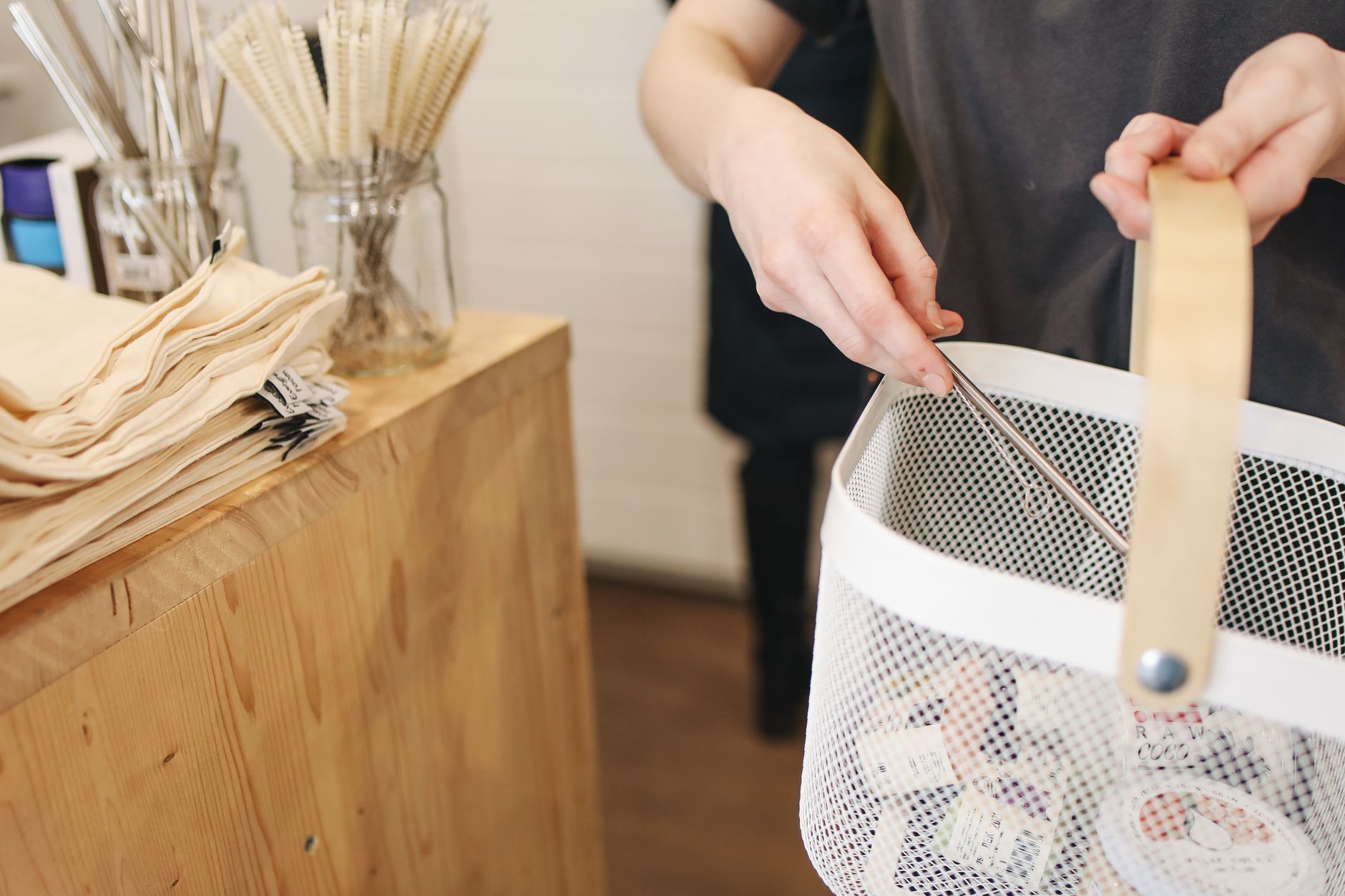
Dreaming of pristine beaches and untouched landscapes? Our love for travel often leaves a plastic footprint, but it doesn't have to! Discover the revolutionary plastic-free travel essentials that will transform your adventures, making them both sustainable and incredibly stylish.
Eco-Travel Game-Changers: Plastic-Free Essentials That Will BLOW Your Mind!
The salty air filled my lungs as I gazed out at the turquoise waters of El Nido, Palawan. It was paradise, a scene ripped straight from a postcard. Then, my eyes drifted downwards. Nestled amongst the coral fragments on the shore was a tangled mess of plastic bags, a discarded flip-flop, and countless tiny, unidentifiable plastic shards. My heart sank. Here I was, living my travel dream, yet the very beauty I sought was being choked by the waste of our convenience-driven world.
That moment was a wake-up call. I realized that as much as I loved exploring new cultures, hiking breathtaking trails, and swimming in crystal-clear seas, my travel habits were part of the problem. Every single-use water bottle, every plastic-wrapped snack, every tiny toiletry bottle contributed to that devastating pile. It hit me: sustainable travel wasn't just a niche; it was a necessity.
But how to do it without sacrificing the joy and ease of travel? I was skeptical at first, imagining a tedious, inconvenient process. Boy, was I wrong! Over the years, I’ve embarked on a mission to discover and test the most incredible plastic-free travel essentials – items so ingenious, so practical, and so stylish, they’ve not only transformed my trips but genuinely blown my mind. These aren't just swaps; they're upgrades. They save money, simplify packing, and make you feel like a responsible rockstar while exploring our incredible planet.
Ready to pack smarter, travel lighter, and leave nothing but footprints? Let's dive into the game-changers!
1. The Hydration Heroes: Sip Smarter, Not Slower
Let's face it: staying hydrated on the go is non-negotiable, especially when you’re scaling ancient ruins in Mexico or trekking through the humid jungles of Costa Rica. But the endless parade of single-use plastic water bottles? That's a habit we must break. This section alone could save you hundreds of dollars and countless plastic bottles.
The Essential Duo:
- Insulated Reusable Water Bottle (e.g., Hydro Flask, Klean Kanteen, S'well): This is your absolute travel MVP. Invest in a good quality, insulated bottle (think 20-32 oz / 600-950ml). Why insulated? Because that ice-cold water you filled up in Rome will stay ice-cold even after hours exploring the Colosseum under the scorching sun. And conversely, your morning coffee will stay piping hot on a chilly train ride through the Swiss Alps. Trust me, there’s nothing worse than lukewarm water on a hot day.
- Personal Anecdote: I remember my first trip to Southeast Asia. I was constantly buying bottled water, feeling guilty with every empty plastic shell. In Bangkok, a 1.5L bottle cost me about 20-30 Baht (less than $1 USD). But over a month, that adds up to a mountain of plastic and surprising expense. Now, with my trusty Hydro Flask, I fill up at hotels, cafes (many are happy to refill for free or a small fee), and even airport water fountains. In Europe, where tap water is generally safe, it’s a no-brainer. I save money, reduce waste, and always have fresh water. It’s a literal lifesaver.
- Portable Water Filter/Purifier (e.g., Lifestraw, Steripen, Grayl Geopress): This is where things get really mind-blowing. If you're traveling to regions where tap water isn't potable, a filter or purifier is your best friend.
- Lifestraw Go Bottle: This is a bottle with an integrated filter. You scoop up water from almost any fresh source (river, tap, lake), and the filter makes it safe to drink. Perfect for hiking or adventurous trips where clean water sources are scarce.
- Steripen: A UV light purifier that zaps bacteria and viruses in seconds. You simply swirl it in your bottle. Lightweight and effective.
- Grayl Geopress: This one is a personal favorite. It works like a French press for water, purifying and filtering almost any dubious water source in about 15 seconds. It's a bit bulkier but offers incredible peace of mind.
- Personal Anecdote: During a trek in Nepal, my Grayl Geopress was invaluable. While others were constantly worrying about where to buy bottled water (and paying tourist prices), I was confidently refilling from mountain streams and village pumps. It not only kept me hydrated but also allowed me to connect with locals who were curious about my "magic" water bottle.
Practical Tips:
- Always ask if a cafe or restaurant can refill your bottle. Many places are happy to help.
- Check local apps like RefillMyBottle or Tap for more refill stations.
- For flights, empty your bottle before security and refill at a fountain post-security.
- Look for bottles with a carabiner clip – perfect for attaching to your backpack!
2. The Savvy Snacker's Toolkit: Munch Mindfully
Travel often involves impromptu picnics, street food delights, and long journeys where hunger strikes. Unfortunately, this usually means a flurry of plastic forks, Styrofoam containers, and cling-wrapped snacks. But with a few clever items, you can feast guilt-free and in style.
The Game-Changing Gear:
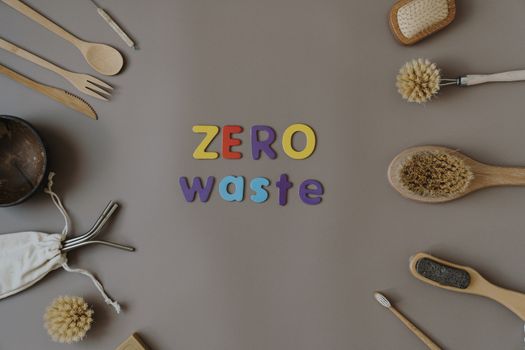
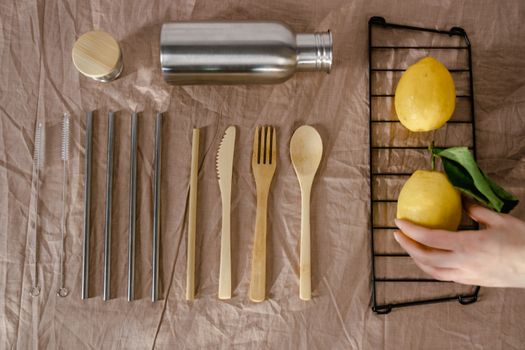
- Reusable Cutlery Set (Bamboo or Stainless Steel): Forget flimsy plastic. A lightweight, compact set of your own fork, spoon, knife, and maybe even chopsticks (often in a cute fabric pouch) is a revelation.
- Personal Anecdote: Eating delicious Pad Thai from a street vendor in Chiang Mai, I proudly pulled out my bamboo spork. The vendor was initially surprised, then delighted, giving me a smile and an extra sprinkle of peanuts. It's a small gesture, but it sparks conversations and shows locals you care. I’ve used my set for everything from gelato in Italy to fruit salads on a train in India.
- Collapsible Silicone Container (e.g., Stasher Bags, Stojo Box): These are pure genius. They fold flat when empty, taking up minimal space, but expand to hold leftovers, snacks, or even a packed lunch.
- Personal Anecdote: I once bought a delicious, fresh-baked pastry in a local market in Paris. Instead of accepting the plastic bag, I popped it into my Stojo box. Later, it served as a perfect container for leftover pasta from dinner. They’re also fantastic for keeping messy items (like a half-eaten sandwich) separate in your bag. Stasher bags, meanwhile, are brilliant for smaller snacks – nuts, fruit, or even toiletries to prevent leaks.
- Beeswax Wraps or Reusable Snack Bags: Say goodbye to cling film and Ziploc bags. Beeswax wraps are pliable, reusable, and keep food fresh. Reusable snack bags (made from fabric or silicone) are also great for dry snacks.
- Cloth Napkin: A simple cloth napkin is infinitely better than paper towels or tissues, and it just feels a bit more refined.
Practical Tips:
- When ordering takeout or street food, politely ask if they can put it directly into your container. Be prepared for some confusion, but often, they’ll oblige.
- Pack your own snacks (nuts, dried fruit, granola bars) from bulk bins before you leave to avoid individually wrapped items on the road.
- Always carry a small, foldable shopping bag (see next section) – it doubles as a snack bag in a pinch!
3. The Personal Care Powerhouses: Glow Green, Go Global
The bathroom is often a plastic minefield: shampoo bottles, shower gel, tiny travel-sized everything. Not only is it wasteful, but leaky liquids and TSA restrictions can be a major headache. Enter the world of solid toiletries – a true game-changer for minimalist, plastic-free travel.
Your Eco-Glam Kit:
- Solid Shampoo & Conditioner Bars (e.g., Ethique, Lush): This is probably the most revolutionary swap. These bars last for ages (often equivalent to 2-3 plastic bottles), take up minimal space, and never leak. They come in compact tins or simply wrapped in paper.
- Personal Anecdote: My first time trying a shampoo bar was for a two-week trip through Iceland. No more worrying about liquid limits, no more sticky messes in my toiletry bag. My hair felt amazing, and I loved the simplicity. Plus, the scents are often incredible!
- Bamboo Toothbrush & Toothpaste Tablets/Powder: A bamboo toothbrush is a simple, biodegradable swap. Pair it with toothpaste tablets or powder (e.g., Georganics, Bite). These come in glass jars or compostable pouches, effectively eliminating the plastic toothpaste tube. Just chew a tablet and brush!
- Safety Razor: Ditch the disposable plastic razors. A sturdy, single-blade safety razor gives an incredibly close shave, reduces irritation, and the blades are recyclable. They require a bit of a learning curve, but once you master it, you'll never go back.
- Reusable Cotton Rounds/Makeup Remover Cloths: Instead of disposable cotton pads, use washable bamboo or cotton rounds for cleansing and makeup removal.
- Solid Sunscreen & Bug Repellent: Many brands now offer solid sticks or tins of reef-safe sunscreen and natural bug repellent. These are fantastic for both convenience and avoiding plastic tubes.
- Soap Bar & Tin: A good old-fashioned bar of soap (for body and even face) in a travel tin is simple, effective, and plastic-free.
Practical Tips:
- Store solid bars in well-draining tins or mesh bags to allow them to dry between uses, prolonging their life.
- Check ingredients for "reef-safe" sunscreens, especially if you're swimming in delicate marine ecosystems.
- Look for local zero-waste shops in your destination – they often stock fantastic regional brands of solid toiletries.
4. The Packing & Shopping Prodigies: Bag It Better
Travel often means spontaneous shopping trips, whether for groceries, souvenirs, or just carrying your daily essentials. Single-use plastic bags are a massive problem globally. Being prepared with your own reusable bags is a small effort with a huge impact.
Your Bag Arsenal:
- Compact, Foldable Reusable Shopping Bags (e.g., ChicoBag, Baggu): These are feather-light, fold down to the size of a small pouch, and can carry a surprising amount. I keep one clipped to my daypack and another in my purse – always ready.
- Personal Anecdote: Wandering through a vibrant market in Marrakech, I stumbled upon a beautiful hand-woven scarf. Instead of accepting a plastic bag, I unfurled my trusty Baggu, much to the vendor's amusement. It felt good to know I wasn't adding to the local waste problem, and it was far more stylish than a crinkly plastic sack.
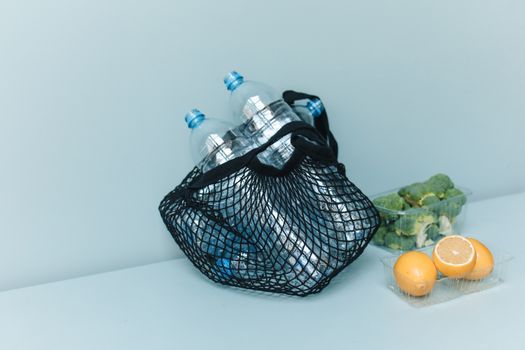
- Reusable Produce Bags (Mesh or Fabric): For when you're buying fresh fruit, vegetables, or bread at a market or grocery store. They're lightweight and allow your produce to breathe.
- Recycled Material Packing Cubes: While not strictly plastic-free, choosing packing cubes made from recycled PET bottles (RPET) is a step in the right direction. They help organize your luggage, compress clothes, and make unpacking a breeze.
- Fabric Laundry Bag: Keep your dirty clothes separate from clean ones without resorting to plastic bags. A simple drawstring fabric bag works wonders.
Practical Tips:
- Make it a habit to always have a small reusable bag with you, no matter how short the outing. You never know when you'll need it!
- When buying souvenirs, opt for items that aren't excessively packaged in plastic. Support local artisans who use natural materials.
- If you forget your reusable bag, consider if you truly need a bag. Can you carry the item?
5. The Digital & Document Defenders: Tech & Paper, Thoughtfully
Even in our digital age, plastic can creep into our tech and document management. While completely eliminating plastic from electronics is challenging, we can make conscious choices and reduce plastic-related waste.
Smart Swaps & Habits:
- Go Digital Whenever Possible: Boarding passes, train tickets, hotel confirmations, maps, guidebooks – nearly everything can be stored on your phone. This saves paper (often plastic-coated) and reduces reliance on plastic ticket holders.
- Personal Anecdote: I used to print everything, terrified of a dead phone. But after a few instances of losing paper tickets or having them get soaked in a sudden downpour in Vietnam, I fully embraced digital. It’s far more convenient, and my phone’s battery has never let me down thanks to a good power bank (see below).
- Reusable Pen & Notebook (or Digital Notes): If you still prefer to jot down thoughts or addresses, carry a refillable pen. Pair it with a small notebook or, even better, use a digital note-taking app on your phone.
- Responsibly Sourced Power Bank: While most power banks are plastic, look for brands that prioritize ethical sourcing of materials and have recycling programs. A good power bank is essential for keeping your digital essentials charged and reducing reliance on single-use batteries.
- Biodegradable Phone Case: When it's time for a new phone case, consider options made from bamboo, plant-based plastics, or compostable materials.
Practical Tips:
- Before you travel, download offline maps and essential documents to your phone, just in case you lose signal.
- Charge your power bank fully before long travel days.
- Consider e-readers for books instead of buying physical copies, especially for long trips.
6. Beyond the Essentials: The Mindset & Mission
Packing plastic-free essentials is a fantastic start, but true sustainable travel goes beyond your luggage. It’s a mindset, a commitment to mindful exploration that benefits both you and the places you visit.
Broadening Your Impact:
- Support Local, Sustainable Businesses: Seek out accommodations, restaurants, and tour operators that prioritize sustainability, use local ingredients, and have strong waste management practices. Ask questions!
- Personal Anecdote: In a small coastal town in Portugal, I found a guesthouse that provided guests with reusable water bottles and offered free refills from a filtered tap. They also sourced all their breakfast items from local farms and had composting facilities. Supporting places like this feels incredible.
- Leave No Trace: Follow the principles of Leave No Trace. Pack out everything you pack in. Stick to marked trails. Respect wildlife and natural habitats.
- Educate & Inspire: Share your plastic-free travel hacks with fellow travelers, friends, and family. Don’t preach, but demonstrate how easy and rewarding it can be. A simple "Wow, where did you get that awesome water bottle?" is often the start of a great conversation.
- Say "No, Thank You" Politely: It might feel awkward at first, but politely refusing plastic bags, straws, or unnecessary packaging is powerful. A simple "No, thank you, I have my own" (while holding up your reusable item) speaks volumes.
- Embrace Imperfection: Don't let the pursuit of perfection paralyze you. It's impossible to be 100% plastic-free in every travel scenario. Start small, make conscious choices, and celebrate every step you take. Every little bit truly helps.
Your Journey to Mind-Blowing, Plastic-Free Adventures Starts Now!
The world is an incredible tapestry of cultures, landscapes, and experiences, and it’s our privilege to explore it. But with that privilege comes a responsibility – to protect the very beauty that draws us in. By embracing these plastic-free travel essentials, you're not just making a statement; you're actively contributing to a healthier planet and a more sustainable future for travel.
These aren't just practical items; they're conversation starters, money-savers, and peace-of-mind providers. They simplify your packing, elevate your travel experience, and connect you more deeply with the places you visit. Imagine sipping a fresh juice from your reusable cup on a bustling street, knowing you’re making a difference. Or effortlessly clearing airport security with your solid toiletries, feeling utterly prepared.
So, what are you waiting for? It's time to ditch the disposable, embrace the reusable, and embark on your most mindful, awe-inspiring adventures yet. Pack these game-changers, challenge yourself to make one new plastic-free swap on your next trip, and share your journey with us using #TripsoraEcoTravel. Let's make every journey a testament to our love for the planet.
What plastic-free essential has blown your mind? Share your favorite tips and tricks in the comments below!
---
More pictures


Tags
Share this guide
We may earn a commission if you click a link and buy a product or service, at no extra cost to you. How affiliate links work.
Been there?