A grounded look at hotels built in caves, trees and ice: how each type works, what the experience is like, famous examples and how to prepare for a comfortable stay.
Some hotels are built to disappear into the landscape, and others are built to be the reason you visit. Cave suites carved into soft rock, rooms lifted into the branches of tall trees, and entire hotels sculpted from ice and snow all promise something a standard room cannot. They also come with quirks. A cave can be cool and damp, a treehouse may sway slightly in the wind, and an ice room is, quite literally, freezing.
This guide explains how each type of unusual hotel works, what a night inside is usually like and how to prepare so the novelty does not turn into discomfort. Some well-known examples are mentioned to give you a starting point. Openings, rates and seasons change often, so check each property's official website before planning.
Why these stays appeal
Part of the appeal is simple novelty. A hotel room is a hotel room, but a bed in a former cave dwelling or an igloo-style suite is a story. Another part is the connection to place. These buildings use local materials, climate and geology, and many are designed to show them off.
They also offer a break from routine. With no television in some rooms, little mobile signal in others and a setting that dominates your attention, they tend to slow you down.
The trade-off is that comfort is not always the priority. If you are a light sleeper, afraid of heights or sensitive to cold, read the details carefully and choose accordingly.
Cave hotels
Cave hotels are built into natural caverns, carved rock or old cave dwellings. People have lived in caves for thousands of years, and the cave hotel is a modern take on that tradition, usually with heating, plumbing and electricity.
What the experience is like
Rock is a good insulator. Many cave rooms stay cool in summer and mild in winter. Walls are thick, which makes them quiet. Rooms can be dim, with little natural light, and the shapes are often curved and irregular. Bathrooms are modern in most good hotels, but the layout may feel unusual.
Some travellers find the atmosphere cosy and calming. Others find it a little enclosed or damp. Ask the hotel about ventilation, natural light and whether the room has a window.
Places known for cave stays
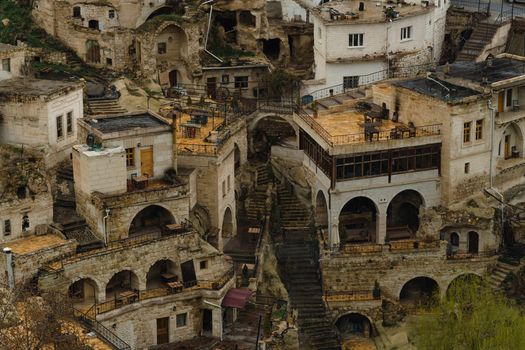
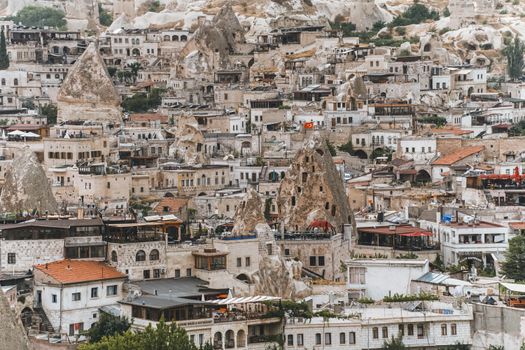
- Cappadocia, Turkey. The region around Goreme, Uchisar and Urgup is famous for hotels carved into soft volcanic rock, many with terraces looking over fairy-chimney landscapes. Hot air balloon flights are a major draw, so mornings may start early, and flights depend on weather.
- Matera, Italy. The Sassi districts have ancient cave dwellings, and some have been turned into boutique hotels. The old town is a UNESCO World Heritage Site, and its stone lanes are steep, so pack comfortable shoes.
- Guadix, Spain. In the province of Granada, cave houses are still used as homes, and some can be rented for a night or longer.
- Santorini, Greece. Traditional cave houses dug into the volcanic cliff are now popular as suites with caldera views. This is a very popular destination, so book well ahead and expect higher prices in summer.
- Sala, Sweden. An old silver mine offers an underground suite far below the surface, a unique experience for those who like depth, quiet and a sense of adventure.
Tips for cave stays
- Ask about accessibility. Cave hotels often involve steps, uneven floors and steep paths.
- Pack a light layer, as rock can feel cool even when the weather outside is hot.
- Bring a small torch for exploring after dark.
- If you are claustrophobic, look for rooms with open terraces or windows.
Treehouse hotels
Treehouse hotels place rooms among or above the trees, linked by walkways, ladders or bridges. They range from simple wooden cabins on stilts to design-led structures that look like sculptures.
What the experience is like
You will hear birds, wind and rustling leaves, and you may feel gentle movement in some structures. Rooms are often compact but with large windows to bring the forest inside. Many have private terraces, and some serve breakfast in a basket lifted to your door.
Because they are in natural settings, you may also share the area with insects or wildlife. This is part of the charm for many guests, though it is wise to bring repellent and keep food sealed.
Places known for treetop stays
- Harads, Sweden. A well-known design hotel in the northern forest offers rooms shaped like a mirrored cube, a bird's nest and other unusual forms. Winter visitors may see the northern lights, depending on conditions.
- Costa Rica. The country's rainforests and cloud forests have a number of treehouse lodges and canopy-level stays, often combined with wildlife tours.
- Oregon, United States. Treehouse resorts in the forest offer a range of rooms, some with rope bridges and playful designs.
- United Kingdom and Europe. Several countries have treehouse lodges in woodland estates, often with hot tubs and a luxurious feel.
- Southeast Asia. Lodges in parts of Laos, Thailand and Malaysia offer jungle treehouses, sometimes combined with ethical wildlife experiences. Choose operators that follow responsible practices.
Tips for treehouse stays
- Check access. Some require climbing stairs or crossing bridges, which may not suit everyone, including young children or people with mobility needs.
- Ask about weight limits on any suspended or spiral features.
- Pack light, since storage space can be limited.
- Bring a torch or head torch for night walks.
- Respect the forest. Keep noise low and follow guidance on wildlife.
Ice hotels
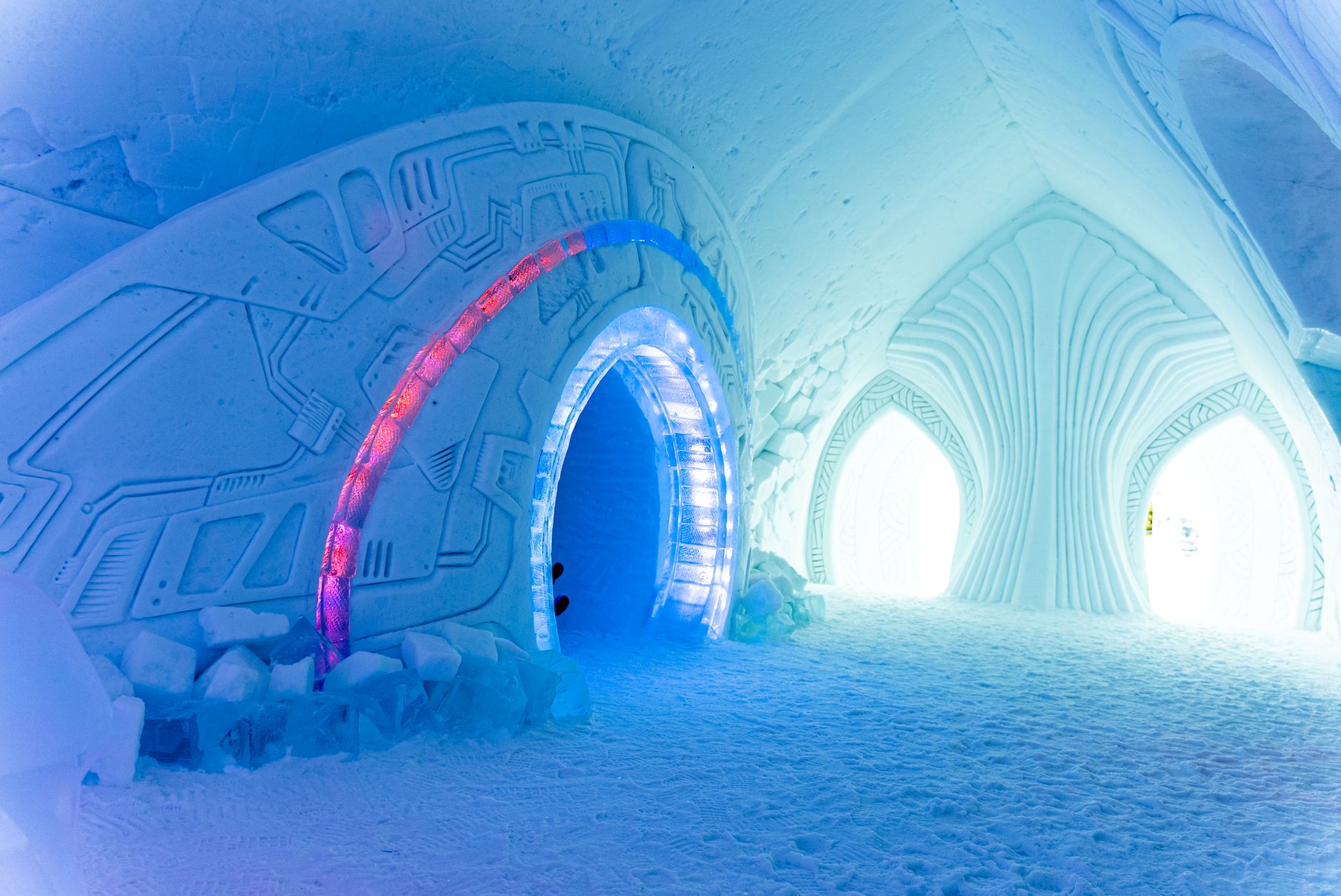
Ice hotels are made from ice and snow and are usually rebuilt every year. They are some of the most dramatic places you can stay, and some of the coldest.
What the experience is like
Rooms are made of ice blocks and carved snow. Beds are ice platforms topped with insulating bases, reindeer skins and thermal sleeping bags. The temperature inside is typically below freezing, though it is often warmer than the air outside, since ice and snow insulate. You usually sleep in a specialist sleeping bag provided by the hotel.
Most guests sleep for just one night in the ice room and spend other nights in warm rooms or cabins on the same property. This is a good idea, because sleeping in the cold is an experience, not a luxury. Hotels give briefings on how to dress, how to stay warm and what to do if you get uncomfortable.
Places known for ice stays
- Jukkasjarvi, Sweden. Home of a famous ice hotel that is rebuilt each winter, with artists creating new suites. There is also a year-round section kept cold with solar-powered cooling.
- Quebec, Canada. A well-known ice hotel operates in winter near Quebec City, with themed rooms and a chapel.
- Alta and Kirkenes, Norway. Snow and ice hotels operate in the Arctic north, often combined with husky sledding, snowmobile tours and chances to see the northern lights.
- Finland. Lapland has snow hotels and igloo-style glass cabins, which let you watch the aurora from a warm bed.
Opening dates depend on the winter. Typically the season is from around December to March or April, but confirm with the hotel.
Tips for ice stays
- Follow the hotel's guidance on clothing. Usually you wear thermal layers and use the provided sleeping bag. Avoid cotton, as it holds moisture.
- Go to the toilet before bed. Facilities are usually in a nearby warm building.
- Keep your phone and camera battery warm, by storing them in an inner pocket, since cold drains batteries.
- Do not drink too much alcohol before sleeping, as it can affect how your body handles cold.
- Consider a warm room too, in case you want a more comfortable night.
- Check health guidance. People with certain medical conditions should talk to a doctor before extreme cold exposure.
Other unusual stays worth knowing
If you like the idea but not the specifics, there are related options.
- Glass igloos and domes, which provide warmth and sky views.
- Underwater rooms, with windows into the sea.
- Lighthouse and fortress stays, with history built into the walls.
- Converted trains, boats and planes.
- Desert camps and yurts, with a night sky that is hard to find elsewhere.
All of these are experiences in their own right, and each deserves the same research: check reviews, access, season and what is included.
How to choose the right unusual hotel
Ask yourself a few questions.
- What do you want? Photos, romance, adventure, quiet or a family experience?
- How comfortable do you need to be? If sleep matters, choose a property with solid reviews on beds and temperature.
- What are your physical needs? Look into stairs, paths, bathrooms and whether the stay suits children or older travellers.
- How long will you stay? Many people prefer one night in a unique room, then a regular room nearby.
- When will you go? Weather and season influence all three types.
- What is your budget? Unique stays can cost more than ordinary rooms. Sometimes there are cheaper versions, such as a simple cabin or a shorter experience.
Practical planning tips
- Book early. Popular properties fill up months ahead, especially for ice hotels in peak season and cave hotels in spring and autumn.
- Read recent reviews. Look for comments on warmth, noise, cleanliness and service.
- Check cancellation terms, especially for weather-dependent activities.
- Ask about luggage. Some properties are not accessible by car, so you may need to carry a bag.
- Pack suitable clothing. Layers, good shoes and any extras recommended by the property.
- Respect the environment and neighbours. These buildings are often in sensitive places.
Frequently asked questions
Are ice hotels safe? Reputable ice hotels have staff, safety briefings and warm facilities. Follow their instructions, and speak up if you feel unwell.
Are cave hotels damp? Some are, but well-designed ones control moisture with ventilation and heating. Ask about this when booking.
Do treehouse hotels have private bathrooms? Many do, but some have shared facilities or a separate building. Check the room description.
Are these stays suitable for children? Some are, and some are not. Look for family policies and age limits.
Summary
Hotels in caves, trees and ice offer a chance to sleep somewhere few people do. Cave hotels in places like Cappadocia, Matera and Guadix are cool, quiet and atmospheric. Treehouse lodges bring you close to forests and birds, while ice hotels in Sweden, Canada and Norway are an unforgettable winter adventure. Each comes with trade-offs in comfort, access and cost. Research carefully, check seasons and reviews, and pack for the conditions, and you can enjoy an experience that no ordinary hotel can match.
More pictures

Tags
Share this guide
We may earn a commission if you click a link and buy a product or service, at no extra cost to you. How affiliate links work.
Been there?