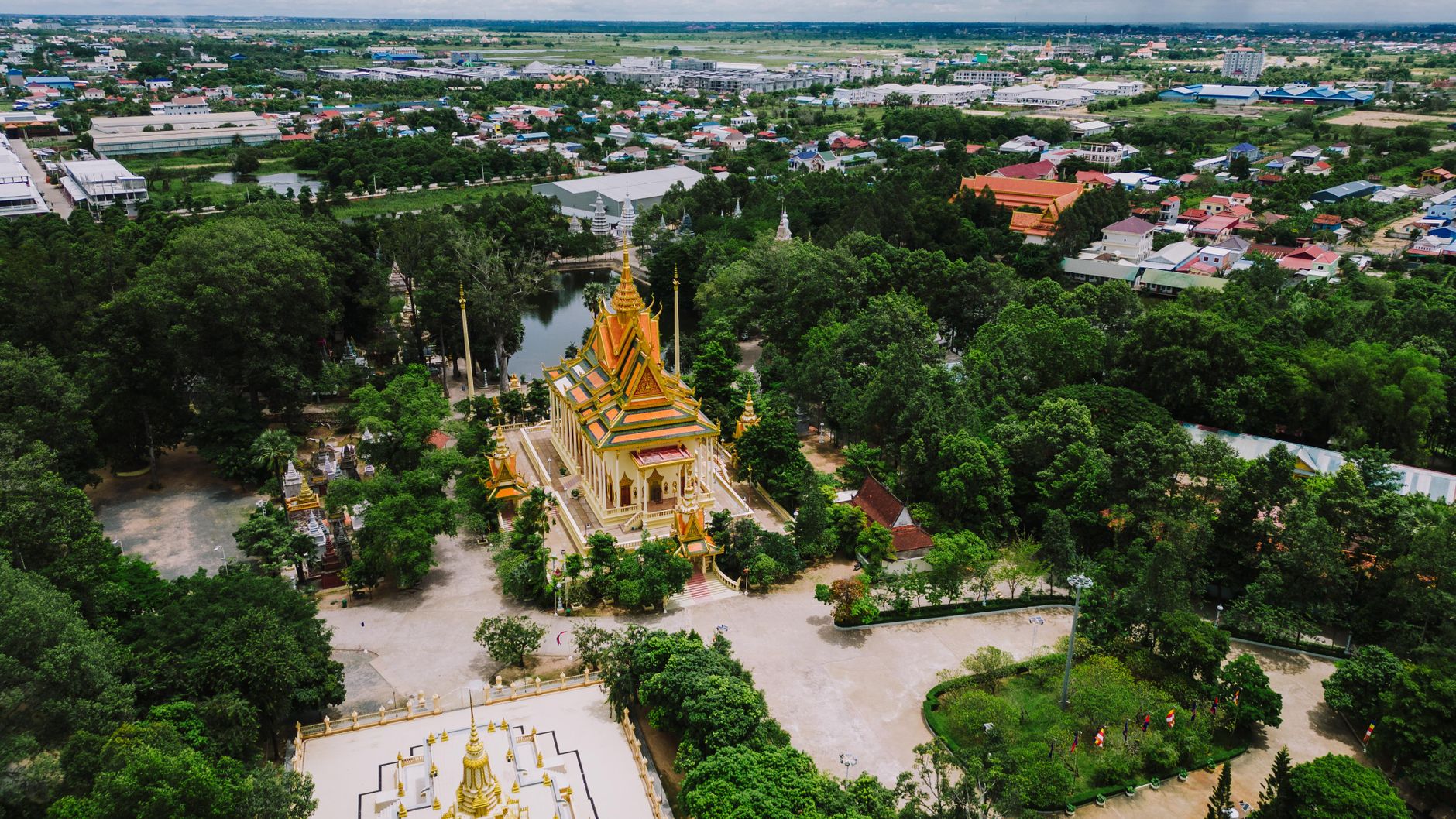
Imagine stumbling upon an ancient temple, its stones embraced by jungle vines, the air thick with history and mystery, far from the tourist hordes. This isn't a dream; it's a call to adventure. Join us as we uncover some of the world's most breathtaking hidden temples, offering a glimpse into spiritual wonders before they become mainstream. ---
Unearthing Serenity: Your Guide to Hidden Temples Before the Crowds Descend
The drone of the cicadas was my only companion, a rhythmic symphony accompanying the crunch of leaves under my boots. Ahead, a silhouette began to emerge from the dense emerald canopy – not a natural rock formation, but something impossibly ancient, impossibly sacred. Moss-covered stones, intricate carvings peeking through emerald vines, and a profound silence that whispered tales of forgotten eras. This wasn't Angkor Wat at sunrise, nor was it Borobudur at sunset. This was something far more intimate, far more profound: a hidden temple, tucked away in a forest, waiting patiently for the curious and the respectful.
That moment, standing before the crumbling grandeur of Beng Mealea, felt like a secret whispered only to me. It sparked an addiction – a quest for these magical, pre-mainstream sanctuaries where the veil between the past and present feels thinnest. In a world increasingly mapped, photographed, and commoditized, the allure of discovering something truly untouched, truly yours for a fleeting moment, is irresistible.
If your soul yearns for adventure beyond the well-trodden path, if you dream of spiritual encounters untainted by selfie sticks and souvenir hawkers, then pack your bags. We're diving deep into the jungles, climbing ancient staircases, and uncovering the hidden temples that are still waiting to be truly discovered. But shhh… don't tell everyone.
The Jungle's Embrace: Beng Mealea, Cambodia – Where Nature Reclaims Grandeur
My first true love affair with a hidden temple began in Cambodia, just east of the bustling Siem Reap. While everyone flocks to Angkor Wat, a smaller, wilder beast lies sleeping in the jungle: Beng Mealea. Getting there felt like an adventure in itself, a bumpy tuk-tuk ride through dusty villages and rubber plantations. The entrance fee is usually around $5-$7 USD (always check official sources, as prices can change), a small price for stepping into a forgotten world.
What greeted me was unlike anything I had ever seen. Beng Mealea isn't just a temple; it's an archaeological site being slowly, beautifully consumed by the jungle. Gigantic silk-cotton trees erupt from crumbling walls, their roots snaking through ancient corridors like colossal veins. Lianas hang like ropes, daring you to Tarzan your way through. There are no manicured lawns or restored pathways here; you clamber over collapsed stone blocks, squeeze through narrow passages, and often find yourself walking on the very walls of the temple itself.
One unforgettable afternoon, I found a quiet corner, a small courtyard where a single tree had burst through the paving stones, its leaves dappling the sunlight. I sat there, listening to the jungle symphony, imagining the monks who once walked these very halls. It was a moment of pure, unadulterated peace. Unlike Angkor Wat, where you're constantly jostling for position, Beng Mealea allows you to find your own solitude.
Practical Tips for Beng Mealea:
- Getting There: Hire a tuk-tuk or private car from Siem Reap. It's about a 1.5 to 2-hour drive. Negotiate the price beforehand (expect around $30-50 USD for a round trip including waiting time). Combine it with Koh Ker for a full-day adventure.
- Best Time to Visit: Early morning (before 9 AM) or late afternoon (after 3 PM) to avoid the mid-day heat and any potential smaller tour groups. The light is also magical for photography.
- What to Bring: Sturdy shoes for climbing, insect repellent, plenty of water, and a wide-brimmed hat.
- Instagram Moment: The iconic shot of a giant tree root engulfing a stone doorway is a must. Also, capture the dappled light filtering through the canopy onto mossy stones.
The Pyramid of the Jungle: Koh Ker, Cambodia – A Royal Capital Reclaimed
If Beng Mealea ignited my passion, Koh Ker solidified it. This was once a rival capital of the Khmer Empire, even predating Angkor, yet it remains astonishingly off the radar for most tourists. Located even further into the jungle, about 120km northeast of Siem Reap, it requires a dedicated effort to reach, making the reward even sweeter. The entrance fee is typically $10 USD.
The journey to Koh Ker takes you deep into the Cambodian countryside, past endless rice paddies and small wooden houses on stilts. The main attraction here is Prasat Thom, a seven-tiered pyramid temple that rises majestically from the flat jungle floor. It’s unlike any other Khmer temple, reminiscent of a Mayan pyramid, and you can still climb to the top for panoramic views of the surrounding, seemingly endless forest. The climb is steep but well worth it. From the summit, the world stretches out in a sea of green, and you realize just how remote you truly are.
But Koh Ker isn't just about Prasat Thom. The complex spans a vast area, with dozens of smaller, often unrestored temples scattered throughout the forest, many still partially swallowed by vegetation. My guide, a soft-spoken local named Sopheak, led me down narrow paths to sites like Prasat Pram, where five brick towers are being strangled by giant strangler figs. It felt like stepping onto a movie set, a place where nature's power was undeniable. We were often the only people there, our footsteps echoing in the profound silence.
Practical Tips for Koh Ker:
- Getting There: A private car is highly recommended due to the distance and road conditions. It's about a 2.5-3 hour drive from Siem Reap. Expect to pay $60-90 USD for a full-day trip including Beng Mealea.
- Safety: While generally safe, some areas around Koh Ker were heavily mined during the Khmer Rouge era. Stick to marked paths and use a reputable guide/driver.
- What to Bring: Everything you'd bring for Beng Mealea, plus extra water and snacks as facilities are very limited.
- Instagram Moment: The majestic pyramid of Prasat Thom against the clear blue sky, or the strangler fig roots engulfing Prasat Pram. The sense of scale and isolation is incredibly photogenic.
Serenity in the Hills: Wat Palad (Wat Pha Lat), Chiang Mai, Thailand – A Monk's Retreat
Shifting gears from ancient ruins to living spiritual sanctuaries, my next hidden gem is Wat Palad (Wat Pha Lat), nestled in the hills just outside Chiang Mai, Thailand. Unlike the grand, imposing temples of the plains, Wat Palad is a tranquil forest monastery, a true oasis of calm. It's not "hidden" in the sense of being hard to find, but it's often overlooked by tourists rushing to the more famous Doi Suthep. This temple offers an intimate experience of Thai Buddhism, where the sounds of rushing water and birdsong replace the chatter of crowds.
I discovered Wat Palad on a whim, taking a local songthaew (red truck taxi) up the mountain towards Doi Suthep, but asking to be dropped off at the "secret temple" before the main crowds. The entrance is free, as it is a working monastery. A small, winding path led me down into a lush ravine, where the air immediately cooled and the sounds of the city faded.
What makes Wat Palad so special is its natural integration with the environment. Intricate Lanna-style chedis (stupas) and Buddha statues are built around natural rock formations and a cascading waterfall. Monks in saffron robes go about their daily routines, and you might even hear their chanting echoing through the trees. I spent an hour simply sitting by the stream, watching the light filter through the leaves, feeling a profound sense of peace wash over me. It’s a place for quiet contemplation, not quick photos.
Practical Tips for Wat Palad:
- Getting There: Take a songthaew from the front of Chiang Mai University or any main road heading towards Doi Suthep. Ask the driver to drop you off at Wat Pha Lat (pronounced "Wat Paa Laht"). It's a short hike down from the main road. Alternatively, it’s a beautiful, but steep, 1.5-hour hike up the Monk's Trail from the base of Doi Suthep.
- Best Time to Visit: Early morning for the best light and to witness monks' activities, or late afternoon for a golden hour glow.
- Etiquette: Dress respectfully (shoulders and knees covered). Be quiet and mindful, especially if monks are present.
- Instagram Moment: The waterfall and the intricate temple architecture blending with nature. Capture the serene atmosphere, perhaps a distant shot of a monk or the mossy stone carvings.
The Sacred Mountain Trails: Kumano Kodo Shrines, Japan – Pilgrimage Through Ancient Forests
My journey for hidden temples also led me to the sacred forests of Japan, specifically along the Kumano Kodo pilgrimage routes in the Kii Peninsula. While the main shrines (Kumano Sanzan: Hongu Taisha, Nachi Taisha, Hayatama Taisha) are well-known, the true magic lies in the smaller, more secluded Oji shrines and the feeling of the journey itself, walking for days through ancient, towering cedar and cypress forests. This isn't about one single "hidden temple," but an entire network of spiritual sites that unfold as you walk, feeling like discoveries with every turn of the trail.
I chose to hike a section of the Nakahechi route, considered the imperial route. Each day brought new wonders: a small, moss-covered stone Oji shrine tucked beneath an ancient tree, marked only by a red torii gate; a tiny, unstaffed temple where pilgrims leave small offerings; or a panoramic view of mist-shrouded mountains, with a distant pagoda peeking through the clouds. The air was crisp, carrying the scent of pine and damp earth.
Staying in traditional ryokans or minshukus (guesthouses) along the route, with their onsen (hot springs) and delicious local food, added to the immersive experience. The cost varies significantly depending on the route and accommodation choices, but expect to budget ¥10,000-15,000 JPY (approx. $70-100 USD) per person per day for accommodation and food on a self-guided hike. The shrines themselves are generally free to enter, though donations are appreciated.
Practical Tips for Kumano Kodo:
- Getting There: Accessible by train and bus from major cities like Osaka or Kyoto. Plan your route carefully using the official Kumano Kodo website.
- Best Time to Visit: Spring (April-May) for cherry blossoms and mild weather, or Autumn (October-November) for stunning fall foliage. Avoid typhoon season (late summer).
- What to Bring: Good hiking boots, rain gear (weather can change quickly), layers of clothing, a small backpack, and a sense of adventure.
- Instagram Moment: The iconic torii gate of Kumano Hongu Taisha, the Nachi Falls with the pagoda, or simply the serene beauty of the forest trails and small Oji shrines. Capture the sense of pilgrimage and natural beauty.
The Art of Discovery: How to Find Your Own Hidden Gems
These are just a few of the hidden temples that have left an indelible mark on my soul. But the real joy is in finding your own secret places. Here's how to cultivate that adventurous spirit:
- Go Beyond the Guidebook: While guidebooks are great for planning, look for local blogs, obscure travel forums, or even ask locals once you arrive. Often, the best advice comes from those who live there.
- Embrace Detours: Sometimes the most rewarding experiences are found when you take a wrong turn or decide to explore that intriguing dirt road.
- Hike and Explore: Many hidden temples require a bit of effort to reach. Lace up your boots and be prepared to walk. The journey itself is part of the discovery.
- Travel in Off-Season or Shoulder Season: Fewer crowds mean a more authentic and serene experience. You'll often have these magical places almost to yourself.
- Respect Local Culture and Environment: These are not just tourist attractions; they are sacred sites. Dress appropriately, be mindful of noise, and leave no trace. Support local communities where possible.
- Be Prepared: Always carry water, snacks, insect repellent, and a portable charger. Research local transport options and consider hiring a local guide for truly remote areas. They can offer invaluable insights and ensure your safety.
- Trust Your Instincts: If a place feels right, if it calls to you, follow that intuition. The best adventures often begin with a hunch.
Why Now is the Time to Go
The truth is, places don't stay "hidden" forever. With the rise of social media and increasingly accessible travel, what was once a well-kept secret can quickly become a mainstream sensation. Beng Mealea and Koh Ker are already seeing more visitors than a decade ago. Wat Palad is gaining traction. Even parts of the Kumano Kodo are becoming more popular.
This isn't to say these places will lose their magic entirely, but the raw, untouched feeling of discovery is ephemeral. To experience these spiritual havens in their most authentic, serene state, before the crowds, before the infrastructure changes, before the commercialization, the time is now.
So, what are you waiting for? Dust off your backpack, charge your camera, and set your compass for adventure. The whispers of ancient spirits are calling from the heart of the forest. Go find your own hidden temple, experience its profound peace, and carry its story with you. But remember, some secrets are best shared only with those who truly seek them.
---
More pictures



Tags
Share this guide
We may earn a commission if you click a link and buy a product or service, at no extra cost to you. How affiliate links work.
Been there?