
Yellowstone is legendary, but bumper-to-bumper RV traffic, timed-entry reservation stress, and boardwalk crowds can sour the magic. In this guide, I reveal six emerging, high-impact national parks across the globe—from the blinding quartz dunes of Brazil to the pristine alpine spires of Slovenia—that deliver double the visual drama with a fraction of the tourists. Expect exact trail logistics, local food breakdowns, secret access points, and real budget estimates to plan your ultimate break away from the crowds. ---
The Breaking Point at the Geyser Basin
I stepped out of my rental vehicle at 6:30 AM in Yellowstone’s Norris Geyser Basin, expecting pristine wilderness and silence. Instead, I was met by the hiss of idling diesel tour buses, a wall of smartphone selfie sticks, and the acrid stench of exhaust fumes overpowering the natural sulfur steam. Standing five-deep on a wooden boardwalk just to glimpse a turquoise thermal pool felt less like an encounter with wild nature and more like standing in line at an amusement park.
That was the morning I swore off over-touristed parks and dedicated my year to tracking down their wilder, untamed counterparts.
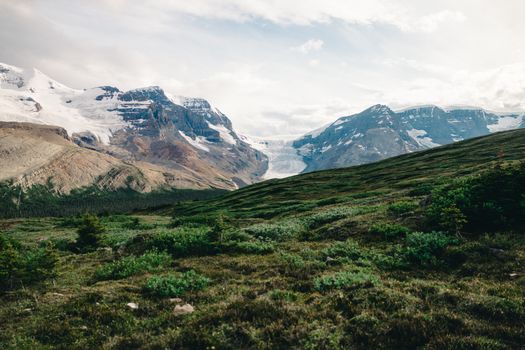
Across the globe, a quiet revolution is happening. Vast protected areas—some newly designated, others freshly made accessible through smart infrastructure—are stepping into the spotlight. They offer jaw-dropping landscapes that rival, and often eclipse, Yellowstone's grandest vistas. If you crave silent granite canyons, rivers so clear they look photoshopped, and wildlife sightings uninterrupted by telephoto lens armadas, these six emerging national parks deserve top spot on your bucket list.
---
1. Lençóis Maranhenses National Park, Brazil
The Surreal Dune-Lagoon Labyrinth
``` /\ / \ White Quartz Dunes / \ ~~~~~~~~~~~~~~~~~~~~/~~~~~~\~~~~~~~~~~~~~~~~~~~~ Freshwater Turquoise Lagoons (June - Sept) ```
If Yellowstone’s Grand Prismatic Spring impressed you, Lençóis Maranhenses will alter your sense of reality. Spanning 380,000 acres along Brazil’s northeastern coast, this biome resembles an ocean of wind-sculpted, snow-white quartz sand dunes. But here is the miracle: between May and September, equatorial rains fill every valley between the dunes, creating thousands of crystal-clear, warm-water lagoons glowing in emerald and cyan shades.
The On-the-Ground Experience
Walking barefoot across cool quartz sand—which reflects sunlight rather than absorbing heat—you crest a 100-foot dune and drop directly into a warm freshwater lagoon teeming with small wolf fish. There are no boardwalks, no concession stands, and no pavement.
Local Flavor & Culture
Base yourself in the remote fishing village of Atins, accessible only by 4x4 or boat along the Preguiças River. Skip the tourist buffets and head to Restaurante do Antonio in the dunes for grilled tiger prawns marinated in lime, garlic, and local dendê oil, served alongside cold Guaraná Jesus soda.
Insider Pro-Tip
- Secret Access Point: Avoid entering solely via Barreirinhas. Take a fast boat downriver to Atins and hire a local guide for a sunrise trek into the park’s eastern edge at Lagoa do Canto. You will have miles of dunes entirely to yourself before the day-tour 4x4s arrive from the south at 10:00 AM.
---
2. Katmai National Park & Preserve, Alaska, USA
Raw Geothermal Power Without the RV Traffic
Yellowstone’s geothermal features are historic, but Katmai offers the raw, volatile power of the Earth on a scale that humbles you instantly. Located on the Alaska Peninsula, Katmai is home to the Valley of Ten Thousand Smokes—a massive 40-square-mile ash flow created by the 1912 eruption of Novarupta, the largest volcanic explosion of the 20th century.
``` [Novarupta Peak] / \ / \ Volcanic Ash Sheet /________\ / \ / \ / \ / \ / \ Wild Grizzly Corridors ~~~~~~~~~~~~~~~~~~~~~ Brooks River Salmon Run ```
The On-the-Ground Experience
Stepping off the bush plane onto the gravel shore of Naknek Lake, the scent of crushed volcanic pumice and spruce needles hits your lungs. Ground vibrations from cascading glacial rivers echo through your hiking boots. At Brooks Falls, wild brown bears—sometimes thirty at a time—stand atop 6-foot waterfalls catching leaping sockeye salmon in mid-air. Unlike Yellowstone's bear jams, Katmai caps visitors via bush-plane permits, keeping human presence strictly regulated.
Local Flavor & Culture
Dinner in Katmai’s back-country means lodge-prepared Alaskan wild halibut, sourdough rolls baked in cast-iron skillets, and local craft brews like Alaskan Amber.
Insider Pro-Tip
- Secret Trail Strategy: Take the daily park shuttle bus from Brooks Camp down the 23-mile dirt track to the Valley of Ten Thousand Smokes Overlook. From there, hike down the steep Ukak Falls Trail into the ash sheet. By mile two, you will be walking across multi-colored pumice fields with active steam vents crackling quietly in the solitude.
---
3. Patagonia National Park, Chile
The World’s Greatest Rewilding Triumph
Created by the donation of hundreds of thousands of acres of former sheep ranching land by Kris and Doug Tompkins (founders of The North Face and Esprit), Patagonia National Park in the Aysén region represents the peak of ecosystem restoration.
``` /^\ / \ Granite Spires / \ /\/\/\/\ /_______\ /\/\/\/\ [ Guanaco Herds Grasslands ] ~~~~~~~~~~~~~~~~~~~~~~~~~~~~~~ Chacabuco River ```
The On-the-Ground Experience
Imagine Yellowstone’s Lamar Valley—famous for bison and wolves—transplanted to the dramatic, jagged topography of the Andes. The central Chacabuco Valley features yellow tussock grasslands where massive herds of wild guanacos graze without fence lines. Cresting a ridge, you might spot an endangered South Andean huemul deer or catch the shadow of an Andean condor with a 10-foot wingspan sweeping overhead.
Local Flavor & Culture
Stop at the park’s eco-lodge in Cochrane for a bowl of Cordero al Palo (slow-roasted Patagonian lamb cooked over open sweet-wood embers) paired with a peppery, dark glass of Chilean Carménère wine.
Insider Pro-Tip
- Secret Trail Strategy: Skip the crowded trails of Patagonia's Torres del Paine down south. Instead, hike the 17-mile Laguna Avellanos Trail in Patagonia National Park. You will pass through ancient lenga forests and pristine alpine lakes where the only sound is glacial ice cracking miles away.
---
4. Triglav National Park, Slovenia
Emerald Waters and Alpine Majesty in Central Europe
While Alpine spots in Switzerland and Italy suffer from severe overtourism, Slovenia’s only national park—Triglav—remains a pristine, budget-friendly sanctuary in the Julian Alps.
``` /\ Mt. Triglav (2,864m) / \ / \ /______\ ~~~~~~~~~~~~~~~~~~~~~ Soča River (Electric Cyan) [ ] [ ] [ ] [ ] Alpine Huts (Dom) ```
The On-the-Ground Experience
Walking along the banks of the Soča River, the water is so clear and rich in dissolved lime mountain-minerals that it looks like lit neon cyan glass. Deep limestone gorges, ribbon-like waterfalls dropping hundreds of feet, and wild wildflower meadows cover the park.
Local Flavor & Culture
Hike between high-altitude mountain huts (planinska koča) and order a bowl of Jota (a hearty sour-turnip and bean stew brewed with smoked pork) topped with freshly made Štruklji (rolled cottage-cheese dumplings).
Insider Pro-Tip
- Secret Route: Avoid the traffic at Lake Bled. Head to the western side of the park and enter via the Trenta Valley. Take the Soča Trail at 7:00 AM from its source spring (Izvir Soče). You will glide through fog-draped wooden suspension bridges without seeing another hiker for hours.
---
5. Nikkō National Park, Japan
Volcanic Peaks, Sacred Shrines, and Steaming Onsens
Located two hours north of Tokyo, Nikkō combines the dramatic thermal landscapes of Yellowstone with centuries of sacred Shinto and Buddhist history.
``` /\ Mt. Nantai (Volcano) / \ ~~~~~~~~/~~~~\~~~~~~~~~~~~~~~~~ Lake Chūzenji & Kegon Falls ============================= [⛩️ Toshogu Shrine Cedars] ```
The On-the-Ground Experience
The smell of damp cedar wood and sulfur steam fills the air as you trek around Lake Chūzenji, a high-altitude volcanic lake formed by the eruption of Mount Nantai. At Kegon Falls, water drops 318 feet over a basalt cliff formed by hardened lava flows. High in the marshlands of Senjogahara, boardwalk trails cut through alpine grass where wild sika deer roam beneath steaming volcanic mountains.
Local Flavor & Culture
After a long day of hiking, soak in an open-air natural geothermal onsen in Yumoto. Follow your soak with a traditional multi-course kaiseki dinner featuring yuba (delicate fresh tofu skin skimmed from local mountain spring milk) and grilled mountain trout sprinkled with coarse sea salt.
Insider Pro-Tip
- Secret Entrance: Take the early morning Tobu Railway train from Asakusa station to Yumoto Onsen (at the far back end of the park), skipping Nikkō town center initially. Hike the Yutaki Waterfall to Senjogahara Marshland trail downwards at sunrise, catching the mountain mists lifting off the thermal streams.
---
6. Picos de Europa National Park, Spain
Dramatic Limestone Spire Towers & Secret Gorges
Spanning Asturias, Cantabria, and León in northern Spain, the Picos de Europa park is Europe’s grand mountain playground, featuring limestone peaks that drop straight into lush green valleys fed by Atlantic mists.
``` /||\ Limestone Needles / || \ / || \ ======/===||===\====== Cares River Gorge [ [ ] [ ] ] Carved Cliff Trails ```
The On-the-Ground Experience
Hiking the famous Ruta del Cares, a pathway carved directly into the sheer vertical walls of a 4,000-foot-deep limestone canyon, you share the narrow trail with wild mountain goats. Below, the Cares River carved turquoise pools into the rock. Unlike the arid canyons of North America, these cliffs are covered in mosses, ferns, and wildflowers nourished by ocean fogs.
Local Flavor & Culture
After completing a canyon trek, duck into a roadside tavern in the mountain hamlet of Arenas de Cabrales. Order a plate of sharp, cavern-aged Cabrales blue cheese served with crusty wood-fired bread and fresh Asturian cider (sidra), poured dramatically from high above the bartender's head into your glass to aerate the brew.
Insider Pro-Tip
- Secret Access Strategy: Skip the crowded funicular cable car at Fuente Dé between 10:00 AM and 2:00 PM. Instead, drive early to the tiny village of Poncebos and take the pedestrian-only tunnel track up to the car-free mountain hamlet of Bulnes. You will enter an alpine world that remained completely disconnected from roads until the 21st century.
---
Logistics, Budgets, and Strategic Planning
Planning a trip to these emerging wilderness giants requires precise timing, budget management, and transport strategies. Use the quick-reference guide below to plan your trip effectively:
| Park Name | Best Time to Visit | Estimated Daily Budget ($ USD) | Primary Access Hub | Crowd Level (vs. Yellowstone) | | :--- | :--- | :--- | :--- | :--- | | Lençóis Maranhenses (Brazil) | June – September | $70 – $150 / day | São Luís (SLZ) Airport + 4x4 transfer | 80% Less Crowded | | Katmai (Alaska, USA) | July (Bears) / Aug-Sept (Hiking) | $350 – $800 / day | Anchorage (ANC) -> King Salmon -> Floatplane | 90% Less Crowded | | Patagonia NP (Chile) | November – March | $120 – $300 / day | Balmaceda (BXC) Airport + Carretera Austral | 85% Less Crowded | | Triglav (Slovenia) | May – October | $60 – $140 / day | Ljubljana (LJU) Airport + Car Rental | 60% Less Crowded | | Nikkō (Japan) | May (Greenery) / Oct-Nov (Foliage) | $80 – $200 / day | Tokyo (Tobu-Nikko Line Train) | 50% Less Crowded (in deep back-country) | | Picos de Europa (Spain) | May – September | $65 – $150 / day | Santander (SDR) or Asturias (OVD) Airport | 75% Less Crowded |
---
Ultimate Travel Checklist: How to Leave the Crowds Behind
To ensure your transition from over-touristed parks to these raw, emerging destinations is seamless, keep these four golden rules top of mind:
- Avoid Peak Entry Windows: Arrive at trailheads before 7:30 AM or after 3:30 PM. Mountain lighting is superior for photography during these hours, and commercial tour groups are nonexistent.
- Book Back-Country Transit Early: For parks like Katmai or Lençóis Maranhenses, book small bush planes, river boats, and local 4x4 transfers 6 to 9 months ahead. Limited infrastructure keeps crowds down, but space fills up quickly.
- Respect Re-wilding Ecosystems: Places like Patagonia NP and Lençóis Maranhenses have delicate ecosystems recovering from historic over-use. Pack out all trash, stay on established dune/grassland tracks, and respect local wildlife corridors.
- Ditch the Rental RV: Huge recreational vehicles restrict you to paved highways and major parking lots. Choose nimble 4x4 rentals or regional train/bus networks to reach hidden access points safely.
The era of waiting in two-hour traffic jams just to view an over-visited waterfall is over. These six emerging national parks prove that the world’s most stunning, wild, and quiet places are waiting—if you are willing to look beyond the ordinary.
---
More pictures
Tags
Share this guide
We may earn a commission if you click a link and buy a product or service, at no extra cost to you. How affiliate links work.
Been there?