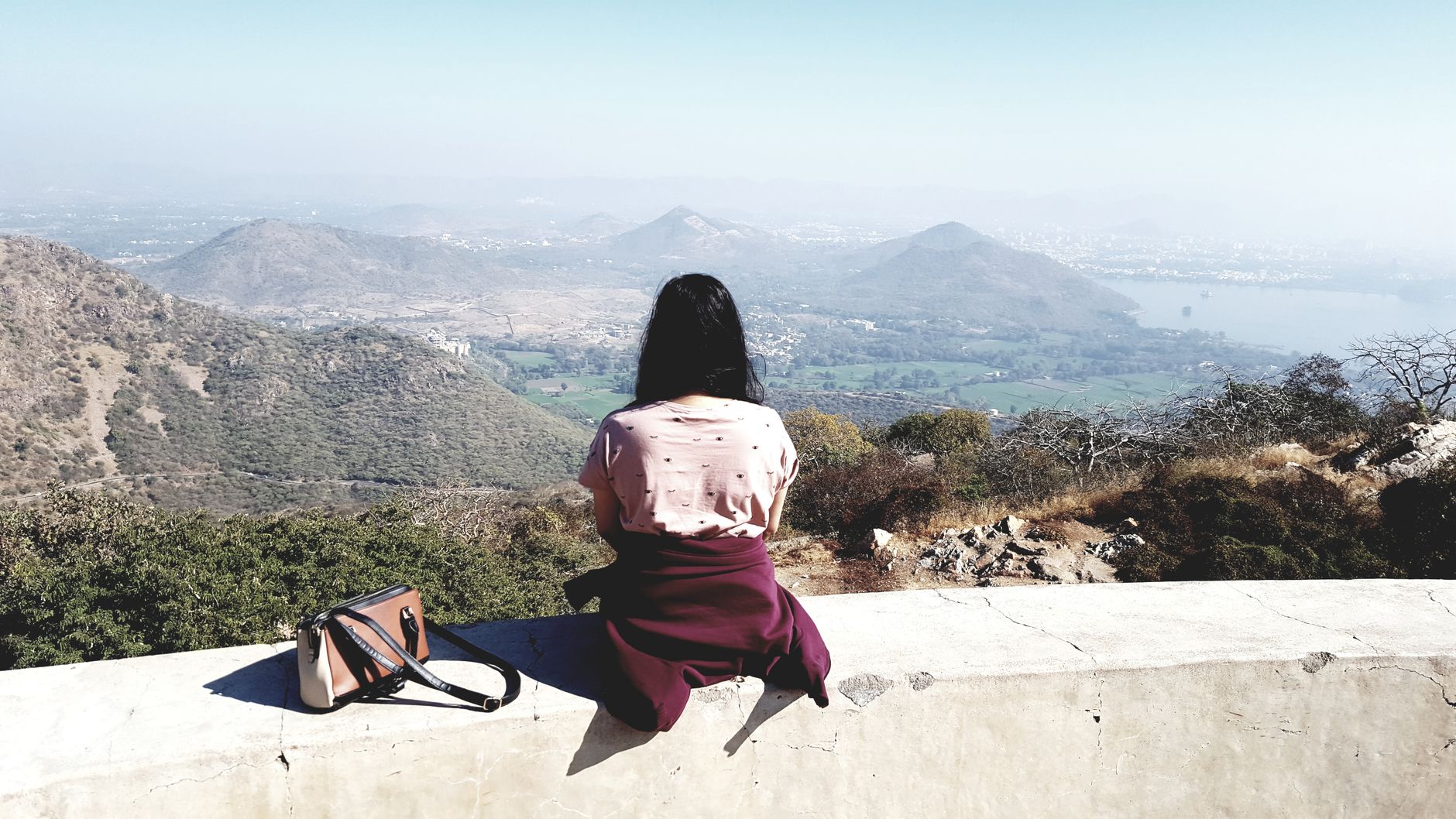
Tired of battling crowds for that perfect mountain view? This summer, ditch the mainstream and discover six truly spectacular, yet still under-the-radar, mountain destinations. Get ready for pristine landscapes, authentic cultural experiences, and the kind of tranquility you’ve been dreaming of, all before the secret gets out. ---
The crisp mountain air hits differently, doesn't it? It’s not just the oxygen; it’s the sense of freedom, the quiet hum of nature, the sheer scale of the world unfurling before you. I remember my first time truly escaping into the mountains – not just visiting a popular peak, but discovering a place. It was a tiny village nestled deep in the Himalayas, a place so remote even Google Maps struggled to pinpoint it. For two weeks, my phone was a paperweight, and my soul, for the first time in years, felt light.
That feeling of discovery, of being ahead of the curve, is what drives me. And if you're reading this, I bet it drives you too. Summer is peak travel season, and while iconic mountain ranges like the Alps or Rockies are stunning, they often come with a side of shoulder-to-shoulder selfies and crowded trails. But what if I told you there are still pockets of unparalleled mountain beauty out there, waiting to be explored, where the only crowds you’ll encounter are grazing sheep or curious marmots?
This isn't about shunning popular spots; it's about finding that sweet spot of authentic experience before the Instagram algorithms turn them into the next big thing. It's about preserving the magic, for you and for the locals who call these places home. So, pack your hiking boots, charge your camera (but be prepared to put it down), and let's dive into six incredible mountain destinations perfect for your summer escape, before they become mainstream.
---
1. Julian Alps, Slovenia: Emerald Rivers and Alpine Serenity
My Discovery: I first stumbled upon the Julian Alps almost by accident, looking for an alternative to the crowded Italian Dolomites. What I found was a revelation. Slovenia, often overshadowed by its flashier neighbors, hides a true jewel in its northwestern corner: Triglav National Park. While Lake Bled gets a lot of attention, my heart was stolen by the quieter, more rugged beauty of Lake Bohinj and the Soča River Valley.
Why it's Your Next Summer Escape: Imagine emerald-green rivers carving through limestone gorges, towering peaks reflected in still alpine lakes, and charming villages where time seems to slow down. The Julian Alps offer all the dramatic scenery of the more famous Alps but with a fraction of the crowds.
- What to Do:
- Hike around Lake Bohinj: This glacial lake is larger and much more tranquil than Bled. Rent a kayak or paddleboard, or simply walk the gentle trails around its perimeter. For a more challenging hike, ascend to Mount Vogel via cable car for panoramic views of the lake and surrounding peaks.
- Explore the Soča River Valley: Often called "The Emerald Beauty," the Soča River is a paradise for outdoor enthusiasts. Try white-water rafting, canyoning, or simply hike parts of the Soča Trail, a long-distance path that follows the river's stunning course. The Tolmin Gorges are a must-see, where the river carves through narrow rock formations.
- Vintgar Gorge: While a bit more known, it’s still worth the early morning visit. A wooden walkway winds through a spectacular gorge carved by the Radovna River.
- Summit Triglav: For serious hikers, conquering Mount Triglav, Slovenia's highest peak, is a multi-day adventure. Even if you don't summit, the trails within Triglav National Park are breathtaking.
- Authentic Tip: Stay in a family-run guesthouse (known as turistična kmetija) in a village like Ribčev Laz or Stara Fužina near Lake Bohinj. You'll get incredible homemade food, often with ingredients from their own farm. Try štruklji (a traditional Slovenian dumpling) and local honey.
- Budget & Logistics: Accommodation in a guesthouse can start around €60-€80 per night. A good meal with local wine might be €15-€25. Renting a car is highly recommended for flexibility, though local buses connect major towns. Fly into Ljubljana (LJU) and rent a car or take a bus to Bled/Bohinj.
- Instagram Moment: The turquoise waters of the Soča River, especially where it’s framed by lush forest, are pure magic. Also, the view of Lake Bohinj from the Vogel cable car.
---
2. Rila Mountains, Bulgaria: Spiritual Peaks and Glacial Lakes
My Discovery: Bulgaria wasn't initially on my radar for mountain adventures, but a friend raved about the Rila Mountains. I went expecting good hiking; I left with a profound sense of peace and wonder. The combination of dramatic glacial landscapes and the spiritual presence of the Rila Monastery makes this a truly unique escape.
Why it's Your Next Summer Escape: The Rila Mountains are the highest range in Bulgaria and the Balkan Peninsula, home to stunning glacial lakes, rugged peaks, and ancient forests. While popular with Bulgarians, it remains relatively unknown to international travelers, offering an authentic and affordable mountain experience.
- What to Do:
- Seven Rila Lakes Hike: This is the crown jewel. A strenuous but incredibly rewarding full-day hike that takes you past seven pristine glacial lakes, each named after its distinct shape or characteristic (e.g., "The Eye," "The Kidney," "The Tear"). Take the chairlift from Panichishte to shorten the ascent. The views from the highest lake are simply unforgettable.
- Visit Rila Monastery: A UNESCO World Heritage site, this magnificent Eastern Orthodox monastery is nestled deep in the Rila Valley. Its vibrant frescoes, intricate architecture, and serene atmosphere are a stark contrast to the rugged mountains, offering a cultural and spiritual respite.
- Conquer Musala Peak: For the truly adventurous, Musala is the highest peak in the Balkans (2,925m). It's a challenging full-day hike, often started from the Borovets ski resort via a gondola.
- Thermal Springs: After a long hike, soothe your muscles in one of the region's natural hot springs, like those in Sapareva Banya, home to the hottest geyser in Europe.
- Authentic Tip: Stay in a mountain hut near the Seven Rila Lakes (like the Rila Lakes Hut) for a truly immersive experience. They are basic but offer camaraderie and an early start for hiking. Try banitsa (a traditional Bulgarian pastry) and shopska salata (a refreshing salad with local cheese).
- Budget & Logistics: Mountain huts are very affordable (around €10-€20/night). Guesthouses in nearby towns like Sapareva Banya or Panichishte are €30-€50. Food is inexpensive. Fly into Sofia (SOF), then take a bus or arrange a transfer.
- Instagram Moment: The panoramic view over the Seven Rila Lakes from the highest point of the hike is absolutely epic. Frame it with the vibrant blue sky and the rugged peaks.
---
3. Svaneti Region, Georgia: Ancient Towers in the High Caucasus
My Discovery: I’d seen photos of Svaneti's medieval stone towers piercing the sky against a backdrop of colossal Caucasus peaks, and I knew I had to go. Getting there was an adventure in itself, but stepping into Mestia felt like stepping back in time. It's a place where tradition, legend, and raw natural beauty intertwine.
Why it's Your Next Summer Escape: Svaneti, a historical province in northwestern Georgia, is a UNESCO World Heritage site renowned for its unique defensive tower-houses (koshki) and breathtaking High Caucasus landscapes. It’s an adventurer's dream, offering world-class trekking, rich culture, and a sense of being truly off-the-grid.
- What to Do:
- Explore Mestia: The regional capital is your base. Wander through its ancient streets, marvel at the Svan towers, and visit the Svaneti Museum of History and Ethnography to understand the region's fascinating past.
- Hike to Koruldi Lakes: This popular day hike from Mestia offers spectacular views of Ushba, one of the most iconic and challenging peaks in the Caucasus. The three small alpine lakes at the top are a perfect reward.
- Journey to Ushguli: This cluster of four villages is Europe's highest continuously inhabited settlement and a UNESCO site. It's a challenging but rewarding drive (or multi-day trek from Mestia) through dramatic valleys. The views of Mount Shkhara, Georgia’s highest peak, are incredible.
- Chalaadi Glacier Trek: A relatively easy and accessible trek from Mestia that takes you to the foot of the Chalaadi Glacier, offering a close-up encounter with the ice.
- Horseback Riding: Experience the landscape like the locals do, on horseback, through meadows and forests.
- Authentic Tip: Stay in a guesthouse (guesthouses are the primary accommodation here) in Mestia or Ushguli. You'll be hosted by a local family, enjoy delicious homemade Georgian food (khachapuri, khinkali, Svan salt), and hear incredible stories. Don't be shy; try a shot of chacha (Georgian grape brandy) if offered!
- Budget & Logistics: Guesthouses average $20-$40 per night, often including breakfast and dinner. Meals are incredibly hearty and affordable. Fly into Kutaisi (KUT) or Tbilisi (TBS), then take a marshrutka (minibus) or shared taxi to Mestia. The drive is long but scenic.
- Instagram Moment: The iconic Svan towers of Ushguli with Mount Shkhara towering in the background, especially at sunrise or sunset.
---
4. High Tatras, Slovakia: Majestic Peaks and Pristine Lakes
My Discovery: Having explored parts of Poland's Tatras, I decided to cross the border into Slovakia, and wow, what a difference! The Slovakian High Tatras felt wilder, more dramatic, and surprisingly less crowded. It’s a place where you can feel truly immersed in nature without breaking the bank.
Why it's Your Next Summer Escape: The High Tatras, shared between Slovakia and Poland, are the highest range in the Carpathian Mountains. The Slovakian side boasts more of the highest peaks, stunning glacial lakes (tarns), and an extensive network of well-marked hiking trails. It offers a fantastic mix of challenging climbs and accessible walks, all within a UNESCO Biosphere Reserve.
- What to Do:
- Hike around Štrbské Pleso: This beautiful glacial lake is one of the most iconic spots. You can walk around the lake, rent a rowboat, or use it as a starting point for numerous trails, including a popular ascent to Popradské Pleso (another stunning lake with a mountain hut).
- Ascend Lomnický štít: Take a series of cable cars to the summit of Lomnický štít (2,634m), one of the highest and most recognizable peaks. The views are unparalleled, stretching across the entire range. Book tickets well in advance, especially in summer.
- Explore the Green Lake (Zelené Pleso) Valley: A beautiful and moderate hike from Kežmarská Biela voda that leads to a vibrant green lake nestled beneath towering peaks, with a charming mountain hut.
- Visit the Ice Cave (Dobšinská Ľadová Jaskyňa): While not directly in the high peaks, this impressive ice cave is a fantastic side trip and offers a cool respite from summer heat.
- Spot Wildlife: Keep an eye out for chamois (mountain goats), marmots, and even brown bears (though sightings are rare and usually from a distance).
- Authentic Tip: Stay in a chata (mountain hut) like Chata pri Popradskom Plese for an authentic experience. They offer basic accommodation, warm meals, and often a lively atmosphere. Try bryndzové halušky (potato dumplings with sheep cheese and bacon) – it's a hearty hiker's meal.
- Budget & Logistics: Guesthouses in towns like Poprad or Tatranská Lomnica start around €50-€70. Mountain huts are cheaper. Food is generally affordable. Fly into Poprad-Tatry (TAT) for direct access, or Bratislava (BTS) or Krakow (KRK) and take a train/bus. An excellent network of electric trains connects the main resorts.
- Instagram Moment: The reflection of the peaks in the still waters of Štrbské Pleso or Popradské Pleso at dawn.
---
5. Valle de Cocora, Colombia: Land of Giant Wax Palms
My Discovery: After exploring the bustling vibrancy of Medellín, I craved some natural tranquility. The journey to Salento and then into the Valle de Cocora was like stepping into a fantasy novel. The sheer scale of the wax palms, shrouded in mist, with hummingbirds flitting past – it was utterly surreal and unlike any mountain landscape I’d seen.
Why it's Your Next Summer Escape: While Colombia is gaining popularity, the coffee region's Valle de Cocora still feels like a well-kept secret for many international travelers. This stunning valley in the heart of the Eje Cafetero (Coffee Axis) is famous for its towering Quindío wax palms, the national tree of Colombia, which can reach heights of over 60 meters. It’s a unique cloud forest ecosystem nestled in the Andean foothills.
- What to Do:
- The Cocora Valley Loop Hike: This is the main event. A 5-6 hour loop trail takes you through lush cloud forests, across rickety suspension bridges, past hummingbird sanctuaries (Acaime is a popular stop), and finally into the iconic wax palm valley. Start early to avoid the afternoon rain showers.
- Explore Salento: Your charming base town for the valley. Wander its colorful streets, admire the traditional Paisa architecture, and browse artisan shops. Don't miss the mirador (viewpoint) for panoramic views of the valley.
- Coffee Farm Tour: You're in Colombia's coffee heartland! Take a tour of a local finca (coffee farm) to learn about the bean-to-cup process and, of course, enjoy some of the world's best coffee. Finca El Ocaso and Finca Don Elias are popular choices.
- Horseback Riding: Many local guides offer horseback tours through the valley, providing a different perspective of the majestic palms.
- Authentic Tip: Stay in a finca (coffee farm guesthouse) just outside Salento for an immersive experience. Enjoy a bandeja paisa (a massive traditional Colombian meal) after your hike. For the hike, wear waterproof shoes and bring rain gear, as the weather can change quickly.
- Budget & Logistics: Guesthouses/hostels in Salento are very affordable, starting around $15-$30 for a private room. Finca stays might be $40-$70. Food is cheap and delicious. Fly into Armenia (AXM) or Pereira (PEI), then take a bus to Salento. From Salento, take a brightly colored Willy (shared jeep taxi) to the valley entrance.
- Instagram Moment: Standing amidst the colossal wax palms, especially when the mist rolls in, creating an ethereal, otherworldly atmosphere.
---
6. Apuseni Mountains, Romania: Caves, Karst, and Ancient Traditions
My Discovery: Everyone talks about Transylvania for Dracula and castles, but I wanted something different. I ventured into the Apuseni Mountains, a lesser-known range in western Romania, and found a landscape sculpted by water and time, dotted with traditional villages. It felt like stepping into a forgotten corner of Europe.
Why it's Your Next Summer Escape: The Apuseni Mountains are a karst wonderland, characterized by vast cave systems, dramatic gorges, sinkholes, and waterfalls. It's a region where traditional Romanian village life persists, offering a slower pace and a deep connection to nature and culture, far from the tourist throngs of Bran Castle.
- What to Do:
- Explore Scarisoara Ice Cave: One of the largest underground glaciers in Europe, this cave is a truly unique experience. Descend into its icy depths to marvel at ancient ice formations, even in summer.
- Hike to Poarta lui Ionele (Ionele's Gate): A stunning natural archway and cave system, often combined with a visit to Ghețarul de la Vartop (another ice cave). The surrounding trails offer beautiful forest walks.
- Visit Cetățile Ponorului (Fortresses of Ponor): This massive karst complex is one of the most impressive in Romania, featuring a huge amphitheater-like depression, caves, and a subterranean river. There are challenging hiking trails around and into parts of the complex.
- Venture into Traditional Villages: Explore villages like Gârda de Sus or Arieșeni, where you can witness traditional woodworking, see old watermills, and experience rural Romanian life.
- Cascada Vălul Miresei (Bride's Veil Waterfall): A beautiful two-tiered waterfall near Răchițele, perfect for a refreshing stop or a gentle hike.
- Authentic Tip: Stay in a local pensiune (guesthouse) in one of the small villages. Many offer homemade meals with local produce. Try mămăligă (polenta) with cheese and sour cream, and local forest berries. Learning a few basic Romanian phrases will go a long way with the incredibly hospitable locals.
- Budget & Logistics: Pensiune rooms can be found for as little as €30-€50 per night. Food is very affordable. A rental car is almost essential for exploring the Apuseni Mountains, as public transport is limited. Fly into Cluj-Napoca (CLJ) and rent a car.
- Instagram Moment: The dramatic entrance of Cetățile Ponorului or the ethereal glow inside Scarisoara Ice Cave.
---
Practical Tips for Your Off-the-Beaten-Path Mountain Escape
Venturing to these less-traveled gems requires a little more planning and a different mindset than a resort holiday. Here’s what you need to know:
- Go Local with Accommodation: Ditch the big hotel chains. Guesthouses, mountain huts, and small, family-run B&Bs are not only more affordable but also offer an authentic cultural experience. You’ll get invaluable local tips and often delicious home-cooked meals.
- Pack Smart & Light: Layers are your best friend in the mountains, even in summer. Good waterproof hiking boots are non-negotiable. A reliable backpack, a reusable water bottle, a first-aid kit, sun protection (hat, sunscreen), and rain gear are essential. Don't forget a power bank for your devices, as charging points can be scarce.
- Embrace the Journey: Getting to these places can be part of the adventure. Public transport might be less frequent or slower. Consider renting a car for flexibility, but be prepared for narrower, winding roads. Shared taxis or marshrutkas (minibuses) are common in some regions (like Georgia and Colombia) and offer a local experience.
- Learn Basic Phrases: English might not be widely spoken outside of major tourist hubs. Learning "hello," "thank you," "please," and "how much?" in the local language will go a long way in showing respect and enhancing your interactions.
- Offline Maps are Your Friend: Download maps (Google Maps, Maps.me, or Gaia GPS) for offline use. Cellular service can be spotty or non-existent in remote mountain areas.
- Leave No Trace: These pristine environments are fragile. Pack out everything you pack in. Stick to marked trails, respect wildlife, and minimize your impact. Support local businesses to ensure your visit benefits the community.
- Travel Insurance is a Must: Always. Especially when you're venturing into more remote areas and engaging in outdoor activities.
- Be Flexible: Things might not always go according to plan. Roads might be closed, weather might change, or a bus might be late. Embrace the unexpected; it's often where the best stories come from.
---
The Mountains Are Calling – Will You Answer?
There’s a unique magic in discovering a place before it becomes a hashtag sensation, before every view is framed by a queue of tourists. It's the thrill of the untouched, the quiet satisfaction of genuine connection, and the deep breath of air that hasn’t been breathed by a thousand others before you.
These six mountain destinations offer that chance – a summer escape where adventure meets serenity, and where your memories will be truly your own. Don't just dream about escaping the crowds; make it happen. Go now, explore deeply, and help keep these incredible places special.
Which one will be your next great mountain adventure? Share your thoughts in the comments below, and let’s inspire each other to explore more consciously!
---
More pictures

Tags
Share this guide
We may earn a commission if you click a link and buy a product or service, at no extra cost to you. How affiliate links work.
Been there?