
Most travelers flee the monsoon, chasing endless sunshine. But what if I told you the rainy season holds the most authentic, breathtaking, and deeply rewarding travel experiences – secrets locals guard fiercely? Prepare to unlock a world where nature thrives, culture pulsates, and your travel budget stretches further than ever before. ---
Monsoon Magic: Unveiling Local Secrets & Hidden Adventures Most Tourists Avoid (and Locals Don't Want You to Know!)
I remember my first monsoon trip like it was yesterday. Picture this: I’d booked a spontaneous flight to Goa, India, in July – peak rainy season. Every friend I told gave me the same look, a mix of pity and confusion. "Goa? In the monsoon? You'll be stuck indoors!" they'd scoff. Even the airline attendant raised an eyebrow. I arrived to a sky that wasn't just grey, but a bruised, magnificent purple. Rain wasn't falling; it was cascading. My meticulously planned beach days evaporated faster than a puddle in the Sahara. And for a fleeting moment, I thought they were right. I’d made a huge mistake.
But then, something shifted. The air, usually thick with humidity, was clean, cool, and carried the intoxicating scent of wet earth and blooming jasmine. The usually bustling beach shacks were quiet, replaced by local families enjoying steaming chai. The fields, once parched, were an impossible shade of emerald green. I found myself on a rickety scooter, navigating mud-splashed lanes, not to a crowded tourist spot, but to a hidden waterfall locals had whispered about. And there it was: a roaring, powerful cascade, completely deserted, surrounded by a jungle so vibrant it felt alive. In that moment, soaked to the bone and utterly exhilarated, I realized: everyone else had it wrong. The monsoon wasn't a season to avoid; it was the world’s best-kept travel secret.
Locals know this. They see the monsoon not as an inconvenience, but as a time of rebirth, of slower rhythms, of profound natural beauty. They enjoy their cities and landscapes without the incessant drone of tourist buses and selfie sticks. And they certainly don't want you to know their secret. But I'm here to spill the beans. Forget everything you thought you knew about off-season travel. This isn't just about avoiding crowds; it's about diving headfirst into the soul of a destination.
The Unveiling: Why Monsoon is the World's Best-Kept Travel Secret
Let’s dismantle the myths, shall we? When you hear "monsoon," do you picture endless downpours, flooded streets, and travel chaos? While some regions do experience heavy rainfall, it’s rarely non-stop. Often, you'll get intense, dramatic showers followed by periods of clear, fresh skies. These aren't just "showers"; they're atmospheric events that transform landscapes.
Why embrace the wet?
- Fewer Crowds, Authentic Encounters: This is the undisputed champion of monsoon travel. Popular spots that are shoulder-to-shoulder in peak season become serene. You'll find yourself sharing ancient temples with local devotees, not tour groups. Cafe owners have time for genuine conversations. The essence of a place, stripped of its tourist veneer, reveals itself.
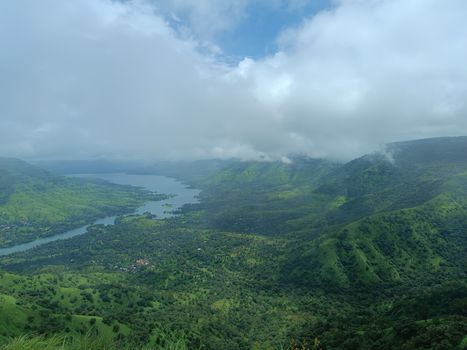
- Nature's Grand Rebirth: The dry season often leaves landscapes parched and dusty. Monsoon breathes life back into everything. Forests explode in vibrant greens, rivers swell, and waterfalls – oh, the waterfalls! – become magnificent, thundering spectacles.
- Cooler Temperatures: Many tropical destinations become uncomfortably hot and humid during their dry seasons. The monsoon often brings a welcome drop in temperature, making exploration far more pleasant.
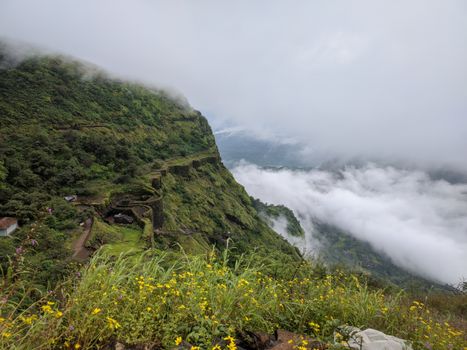
- Photography Gold: Mist-shrouded mountains, dramatic skies, reflective puddles, vibrant flora, and the soft, diffused light after a shower create unparalleled photographic opportunities. Forget harsh midday sun; think moody, ethereal beauty.
This isn't just "off-season"; it's a different season, offering a completely distinct, often superior, travel experience.
Emerald Landscapes & Roaring Waterfalls: Nature's Grand Show
This is where the monsoon truly shines. Imagine trekking through a rainforest where every leaf glistens, the air thick with the scent of damp earth and blooming orchids. The world feels alive, pulsing with vitality.
My Experience in the Western Ghats, India: During my extended monsoon stay in India, I ventured into the Western Ghats, a UNESCO World Heritage Site that becomes a fairyland in the rains. I hired a local guide (a friendly farmer named Raju) for about ₹800 ($10) for a day's trek near Lonavala, Maharashtra. He led me through paths that would be dusty trails in winter but were now bubbling streams. We passed tiny villages where children played football in the rain, their laughter echoing through the valley.
Our destination was Kataldhar Waterfall, a seasonal marvel that only truly comes alive during the monsoon. The trek was challenging – slippery rocks, dense foliage, and leeches (more on those later!), but the reward was immense. As we rounded a bend, the roar hit me first, then the sight: a colossal sheet of water plummeting hundreds of feet into a misty pool, surrounded by impossibly green cliffs. There was no entrance fee, no gift shop, just raw, untamed nature. I was one of only five people there, witnessing a spectacle that would draw hundreds, if not thousands, in a more accessible season. Raju even packed us hot chai and vada pav (a local potato fritter sandwich) for a picnic by the falls – an unforgettable feast.
Other Monsoon Nature Hotspots:
- Athirappilly Falls, Kerala, India: Known as "The Niagara of India," this majestic waterfall is at its most powerful and awe-inspiring during the monsoon. The surrounding Sholayar forests are incredibly lush, offering excellent birdwatching. A local homestay in nearby Chalakudy can cost as little as ₹1500 ($18) a night, including breakfast.
- Bali, Indonesia (Inland): While beaches might be less appealing, inland Bali transforms. The iconic rice terraces of Jatiluwih and Tegalalang are a deeper, more vibrant green. Waterfalls like Sekumpul and Nungnung are fuller and more dramatic. Explore Ubud's artistic heart, visit a local coffee plantation, or take a cooking class (around IDR 400,000/$25) – the rain just adds to the cozy atmosphere.
- Sapa, Vietnam: The terraced rice fields of Sapa are breathtaking year-round, but during the monsoon, they're often shrouded in ethereal mist, creating a mystical, otherworldly landscape. Trekking through the valleys (hiring a local Hmong guide costs around VND 300,000/$12 a day) feels like walking through a dream. The cooler temperatures make hiking more comfortable.
Deeper Dives: Cultural Connections Beyond the Tourist Rush
When the tourist hoards disperse, the true rhythm of local life emerges. This is your chance to connect, learn, and experience a culture on its own terms, not filtered through a commercial lens.
My Experience in Hoi An, Vietnam: I arrived in Hoi An, Vietnam, during a particularly wet October. The ancient town, famous for its colorful lanterns, was quieter than usual. Instead of dodging crowds on the Japanese Bridge, I walked almost alone, the cobblestones gleaming with rain. The Thu Bon River was high, reflecting the vibrant lanterns in its swirling waters, creating an almost magical effect.
One afternoon, seeking refuge from a downpour, I ducked into a small, unassuming tailor shop. The owner, an elderly woman named Lien, was mending clothes by hand. We started chatting (with the help of Google Translate and a lot of hand gestures). She offered me a cup of strong Vietnamese coffee (cà phê sữa đá, about VND 25,000/$1) and we talked for an hour about her family, the history of Hoi An, and her life. It was a simple interaction, but it was profound – a connection I doubt I would have made during the frantic dry season. I ended up getting a custom-made silk dress for VND 700,000 ($30), a fraction of what I'd pay back home, and a priceless memory.
Monsoon Cultural Immersion Ideas:
- Cooking Classes: Many guesthouses and local families offer cooking classes. The rain is the perfect excuse to spend an afternoon indoors learning traditional recipes. In Kerala, India, I learned to make a delicious fish moilee in a homestay kitchen for ₹1200 ($15).
- Local Markets: Markets continue to thrive, often with unique seasonal produce. The sensory experience of a bustling market, even in the rain, is intoxicating. Just be prepared for mud!
- Homestays: This is the ultimate way to experience local life. Host families are often more relaxed and have more time to share stories and traditions during the slower monsoon months. Expect prices to be 20-30% lower than peak season.
- Festivals: Some regions have specific festivals tied to the monsoon, celebrating the harvest or praying for good rains. Research local calendars for these unique cultural events.
The Savvy Traveler's Secret: Budgeting in the Wet Season
Here's the secret that truly excites budget travelers: monsoon season is often synonymous with "low season," and low season means lower prices. This isn't just a small discount; it can be substantial.
- Flights: I've seen international flights to Southeast Asia and India drop by 30-50% during the monsoon compared to peak winter months. My Goa flight, for example, was nearly half the price it would have been in December.
- Accommodation: Hotels, guesthouses, and even luxury resorts slash their rates to attract guests. You can often snag a boutique hotel room at hostel prices, or a private villa for the cost of a mid-range hotel. I once stayed in a stunning beachfront villa in Lombok, Indonesia, for just IDR 500,000 ($32) a night – a price unheard of in the dry season.
- Tours & Activities: Local guides and tour operators are more open to negotiation. You might find private tours for the price of group tours, or receive complimentary add-ons.
- Local Transport: While not always cheaper, local transport like buses and trains are less crowded, making for a more comfortable journey.
- Food: Street food remains consistently affordable, and local restaurants often have specials to entice the fewer diners. A delicious local meal can still cost you as little as $2-5 in many parts of Asia.
This means you can either save a significant amount of money or upgrade your travel experience for the same budget. Imagine staying in a 5-star resort for the price of a 3-star, or extending your trip by an extra week!
Your Monsoon Toolkit: Practical Tips for a Seamless Adventure
Embracing the monsoon doesn't mean ignoring its challenges. A little preparation goes a long way.
- Waterproof Everything:
- Jacket: A lightweight, breathable waterproof jacket is non-negotiable.
- Backpack Cover: Essential for protecting your gear.
- Dry Bags/Ziploc Bags: For electronics (phone, camera, power bank), documents, and anything else you absolutely need to keep dry. I carry a variety of sizes.
- Footwear: Waterproof sandals (like Tevas or Chacos) or quick-drying closed-toe shoes are better than expensive hiking boots that will get soaked and heavy. Embrace the mud!
- Quick-Dry Clothing: Leave the jeans at home. Opt for synthetic fabrics that dry quickly. Pack layers, as temperatures can fluctuate.
- Insect Repellent: Mosquitoes love stagnant water. Apply repellent religiously, especially at dawn and dusk. Consider permethrin-treated clothing for jungle treks.
- Leech Socks: If you're trekking in dense, wet jungles (like the Western Ghats), leech socks (or just tucking your pants into your socks) are a game-changer. Don't panic if you get one; they're more annoying than dangerous. A dash of salt or hand sanitizer will make them detach.
- Power Bank: Power outages can be more common during heavy storms. Keep your devices charged.
- Flexible Itinerary: Don't overschedule. Be prepared for occasional delays due to heavy rain or localized flooding. Embrace the slower pace.
- Embrace Local Transport: Buses, trains, and local shared taxis are often more reliable than private cars on tricky roads. Plus, they're part of the adventure!
- Check Local Forecasts: Weather patterns can be localized. Always check the immediate forecast for your specific area.
- Hydrate & Stay Healthy: Drink bottled or filtered water. Be mindful of street food hygiene – stick to freshly cooked, hot items.
Capturing the Magic: Instagram-Worthy Monsoon Moments
The monsoon offers a unique aesthetic that makes for incredibly striking photographs. Forget the cliché sunny beach shots; these are the images that tell a story, evoke emotion, and make your followers stop scrolling.
- Misty Landscapes: Early mornings after a rain shower, when the mist hangs low over mountains or rice paddies, are pure magic. Use a wide-angle lens to capture the grandeur.
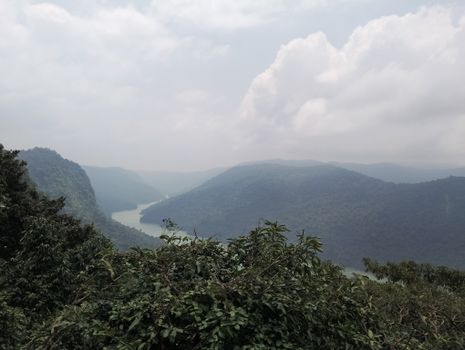
- Vibrant Greens: The intensity of the green hues is unparalleled. Frame your shots to highlight this lushness.
- Reflections: Puddles and wet surfaces create stunning reflections. Look for interesting compositions that double the beauty of your subject.
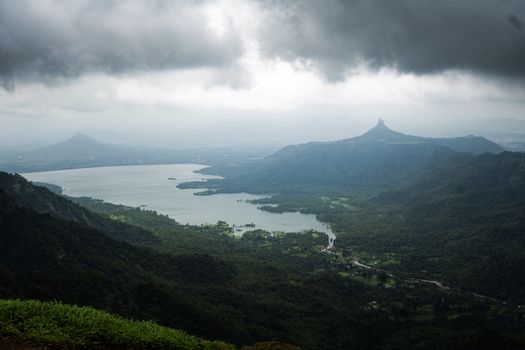
- Dramatic Skies: Don't shy away from cloudy or stormy skies. They add depth, mood, and drama to your photos. Use them as a backdrop for a lone figure or a vibrant temple.
- Local Life in the Rain: Capture people going about their daily lives under umbrellas, children playing in puddles, vendors selling steaming snacks. These human elements add authenticity.
- Waterfalls in Action: Use a slower shutter speed (if your camera allows) to create that silky, ethereal effect for roaring waterfalls.
- Protect Your Gear: A waterproof camera bag, lens hoods, and even a simple plastic bag can save your equipment. Always wipe lenses immediately if they get wet.
My favorite monsoon photo is of an elderly woman in a bright red sari, gracefully walking through a flooded street in Kochi, Kerala, her reflection perfectly mirrored in the water, carrying a basket of vibrant flowers. It tells a story of resilience, beauty, and life continuing amidst nature's power. That’s the kind of shareable, bookmark-worthy content you'll bring home.
Embrace the Downpour, Unleash the Adventure!
So, the next time someone scoffs at the idea of monsoon travel, just smile. They don't know the secrets you're now privy to. They're missing out on the emerald landscapes, the thundering waterfalls, the deep cultural connections, and the incredible budget savings. They're missing out on the real soul of a destination.
Monsoon travel isn't for the faint of heart, but it is for the curious, the adventurous, and those who seek genuine, unforgettable experiences. It challenges you, rewards you, and leaves you with stories that sparkle brighter than any sun-drenched beach selfie. It’s an immersion, a transformation, and frankly, it’s addicting.
Are you ready to swap predictable sunshine for unparalleled adventure? Are you ready to discover the magic locals truly don't want you to know?
Tell me: What's your dream monsoon destination? Share your thoughts and stories in the comments below! And don't forget to share this post with your fellow intrepid travelers – let's inspire a monsoon revolution!
---
More pictures

Tags
Share this guide
We may earn a commission if you click a link and buy a product or service, at no extra cost to you. How affiliate links work.
Been there?