
Forget what you heard – experiencing the magic of Europe doesn't require a trust fund. I've done it, and you can too! Get ready to unlock the secrets to an epic European adventure for less than $50 a day, creating memories that will last a lifetime. ---
Europe for Under $50 a Day: Your Ultimate Budget Adventure You Need to Experience Before You Die!
Let me tell you a story. My first trip to Europe, years ago, was a whirlwind of anxieties and overspending. I meticulously planned every expensive train ticket, booked mid-range hotels, and ate out for every meal, convinced that was "how it was done." I remember standing in front of the Eiffel Tower, beautiful as it was, with a knot in my stomach thinking about my dwindling bank account. I came home broke, slightly stressed, and wondering if I’d truly experienced anything beyond the tourist traps.
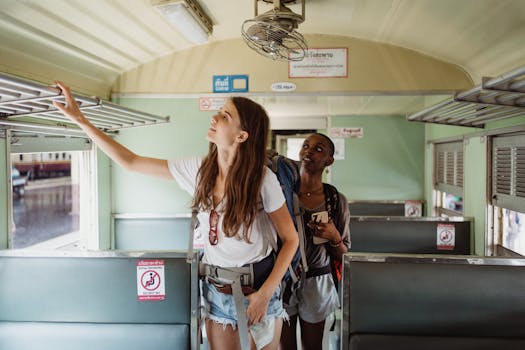
Fast forward a few years, and a different kind of Europe trip beckoned. This time, armed with a backpack, a shoestring budget, and a fierce determination to prove everyone wrong, I set out to explore. My goal? To travel Europe for under $50 a day. People scoffed. "Impossible!" they said. "You'll be eating instant noodles and sleeping on park benches!"
Well, guess what? I didn't just survive; I thrived. I discovered hidden gems, feasted on local delicacies, made lifelong friends, and woke up to breathtaking views – all while sticking to my tight budget. This wasn't just a trip; it was a revelation. It taught me that the best travel experiences aren't bought; they're earned through smart choices, open-mindedness, and a willingness to embrace the unexpected.
If you've ever dreamt of wandering through ancient cobblestone streets, savoring authentic flavors, or gazing at majestic cathedrals, but thought your bank account wasn't up to the task, then this guide is for you. I’m here to tell you that traveling Europe for under $50 a day is not just possible – it’s an incredibly enriching, authentic, and utterly unforgettable experience you absolutely need to have before you die. Let's dive in!
The Mindset Shift: Your Budget Travel Blueprint
Before we get into the nitty-gritty, let's talk mindset. Traveling Europe on a budget isn't about deprivation; it's about prioritization and smart choices. It's about trading luxury for authenticity, convenience for adventure. You won't be staying in five-star hotels or dining at Michelin-starred restaurants, but you will be immersing yourself in local culture, meeting incredible people, and collecting stories far richer than any souvenir.
Your $50-a-Day Breakdown (Approximate):
- Accommodation: $20 - $25 (Hostels, Couchsurfing, cheap guesthouses)
- Food: $15 - $20 (Supermarkets, local markets, street food, cheap eats)
- Transportation/Activities: $5 - $10 (Walking, public transport, free activities, inter-city buses)
This budget demands flexibility. You won't always hit exactly $50, some days might be $40, others $60. The key is to average it out over your trip. Embrace slow travel – hopping from city to city every day will quickly eat into your transport budget. Instead, pick a region, spend a few days exploring deeply, and move on. This isn't just cheaper; it's a more meaningful way to travel.
Smart Stays: Sleeping Soundly on a Shoestring
Your biggest budget sink is usually accommodation. But with a little savvy, you can find comfortable, safe, and even social places to rest your head for a fraction of what most tourists pay.
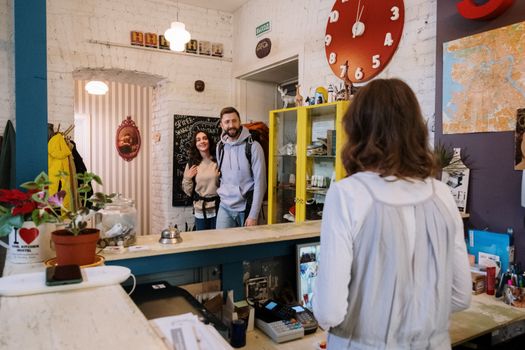
1. Hostels: Your Budget Best Friend Forget the dreary, dingy images you might have. Modern hostels are vibrant social hubs, often offering private rooms, female-only dorms, common kitchens, and incredible amenities like free walking tours, pub crawls, and even free breakfast.
- How to book: Use Hostelworld or Booking.com. Always filter by "price" and read reviews carefully. Look for hostels with high ratings for cleanliness, safety, and atmosphere.
- Personal Anecdote: I once stayed in a fantastic hostel in Krakow, Poland, for just €12 a night. It had a fully equipped kitchen, a cozy common room, and its own bar. I met fellow travelers from all over the world, shared travel stories, and even joined a free walking tour of the Old Town. It felt like a community, not just a place to sleep.
- Price Range: Expect to pay $10-20 in Eastern Europe (Poland, Hungary, Czech Republic, Romania) and $20-30 in Western Europe (Portugal, Spain, Germany, Italy) for a dorm bed. Book well in advance, especially during peak season, for the best rates.
2. Couchsurfing: Free Accommodation & Cultural Exchange This isn't just about a free bed; it's about connecting with locals and experiencing a city through their eyes. Sign up, create a detailed profile, and send personalized requests to hosts. Always prioritize safety – check reviews, stick to hosts with multiple positive references, and trust your gut. I've had incredible experiences, from sharing homemade meals in Lisbon to getting a private tour of a hidden Roman neighborhood.
3. Guesthouses & B&Bs (Off-Season): Sometimes, especially if you're traveling as a pair or in the shoulder/off-season, a basic private room in a guesthouse or family-run B&B can be surprisingly competitive with hostel prices, offering a bit more privacy. Always compare on Booking.com.
4. Camping: While not always feasible for city-hopping, if your itinerary includes nature, camping can be incredibly cheap. Many European countries have well-maintained campsites, especially in Germany, France, and Scandinavia.
Feast Like a Local, Spend Like a Student: Food Hacks
Eating well in Europe doesn't have to be expensive. In fact, some of my most memorable meals have been cheap, authentic, and utterly delicious.
1. Embrace the Supermarket: This is your ultimate secret weapon. Pop into local supermarkets (Lidl, Aldi, Carrefour, Billa, Tesco, etc.) for breakfast essentials (yogurt, fruit, bread, cheese), ingredients for packed lunches (sandwiches, salads), and even simple dinners. Many hostels have kitchens, so utilize them!
- Personal Anecdote: In Italy, I'd buy a fresh baguette, some local cheese, prosciutto, and a bottle of wine from a supermarket for less than €10. I'd then find a beautiful park or a spot with a view (like overlooking the Arno River in Florence) and have an incredible picnic. It was cheap, delicious, and incredibly Instagram-worthy!
2. Local Markets & Street Food: Head to the bustling local markets for fresh, seasonal produce, baked goods, and often incredible street food at bargain prices. A freshly baked pastry for €1, a hearty goulash in Budapest for €5, or a pastel de nata in Lisbon for €1.20 – these are the true flavors of Europe. Don't be afraid to try local specialties from food stalls.
3. Lunch Deals & "Plat du Jour": Many restaurants, especially outside major tourist zones, offer special lunch menus (often called "Plat du Jour" in France, "Menú del Día" in Spain, or similar) that are significantly cheaper than dinner. You can often get a two or three-course meal for €10-15. This is a great way to try local cuisine without breaking the bank.
4. Skip the Tourist Traps: Avoid restaurants with menus in five languages right next to major attractions. Wander a few blocks away, look for places bustling with locals, and you'll find better food at better prices. Learning a few basic phrases in the local language can also work wonders!
5. Carry a Reusable Water Bottle: Water bottles are cheap to buy once, and free to refill. Many cities have public fountains, and hostels often have filtered water. This saves you several euros a day and is better for the environment.
Navigating Europe: Mastering Budget Transportation
Getting around Europe can be surprisingly affordable if you know the tricks. Forget expensive high-speed trains or internal flights for short distances.
1. Buses are Your Best Friend: Companies like Flixbus, Omio, and BlaBlaCar Bus offer incredibly cheap inter-city travel across Europe. I've snagged tickets from Berlin to Prague for as low as €10, and from Budapest to Vienna for €15. Book in advance for the best deals, especially for popular routes. The journeys might be a bit longer, but the savings are huge, and you get to see more of the countryside.
- Personal Anecdote: My most memorable bus journey was a night bus from Split, Croatia, to Budapest, Hungary. It was long, but I saved on a night of accommodation, and woke up to the stunning architecture of Budapest without missing a beat. Plus, I met a group of fellow backpackers and we shared stories and snacks the whole way.
2. Walking & Biking: The Ultimate Free Transport: Once you're in a city, your feet are your best mode of transport. You'll discover hidden alleys, beautiful architecture, and local life that you'd miss on a bus or metro. Many cities also offer bike rentals (sometimes free for the first 30 minutes, or cheap day rates), which is a fantastic way to explore.
3. City Public Transport: For longer distances within a city, utilize the metro, tram, or bus. Look for multi-ride tickets, day passes, or weekly passes if you're staying for a while, as these are almost always cheaper than single tickets. Google Maps is your friend for navigating public transport routes.
4. Hitchhiking (with Caution): While not for everyone, hitchhiking is still a viable option in some parts of Europe, especially in rural areas or between smaller towns. Always prioritize safety: travel with a companion if possible, trust your instincts, and clearly communicate your destination. It's a fantastic way to meet locals and hear incredible stories.
Free & Frugal Fun: Experiences That Don't Cost a Dime
Europe is packed with incredible experiences that won't cost you a single euro. This is where your budget travel truly shines, allowing you to immerse yourself in culture without feeling like you're missing out.
1. Free Walking Tours (Tip-Based): Almost every major city offers free walking tours. These are run by local guides who work for tips. They're an excellent way to get an overview of the city, learn about its history, and get insider tips on cheap eats and local spots. Remember to tip generously (e.g., €5-€10) if you enjoyed it – it's how they make a living!
- Personal Anecdote: The free walking tour in Prague was an absolute highlight. Our guide, a passionate local student, brought the city's history to life with captivating stories and pointed out the best places for cheap, authentic Czech food. I spent the rest of the day exploring her recommendations.
2. Parks, Gardens & Public Spaces: Europe is renowned for its stunning parks and gardens. Spend an afternoon people-watching in Parc Güell (outside the paid section) in Barcelona, relax in Berlin's Tiergarten, or stroll through the Luxembourg Gardens in Paris. These are perfect spots for those supermarket picnics!
3. Museum Free Days/Evenings: Many world-class museums offer free entry on certain days or evenings of the week (e.g., the Louvre on the first Saturday of the month, or various museums in London). Do your research in advance to snag these deals.
4. Street Art & Architecture: Simply wandering through the streets of a European city is an experience in itself. Marvel at the intricate architecture, discover vibrant street art, and soak in the atmosphere. From the colorful murals of Lisbon to the grand boulevards of Vienna, it's all free.
- Instagram-worthy moment: Catching a sunset over the Charles Bridge in Prague, or watching the street performers in Rome's Piazza Navona – completely free, completely magical, and perfect for your feed.
5. Local Festivals & Events: Check online for free local festivals, markets, or concerts happening during your visit. These are fantastic opportunities to experience local culture and often offer free entertainment.
Budget-Friendly Destinations: Where Your Dollar Stretches Further
While you can travel anywhere in Europe on a budget, some countries are naturally more conducive to the $50-a-day challenge. Focus your itinerary on these regions to maximize your experience.
1. Eastern Europe: The Budget Champion This is where your money truly goes the furthest.
- Poland: Krakow (historic, charming, incredible food), Warsaw (vibrant, rich history). Hostels for €10-15, delicious pierogi for €5.
- Hungary: Budapest is a backpacker's dream. Thermal baths, ruin bars, stunning architecture. Hostels from €15, hearty goulash from €5.
- Czech Republic: Prague is fairytale-like, and very affordable. Hostels from €15, cheap beers and traditional food.
- Romania & Bulgaria: Less explored, even cheaper. Think Brasov, Bucharest, Sofia.
- Personal Anecdote: My week in Budapest was mind-blowing. I stayed in a fantastic hostel for €18 a night, ate delicious street food and market finds for less than €10 a day, and explored all the major sights on foot or with a cheap public transport pass. I even splurged on a visit to the Szechenyi Thermal Bath for around €20 and still came in under budget for the day. It felt like I was living like royalty for a fraction of what I'd spend on coffee in Paris!
2. The Baltics (Lithuania, Latvia, Estonia): These charming countries offer beautiful old towns, rich history, and very reasonable prices. Think Vilnius, Riga, Tallinn.
3. Portugal: While becoming more popular, Portugal (Lisbon, Porto) still offers excellent value compared to its Western European neighbors. Delicious food, beautiful cities, and affordable accommodation can still be found.
4. Southern Spain (Andalusia): Cities like Seville, Granada, and Malaga offer incredible architecture, vibrant culture, and delicious tapas that won't empty your wallet. Tapas culture means you can often eat small, delicious bites for very little.
While iconic cities like Paris, Rome, or London are harder to do on a strict $50 budget, it's not impossible for a few days if you're extremely disciplined (think Couchsurfing, supermarket food, and only free activities). But for a longer, more comfortable budget trip, stick to the regions above.
Essential Travel Hacks & Mindset for Success
To truly master the art of budget Europe travel, a few extra tips will go a long way:
- Travel Off-Season or Shoulder Season: Avoid peak summer (June-August) and major holidays. Prices for everything – flights, accommodation, buses – plummet in spring (April-May) and autumn (September-October), and you'll encounter fewer crowds.
- Be Flexible with Dates: If your schedule allows, use flight comparison sites (Skyscanner, Google Flights) and bus/train aggregators (Omio, Rome2Rio) to find the cheapest travel days. Flying on Tuesdays or Wednesdays is often cheaper.
- Travel Insurance is Non-Negotiable: Even on a budget, do NOT skip travel insurance. A twisted ankle, lost passport, or cancelled flight can derail your trip and cost you thousands. It’s a small investment for peace of mind.
- Track Your Spending: Use a simple spreadsheet or an app like TravelSpend to keep tabs on your daily expenditures. This helps you stay accountable and adjust if you're overspending.
- Learn Basic Phrases: "Hello," "Thank you," "Please," "Excuse me," and "How much?" in the local language can open doors, lead to better interactions, and sometimes even better prices.
- Pack Light: Avoid checked baggage fees by traveling with just a carry-on backpack. Not only is it cheaper, but it also makes getting around much easier.
- Get a Local SIM Card: For navigation, booking, and staying in touch, a local SIM card (e.g., from Vodafone, Orange, T-Mobile) is usually much cheaper than international roaming. You can often get one at the airport or a convenience store for €10-20 with plenty of data.
- Student ID: If you're a student, bring your ID! Many museums, attractions, and even public transport offer student discounts.
- Embrace Spontaneity & Imperfection: Things won't always go to plan. Buses might be delayed, hostels might be full. Roll with the punches, see it as part of the adventure, and be open to changing your plans. Sometimes, the best experiences come from unexpected detours.
- Prioritize Experiences Over Possessions: You won't have much room for souvenirs, but you'll come home with a mind full of incredible memories, stories, and a newfound appreciation for the world.
Your European Adventure Awaits!
Traveling Europe for under $50 a day isn't just a budget hack; it's a philosophy. It's about stripping away the excess and getting to the heart of what travel truly is: connection, discovery, and personal growth. It’s about proving to yourself that adventure is accessible, no matter your bank balance.
This isn't just a trip; it's an experience that will challenge you, inspire you, and ultimately change you for the better. You'll learn resilience, resourcefulness, and the incredible kindness of strangers. You'll collect stories that will outlast any expensive souvenir. And you'll realize that the magic of Europe isn't found in its price tag, but in its people, its history, its landscapes, and the freedom of the open road.
So, what are you waiting for? Stop dreaming and start planning. Your epic European adventure, on a budget you never thought possible, is calling. Go experience it before you die.
Now it's your turn! Share your best budget Europe travel tips in the comments below. And if this guide inspired you, share it with your fellow wanderlusters! Let's make budget travel the new luxury.
---
More pictures



Tags
Share this guide
We may earn a commission if you click a link and buy a product or service, at no extra cost to you. How affiliate links work.
Been there?