Ever dreamt of stepping back in time and mastering a craft that shaped civilizations? Forget passive sightseeing! This post reveals incredible ancient trades you can genuinely learn in a single day, transforming your trip into an unforgettable, hands-on adventure. Get ready to create history with your own two hands! ---
The scent of woodsmoke mingled with the metallic tang of heated iron filled the air. Sparks flew, a rhythmic clink-clank-clink echoed, and sweat beaded on my brow. My muscles ached, but a grin was plastered across my face. I was in a tiny, family-run blacksmith's workshop in rural Tuscany, and in just a few hours, I had transformed a cold, unyielding piece of metal into a surprisingly elegant, if slightly crooked, bottle opener. That moment, holding my creation, was more exhilarating than any museum visit, any postcard-perfect selfie. It was real.
That day sparked an obsession: finding ancient trades you can genuinely learn in a day, trades that connect you to history, culture, and the sheer joy of creation. We travel to see, to taste, to hear – but what about to make? To feel the raw materials, follow techniques passed down through generations, and walk away with not just a souvenir, but a skill and a story?
Forget the notion that ancient crafts require years of apprenticeship. While true mastery takes a lifetime, many workshops around the world offer incredible, immersive introductions that allow you to grasp the basics, create something beautiful, and truly blow your mind in just a few hours.
Ready to trade your camera for a hammer, a potter's wheel, or a calligraphy brush? Let’s dive into some of the most mind-blowing ancient trades you can master in a day!
---
1. The Potter's Wheel: Spinning Clay into Connection
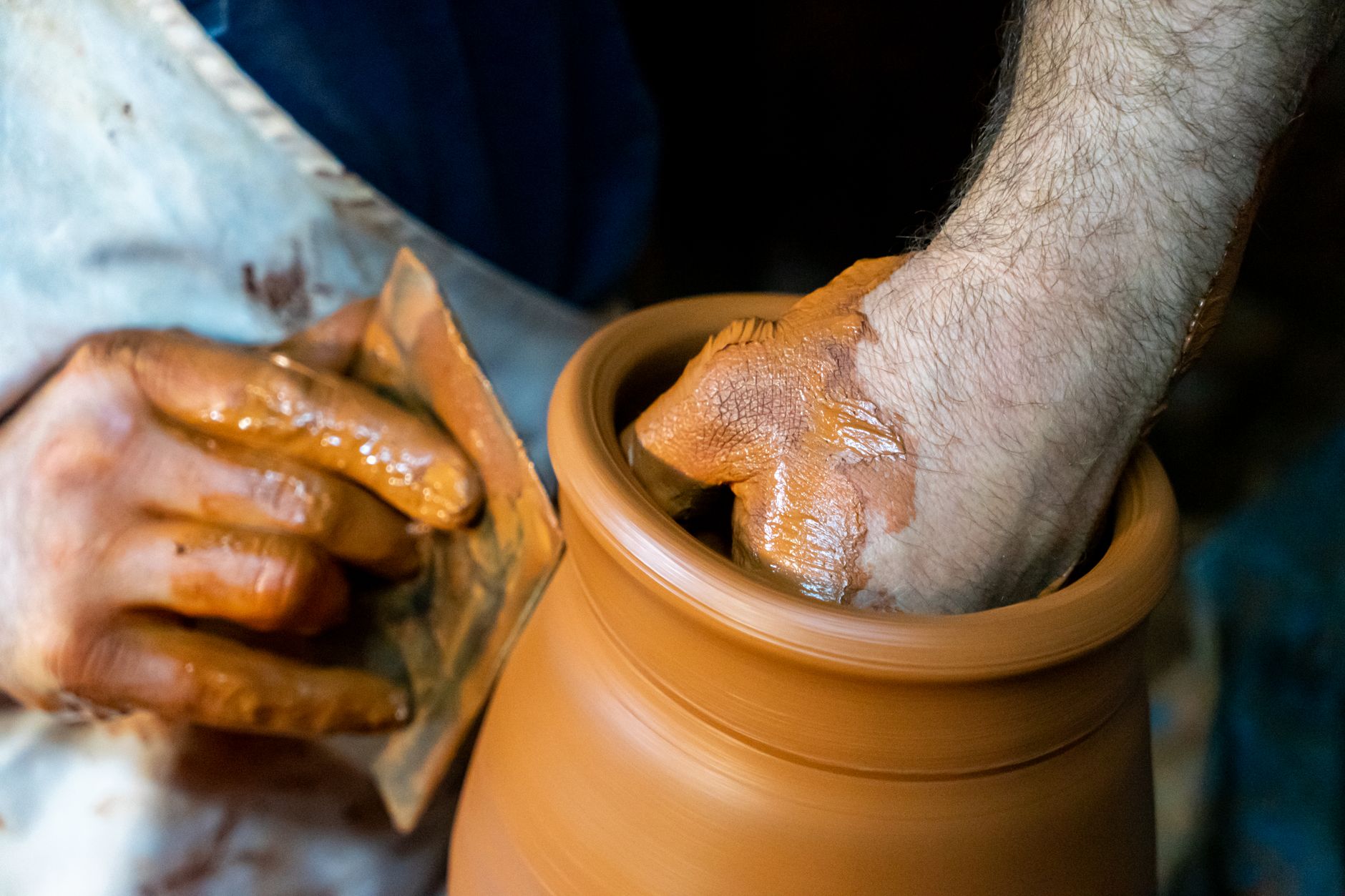
There’s something deeply meditative about the potter’s wheel. The rhythmic hum, the feel of wet clay centering beneath your hands, the magic of a form rising from a shapeless lump – it’s an ancient dance that’s both challenging and incredibly rewarding. From the earliest civilizations, pottery has been essential for storage, cooking, and art. Learning it connects you to millennia of human ingenuity.
My Experience: My first pottery workshop was in Kyoto, Japan, in a small, traditional studio tucked away near Kiyomizu-dera Temple. Our instructor, a kind elderly woman with hands gnarled from years of working clay, spoke limited English, but her guidance was clear through gestures and gentle corrections. I started with a wobbly lump, but with her patient nudging, I managed to create two small, albeit imperfect, chawan (tea bowls) and a sake cup. The feeling of the clay spinning, responding to my touch, was almost spiritual. We painted them with simple glazes, and the studio shipped them home a few weeks later after firing. They're now my prized possessions, used daily, each sip a reminder of that peaceful afternoon.
Why it Blows Your Mind: It’s tactile, meditative, and surprisingly intuitive once you get the hang of centering the clay. You’ll be amazed at what you can create in just a few hours. Plus, you get a functional, beautiful piece of art to take home.
What You'll Learn in a Day:
- Centering the clay: The fundamental skill of getting your lump of clay perfectly balanced on the wheel.
- Basic forms: How to pull up walls to create simple bowls, cups, or vases.
- Trimming and shaping: Refining the edges and base of your piece.
- Glazing (sometimes): Many workshops offer a simple glazing session, or they'll glaze and fire for you.
Practical Tips:
- Wear old clothes: Clay will get everywhere.
- Keep your nails short: Long nails are a potter's enemy.
- Focus on centering: It's the hardest part, but once you master it, the rest flows.
- Look for studios that offer firing and shipping: Especially if you're traveling, this is crucial for getting your finished pieces home safely.
Locations & Prices (Estimated):
- Kyoto, Japan: Many studios like Jikiya or Kamogawa Pottery offer 1-2 hour beginner sessions for ¥3,000-¥5,000 (approx. $20-$35 USD), including firing and shipping (shipping extra).
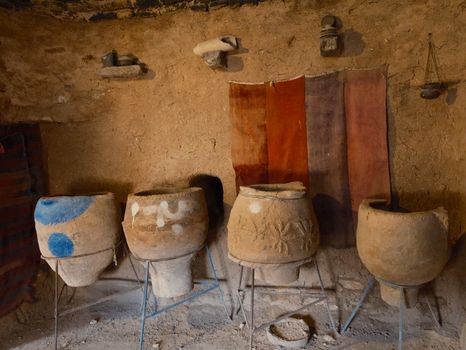
- Fez, Morocco: Traditional Fassi pottery workshops can be found for DH 200-400 (approx. $20-$40 USD) for a half-day session.
- Europe/USA: Expect $50-$150 USD for a 2-3 hour introductory wheel-throwing class.
Instagram-Worthy Moment: A slow-motion video of clay rising on the wheel, or a selfie with your mud-splattered hands and proud, albeit lopsided, creation! #PotteryLife #KyotoCrafts #SpinningClay
---
2. The Blacksmith's Forge: Hammering Heat into History
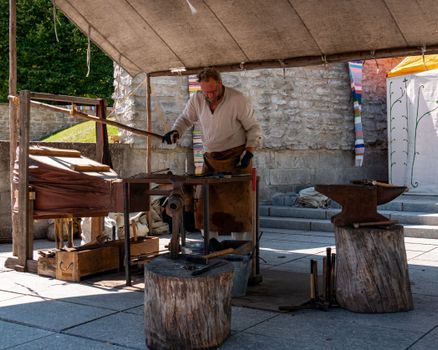
The blacksmith is one of humanity’s oldest and most vital professions, shaping metal for tools, weapons, and art. Stepping into a forge is like stepping into a time machine. The heat, the clang of the hammer, the smell of coal and hot steel – it’s an elemental experience that’s both physically demanding and incredibly satisfying.
My Experience: The Tuscan blacksmithing workshop I mentioned earlier, Fabbro Artigiano Rossi (a fictional but typical name), was a revelation. Guided by Marco, a burly man with a surprisingly gentle demeanor, I learned to heat a steel rod in the roaring forge until it glowed orange, then to hammer, twist, and bend it into shape. My arms screamed, but the feeling of the metal yielding under my blows was empowering. I started with a simple S-hook, then moved on to that bottle opener. The focus required was absolute; the world outside the forge vanished. When I left, smelling faintly of smoke and triumph, I felt a primal connection to craftsmen from centuries past.
Why it Blows Your Mind: It's a full-sensory experience – the heat, the noise, the smell, the physical exertion. You’re working with fire and metal, transforming a hard, unyielding material into something useful or beautiful. It’s incredibly empowering.
What You'll Learn in a Day:
- Forge safety: Essential basics for working with fire and hot metal.
- Heating and cooling: Understanding how temperature affects the metal.
- Basic hammer techniques: Striking, drawing out, upsetting, bending.
- Creating a simple item: An S-hook, a small bottle opener, a leaf pendant, or a fire poker.
Practical Tips:
- Wear sturdy, natural fiber clothing: No synthetics that can melt. Long sleeves and pants are a must.
- Closed-toe shoes: Absolutely essential for safety. Leather boots are ideal.
- Hydrate: It gets hot by the forge!
- Listen carefully to your instructor: Blacksmithing has inherent risks, so safety first.
Locations & Prices (Estimated):
- Rural Europe (e.g., Tuscany, Cotswolds): Many heritage centers or independent smiths offer introductory half-day to full-day workshops for €100-€250 (approx. $110-$270 USD).
- USA: Craft schools and individual smiths nationwide offer 4-8 hour beginner classes for $150-$300 USD.
- Marrakech, Morocco: While less formal classes, you can often arrange an immersive experience with a local smith in the souks for DH 500-800 (approx. $50-$80 USD) for a few hours.
Instagram-Worthy Moment: A close-up of sparks flying from the anvil, or a shot of you, hammer in hand, looking focused and a little grimy, next to your glowing creation. #Blacksmithing #ForgedInFire #AncientCrafts
---
3. The Calligrapher's Scroll: Writing Art, Not Just Words
Before printing presses, calligraphy was the art of beautiful handwriting, a respected skill that preserved knowledge and elevated communication to an art form. Learning calligraphy isn't just about pretty letters; it's about focus, discipline, and understanding the rhythm and flow that bring words to life. Whether it’s elegant Western scripts or the graceful strokes of East Asian characters, it’s a journey into mindful creation.
My Experience: I’ve dabbled in both, but my most profound experience was a Japanese calligraphy (Shodo) workshop in a quiet temple annex in Kamakura. We sat on tatami mats, the air still and reverent. Our sensei, a woman whose movements were as fluid as her brushstrokes, taught us the importance of breath, posture, and the single, decisive stroke. I started with basic kanji like "peace" (平和) and "nature" (自然). The challenge wasn't just drawing the characters, but imbuing them with spirit, understanding the order of the strokes. My first attempts were clumsy, but by the end of the afternoon, I felt a connection to the ink, the brush, and the paper. I left with a small, framed piece of my own "peace" character, a tangible reminder to slow down.
Why it Blows Your Mind: It's incredibly calming and meditative. You learn not just a skill, but a philosophy of mindfulness and precision. It transforms the act of writing into an artistic expression.
What You'll Learn in a Day:
- Basic strokes and forms: Understanding the fundamental elements of your chosen script.
- Holding the brush/pen: Proper grip and posture for control and flow.
- Ink preparation (for traditional styles): Grinding ink sticks, understanding ink consistency.
- Writing basic characters/words: Applying techniques to create simple, beautiful pieces.
Practical Tips:
- Patience is key: Calligraphy requires a steady hand and a calm mind.
- Don't be afraid to make mistakes: Every stroke is a learning opportunity.
- Ask about different styles: Western (e.g., Copperplate, Gothic) and Eastern (e.g., Japanese, Chinese) calligraphy are vastly different but equally rewarding.
- Bring a small notebook: To jot down instructions or practice strokes.
Locations & Prices (Estimated):
- Kamakura/Kyoto, Japan: Many cultural centers and temples offer Shodo workshops for ¥4,000-¥7,000 (approx. $28-$50 USD) for 2-3 hours, including materials.
- Rome, Italy: Workshops teaching ancient Roman scripts can be found for €70-€150 (approx. $75-$160 USD) for a half-day.
- Online/Local: Many cities offer beginner classes, and online platforms have excellent resources, but the in-person experience is unparalleled.
Instagram-Worthy Moment: A beautifully composed flat lay of your calligraphy tools, ink, and a pristine scroll, or a close-up video of a graceful brushstroke. #Calligraphy #Shodo #ArtOfWriting #MindfulCraft
---
4. Traditional Cooking & Baking: Savoring Ancestral Flavors
Food is culture, and learning to prepare traditional dishes is a direct link to the past. It's not just about following a recipe; it's about understanding the ingredients, the techniques, and the stories behind the flavors that have sustained communities for centuries. From hand-rolling pasta in Italy to grinding spices for a tagine in Morocco, these workshops are a feast for all the senses.
My Experience: My most memorable cooking class was in a tiny village outside Bologna, Italy. Under the tutelage of Nonna Elena, a formidable but warm woman who had been making pasta since she was five, I learned to make sfoglia (the thin sheet of pasta) from scratch, using just flour, eggs, and a rolling pin as long as my arm. There was no measuring cup, just her knowing gaze and the feel of the dough. We then shaped tortellini and tagliatelle, giggling as we tried to keep up with her nimble fingers. The best part? Sitting down afterward to eat our creations, paired with local wine, sharing stories with fellow travelers. It was more than a meal; it was a connection.
Why it Blows Your Mind: You get to literally taste history! It’s a hands-on, delicious way to immerse yourself in a culture, learn practical skills, and take home recipes that will impress your friends and family for years to come.
What You'll Learn in a Day:
- Ingredient selection: Understanding local produce and pantry staples.
- Traditional techniques: Hand-kneading dough, rolling pasta, spice blending, slow cooking methods.
- Specific regional dishes: Often 2-3 iconic recipes from the area.
- Cultural context: The stories and traditions behind the food.
Practical Tips:
- Come hungry: Most classes end with a communal meal of your creations.
- Ask questions: About the ingredients, the history, local variations.
- Take notes: Especially on subtle techniques or ingredient swaps.
- Wear comfortable shoes: You might be standing for a few hours.
Locations & Prices (Estimated):
- Bologna, Italy: Many agriturismos and cooking schools offer pasta-making classes for €80-€150 (approx. $85-$160 USD) for a 3-4 hour session, including the meal and wine.
- Marrakech, Morocco: Tagine and pastry-making classes are widely available for DH 350-600 (approx. $35-$60 USD) for a half-day.
- Chiang Mai, Thailand: Thai cooking classes are incredibly popular, often including a market visit, for THB 1,000-1,500 (approx. $30-$45 USD) for a 4-5 hour experience.
Instagram-Worthy Moment: A vibrant flat lay of fresh ingredients, a shot of you expertly kneading dough, or the glorious finished feast shared with new friends. #CookingClass #EatLikeALocal #PastaMaking #FoodieTravel
---
5. Natural Dyeing & Textile Printing: Weaving Colors from Nature
Before synthetic dyes, vibrant colors came from plants, insects, and minerals. Learning natural dyeing or block printing is a journey into ancient alchemy, transforming raw materials into beautiful patterns and hues. It's a fantastic way to appreciate the artistry behind textiles and create a truly unique, wearable souvenir.
My Experience: In a small village in Rajasthan, India, I stumbled upon a textile workshop specializing in sanganeri block printing. The air was thick with the scent of natural indigo and madder. Our instructor, a young man named Rohan whose family had been printers for generations, showed us how to carve intricate wooden blocks and then press them onto fabric. I chose a simple floral block and spent the afternoon carefully aligning and pressing, trying to get an even print. The concentration was intense, but seeing the pattern emerge, knowing I was using techniques unchanged for centuries, was mesmerizing. I left with a hand-printed cotton scarf, a beautiful, slightly imperfect testament to a day spent in mindful creation.
Why it Blows Your Mind: It's a deep dive into the history of color and design. You learn about sustainable, ancient practices and create something truly unique and beautiful that you can wear or display.
What You'll Learn in a Day:
- Source identification: Understanding which plants/minerals yield specific colors.
- Dye bath preparation: The science and art of extracting color.
- Dyeing techniques: Immersion dyeing, tie-dye, shibori (Japanese resist dyeing), or block printing.
- Mordants: How to fix colors to fabric (an ancient secret!).
- Fabric selection: Understanding how different fibers react to dyes.
Practical Tips:
- Wear old clothes: Dyeing is messy!
- Gloves are often provided, but bring your own if you have sensitive skin.
- Be patient: Natural dyeing often involves waiting for the color to develop.
- Ask about the local history: Many regions have unique dyeing traditions.
Locations & Prices (Estimated):
- Jaipur, India: Many block printing and natural dyeing workshops are available for INR 1,500-3,000 (approx. $18-$36 USD) for a 3-4 hour session, often including materials like a scarf or tote bag.
- Bali, Indonesia: Batik and natural dyeing classes are popular for IDR 300,000-600,000 (approx. $20-$40 USD) for a half-day.
- Peru/Bolivia: Indigenous weaving and natural dyeing workshops in the Andes can be arranged through local community tourism initiatives, prices vary but are generally affordable.
Instagram-Worthy Moment: A rainbow of naturally dyed yarns, a close-up of intricate block printing, or a vibrant selfie with your newly created textile art. #NaturalDye #BlockPrinting #TextileArt #SustainableCraft
---
6. Leatherworking: Crafting Timeless Goods
Leather has been a vital material for millennia, used for everything from clothing and shelter to tools and armor. Learning basic leatherworking allows you to connect with this ancient material, understanding its strength and versatility, and crafting durable, beautiful items with your own hands.
My Experience: In a small artisan district in Florence, amidst the bustling leather shops, I found a small workshop offering a 3-hour intro class. Our instructor, a young man named Matteo who had learned from his grandfather, taught us about different types of leather, how to cut, stamp, saddle stitch, and finish edges. I decided to make a simple cardholder – a seemingly easy task that required incredible precision. The feel of the sturdy leather, the satisfying thunk of the mallet on the stamping tools, and the rhythm of the saddle stitch were deeply engaging. I made mistakes, but Matteo patiently guided me. Walking out with my handmade cardholder, knowing every stitch was mine, felt like carrying a piece of Florentine history in my pocket.
Why it Blows Your Mind: You learn to transform a raw hide into something functional and beautiful. It's a tangible skill that results in durable, timeless pieces you can use for years, or even gift.
What You'll Learn in a Day:
- Leather types: Understanding different leathers and their uses.
- Basic tools: How to use knives, awls, mallets, and stamping tools safely.
- Cutting and measuring: Precision is key in leatherwork.
- Stitching techniques: Saddle stitching is a common and durable method.
- Finishing: Edge burnishing, conditioning, and simple embellishments.
- Creating a small item: A coaster, key fob, cardholder, or small wallet.
Practical Tips:
- Don't rush: Precision and patience are crucial for good results.
- Ask about sourcing: Inquire about ethical and sustainable leather practices.
- Wear comfortable clothes: You'll be sitting and working with your hands.
- Bring your creativity: While classes often have templates, there's usually room for personal touches.
Locations & Prices (Estimated):
- Florence, Italy: Many artisan studios offer 2-4 hour workshops for €70-€150 (approx. $75-$160 USD), including materials for a small item.
- USA/Europe: Craft centers and independent artisans offer beginner leatherworking classes for $80-$200 USD for a half-day session.
- Mexico: Some markets and artisan towns offer workshops focused on traditional tooling and dyeing techniques.
Instagram-Worthy Moment: A flat lay of beautiful leather tools, a close-up of your hands meticulously stitching, or a proud shot of your finished, handmade leather good. #Leathercraft #HandmadeLeather #FlorenceCrafts #ArtisanSkills
---
Beyond the Souvenir: Why These Experiences Matter
These aren't just workshops; they're portals to the past, opportunities for deep cultural immersion, and powerful ways to reconnect with your own creative spirit. In a world increasingly dominated by screens, the act of working with your hands, learning an ancient skill, and creating something tangible is profoundly satisfying.
Here's why you need to add these to your travel bucket list:
- Authentic Cultural Immersion: You're not just observing; you're participating in a living tradition. You learn from local artisans, often in their own homes or workshops, gaining insights you'd never find in a guidebook.
- Unique, Meaningful Souvenirs: Forget mass-produced trinkets. Your handmade pottery, forged metal, or hand-printed textile carries the story of your journey and your effort. It’s a conversation starter, a cherished memory.
- Skill Development & Mindfulness: Learning a new craft engages your mind and body, fostering focus, patience, and problem-solving. It's a form of active meditation that can reduce stress and boost creativity.
- Support Local Artisans: By taking these workshops, you're directly supporting local economies, preserving ancient crafts, and empowering communities.
- Incredible Stories: You'll leave with tales far more engaging than "I saw another church." You'll have stories of sparks flying, clay spinning, and dough rising – stories of personal achievement and connection.
---
Ready to Get Your Hands Dirty? Your Call to Action!
So, which ancient trade will you try first? The rhythmic hum of the potter's wheel? The primal clang of the blacksmith's hammer? The meditative stroke of the calligrapher's brush?
The world is full of incredible, hands-on learning opportunities just waiting for you. Do your research, look for local artisans or cultural centers, and don't be afraid to step outside your comfort zone.
Share your experiences with us! Have you tried an ancient craft in a day? What did you learn? What did you make? Tag @Tripsora and use #AncientTrades and #HandsOnTravel on Instagram and TikTok. We can't wait to see your mind-blowing creations!
Go forth, travel, and create! Your next unforgettable adventure is just a hammer, a brush, or a lump of clay away.
---
More pictures

Tags
Share this guide
We may earn a commission if you click a link and buy a product or service, at no extra cost to you. How affiliate links work.
Been there?