
Imagine stepping back in time, far from the modern world, into communities only accessible by foot. This isn't just a hike; it's a journey into the heart of untouched cultures and landscapes so stunning they feel like a dream. Get ready to discover the world's most incredible hidden villages, waiting at the end of an unforgettable trail. ---
The World's Most Incredible Hiking Trails That Lead to Hidden Villages You Need to Experience Before You Die
I remember the first time I truly felt lost. Not in a panicked, "where am I?" kind of way, but in the most profound, exhilarating sense of being utterly disconnected from everything familiar. It was on a dusty, winding path high in the Atlas Mountains, the only sound the rhythmic crunch of my boots and the distant bleating of goats. After hours of climbing, the trail finally dipped, revealing a cluster of mud-brick homes clinging to the mountainside, smoke curling lazily from their chimneys. Children, their eyes wide with curiosity, peeked from doorways as an elderly woman, her face a roadmap of life, offered a shy, toothless smile.
That moment—the sheer effort of the journey, the surprise of discovery, the warmth of a genuine welcome in a place time seemed to have forgotten—ignited something deep within me. It wasn't just about reaching a destination; it was about earning it, about the raw, visceral experience of traversing landscapes that guard secrets, leading to communities where ancient traditions thrive, untouched by the frantic pace of the outside world.
If you're anything like me, the idea of an "off-the-beaten-path" adventure isn't just a marketing slogan; it's a calling. It's about seeking out those rare, authentic encounters that redefine your understanding of travel and humanity. And let me tell you, there's no better way to find them than by lacing up your boots and hitting a trail that promises not just stunning views, but a portal to a hidden village.
This isn't just a list of hikes; it's a curated collection of once-in-a-lifetime journeys, each culminating in an encounter with a community so unique, so steeped in tradition, that it will etch itself into your soul forever. These are the trails that lead to places you need to experience before you die.
---
1. The Turquoise Secret: Havasupai Village, Grand Canyon, USA
Let's kick things off with a true North American gem that feels utterly otherworldly. Imagine the Grand Canyon, but instead of red rock and stark desert, picture vibrant turquoise waterfalls cascading into natural pools, framed by lush greenery. This isn't a mirage; it's Havasupai, home to the Havasupai Tribe, deep within a side canyon of the Grand Canyon.
My journey to Havasupai was a lesson in patience and perseverance. Getting permits is notoriously difficult – it's like winning the lottery! But the moment you step onto the trail, a 10-mile descent from Hualapai Hilltop, you understand why it's worth every bit of effort. The landscape transforms from arid desert to a vibrant oasis as you follow Havasu Creek.
The village itself, Supai, is incredibly remote. It’s the only place in the US where mail is still delivered by mule! Here, the Havasupai people maintain a deep connection to their land and traditions. After checking in, the real magic begins as you continue further down the canyon to the iconic waterfalls: Havasu Falls, Mooney Falls, and Beaver Falls. Each one is a jaw-dropping spectacle of vivid blue-green water against the red canyon walls. Swimming in those pools felt like bathing in a dream.
The Hike:
- Difficulty: Moderate to Strenuous. The 10-mile hike down is mostly downhill, but the return journey is a significant uphill climb. Add another 2-4 miles round trip to reach Mooney and Beaver Falls from the village.
- Duration: 1 full day to hike in and out, but you need at least 3-4 days to experience the waterfalls fully.
- Best Time: Spring (April-May) and Fall (September-October) offer the most pleasant temperatures. Summers are scorching, winters can be cold.
- Cost: Permits are essential and vary. Expect to pay around $100-$125 per person per night, plus entrance fees. These sell out instantly when released (usually February 1st for the following year).
Practical Tips:
- Permits: Book months in advance through the official Havasupai Tribe website. Seriously, set reminders!
- Gear: Sturdy hiking boots, water shoes, a daypack, plenty of water (at least 3 liters), sun protection, and a first-aid kit are crucial.
- Respect: This is sovereign land. Respect tribal rules, stay on marked trails, and leave no trace. Alcohol is prohibited.
- Accommodation: Camping is the primary option. There's a lodge in Supai Village, but it's hard to book.
- Instagram Moment: The impossible blue of Havasu Falls against the red rock – pure magic.
---
2. Rice Terraces and Hmong Hospitality: Sapa Trekking, Vietnam
Leaving the bustling town of Sapa behind, I plunged into a landscape that felt like a living painting: emerald rice terraces carved into impossibly steep hillsides, disappearing into the misty horizon. This is the gateway to the hidden villages of Vietnam's northern highlands, home to various ethnic minority groups like the Hmong, Dao, and Tay.
My trek started early, winding through muddy paths after a night of rain, but the air was fresh and alive. Local Hmong women, dressed in their indigo-dyed traditional clothing, quickly joined our small group, their smiles infectious. They knew every root and stone on the trail, effortlessly navigating paths that would have sent me tumbling. We passed through fields where water buffalo grazed peacefully, their bells clinking, and watched villagers planting rice seedlings, their reflections shimmering in the flooded paddies.
Reaching Ta Van village, nestled in a valley, felt like entering a different era. Simple wooden houses, often without electricity, stood testament to a life lived in harmony with nature. I spent a night in a homestay, sharing a meal of fragrant Vietnamese dishes with a Hmong family, learning about their customs, and listening to their stories. The next morning, waking to the sounds of roosters and the sight of mist clinging to the terraces, was an unforgettable immersion into a culture far removed from my own.
The Hike:
- Difficulty: Easy to Moderate. Trails can be muddy and slippery, but generally not overly steep or long.
- Duration: 1-3 days, depending on how many villages you want to visit and if you opt for homestays.
- Best Time: March-May (spring bloom) or September-November (harvest season, golden terraces). Avoid June-August (rainy) and December-February (cold).
- Cost: Expect to pay around $20-40 USD per day for a guided trek with homestay, including meals.
Practical Tips:
- Guide: While possible to trek independently, a local guide is highly recommended. They provide invaluable cultural insights, navigate complex trails, and support local communities.
- Footwear: Waterproof hiking boots or sturdy walking shoes are essential, especially during the rainy season.
- Respect: Ask permission before taking photos of people, especially children. Be mindful of local customs. Support local artisans by purchasing handicrafts directly from them.
- Accommodation: Homestays are the best way to experience local culture. They are basic but offer incredible authenticity.
- Instagram Moment: The vibrant green and golden rice terraces, especially during sunrise or sunset, with a local guide in traditional dress.
---
3. Deep Canyon Wonders: Colca Canyon to Sangalle Oasis, Peru
Peru is famous for Machu Picchu, but for those seeking a more rugged, less-trodden path, the Colca Canyon offers an adventure that's equally breathtaking and profoundly different. Twice as deep as the Grand Canyon, it's a colossal geological marvel, and hiking into its depths to reach the 'Sangalle Oasis' is an experience that will test your limits and reward you with unparalleled beauty.
My descent into Colca Canyon began early, the air crisp and thin at 3,600 meters (11,800 ft). The path zig-zagged steeply down ancient terraces, carved by pre-Incan civilizations. The sheer scale of the canyon is humbling; condors soared majestically overhead, their massive wingspans casting fleeting shadows. After hours of relentless downhill, muscles screaming, the terrain suddenly softened, and palm trees appeared. There, at the very bottom of the canyon, lay Sangalle, a verdant oasis of simple bungalows and refreshing swimming pools, fed by natural springs.
Spending the night in Sangalle felt surreal. The stars were impossibly bright, framed by the towering canyon walls, and the silence was absolute, broken only by the distant rush of the Colca River. The next morning, the ascent back out was a grueling, lung-busting climb, but with every step, I felt a profound sense of accomplishment, having truly conquered one of nature's giants and discovered its hidden heart.
The Hike:
- Difficulty: Strenuous. The descent is long and steep, and the ascent is a challenging 3-hour climb out of the canyon.
- Duration: 2-3 days, with an overnight stay (or two) in Sangalle or other small villages like Malata or Coshñirwa.
- Best Time: May-November (dry season) offers clear skies and pleasant temperatures.
- Cost: Guided tours (including transport, guide, accommodation, and some meals) range from $50-150 USD. Park entrance fee (boleto turístico) is around $20 USD.
Practical Tips:
- Acclimatization: Spend a few days in Arequipa (2,335m/7,661ft) before heading to Colca Canyon to avoid altitude sickness.
- Hydration: Carry plenty of water and electrolytes. The descent and ascent are physically demanding.
- Footwear: Sturdy hiking boots with good ankle support are essential for the rocky, uneven terrain.
- Accommodation: Sangalle offers basic bungalows. Don't expect luxury, but the experience is priceless.
- Instagram Moment: The dramatic canyon views, especially at Mirador Cruz del Cóndor, and the refreshing oasis pools of Sangalle.
---
4. Ancient Highlands and Gelada Baboons: Simien Mountains, Ethiopia
This one is for the truly adventurous, for those who seek not just beauty but a profound cultural and historical connection. The Simien Mountains in Ethiopia are often called the "Roof of Africa," a UNESCO World Heritage site of dramatic peaks, deep valleys, and unique wildlife, including the endemic Gelada baboons and Ethiopian wolves. But tucked away within these awe-inspiring landscapes are ancient Amhara villages, accessible only by foot, where life has continued much as it has for centuries.
My trek through the Simiens was like stepping onto another planet. The jagged peaks, sculpted by millennia of erosion, created a landscape of almost fantastical beauty. We hiked past colossal giant lobelia plants, their alien forms reaching for the sky, and watched herds of Gelada baboons grazing fearlessly, their "bleeding heart" chests a vivid splash of red against their dark fur.
The real magic, however, was in the overnight stays in the small Amhara villages. These aren't tourist traps; they are working communities. We slept in simple huts, warmed by crackling fires, and shared meals of injera (Ethiopian flatbread) and shiro wat (chickpea stew) with our hosts. The villagers, with their deep faith and resilient spirit, offered a glimpse into a way of life deeply connected to the land. The genuine smiles, the shared laughter over a cup of traditional coffee, and the sense of community in such a remote setting were incredibly moving.
The Hike:
- Difficulty: Moderate to Strenuous, depending on the chosen route and duration. High altitude adds to the challenge.
- Duration: 3-10 days, with 4-5 days being a popular option to reach some of the more remote villages and viewpoints.
- Best Time: October-May (dry season) offers the best trekking conditions and wildlife viewing.
- Cost: A guided trek with mules, cook, and scout (mandatory) can range from $70-150 USD per person per day, depending on group size and inclusions.
Practical Tips:
- Guide & Scout: A local guide and armed scout are mandatory for safety and to support local communities. Mules are also highly recommended for carrying gear.
- Altitude: Acclimatize in Gondar or Debark (the park's gateway town) before starting your trek.
- Gear: Warm layers (it gets cold at night), good hiking boots, a sleeping bag, and water purification are essential.
- Cultural Sensitivity: Dress modestly, especially when visiting villages. Be respectful of local customs and traditions.
- Instagram Moment: The dramatic escarpments, curious Gelada baboons, and the timeless simplicity of village life.
---
5. Berber Trails and Mountain Hospitality: High Atlas Mountains, Morocco
Just a short drive from the bustling souks and vibrant chaos of Marrakech lies a world apart: the majestic High Atlas Mountains. Here, ancient trails connect Berber villages, where life revolves around the rhythms of farming, family, and the mountains themselves. This is an accessible yet incredibly rewarding adventure for those seeking authentic cultural immersion.
My trek began in Imlil, a bustling hub for trekkers, and quickly ascended into a landscape of terraced fields, walnut groves, and cherry orchards. The air was filled with the scent of mint tea and the distant call to prayer. Our guide, a local Berber man named Mohammed, shared stories of his ancestors who had lived in these mountains for millennia, their knowledge of the land passed down through generations.
We hiked through small, sun-baked villages like Aroumd and Tizi Oussem, where children played amidst mud-brick homes and women baked bread in outdoor ovens. Stopping for mint tea in a traditional guesthouse, gazing out at the snow-capped peaks, I felt a deep sense of peace. The hospitality of the Berber people is legendary; they welcome strangers with open arms and generous hearts. Spending a night in a simple gîte (guesthouse) in one of these villages, sharing a tagine dinner and listening to local music, was a highlight. It's a reminder that true wealth often lies not in possessions, but in community and connection.
The Hike:
- Difficulty: Easy to Moderate. Trails are generally well-maintained, though some ascents can be steep.
- Duration: 1-3 days. Many opt for a 2-day trek with an overnight in a village.
- Best Time: Spring (April-May) for wildflowers and pleasant temperatures, or Autumn (September-October) for cooler weather and harvest season.
- Cost: A guided 2-day trek with accommodation and meals can cost around $80-150 USD per person, depending on group size.
Practical Tips:
- Guide: A local guide is highly recommended for navigation, cultural insights, and supporting the local economy.
- Footwear: Sturdy hiking shoes or boots are sufficient.
- Layers: Temperatures can vary significantly between day and night, so pack layers.
- Respect: Dress modestly, especially when visiting villages. Always ask before taking photos.
- Accommodation: Gîtes (simple guesthouses) and homestays offer authentic experiences.
- Instagram Moment: Terraced valleys, traditional Berber villages clinging to hillsides, and the stunning mountain backdrop.
---
6. Himalayan Heights and Sacred Lakes: Gokyo Valley, Nepal
For the ultimate challenge and an experience that borders on the spiritual, the trek to Gokyo Village in Nepal's Everest region is unparalleled. While many flock to Everest Base Camp, the Gokyo Lakes trek offers equally stunning views of the world's highest peaks, a more serene atmosphere, and the profound beauty of a remote Sherpa village nestled beside sacred turquoise lakes.
My journey to Gokyo was a test of endurance and spirit. Starting from Lukla (after a thrilling small plane flight), the trail gradually ascends through rhododendron forests, across suspension bridges swaying high above roaring rivers, and past prayer flags fluttering in the wind. The air thins with every step, and the landscape transforms from lush green to a stark, magnificent alpine wilderness.
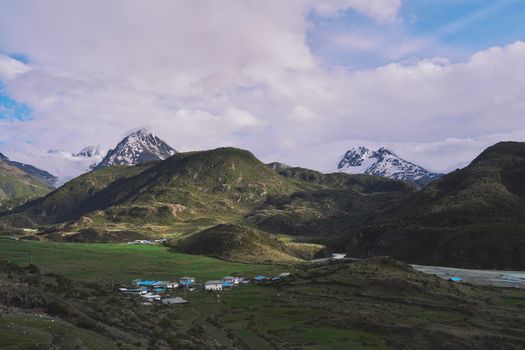
Reaching Gokyo Village, perched at 4,790 meters (15,715 ft) on the shores of the Third Lake (Dudh Pokhari), felt like arriving at the edge of the world. The village itself is a small cluster of teahouses, a lifeline for trekkers and a testament to Sherpa resilience. The views are simply mind-blowing: directly across the lake, the colossal peaks of Cho Oyu, Everest, Lhotse, and Makalu dominate the horizon. Waking up before dawn to hike up Gokyo Ri (5,357m/17,575ft) for sunrise views of Everest was a moment that transcended mere sightseeing; it was an emotional, humbling encounter with the raw power of nature.
The Hike:
- Difficulty: Strenuous. High altitude, long days, and challenging terrain.
- Duration: 10-14 days round trip from Lukla, depending on acclimatization and side trips.
- Best Time: March-May (pre-monsoon, rhododendrons in bloom) and September-November (post-monsoon, clear skies).
- Cost: Expect to pay $1,500-$3,000+ USD for a full guided trek (including flights, permits, guide, porter, and accommodation/food). Independent trekking is cheaper but requires more planning.
Practical Tips:
- Acclimatization: Crucial. Follow a slow ascent schedule, take rest days, and listen to your body to prevent acute mountain sickness (AMS).
- Guide & Porter: Highly recommended. Guides know the routes, help with emergencies, and provide cultural context. Porters lighten your load.
- Gear: High-quality trekking boots, warm layers (down jacket is essential), sleeping bag, water purification, and a good medical kit.
- Hydration & Food: Drink plenty of water. Eat well in teahouses (Dal Bhat is your friend!).
- Permits: TIMS card and Sagarmatha National Park permit are required.
- Instagram Moment: The turquoise Gokyo Lakes reflecting Everest, the sunrise views from Gokyo Ri, and prayer flags against majestic peaks.
---
Gear Up for Discovery: Essential Tips for Your Hidden Village Adventure
Embarking on these incredible journeys requires more than just a sense of adventure; it demands preparation and respect. Here are some essential tips to ensure your hidden village hike is safe, enjoyable, and truly impactful:
- Physical Preparation: These aren't strolls in the park. Incorporate regular cardio, strength training, and practice hikes into your routine well before your trip.
- Layer Up: Weather in mountainous regions can change dramatically. Pack moisture-wicking base layers, insulating mid-layers, and a waterproof/windproof outer shell.
- Footwear is Key: Invest in high-quality, broken-in hiking boots with good ankle support. Pack extra socks to prevent blisters.
- Hydration System: A hydration bladder or multiple water bottles are essential. Consider a water filter or purification tablets for refilling.
- Navigation Tools: While guides are recommended, always carry a map, compass, or a reliable GPS app (download offline maps!).
- First-Aid Kit: Pack essentials like pain relievers, blister treatment, antiseptic wipes, any personal medications, and altitude sickness medication if applicable.
- Respect Local Culture: Learn a few basic phrases, dress modestly, ask permission before taking photos, and be mindful of local customs and traditions. Your presence is a privilege.
- Leave No Trace: Pack out everything you pack in. Stick to marked trails, respect wildlife, and minimize your impact on these pristine environments.
- Travel Insurance: Always, always get comprehensive travel insurance that covers emergency evacuation and medical expenses, especially for high-altitude or remote treks.
- Support Local: Hire local guides, stay in local guesthouses, and buy local handicrafts. This directly benefits the communities you're visiting.
- Digital Detox (Mostly): While you'll want photos, try to put your phone away and truly immerse yourself. The best memories are made when you're fully present.
---
Your Next Chapter Awaits
These hidden villages aren't just dots on a map; they are living museums, vibrant communities, and profound testaments to human resilience and connection to nature. Each trail leading to them is a pilgrimage, a chance to shed the layers of modern life and rediscover a simpler, more authentic existence.
The feeling of stepping into one of these secluded havens, having earned every single step of the journey, is unlike anything else. It's a moment of pure, unadulterated discovery, a memory that will fuel your spirit for years to come.
So, tell me, which of these incredible hiking trails to hidden villages are you adding to your ultimate before-you-die list? The world is waiting. Start planning your epic adventure today, and prepare to be transformed.
Share your dream hidden village hike in the comments below!
---
More pictures

Tags
Share this guide
We may earn a commission if you click a link and buy a product or service, at no extra cost to you. How affiliate links work.
Been there?