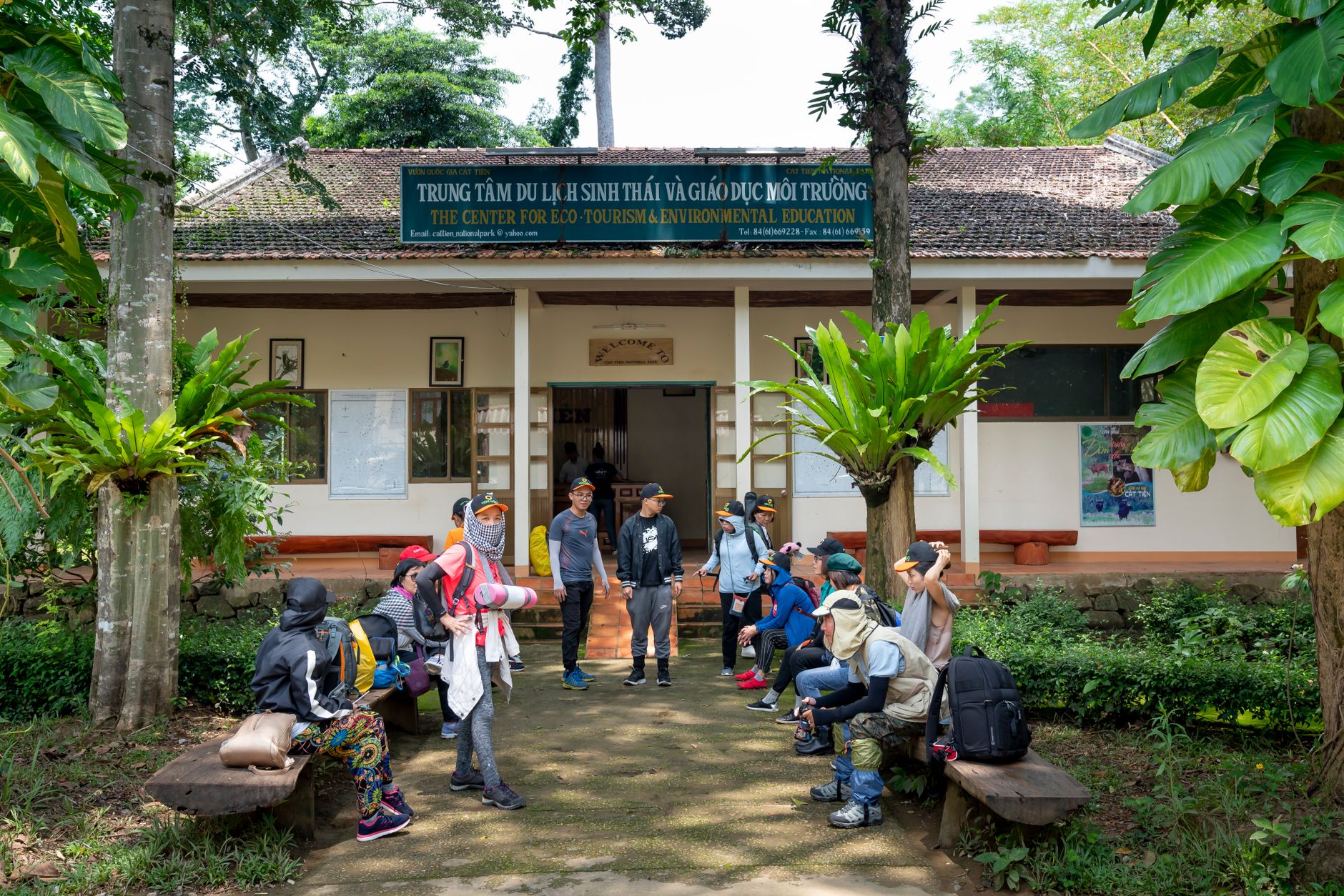
Do you love to travel but secretly dread the environmental impact? What if I told you that some of the most profound, life-changing experiences you can have on the road also happen to be completely free ways to offset your travel footprint? Get ready to transform your journeys and leave a positive mark on the world, all without opening your wallet. ---
Offset Your Travel Footprint for FREE: 7 Life-Changing Experiences You Need Before You Die
There’s a confession I need to make. For years, I wore my passport stamps like badges of honor, each new country a testament to my adventurous spirit. But beneath the thrill of discovery, a quiet guilt began to simmer. Every flight, every long-haul bus, every hotel stay – it all added up. I loved the world, deeply and passionately, but was I loving it to death?
This nagging feeling came to a head on a pristine beach in Palawan, Philippines. The turquoise water was breathtaking, the sand like powdered sugar. Yet, nestled among the coral fragments and seashells, I spotted a discarded plastic bottle, then another, and another. It was a stark reminder that our wanderlust, unchecked, can leave a devastating mark.
I knew I had to change. But as a professional travel blogger, giving up travel wasn't an option. And let's be honest, carbon offset programs, while valuable, often come with a price tag, and sometimes it feels like a band-aid solution. I needed something more, something authentic, something that directly connected me to the places I visited and allowed me to give back. And, ideally, something that wouldn't break the bank.
What I discovered next didn't just ease my guilt; it revolutionized the way I travel. I found that some of the most profound, deeply enriching experiences on the road are also completely free ways to offset your travel footprint. These aren't just actions; they're adventures. They're moments that will embed themselves in your soul, make you a better traveler, and leave the world a little brighter. And trust me, you need to experience them before you die.
Ready to transform your travels from guilt-ridden to gratitude-filled? Let's dive in.
1. The Hands-On Hero: Embracing Free Volunteerism on the Go
Forget expensive voluntourism packages. The most impactful (and free!) way to give back often starts with simply looking around and lending a hand. This is where the magic truly happens, connecting you with locals and the environment in a way a tourist brochure never could.
My first taste of this was on the stunning shores of Koh Lanta, Thailand. After a morning dive, I noticed a small group of locals and a few backpackers systematically collecting trash along the beach. My initial thought was, "Oh, a cleanup." My second thought was, "Why am I not doing that?" I dropped my towel, grabbed a discarded bag, and joined them. For the next two hours, under the scorching sun, we scoured the sand, pulling out everything from flip-flops to fishing nets.
The feeling wasn't just satisfaction; it was pure joy. We laughed, we sweated, we shared stories (mostly through gestures and broken English). I wasn't just cleaning a beach; I was an active participant in preserving the beauty I had come to admire. The "price"? Zero. The reward? Immeasurable.
How YOU Can Do It (for FREE!):
- Look Locally: Ask at your hostel, guesthouse, or local tourism office if there are any community cleanups or environmental initiatives happening. Many small towns rely on volunteer efforts.
- Be Proactive: See a littered area? Grab a bag (reusable, of course!), put on some gloves (if you have them), and start collecting. Even 15 minutes can make a huge difference.
- Join Facebook Groups: Search for local "eco warrior," "beach cleanup," or "community volunteer" groups in your destination. These are goldmines for spontaneous events.
- "Plogging" Power: Combine jogging with picking up litter. It’s a workout and an environmental good deed wrapped into one.
- Trail Maintenance: In national parks or hiking areas, sometimes trails need clearing or minor repairs. Ask park rangers if there's anything you can assist with.
Instagram-Worthy Moment: A stunning "before and after" photo of a stretch of beach you helped clean, or a candid shot of you and new friends laughing while making a difference. Use hashtags like #BeachCleanupHero #TravelWithPurpose #FreeVolunteerism.
2. The Local's Lens: Sustainable Immersion Without Spending a Dime
One of the biggest carbon culprits in travel is often transportation. But what if embracing local transport and simply walking more not only slashes your footprint but also unlocks a richer, more authentic travel experience? It's free, it's healthy, and it's transformative.
I remember my first trip to Hanoi, Vietnam. Overwhelmed by the chaotic traffic, my instinct was to hail a taxi everywhere. But after a few days, I forced myself to walk. I walked through the narrow alleyways of the Old Quarter, past street food vendors, families chatting on their doorsteps, and artisans crafting their wares. I saw things I never would have from a car window – a tiny temple hidden between shops, a grandmother meticulously tending her bonsai, the vibrant chaos of a local market.
Later, I embraced the local bus system. It was confusing at first, but with a bit of help from friendly locals (and Google Maps), I navigated the city like a pro. Each ride was an immersion – the rhythmic hum of the engine, the snippets of conversation, the fascinating mosaic of daily life unfolding outside the window. This wasn't just transport; it was a front-row seat to authentic culture, and it cost pennies (or was free if I walked!).
How YOU Can Do It (for FREE!):
- Walk Everywhere Possible: Not only does it produce zero emissions, but it's also the best way to truly soak in a destination. You'll discover hidden gems and get a feel for the local rhythm.
- Embrace Public Transport: Instead of taxis or ride-shares, opt for buses, trams, or subways. Many cities like London, Berlin, or Tokyo have excellent, extensive public transport networks. It's often cheaper, more efficient, and significantly reduces your individual carbon impact.
- Borrow a Bike: Some hostels or guesthouses offer free bike rentals. It’s a fantastic way to explore responsibly and get some exercise.
- Pack Light: The less you carry, the easier it is to walk, and the lighter the load on any transport you do take.
- Refuse Single-Use: Always carry a reusable water bottle and fill it up. Say no to plastic bags, straws, and cutlery. This tiny habit has a huge collective impact.
Instagram-Worthy Moment: A candid shot of you navigating a bustling local market on foot, a panoramic view from a local bus window, or a picture of your trusty reusable water bottle against a beautiful backdrop. Hashtags: #SlowTravel #LocalLife #EcoExplorer #WalkDontDrive.
3. The Mindful Observer: Digital Detox & Eco-Conscious Exploration
In our quest for the perfect shot, it's easy to forget the sanctity of the places we visit. True eco-conscious exploration is about connecting deeply with nature and culture without leaving a trace – physically or digitally. It's about being present, observing, and respecting. And it costs nothing.
I learned this lesson profoundly in the vast, silent landscapes of Patagonia. Hiking through Torres del Paine National Park, I saw countless signs reminding visitors to "Leave No Trace." It wasn't just about trash; it was about staying on marked trails, not disturbing wildlife, and minimizing noise. I consciously decided to spend less time looking through my phone screen and more time simply looking.
I watched a guanaco herd grazing peacefully, their calls echoing across the valleys. I sat by a glacial lake, mesmerized by the shifting blues. I felt the wind whip across my face and smelled the crisp, clean air. These moments of pure, unadulterated presence were far more valuable than any photo I could post. My impact was minimal because my presence was respectful and mindful.
How YOU Can Do It (for FREE!):
- Practice "Leave No Trace": This is the golden rule of outdoor ethics. Pack out everything you pack in (including organic waste like fruit peels), stay on marked trails, respect wildlife (keep your distance, never feed them), and minimize campfire impacts (or avoid fires altogether).
- Digital Detox Moments: Intentionally put your phone away. Dedicate specific times or locations to simply observe, listen, and absorb your surroundings without the urge to document.
- Educate Yourself: Learn about the local ecosystem, culture, and any specific environmental challenges of your destination. This knowledge fosters deeper respect and informs your actions.
- Use Digital Maps: Avoid printing paper maps. Offline map apps like Maps.me or Google Maps are excellent free resources.
- Whisper, Don't Shout: Be mindful of your noise levels in natural areas or quiet cultural sites. Respect the peace.
Instagram-Worthy Moment: A breathtaking landscape shot taken after you've truly immersed yourself, a minimalist photo showcasing the "Leave No Trace" principle (e.g., a perfectly clean campsite), or a picture of a local plant or animal you learned about. Hashtags: #LeaveNoTrace #MindfulTravel #DigitalDetox #RespectNature.
4. The Deep Diver: The Art of Slow Travel and Unpacking More
In our fast-paced world, the temptation is to cram as many destinations as possible into one trip. But "slow travel" isn't just a trend; it's a powerful, free way to reduce your footprint and enrich your soul. By spending longer in fewer places, you minimize transit emissions and deepen your connection.
My most transformative slow travel experience was a month-long stay in a tiny village in Tuscany, Italy. Instead of bouncing from city to city, I rented a room in a local's home. I learned to make pasta from scratch with my host, volunteered a few mornings helping in her garden, and spent afternoons simply reading in the olive groves. My daily "commute" was a walk to the local market.
I took one train journey to Florence and back, but the rest of my time was spent immersed. My carbon footprint for that month was dramatically lower than any previous European trip. And what I gained? A sense of belonging, a deeper understanding of Italian culture, and friendships that endure to this day. It felt less like a vacation and more like living.
How YOU Can Do It (for FREE!):
- Prioritize Fewer Destinations: Instead of visiting five countries in two weeks, choose one region or country and explore it deeply.
- Embrace Train Travel: Where possible, choose trains over flights for inter-city travel. It's often more scenic, less stressful, and significantly reduces your carbon footprint (and can be cheaper if booked in advance).
- Stay Longer: Even adding a few extra days to a destination allows for deeper exploration and reduces the pressure to rush.
- Support Local, Directly: Choose local guesthouses, family-run restaurants, and buy souvenirs directly from artisans. This keeps money in the local economy and reduces the need for mass-produced, internationally shipped goods.
- Unpack Your Bags (and Your Mind): Allow yourself to truly settle in, get to know your neighborhood, and embrace the local pace of life.
Instagram-Worthy Moment: A serene photo of a train journey through a beautiful landscape, a candid shot of you interacting with locals at a market, or a picture of a traditional dish you learned to make. Hashtags: #SlowTravel #DeepImmersion #SustainableJourney #TravelLessTravelMore.
5. The Ripple Effect: Educate, Advocate, and Inspire Change
Your journey doesn't end when you return home. One of the most powerful, free ways to offset your travel footprint is by sharing your experiences and inspiring others to travel more sustainably. You become an ambassador for responsible tourism, creating a ripple effect of positive change.
I once met a fellow traveler in Costa Rica who was struggling with the amount of plastic waste. I shared my simple trick of always carrying a reusable spork, a cloth napkin, and a collapsible cup. A few months later, she messaged me with a photo of her new "eco-kit" and thanked me, saying it had completely changed how she approached food on the go. That small interaction, born from a free tip, had a lasting impact.
Every conversation, every photo caption, every recommendation you make can shift perspectives and encourage more conscious choices. This is about leveraging your voice, your network, and your passion for the planet.
How YOU Can Do It (for FREE!):
- Share Your Stories: Document your eco-friendly choices on social media. Share your tips, challenges, and successes. Use engaging captions and beautiful visuals.
- Be a Conversational Catalyst: Talk to friends, family, and fellow travelers about sustainable practices. Share your knowledge without judgment.
- Write Reviews with Purpose: When reviewing hotels, restaurants, or tour operators, highlight their sustainable practices (or lack thereof). This encourages businesses to adopt greener policies.
- Engage with Hashtags: Use relevant hashtags like #SustainableTravel, #EcoTravel, #ResponsibleTourism, #TravelGreen to reach a wider audience and connect with like-minded individuals.
- Lead by Example: Your actions speak louder than words. When others see you consistently making conscious choices, they're more likely to follow suit.
Instagram-Worthy Moment: A visually appealing infographic or carousel post with your top free eco-travel tips, a photo of you engaging in a sustainable activity with a thought-provoking caption, or a screenshot of a positive review you left for an eco-conscious business. Hashtags: #TravelForGood #InspireChange #EcoWarrior #TripsoraTips.
6. The "Free" Carbon Offset: Your Everyday Choices at Home
Let's be real: offsetting your travel footprint doesn't just happen on the road. Your daily choices at home contribute significantly to your overall carbon output. By making more sustainable decisions in your everyday life, you essentially "free up" carbon budget, making your occasional travels more justifiable and less impactful. And guess what? Many of these choices save you money, making them completely free offsets!
I used to be a creature of convenience, driving short distances and buying whatever was easiest. But after my Palawan revelation, I started looking at my home life through an eco-lens. I began walking or cycling to the grocery store, buying local produce, and drastically reducing my meat consumption. I unplugged electronics, turned off lights, and became a master of repurposing.
These weren't sacrifices; they were shifts. My energy bills dropped. I felt healthier. And the cumulative effect meant that when I did hop on a plane, I knew my overall lifestyle was significantly less impactful than before. It's like having a built-in, free carbon offset program running 24/7.
How YOU Can Do It (for FREE!):
- Reduce, Reuse, Recycle (in that order!): Before buying something new, ask if you can reduce your need, reuse what you have, or repair it. Recycling is the last resort.
- Embrace Plant-Based Meals: Even one or two meat-free days a week can significantly reduce your food-related carbon footprint.
- Conserve Energy at Home: Unplug chargers, turn off lights, use natural light, adjust your thermostat wisely. These are free and save you money!
- Walk or Bike More: For short errands or commutes, leave the car at home. Enjoy the fresh air and save on gas.
- Shop Second-Hand: Clothing, furniture, books – buying used reduces demand for new production and keeps items out of landfills.
- Compost: If you have a garden or access to a community compost, turn food scraps into rich soil instead of landfill waste.
Instagram-Worthy Moment: A vibrant photo of a delicious plant-based meal you cooked, a shot of your bike parked outside a local market, or a creative DIY project where you repurposed an old item. Hashtags: #SustainableLiving #EcoHome #ZeroWasteLife #FreeOffset.
7. The Storyteller's Gift: Documenting and Inspiring for Generations
Finally, one of the most impactful, and utterly free, things you can do is to become a storyteller. Use your voice, your photos, your videos, and your experiences to document the beauty you encounter, the challenges you witness, and the solutions you discover. By sharing these narratives, you contribute to a global conversation that can inspire change for generations.
My role as a travel blogger for Tripsora isn't just about showing pretty places; it's about sharing the deeper truths of travel. I've learned that by authentically recounting my experiences – the good, the bad, and the eco-conscious – I can connect with readers on a profound level. When I wrote about the impact of plastic in Southeast Asia, I received messages from readers who started carrying reusable bags. When I shared my slow travel journey in Italy, others were inspired to book longer stays.
Your stories, no matter how small, have power. They can educate, motivate, and even shift paradigms. This is your legacy, freely given, for the planet and future travelers.
How YOU Can Do It (for FREE!):
- Write a Travel Journal: Document your observations, feelings, and the sustainable choices you make. This is a powerful personal record.
- Share Your Photos & Videos: Use social media, personal blogs, or even family gatherings to share the environmental lessons and beauty you've encountered.
- Engage in Online Communities: Participate in travel forums, Facebook groups, or Reddit threads dedicated to sustainable travel. Share your insights and learn from others.
- Create Educational Content: Even simple Instagram stories with tips can be incredibly effective.
- Be a Local Expert: When friends ask for travel advice, weave in your sustainable recommendations.
Instagram-Worthy Moment: A compelling photo of a pristine natural landscape with a caption that tells a personal story about its preservation, a video clip of you explaining a sustainable travel tip, or a screenshot of a meaningful comment exchange about eco-travel. Hashtags: #TravelStoryteller #InspireGenerations #ProtectOurPlanet #TripsoraAdventures.
---
Your Journey, Reimagined: Leaving a Legacy, Not a Footprint
The world is an incredible tapestry of cultures, landscapes, and experiences, and it's waiting for you to explore it. But it desperately needs your mindful touch. The beauty of these seven free methods isn't just that they reduce your carbon footprint; it's that they deepen your connection to the places you visit, foster genuine interactions, and transform your understanding of what travel truly means.
These aren't sacrifices; they're enrichments. They're the kind of profound, soul-stirring experiences that stay with you long after you've unpacked your bags. They are, quite simply, experiences you need before you die.
So, on your next adventure, consider this: What free act of kindness will you offer to the planet? What sustainable habit will you embrace? What story will you tell?
Share your commitments and ideas in the comments below! Let's inspire each other to travel better, for ourselves and for the world we all cherish.
#TravelResponsibly #OffsetForFree #Tripsora
---
More pictures


Tags
Share this guide
We may earn a commission if you click a link and buy a product or service, at no extra cost to you. How affiliate links work.
Been there?