
Ten practical mindset shifts for dodging tourist traps and finding more rewarding experiences, from slowing down to choosing quality over checklists.
Most guides to tourist traps focus on a list of places to avoid. That is useful, but lists go out of date and no list can cover every town. A more lasting approach is to change how you travel. Travelers who consistently have rich experiences, no matter the destination, tend to share a handful of habits. They are curious, flexible and a little unhurried. This article walks through ten mindset shifts that make traps easier to spot and easier to skip.
1. Swap the checklist for a theme
The classic trap is the checklist: ten sights in two days. It pushes you toward the most famous items, in crowds, with a sense of urgency that makes you easy to upsell.
Try picking a theme for your trip instead. It might be street food, medieval history, architecture, hiking, markets, jazz or traditional crafts. A theme gives you a filter. When someone offers a tour, a restaurant or a souvenir, you can ask whether it fits what you care about. If not, you can say no with confidence.
2. Accept that you will miss things
Fear of missing out powers a large part of the tourist industry. Skip-the-line passes, express tours and "must-see" lists all play on it. Accept early that you cannot see everything. Choose a few things you want and leave room for the rest.
A practical approach:
- Pick one or two highlights per day.
- Leave an unplanned window every afternoon.
- Remember that a slow, enjoyed morning in a café is a real experience too.
3. Treat famous as a starting point, not a verdict
Popular attractions are popular for good reasons, so there is no need to avoid them. The trap is to experience them on the worst terms, such as at midday in peak season, behind a stranger's selfie stick, with an overpriced coffee afterward.
Better terms might include:
- Visiting at opening time or late in the day.
- Reading a little history beforehand, so you know what you are looking at.
- Finding a quieter viewpoint nearby.
- Eating somewhere away from the entrance.
4. Follow the rhythm of the place
Every region has a daily rhythm. In some countries, lunch is the main meal and dinner starts late. In others, shops close midday and reopen in the afternoon. Markets may run only in the morning. If you match your schedule to local rhythms, you are less likely to land in places that exist only to serve out-of-sync visitors.
You can learn the rhythm by:
- Noticing when cafes and bakeries are busy.
- Asking your host what time people usually eat.
- Watching when local transport is crowded.
- Checking market days in the town you are visiting.
5. Ask better questions
How you ask matters. "Where should I eat?" often gets you the closest and most obvious answer. Better questions include:
- "Where do you go when you want a good, simple lunch?"
- "What is a dish I should try this week?"
- "Which part of town do you like walking in?"
- "What do visitors usually get wrong about this place?"
Ask several people, since a single recommendation can be influenced by friendships or commissions. When two or three independent answers overlap, you can trust them more.
6. Pay attention to incentives
Behind many traps is a simple incentive. A person who stands outside a restaurant is paid to bring in customers. A driver who suggests a particular shop may receive a commission. A tour guide who pushes extras may depend on tips and commissions to make a living.
This does not make anyone a villain. Wages in tourism can be low, and commission systems are common. It does mean you should ask yourself who benefits from a suggestion. If you want a recommendation to be honest, ask someone with nothing to gain, such as a fellow traveler, a librarian or a person in a neighbourhood shop.
7. Go slower
Speed is the enemy of good decisions. When you are rushing, you accept the first offer, take the pricey taxi and eat at the nearest restaurant. Slow travel is not just a lifestyle trend. It is a practical defence.
- Stay in fewer places for longer. Three nights in one town is usually better than three towns in three nights.
- Use public transport and walk where it is safe.
- Take time to read menus and compare options.
- Give yourself a free half day after long journeys.
Slowness also tends to lower costs, since longer stays often come with better rates and you can shop at local markets.
8. Be curious about ordinary places
Some of the best travel moments happen at a bakery, a laundromat, a barber shop, a town square or a railway platform. These everyday places are rarely traps because they are not designed for visitors.
Try spending part of each day somewhere ordinary:
- Sit in a local café with a notebook.
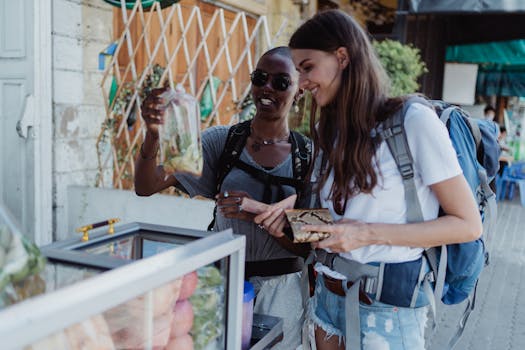
- Visit a supermarket or food hall and compare products.
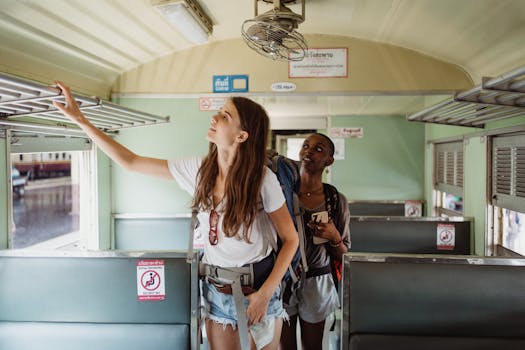
- Take a local bus line to its end and walk back.
- Visit a municipal garden or public library, where permitted.
You will learn more about a place's character this way than from a highlights tour.
9. Be willing to pay for quality
Avoiding traps is not the same as being cheap. In fact, the cheapest option can be a trap if it cuts corners on safety, ethics or quality. A guide who earns a fair rate, a small restaurant that uses good ingredients and a craftsperson who spends days on one piece often charge more than a mass-market alternative, and they usually deserve it.
Think in terms of value:
- Is the price fair for the time, skill and materials involved?
- Does the money go to local people?
- Is the experience safe, and are animals and the environment treated well?
Spending a little more on a few things you care about, and saving on those you do not, is a sound strategy.
10. Forgive yourself
You will make mistakes. You may order the wrong dish, pay too much for a taxi or end up in a place full of tour buses. That is part of travel. What matters is what you do next.
- Laugh about it, and note what you learned.
- Do not let one bad meal sour the day.
- If you have been genuinely scammed or robbed, report it to local authorities and your accommodation, and contact your bank if cards are affected.
- Share useful feedback with others so they can avoid the same problem.
Putting the mindset into practice: a sample day
Here is how these habits might look in a day in an unfamiliar city.
- Begin with a late breakfast at a neighbourhood bakery. Ask the staff what they would recommend.
- Visit one major sight just after it opens, having read a little about its history the night before.
- Walk through a nearby residential area, noticing the shops, murals and small parks.
- Have a set lunch at a place with a short menu in the local language.
- Rest in the afternoon. Read, write postcards or sit in a park.
- In the evening, stroll to a market or a river promenade. Eat something simple and local.
- Finish with a quiet drink at a place that looks lived in.
This day contains one headline sight, a lot of ordinary life and almost no pressure.
Small tools that help
- An offline map with saved places.
- A translation app for menus and signs.
- A notebook for tips from people you meet.
- A small daily budget, to keep spending in perspective.
- A few phrases in the local language.
When the mindset meets reality: three short scenarios
It helps to see how these habits play out in common situations.
Scenario one: the pushy restaurant host. You are walking along a waterfront and a host steps toward you with a menu, promising a special table. Rather than feeling cornered, remember the incentive: he is paid to fill seats. Smile, say no thank you, and keep walking. Within a couple of blocks you can usually spot a place with fewer greeters, a shorter menu and more local voices.
Scenario two: the helpful stranger. Someone offers to show you a shortcut to a viewpoint. This may be completely kind, or it may end at a shop. Politely decline and use your map. If you do accept, set the terms early: you are happy to walk, but not to buy anything.
Scenario three: the rainy day. Weather ruins the outdoor plan, and the nearest indoor attraction has a long queue and a high price. Rather than defaulting to it, look for free or low-cost alternatives such as churches, libraries with historic reading rooms, covered markets, local cinemas or a bookshop café. Rainy days are often when travelers discover their favourite places.
Notes on travelling with others
Mindset shifts are easier alone than in a group, because groups have different priorities. If you travel with friends or family, agree on a loose plan before you go. Decide which one or two things matter most to each person and make sure they happen. Let everyone veto something. Keep meal decisions simple by choosing a rule, such as asking a local for a recommendation each day, or taking turns picking. With children, plan active breaks and accept that a playground or an ice cream stop may become a highlight.
Keeping a record of what worked
A habit that pays off over many trips is writing down what you learned. After each trip, make a short note of the best meal, the biggest waste of money, the best piece of advice and what you would do differently. Over time you will see patterns in your own preferences. You may discover that you hate tours but love markets, or that you prefer cooking classes to museums. Knowing yourself is the strongest defence against traps designed for the average visitor.
Frequently asked questions
Do I need to speak the local language? No, but a few polite phrases go a long way. Greetings, please, thank you and numbers are a good start.
Is it rude to skip a tour a host recommends? Not at all. Politely say you have other plans. Hosts generally understand.
How do I tell a genuine local spot from a staged one? Look for signs of everyday use: local customers, prices on a simple menu, a mix of ages and no one pulling people in from the street. Nothing is perfect proof, so combine several signs.
What if I only have a short time? Choose one or two priorities and give them proper attention. A short trip with fewer stops is usually more satisfying than a rushed tour of many.
Summary
Avoiding tourist traps is mostly a matter of attitude. Replace the checklist with a theme, accept that you will miss things, follow local rhythms, ask better questions and watch incentives. Go slowly, spend time in ordinary places, pay fairly for quality and forgive your mistakes. These habits work anywhere, and they tend to make a trip richer as well as cheaper.
More pictures



Tags
Share this guide
We may earn a commission if you click a link and buy a product or service, at no extra cost to you. How affiliate links work.
Been there?