
Ever dreamt of stepping back in time? Imagine trekking through breathtaking landscapes to stumble upon ancient communities untouched by modernity. Join me as we uncover the world's most incredible hiking trails leading to hidden villages that promise to blow your mind and transform your travel perspective. ---
The Call of the Unseen: My Journey to Discovering the World’s Hidden Havens
The dust clung to my boots, the air thin and crisp, carrying the distant chime of yak bells. Ahead, the trail snaked upwards, a ribbon of worn earth carved into the colossal Himalayan embrace. My guide, a man whose smile seemed permanently etched into his weathered face, pointed. "Ghandruk," he said, the single word a promise. And there it was, nestled like a jewel in the lap of giants – a cluster of stone and slate roofs, a vibrant tapestry of Gurung life, seemingly suspended between earth and sky. It wasn't just a village; it was a revelation, a reward hard-earned by days of relentless trekking.
That moment, perched on a precipice overlooking a world that felt both ancient and utterly alive, solidified a deep-seated passion within me: the pursuit of hidden villages. These aren't your typical tourist traps or bustling towns. These are places whispered about in hushed tones, reached only by the determined, the curious, and those willing to trade paved roads for winding paths. They are pockets of authentic culture, living museums where traditions thrive, and time seems to slow to a gentle, rhythmic hum.
On Tripsora, we're all about inspiring journeys that push boundaries and create unforgettable memories. And trust me, nothing quite compares to the profound sense of accomplishment and wonder you feel when you finally step into a community that few outsiders ever see. It’s a privilege, a lesson in humility, and an adventure that will, quite literally, blow your mind. Ready to trade your screen for stunning scenery and your routine for raw discovery? Let’s lace up those boots and explore some of the world’s most incredible trails to hidden villages.
Why We Chase the Unseen: The Irresistible Allure of Remote Life
What is it about these remote settlements that calls to our adventurous souls? For me, it’s a cocktail of desires: the thrill of discovery, the yearning for genuine connection, and an escape from the relentless pace of modern life.
In a world increasingly homogenized by global trends, hidden villages offer a precious glimpse into cultures that have often remained untouched for centuries. You’re not just seeing history; you’re living it. You’re not just observing; you’re participating, even if only as a respectful guest. The warmth of a shared meal, the intricate patterns of traditional crafts, the echoes of an ancient language – these are the treasures you unearth, far more valuable than any souvenir.
These journeys also offer an unparalleled opportunity for digital detox. With limited to no connectivity, you're forced to disconnect from the digital noise and reconnect with yourself, your companions, and the breathtaking natural world around you. It's a chance to truly be present, to listen to the whisper of the wind, the rustle of leaves, and the stories told by the elders of the village. It's an antidote to modern life, a reset button for the soul. And the best part? The sense of achievement after conquering a challenging trail, knowing that your effort led you to something truly extraordinary, is a high that lasts long after your muscles stop aching.
Gearing Up for Discovery: Essential Prep for Remote Treks
Before you even think about setting foot on one of these incredible trails, preparation is paramount. These aren't strolls in the park; they are genuine expeditions that demand respect, planning, and the right mindset.
1. Physical Fitness is Your Best Friend: Don't underestimate the demands of multi-day trekking, often at altitude or in challenging terrain. Start training weeks, even months, in advance. Incorporate cardio, strength training, and long walks with a loaded pack. Your body will thank you.
2. The Right Gear is Non-Negotiable:
- Boots: Invest in high-quality, broken-in hiking boots with good ankle support. Blisters are no fun.
- Layers: Weather can change rapidly. Pack moisture-wicking base layers, insulating mid-layers, and a waterproof/windproof outer shell.
- Navigation: A reliable GPS device, offline maps (like Maps.me or Gaia GPS), and a compass are crucial. Don't rely solely on your phone.
- First-Aid Kit: Comprehensive and easily accessible. Include blister treatment, pain relievers, antiseptic wipes, any personal medications, and insect repellent.
- Water Purification: A filter bottle (e.g., Lifestraw, Sawyer) or purification tablets are essential, as clean drinking water might be scarce.
- Headlamp: For early morning starts or late arrivals.
- Backpack: Comfortable, well-fitting, and big enough for your essentials.
- Power Bank: To keep your devices charged (for emergencies or photos, not endless scrolling!).
3. Mental Fortitude: These treks can be tough. There will be moments of doubt, fatigue, and perhaps discomfort. Cultivate resilience, an open mind, and a sense of humor. Embrace the unexpected!
4. Sustainable & Responsible Travel: When visiting remote communities, your impact is magnified. Research local customs, learn a few basic phrases, ask permission before taking photos, pack out everything you pack in, and support local economies directly (homestays, local guides, handmade crafts). Leave no trace, leave only goodwill.
My Top Picks: Mind-Blowing Trails to Hidden Havens
After years of chasing the horizon, these are the trails that have left an indelible mark on my soul, leading to villages that feel like stepping into a dream.
1. Ghandruk & Australian Camp Trek, Annapurna Region, Nepal: Himalayan Serenity
My first truly "hidden village" experience, and one that ignited this passion. While Ghandruk isn't entirely unknown, reaching it still requires a multi-day trek, making it feel incredibly rewarding. It’s a vibrant Gurung village offering an authentic taste of Himalayan life.
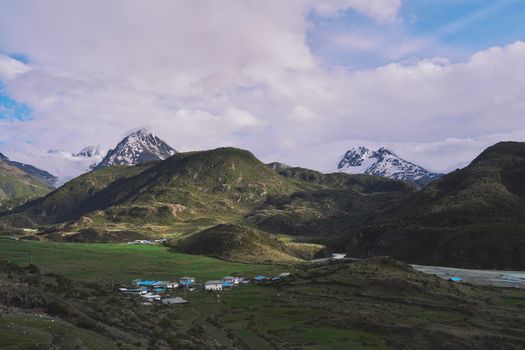
- The Trail: The classic Annapurna Base Camp (ABC) trek or Poon Hill trek often passes through or near Ghandruk. A shorter, equally stunning option is the two-to-three-day trek starting from Nayapul or Phedi, passing through Dhampus, Australian Camp, and then descending to Ghandruk. The paths are well-worn but ascend steeply at times, traversing terraced fields, rhododendron forests, and suspension bridges over roaring rivers. The views of Annapurna South, Hiunchuli, and Machapuchare (Fishtail Mountain) are simply divine.
- The Village: Ghandruk is a charming, stone-built village perched on a hillside. The Gurung people are incredibly welcoming, and their culture is rich with traditions. You'll find traditional houses, a local museum, and often see women in their vibrant traditional attire. Homestays are plentiful, offering simple, hearty meals like dal bhat (lentil soup with rice and curries) – a true trekker's delight.
- Personal Anecdote: I remember waking up at a guesthouse in Ghandruk before dawn, the air biting cold. Stepping onto the terrace, I watched as the first rays of sun kissed the snow-capped peaks, turning them from icy blue to fiery gold. The silence was profound, broken only by the distant crow of a rooster and the gentle hum of the wind. It was a moment of pure, unadulterated awe, a reminder of nature's grandeur and the simple beauty of human life nestled within it.
- Details:
- Difficulty: Moderate. Good fitness required for sustained uphill climbs.
- Duration: 2-5 days, depending on your starting point and route.
- Cost: Trekking permits (ACAP and TIMS card) cost around $40-50 USD. Guesthouses are basic but affordable, typically $5-10 USD per night, with meals costing $5-15 USD. A local guide/porter can cost $25-40 USD per day.
- Best Time: Spring (March-May) for rhododendrons, Autumn (Sept-Nov) for clear skies.
2. Piódão, Serra da Estrela, Portugal: The Schist Village Time Forgot
Tucked away in the heart of Portugal’s highest mountain range, Serra da Estrela, lies Piódão – often called the "Schist Village" due to its distinctive architecture. Reaching it feels like discovering a secret, a place perfectly camouflaged by its natural surroundings.
- The Trail: While you can drive to Piódão, the true magic lies in hiking some of the region's ancient shepherd trails. The "PR3 - Caminho do Xisto de Piódão" is a great option, a circular route that takes you through the stunning landscape, past other small schist hamlets, and offers incredible views as you approach Piódão. These trails are less about extreme altitude and more about winding through dense forests, along riverbanks, and over rolling hills.
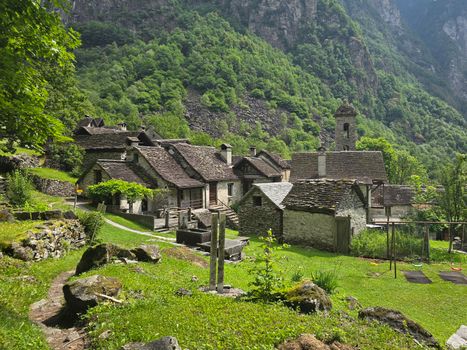
- The Village: Piódão is a marvel of traditional architecture. Its houses are built entirely from dark schist stone, with blue-painted doors and window frames, creating a striking contrast against the green mountainside. The village seems to cascade down the slope, a labyrinth of narrow, cobbled streets. Life here moves at a slower pace; you'll see elderly residents tending their gardens, hear the gentle murmur of conversation, and smell woodsmoke mingling with the scent of wildflowers.
- Personal Anecdote: I arrived in Piódão just as dusk was settling, the low sun casting long shadows and making the schist glow with a warm, earthy hue. I found a tiny guesthouse, run by an elderly couple who spoke no English, but communicated volumes through their smiles and the delicious, homemade stew they served. That evening, sitting on a stone bench, watching the lights twinkle in the village below, I felt a profound sense of peace. It was a reminder that beauty often hides in the quietest, most unassuming corners of the world.
- Details:
- Difficulty: Easy to Moderate, depending on the chosen trail length.
- Duration: Day hikes around Piódão, or a multi-day trek through Serra da Estrela.
- Cost: Minimal for hiking. Accommodation in Piódão is limited but charming, starting from €50-80 per night. Local food is hearty and affordable.
- Best Time: Spring (April-June) for wildflowers, Autumn (Sept-Oct) for pleasant temperatures and changing leaves.
3. Ciudad Perdida (Lost City) Trek, Sierra Nevada, Colombia: Ancient Echoes in the Jungle
This isn't just a hike to a hidden village; it's a multi-day expedition to an ancient city, Teyuna, inhabited by the descendants of its builders, the indigenous Wiwa, Kogui, and Arhuaco people. It's a challenging, rewarding journey deep into the Colombian jungle.
- The Trail: The 4-5 day trek starts near Santa Marta, plunging you into dense rainforest. You'll cross rivers (sometimes chest-deep!), climb thousands of stone steps, battle heat and humidity, and navigate muddy paths. The physical challenge is immense, but the reward is unparalleled. Along the way, you pass through small indigenous settlements, offering glimpses into their traditional way of life.
- The Village (Ancient City): Ciudad Perdida itself is a breathtaking archaeological site, older than Machu Picchu. Terraced platforms, plazas, and stone paths emerge from the jungle, a testament to the advanced civilization of the Tairona people. But the "hidden villages" aspect also comes from the vibrant indigenous communities you encounter en route. They are the guardians of this land, living in harmony with nature, and their presence makes the trek deeply meaningful.
- Personal Anecdote: The final climb to Ciudad Perdida, up 1,200 slippery, moss-covered steps, felt endless. But when I finally emerged onto the first terrace, the ancient city spread before me, shrouded in mist and surrounded by an emerald sea of jungle, I gasped. Later, sitting with our Wiwa guide, listening to him speak of his ancestors and their connection to this sacred land, I felt a spiritual resonance I'd never experienced before. It wasn't just a ruin; it was a living, breathing testament to an enduring culture.
- Details:
- Difficulty: Strenuous. High humidity, river crossings, and significant elevation changes.
- Duration: 4-5 days (mandatory guided tour).
- Cost: Around $400-500 USD, which includes guide, meals, accommodation in basic camps, and entrance fees. A portion goes directly to the indigenous communities.
- Best Time: Dry season (December-March and July-August), though rain is always possible in the jungle.
4. Supai Village, Havasupai Reservation, Grand Canyon, USA: The Blue Oasis
Imagine trekking deep into the Grand Canyon to find not just a hidden village, but a series of stunning, turquoise waterfalls. That's Supai, the remote tribal village of the Havasupai people, reachable only by foot, mule, or helicopter.
- The Trail: The 10-mile (16 km) hike begins at Hualapai Hilltop, descending steeply into the canyon before flattening out along a sandy, rocky wash. It’s long, hot, and requires careful planning. The reward? The vibrant blue-green waters of Havasu Creek, Mooney Falls, and Havasu Falls, which truly make this an oasis in the desert.
- The Village: Supai is the only village within the Grand Canyon, home to the Havasupai Tribe. It's a small, isolated community with a post office, a small store, and a lodge. The Havasupai are the "people of the blue-green water," and their culture is deeply intertwined with the canyon and its precious resources.
- Personal Anecdote: Securing a permit for Havasupai is notoriously difficult, a testament to its protected status. After months of trying, when I finally got mine, the anticipation was immense. The hike was grueling under the Arizona sun, but the moment I rounded a bend and saw Havasu Falls cascading into its brilliant blue pool, all fatigue vanished. Later, strolling through Supai, I felt a sense of privilege to be a guest in such a unique and sacred place, a stark contrast to the bustling rim of the Grand Canyon.
- Details:
- Difficulty: Strenuous due to length, heat, and sand.
- Duration: 3-4 days (overnight stay required, typically 3 nights).
- Cost: Permits are expensive and difficult to secure, typically several hundred dollars per person, covering entrance, camping, and environmental fees. Booking opens annually and sells out instantly. No day hiking allowed.
- Best Time: Spring (March-May) and Fall (October-November) to avoid extreme summer heat.
Navigating the Unknown: Tips for a Smooth Journey
Embarking on these treks requires more than just physical stamina. Here’s how to ensure your journey is as smooth and enriching as possible:
- Research, Research, Research: Understand the local culture, traditions, and any specific rules or etiquette for visitors. Learn a few basic phrases in the local language – a simple "hello" or "thank you" goes a long way.
- Hire Local Guides: For many of these treks (like Ciudad Perdida or in Nepal), a guide is mandatory or highly recommended. They provide invaluable safety, navigation, and cultural insights, and hiring them directly supports the local economy.
- Pack Light, Pack Smart: Every ounce counts when you're carrying it for days. Prioritize essentials, but don't skimp on safety gear.
- Respect Local Customs & Environment: Always ask permission before taking photos of people. Dress modestly where appropriate. Pack out all your trash. Be mindful of water usage.
- Stay Flexible: Things can (and often do) go wrong on remote treks – weather changes, trail closures, unexpected delays. Embrace the adventure, and don't let minor setbacks derail your experience.
- Embrace the Digital Detox: While it's wise to have a charged phone for emergencies and photos, resist the urge to constantly check for signal. Immerse yourself fully in the experience.
Beyond the Trail: Immersing in Village Life
The real magic happens once you reach your destination. Don't just tick off the hike; truly connect with the village and its people.
- Choose Homestays: If available, staying in a local home offers an unparalleled cultural immersion. You’ll experience daily life firsthand, share meals, and often hear incredible stories.
- Savor Local Food: This is your chance to try authentic, regional cuisine. Be adventurous! It’s a huge part of the cultural experience.
- Learn & Observe: Watch how people live, work, and interact. Pay attention to traditional crafts, farming methods, and social structures.
- Engage Respectfully: Strike up conversations (even with language barriers, a smile and gestures go far). Show genuine interest in their lives and traditions.
- Support Local Artisans: Buying crafts directly from the makers is a fantastic way to support the community and take home a meaningful souvenir.
Your Next Adventure Awaits: Dare to Discover
Hiking to hidden villages is more than just a physical challenge; it's a journey into the heart of humanity and the untouched corners of our planet. It’s about slowing down, connecting deeply, and discovering a profound sense of wonder that modern life often eclipses. Each step you take on these trails isn't just moving you forward geographically; it's moving you towards a deeper understanding of yourself and the incredible diversity of our world.
So, are you ready to trade the familiar for the fantastical? To push your limits and be rewarded with experiences that will forever change your perspective? These hidden havens are waiting. Pack your bags, train your body, open your mind, and embark on an adventure that truly blows your mind.
Which hidden village will you discover next? Share your dreams and past experiences in the comments below! And don't forget to share this post with your fellow adventurers – let's inspire more mindful exploration!
---
More pictures

Tags
Share this guide
We may earn a commission if you click a link and buy a product or service, at no extra cost to you. How affiliate links work.
Been there?