
My biggest travel secret isn't a hidden beach or cheap flight hack – it's how I learned to offset my adventures without spending a dime. This isn't just about saving the planet; it's about a profound shift in how I experience the world, making every trip more meaningful and impactful. Get ready to transform your travels forever! ---
The Guilt Trip That Led to a Life-Changing Revelation
I remember standing on a pristine beach in Bali, the kind you see on postcards, gazing out at the cerulean expanse of the Indian Ocean. The sun was warm on my skin, the breeze carried the scent of frangipani, and yet… a small, insidious knot of guilt tightened in my stomach. Just a few feet away, nestled amongst the coral fragments washed ashore, was a plastic bottle. Then another. And another.
I had flown thousands of miles to reach this paradise, leaving a significant carbon footprint in my wake. I’d stayed in beautiful resorts, enjoyed delicious meals, and explored incredible landscapes. But as the plastic bottles multiplied in my vision, a question gnawed at me: Was I part of the problem? Was my passion for travel, for seeing the world, inadvertently contributing to its degradation?
For years, this guilt was a shadow trailing my adventures. I’d research carbon offsetting programs, often finding them expensive or feeling disconnected from the actual impact. I'd try to be mindful – reuse towels, turn off lights – but it felt like drops in an ocean of global travel. I wanted to make a real difference, but my budget for "extra" sustainability initiatives was limited.
Then, something shifted. It wasn't a grand epiphany under a banyan tree, but a series of small, conscious choices that started to snowball. I realized that offsetting my travel footprint didn't have to come with a price tag. It could be woven into the very fabric of my adventures, enriching them in ways I never imagined. This realization didn't just ease my guilt; it fundamentally changed how I travel, how I connect with places, and ultimately, how I view my place in the world. It changed my life forever. And the best part? It’s completely free.
Redefining "Offset": It's More Than Just Carbon Credits
When we hear "offsetting," most of us immediately think of buying carbon credits – paying a fee to balance out the emissions from our flights. While these programs have their place, they often feel like a detached transaction. For me, the true meaning of offsetting, especially the free kind, is far more holistic and personal.
It's about active participation, conscious consumption, and leveraging your presence as a traveler for good. It's about recognizing that your journey isn't just about taking from a destination, but also about contributing to it in meaningful, tangible ways. This isn't about being perfect; it's about being present, mindful, and intentional. The "free" aspect comes from investing your time, your effort, your awareness, and your existing travel budget wisely. It's about shifting your mindset from a passive observer to an active, responsible participant in the global community.
Let me show you how.
1. The Power of Local Engagement: Giving Back Where You Go
This is perhaps the most impactful and emotionally rewarding way to offset your travel footprint for free: by investing your time and energy directly into the communities you visit.
Get Your Hands Dirty: Informal Volunteerism
Forget expensive volunteer programs that often charge hefty fees. I’m talking about small, informal acts of service that require nothing more than your willingness to help.
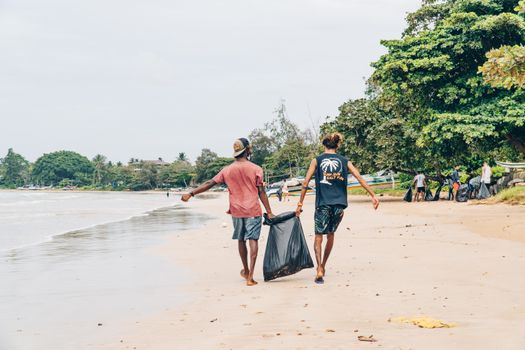
My Story from Koh Lanta, Thailand: One sweltering afternoon in Koh Lanta, I was enjoying a coconut shake at a beachside cafe. I noticed a small group of locals and a few tourists systematically walking down the beach, picking up trash. Curiosity piqued, I finished my drink, grabbed an empty bag from the cafe owner (who smiled knowingly), and joined them. For two hours, under the scorching sun, we collected everything from plastic bags and flip-flops to fishing nets. My back ached, I was covered in sweat, but the sense of immediate, tangible impact was exhilarating. I wasn't just observing the problem; I was part of the solution. It cost me nothing but my time, and the camaraderie with the locals was priceless.
How YOU Can Do It:
- Beach & Park Cleanups: Many coastal towns and national parks have informal clean-up initiatives. Ask at your hostel, guesthouse, or local tourist information center. Look for groups like "Trash Hero" (active in Southeast Asia and beyond) which organize regular, free cleanups.
- Community Gardens: In some rural areas, you might find opportunities to help in community gardens or farms for a few hours.
- Simply Be Aware: Carry a small reusable bag and pick up any litter you see on your walks. It's a small act, but if every traveler did it, imagine the difference.
Support Local Economies Directly: Your Spending Power as a Force for Good
This isn't about spending more money, but about being conscious of where your existing travel budget goes. Every dollar, peso, or baht you spend has a ripple effect.
My Story from Hoi An, Vietnam: Instead of hitting the tourist traps for dinner, my partner and I started exploring the narrow alleyways of Hoi An, seeking out the tiny, family-run eateries – the quán ăn – where locals ate. One evening, we stumbled upon a small stall run by an elderly woman, serving the most incredible cao lầu (a regional noodle dish). There was no English menu, just her warm smile. We pointed, she gestured, and soon we were devouring bowls of deliciousness for less than $2 each. We returned every night for a week. Not only did we have authentic, unforgettable culinary experiences, but we knew our money was directly supporting her family, not some international chain.
How YOU Can Do It:
- Eat Local: Prioritize local markets, street food vendors, and family-run restaurants over international chains or upscale tourist-trap eateries.
- Buy Local: Purchase souvenirs and goods directly from local artisans and small shops. This ensures your money stays within the community, supporting traditional crafts and livelihoods.
- Stay Local: Choose locally-owned guesthouses, homestays, or boutique hotels over large international chains when possible.
- Hire Local Guides: Opt for local guides who can offer authentic insights and whose income directly benefits their families and communities.
2. Mindful Travel Habits: Small Changes, Big Impact
The most accessible and arguably easiest ways to offset your footprint are through adopting mindful habits that require no financial investment, just a bit of forethought.
Go Zero-Waste (or Close to It) on the Go
Plastic pollution is a global crisis, and travelers often inadvertently contribute to it through single-use items. But it's incredibly easy to reduce your plastic footprint for free (once you have the reusable items).
My Story from Peru's Inca Trail: Before trekking the Inca Trail, I invested in a high-quality water filter bottle (the Grayl Geopress, specifically). I watched in amazement as fellow trekkers purchased multiple plastic bottles of water each day, adding to the mountain of waste. Meanwhile, I simply refilled my bottle from streams (after confirming with my guide it was safe to filter) or even tap water in towns. Over two weeks, I calculated I saved at least 50 plastic bottles from entering the environment. The initial investment in the bottle paid for itself not just in environmental impact, but in saved money too!
How YOU Can Do It:
- Reusable Water Bottle: This is non-negotiable. Many airports now have refill stations, and cafes are often happy to top you up. If you're going off-grid, consider a filter bottle.
- Reusable Shopping Bag: Always carry a compact cloth bag for groceries, souvenirs, or market finds.
- Reusable Cutlery & Straw: A small kit fits easily in your daypack and means you can refuse single-use plastic at food stalls.
- Solid Toiletries: Shampoo bars, conditioner bars, and solid soap eliminate plastic bottles entirely.
- Say "No": Politely refuse plastic bags, straws, and unnecessary packaging. A simple "No straw, please" can make a difference.
Energy and Resource Conservation: Be a Conscious Guest
Think of your travel accommodations as your temporary home. Would you leave the lights on when you leave your house? Would you take excessively long showers? Apply the same logic.
My Story from Tokyo, Japan: Navigating Tokyo's incredible public transport system and walking for miles each day was an adventure in itself. I consciously chose to rely solely on trains and my own two feet, eschewing taxis or ride-shares. Not only did I save a significant amount of money, but I discovered hidden temples, charming backstreets, and local eateries I would have missed from a car window. It was a challenge, but the reward was a deeper immersion into the city's rhythm and a much lower carbon footprint for my daily explorations.
How YOU Can Do It:
- Turn Off Lights & AC: When leaving your room, even for a short time, switch off lights and air conditioning/heating.
- Shorter Showers: Be mindful of water usage, especially in drought-prone regions.
- Unplug Devices: Chargers still draw phantom power even when not charging a device.
- Public Transport, Walk, or Bike: Prioritize walking, cycling, or using local buses and trains over taxis or private cars. It's often cheaper, more authentic, and far more eco-friendly.
- Laundry Habits: Reuse towels and linens for a few days before requesting fresh ones. Consider hand-washing small items to avoid energy-intensive laundry services.
3. Spreading the Word: Becoming an Eco-Travel Advocate (The Ripple Effect)
Your actions don't just impact your own footprint; they can inspire others. This "free" form of offsetting is about leveraging your voice and leading by example.
Educate & Inspire (Gently)
You don't need to preach, but simply demonstrating sustainable practices can spark curiosity and change in others.
My Story from a Costa Rican Hostel: I was refilling my filter bottle at a hostel in La Fortuna when another backpacker asked about it. "What is that thing?" she asked. I explained how it worked, how much plastic it saved, and how it even saved me money. By the end of our conversation, she was Googling filter bottles on her phone, inspired to get one for her next leg of the trip. That small interaction, born out of my own habit, created a ripple effect.
How YOU Can Do It:
- Lead by Example: Simply doing these things – carrying your reusable bottle, refusing a plastic bag – will naturally prompt questions and conversations.
- Share Your Tips: When fellow travelers ask for advice, weave in your sustainable habits. "Oh, and definitely bring a reusable water bottle, saves a ton of plastic here!"
- Recommend Sustainable Businesses: If you find a fantastic eco-friendly guesthouse or a restaurant that sources locally, tell other travelers about it.
Leverage Social Media Responsibly: Be an Influencer for Good
Your social media platform isn't just for pretty pictures; it's a powerful tool for advocacy.
My Instagram Moment: I once posted a photo of a stunning beach in Portugal, but instead of focusing solely on its beauty, I highlighted a small local cafe that offered free water refills and discounts for customers bringing their own cups. I tagged the cafe and used relevant hashtags like #PlasticFreeTravel and #SustainablePortugal. The post went viral within my niche, generating dozens of comments from people wanting to know where it was and how they could support it. It showed me the power of sharing positive, actionable choices.
How YOU Can Do It:
- Show, Don't Just Tell: Post photos and videos of your sustainable choices – your reusable bottle against a beautiful backdrop, you helping with a cleanup, a locally-sourced meal.
- Highlight Eco-Friendly Businesses: Tag and celebrate accommodations, tour operators, and restaurants that are genuinely committed to sustainability.
- Share Information: Post links to articles, organizations, or tips that promote responsible travel.
- Use Relevant Hashtags: #SustainableTravel #EcoFriendly #ResponsibleTourism #GreenTravel #TravelWithPurpose #PlasticFree #ConsciousTravel.
4. The "Pre-Trip & Post-Trip" Offset: Extending Your Impact
Your commitment to offsetting your travel footprint doesn't begin and end with your trip dates. It's a mindset that extends before and after your journey.
Research & Choose Responsible Operators: Your Homework Matters
The choices you make before you even leave home can significantly reduce your impact. This requires time and research, but no money.
My Pre-Trip Ritual: Before booking any tour or accommodation, I now spend extra time researching their sustainability policies. For example, when planning a wildlife safari in Kenya, I specifically looked for operators that had clear anti-poaching initiatives, employed local Maasai guides, and committed to leaving no trace. It took an extra hour of research, but knowing my money was going to a truly ethical company made the experience infinitely more rewarding.
How YOU Can Do It:
- Ethical Animal Encounters: Research companies that offer genuine animal welfare experiences (e.g., reputable sanctuaries, observational tours) and avoid those that exploit animals (e.g., elephant riding, tiger temples where animals are drugged).
- Green Certifications: Look for accommodations with recognized eco-certifications (e.g., LEED, Green Key, EarthCheck).
- Community Focus: Prioritize tour operators that explicitly state their commitment to local communities, fair wages, and cultural preservation.
Offset at Home: Extend Your Green Habits Beyond the Horizon
Your travel footprint is just one part of your overall environmental impact. By making sustainable choices at home, you amplify your positive influence.
My Post-Portugal Realization: After seeing the meticulous waste separation and composting systems in a hostel in Portugal, I felt inspired to do more at home. I started composting my food scraps, something I’d always put off. It was a simple change, but it significantly reduced my household waste and reminded me that sustainability is a continuous journey, not just a travel trend.
How YOU Can Do It:
- Reduce Home Energy: Before leaving for a trip, unplug all unnecessary electronics. While you're home, be mindful of your energy and water consumption.
- Support Local Eco-Initiatives: Donate your time to local environmental organizations, participate in community cleanups, or help plant trees in your own town.
- Mindful Consumption: Reduce, reuse, recycle. Buy less, choose durable goods, and repair items instead of replacing them.
5. The Unseen Benefits: How It Changes YOU
Beyond the tangible environmental impact, the most profound aspect of offsetting your travel footprint for free is the personal transformation it ignites.
When you actively engage with a place, clean its beaches, support its local vendors, and respect its resources, you stop being just a tourist. You become a participant, a temporary custodian, a grateful guest. This shift in perspective cultivates:
- Deeper Connection: You connect with locals on a more authentic level, understanding their challenges and celebrating their resilience.
- Increased Mindfulness: You become more aware of your surroundings, noticing details you might have otherwise overlooked.
- Profound Gratitude: You appreciate the beauty and fragility of the places you visit on a much deeper level.
- A Sense of Purpose: Travel becomes less about ticking off bucket list items and more about purposeful exploration and contributing positively.
- Personal Growth: It challenges your assumptions, expands your empathy, and fosters a sense of global citizenship.
My travels are no longer just about seeing beautiful sights; they're about being a part of something bigger, about leaving places better than I found them, even in the smallest ways. The guilt has been replaced by a quiet satisfaction, a sense of alignment between my passion for travel and my values. This, truly, is the life-changing secret.
Your Journey, Reimagined
The idea that you can offset your travel footprint for free isn't a pipe dream; it's a powerful reality accessible to every traveler. It requires conscious effort, a willingness to engage, and a shift in perspective – but it costs you nothing but your time and intention.
Imagine snapping a photo of yourself helping a local community, your reusable bottle glinting in the sun, or sharing a meal with a family whose livelihood you've directly supported. These aren't just Instagram-worthy moments; they are memories etched with purpose and genuine connection.
This isn't just about saving the planet (though it absolutely helps!). It's about enriching your own travel experiences, fostering deeper connections, and embarking on a journey of personal growth that extends far beyond the destination.
So, what's stopping you? Start your life-changing journey today! What's one free way you'll offset your footprint on your next trip? Share your ideas in the comments below – let's inspire each other to travel better, for ourselves and for the world.
---
More pictures

Tags
Share this guide
We may earn a commission if you click a link and buy a product or service, at no extra cost to you. How affiliate links work.
Been there?