
Dreaming of a travel experience that goes beyond the ordinary? Imagine waking up to a giraffe peeking into your window or drifting off to sleep with schools of fish swimming just inches away. We've uncovered the world's most incredible, pre-mainstream hotels where you don't just observe wildlife – you live amongst it, responsibly and unforgettably. ---
Wild Dreams: Hotels Where You Sleep With Animals (Before They Become Mainstream)
The first time I heard the deep, resonant call of a howler monkey from my jungle bungalow, I wasn't just on vacation – I was immersed. It was 4 AM in a remote corner of Costa Rica, and that primal roar wasn't an alarm clock; it was a symphony, a profound connection to a world often separated from us by glass and fences. That moment changed everything. It wasn't just about seeing wildlife; it was about living with it, feeling its presence, and understanding my place within its intricate tapestry.
For years, "wildlife encounters" meant a safari jeep, a distant observation deck, or perhaps a responsibly managed zoo. But a new breed of travel is emerging, one that blurs the lines between accommodation and habitat, offering experiences so intimate they feel almost illicit. These aren't your typical tourist traps; they're pioneering hotels, eco-lodges, and sanctuaries where you truly sleep with animals – sometimes inches away – long before the masses catch on.
If you’re craving a travel story that will make your friends gasp (and then immediately ask for the booking link), you’ve come to the right place. Welcome to the world of immersive wildlife stays, where your neighbors have fur, fins, or feathers, and every morning brings a new, breathtaking surprise.
Beyond the Zoo: Why We Crave Intimate Wildlife Stays
What is it about sharing our sleeping space with the wild that so captivates us? For me, it’s a primal yearning, a desire to reconnect with the natural world we’ve increasingly walled ourselves off from. It's about more than just a photo op; it’s about fostering a deeper understanding, supporting conservation efforts, and creating memories so vivid they etch themselves into your soul.
These experiences offer:
- Unparalleled Connection: There's a profound difference between seeing an animal in its natural habitat and having it literally outside your window or even sharing a meal with it. It fosters empathy and respect.
- Unique Perspectives: Witnessing animal behavior up close, observing their daily routines, and understanding their environment gives you an entirely new appreciation for biodiversity.
- Conservation Support: Many of these pioneering accommodations are deeply intertwined with conservation projects, meaning your stay directly contributes to protecting the very creatures you've come to admire.
- Pure Wonder: Let's be honest, waking up to a giraffe's face at your window or watching a shark glide by your bedroom is pure, unadulterated magic. It’s the stuff of dreams, and it’s gloriously Instagram-worthy without even trying.
But before you pack your bags, a crucial point: "Sleeping with animals" always comes with an ethical compass. These experiences are about respectful proximity, not exploitation. We'll dive into how to choose responsibly later, but for now, let's explore some of the most extraordinary places on Earth.
The Gentle Giants' Embrace: Ethical Elephant Sanctuaries & Stays
Imagine drifting off to sleep to the soft sounds of a jungle night, knowing that just beyond your canvas wall, majestic elephants are sleeping too. This isn't a dream; it's a reality at a select few ethical sanctuaries that allow you to live amongst these gentle giants.
My personal journey into this world began at Elephant Hills in Khao Sok, Thailand. This award-winning luxury tented camp offers an experience that is both incredibly comfortable and deeply connected to nature. You stay in beautifully appointed safari tents, complete with proper beds, hot showers, and fans, nestled deep within the rainforest. But the real magic happens during the day.
Elephant Hills is committed to ethical elephant tourism, focusing on interaction that respects the animals' natural behavior. There's no riding here. Instead, you participate in feeding, washing, and observing the elephants in their natural environment. I remember preparing their fruit and vegetable meals, feeling the rough texture of their trunks as they gently took the food, and then helping to scrub them down in the muddy river. It felt less like a tourist activity and more like a privilege.
- My Anecdote: One morning, I woke to a low rumble that vibrated through the ground. Peeking out of my tent, I saw a mother elephant and her calf foraging peacefully in the distance, the misty jungle light filtering through the canopy. It wasn't an organized viewing; it was just life happening, and I was a silent, respectful witness. That raw, unscripted moment solidified my love for this type of immersive travel.
Practical Tips for Elephant Stays:
- Research Ethics: Always choose camps that prioritize elephant welfare (no riding, no circus tricks, focus on natural behavior). Look for accreditation from reputable animal welfare organizations.
- Be Prepared for Nature: While luxurious, you're still in the jungle. Expect insects, humidity, and the sounds of the wild.
- Budget: Stays at ethical elephant camps like Elephant Hills typically range from $500 - $800 USD per person per night for an all-inclusive package (accommodation, meals, activities).
Underwater Dreams: Sleeping with the Ocean's Secrets
For those who dream of a world beneath the waves, there are hotels that transport you directly into the marine kingdom, allowing you to sleep with the fishes – and sometimes, even the sharks! This is truly a pre-mainstream experience, with only a handful of these unique accommodations worldwide.
The undisputed pioneer in this realm is The Manta Resort's Underwater Room off Pemba Island, Tanzania. Imagine a private, floating island, three levels deep. The top deck is for sunbathing, the middle for lounging, and then, four meters below the surface, is your bedroom. Your bed is encased in glass, offering a 360-degree panoramic view of the vibrant coral reef and its inhabitants.
- My Anecdote: My first night in the Underwater Room was surreal. Schools of iridescent fish, curious barracudas, and even a reef shark glided silently past my window. At night, the room's exterior spotlights illuminate the water, attracting even more nocturnal creatures. It felt like being in a giant, luxurious aquarium, but I was the one on display, and the fish were the audience. The silence was profound, broken only by the occasional distant thrum of a boat or the gentle creak of the structure. It’s an otherworldly experience that truly makes you feel part of the ocean.
Another incredible option, albeit on a grander, more opulent scale, is the Underwater Suites at Atlantis, The Palm in Dubai. While perhaps more "mainstream luxury" than "pre-mainstream wild," it offers an unparalleled window into the resort's Ambassador Lagoon, home to 65,000 marine animals. Imagine soaking in your bathtub, watching sharks and rays glide by.
Practical Tips for Underwater Stays:
- Book Far in Advance: These unique rooms are extremely limited and highly sought after.
- Budget: Prepare for a significant investment. The Manta Resort's Underwater Room costs around $1,700 - $2,000 USD per night, while the Atlantis Underwater Suites are upwards of $6,000 USD per night.
- Consider Seasickness: If you're prone to motion sickness, be aware that floating rooms can have subtle movements.
- Visibility: Marine life sightings are natural and can vary. Embrace the unpredictability!
Into the Wild: Safari Lodges Where Animals Are Your Neighbors
When we think of sleeping with animals, safari lodges often come to mind. But I'm not talking about lodges where you see animals from afar. I'm talking about places where the lines between your accommodation and the wild are wonderfully, thrillingly blurred.
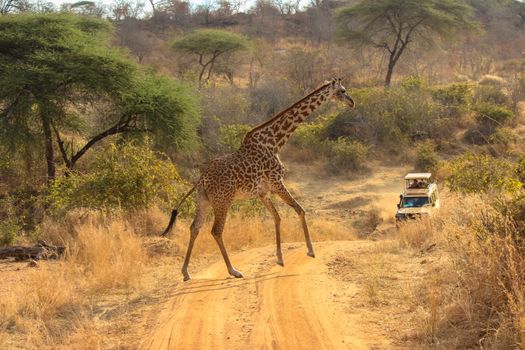
Let's start with the icon that arguably set the stage for this trend: Giraffe Manor in Nairobi, Kenya. While it has certainly gained mainstream fame thanks to Instagram, it remains an unparalleled pioneer in direct animal interaction. Here, endangered Rothschild's giraffes literally poke their long necks through your breakfast window, demanding a treat.
- My Anecdote: The sheer joy of a giraffe's velvety nose nudging your plate, its long tongue delicately taking a pellet from your hand, is an experience that transcends description. It’s playful, intimate, and utterly unforgettable. I remember one morning, a particularly bold giraffe called Daisy extended her head right into the dining room, patiently waiting for her share of toast. It felt like a scene from a whimsical dream.
But beyond Giraffe Manor, other lodges offer equally immersive, though perhaps less "viral," encounters. Consider Rhino River Camp in Meru National Park, Kenya. This camp is nestled on the banks of the Kindani River, and while the rhinos are protected within the park, the camp itself is unfenced, allowing smaller wildlife to wander freely.
- My Anecdote: Sitting on my private veranda, sipping coffee, I watched a herd of elephants cross the river just meters away, their massive forms reflected in the water. Later, a family of warthogs trotted past my tent, completely unfazed by my presence. It wasn't about a direct "sleep with" experience, but about being so deeply embedded in their world that their presence became a natural, comforting part of my day and night. The sounds of the African bush – lion roars in the distance, the chirping of crickets, the rustle of unseen creatures – were my constant companions.
Practical Tips for Safari Stays:
- Respect Boundaries: Even when animals are close, remember they are wild. Listen to your guides and never approach or provoke them.
- Safety First: Unfenced camps have strict safety protocols. Always adhere to them.
- Binoculars are Your Friend: For those slightly less direct but equally captivating sightings, a good pair of binoculars will enhance your experience tenfold.
- Budget: Safari lodges vary wildly. Giraffe Manor is $800 - $1,500 USD per person per night. Camps like Rhino River Camp might be $400 - $700 USD per person per night, often all-inclusive.
Forest Fables & Feathered Friends: Eco-Lodges with Wild Roommates
If your idea of paradise involves lush rainforests, vibrant birdlife, and the constant hum of biodiversity, then eco-lodges are your gateway to sleeping with the wild. These are places designed to blend seamlessly into their environment, often with minimal walls or open-air designs, inviting nature right into your living space.
Lapa Rios Lodge on the Osa Peninsula, Costa Rica is a prime example. Located in one of the most biodiverse places on Earth, this luxury eco-lodge is set within its own private rainforest reserve. The bungalows are open-air, with screened windows that offer panoramic views and invite the sounds of the jungle in.
- My Anecdote: My alarm clock at Lapa Rios was the morning symphony of howler monkeys, exotic birds, and the occasional squawk of a Scarlet Macaw. One afternoon, while lounging in my hammock on the private deck, I spotted a sloth, moving at its famously glacial pace, high in the trees just meters away. Later, Capuchin monkeys raided a nearby tree for fruit, chattering and playing, completely oblivious to my awe-struck gaze. It wasn't just a view; it was an active, living ecosystem right outside my door, and sometimes, even through it.
Another incredible, even more remote option in Costa Rica is the Pacuare River Lodge. Accessible only by whitewater rafting or a rugged 4x4, this lodge is truly off-grid. The open-sided bungalows allow you to feel completely immersed in the rainforest, with monkeys, sloths, and countless bird species as your constant companions.
Practical Tips for Eco-Lodge Stays:
- Embrace the Elements: Expect humidity, rain (depending on the season), and insects. Pack appropriate clothing and good insect repellent.
- Pack Light & Smart: Many lodges have weight limits for transfers, and you'll be doing a lot of walking. Waterproof bags are a good idea.
- Binoculars & Camera: Crucial for spotting wildlife in the dense foliage.
- Budget: Eco-lodges like Lapa Rios can range from $500 - $1,000 USD per night (often all-inclusive). Pacuare River Lodge might be $400 - $700 USD per night.
The Ethical Traveler's Compass: How to Choose Your Wild Stay Responsibly
The allure of sleeping with animals is powerful, but it comes with a profound responsibility. The "before they become mainstream" aspect often means these places are at the forefront of ethical tourism, but it's vital to do your homework. Here’s how to ensure your wild dreams don't contribute to animal exploitation:
- Research, Research, Research: This cannot be stressed enough. Look for reviews, independent articles, and their own mission statements.
- Prioritize Animal Welfare:
- No Direct Contact with Predators: Avoid any establishment that allows you to pet, cuddle, or walk with lions, tigers, bears, or other large predators. This is rarely ethical and often involves harmful practices.
- No Riding: Especially for elephants. Ethical sanctuaries focus on observation and support, not exploitation for entertainment.
- Respect Natural Behavior: The best experiences allow animals to be animals. If they seem stressed, coerced, or perform unnatural tricks, it’s a red flag.
- Look for Accreditation & Conservation Efforts: Does the establishment work with reputable conservation organizations? Do they have transparent policies on animal care, rehabilitation, and environmental impact? Many truly ethical places will be part of or support local conservation projects.
- Minimizing Your Impact:
- Leave No Trace: Follow all guidelines regarding waste, noise, and staying on designated paths.
- Sustainable Practices: Choose lodges that use renewable energy, conserve water, support local communities, and minimize their carbon footprint.
- Educate Yourself: Learn about the local wildlife before you go. Understanding their behavior and needs makes the experience more meaningful and helps you identify potentially unethical practices.
- Trust Your Gut: If an interaction feels off, it probably is. Prioritize the well-being of the animals above your desire for a photo op.
Remember, the goal is to create a harmonious coexistence, not to turn wild animals into props for our entertainment. When done right, these experiences are transformative, offering a rare glimpse into the heart of the wild.
Your Next Wild Adventure Awaits!
Sleeping with animals, truly with them, is more than just a vacation; it's an awakening. It's a chance to step outside your comfort zone and into a world pulsating with life, a world that reminds us of our interconnectedness and the incredible beauty we share this planet with.
From the silent, ethereal dance of fish outside an underwater bedroom to the playful nudges of a giraffe at breakfast, these experiences are raw, real, and profoundly moving. They offer a rare opportunity to connect with nature on a level most people only dream of, long before these incredible stays become commonplace.
So, are you ready to trade the mundane for the magnificent? To swap sterile hotel rooms for the symphony of the wild? Start researching, start planning, and prepare for the travel experience of a lifetime. The wild is calling, and it's inviting you to stay.
Have you had an incredible animal encounter while traveling? Share your stories and dream destinations in the comments below! And don't forget to bookmark this post for your next big adventure!
---
More pictures


Tags
Share this guide
We may earn a commission if you click a link and buy a product or service, at no extra cost to you. How affiliate links work.
Been there?