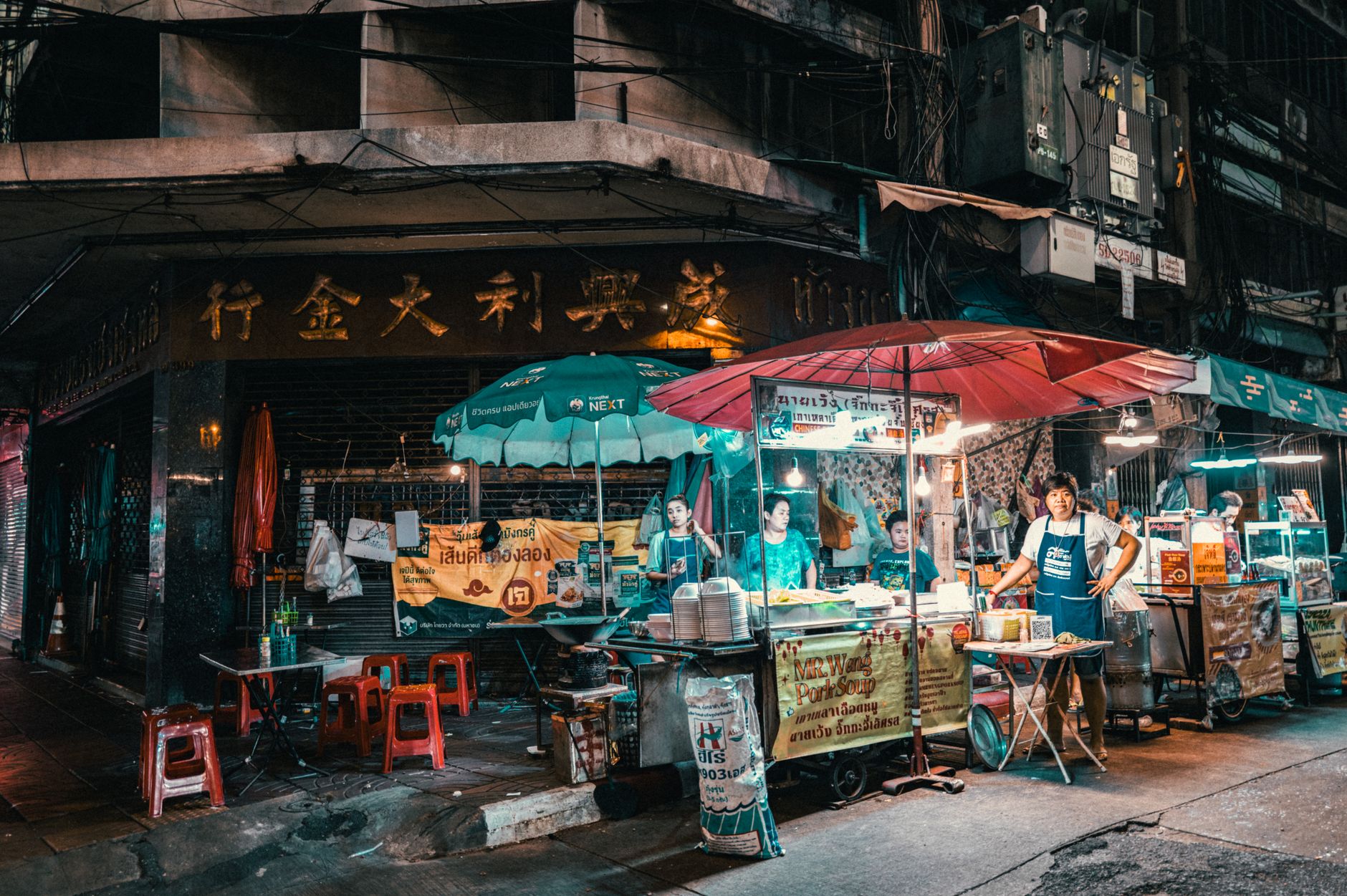
Ever wondered if that bustling food market is truly authentic or just a show for tourists? We're diving deep into the world of street food, separating the overpriced traps from the genuine culinary treasures locals swear by. Get ready to eat your way through destinations like a true insider, uncovering the delicious secrets locals don't want you to know! ---
The Real Deal or a Tourist Steal? Unmasking the World's Food Markets
The air hums with anticipation. A symphony of sizzling woks, fragrant spices, and lively chatter fills your senses. Brightly colored produce is piled high, exotic aromas waft from steaming carts, and the energy is palpable. This, my friends, is the magic of a food market – the pulsating heart of a city's culinary soul. Or, at least, that's what we hope for.
I remember my first time in Barcelona, wide-eyed and hungry, making a beeline for La Boqueria, the city's most famous market. Guidebooks raved about it, Instagram feeds were filled with its vibrant fruit cups and seafood platters. I pushed through the throngs, eager for an authentic taste of Catalonia. What I found was... beautiful, yes. But also, a little sterile, a lot expensive, and overwhelmingly crowded with fellow tourists. That €10 fruit cup? Delicious, but I later learned I could get the same quality for a fraction of the price just a few blocks away. It was a beautiful photo op, but not the deep, authentic dive I crapped.
This experience, and many others like it, sparked a mission: to uncover the real food markets. The ones where grandmas haggle over fresh fish, where the scent of slow-cooked stews tells a story, and where a smile and a few local phrases open doors to culinary bliss. The ones locals genuinely frequent, often tucked away, unassuming, and utterly glorious.
Let's be honest, we all want that authentic, off-the-beaten-path experience. We crave the taste of a dish prepared by generations, not just for a quick buck. The challenge? Distinguishing the genuine article from the cleverly disguised tourist trap. But fear not, fellow food adventurers! I’ve spent years navigating these edible labyrinths, and I’m here to share my hard-won wisdom, complete with specific examples, actionable tips, and a few delicious secrets.
The Lure of the Market: Why We Fall for the Traps
Before we learn to spot the fakes, let's understand their allure. Tourist-centric food markets are often strategically located, heavily promoted, and designed for maximum visual impact. They offer a curated (sometimes too curated) experience.
Think about it:
- Convenience: They're usually in prime tourist areas, easy to find.
- Instagram-ability: Vibrant displays, artfully arranged food, and photogenic settings are a magnet for social media. Who doesn't want that perfect shot of colorful spices or a towering paella?
- Familiarity (with a twist): They often offer "safe" versions of local dishes, sometimes westernized or less adventurous, making them appealing to a broader palate.
- One-stop shop: You can grab a souvenir, a snack, and maybe even a pre-packaged meal all in one bustling location.
These markets aren't inherently "bad." Many, like London's Borough Market, started as genuine local hubs and have evolved into global culinary destinations. The issue arises when authenticity is sacrificed for profit, and prices skyrocket without a corresponding increase in quality or genuine cultural experience. You end up paying premium prices for an experience designed for you, not by the culture itself.
Spotting the Tourist Trap: Red Flags to Look For
So, how do you tell if you're about to step into a culinary mirage? Keep your eyes, ears, and nose peeled for these tell-tale signs:
- Language Barrier? What Language Barrier?: If every vendor speaks perfect English (or your native language) without you initiating it, and menus are exclusively in multiple languages with no local script, it's a red flag. In truly local markets, you'll often encounter a genuine language barrier, or at least a need to point and smile.
- The Price Tag Shock: Are prices conspicuously high compared to other food stalls or restaurants in the area? Are they prominently displayed in multiple currencies? If that "authentic" street taco costs more than a sit-down meal elsewhere, you're likely in a trap. Locals know the value of their currency.
- Souvenirs Galore: While some markets sell local crafts, if the food stalls are outnumbered by vendors hawking "I <3 [City]" t-shirts, mass-produced keychains, or generic tourist trinkets, you're probably in the wrong place for a gourmet experience.
- The "Pre-Packaged" Problem: Are most of the food items pre-packaged, shrink-wrapped, or displayed in a way that suggests they've been sitting there for a while? Freshness is key in local markets. Look for food being cooked on demand or ingredients that look like they just came from the farm.
- Lack of Local Faces: Take a moment to observe. Who are the customers? If it's predominantly other tourists with selfie sticks, rather than locals doing their daily shopping or grabbing a quick bite during their lunch break, adjust your expectations (and your wallet).
- "Instagram-Optimized" Displays: While vibrant displays are lovely, if every fruit cup is an art installation or every dish is perfectly plated for a photoshoot rather than for consumption, it might be more about the 'gram than the grub.
Unearthing the Hidden Gems: How to Find What Locals Love
Now for the good stuff! Finding these local treasures requires a bit more effort, but the payoff in flavor, authenticity, and cultural immersion is absolutely worth it.
- Ask the Right Locals (The Right Way): Don't ask your hotel concierge or a tour guide – they often have preferred (sometimes commission-based) spots. Instead, ask a barista at a local coffee shop, a shop owner in a non-touristy area, or even a taxi driver (but verify their recommendation with a quick online search). Phrase your question carefully: "Where do you go for fresh produce/street food?" or "Where do your parents shop for ingredients?"
- Venture Off the Main Drag: Most true local markets are not on the main tourist thoroughfare. Look for them nestled in residential neighborhoods, slightly outside the city center. This is where the real life happens.
- Google Maps is Your Friend (with a Twist): Use Google Maps, but don't just search "food market." Look for names like "Mercado Municipal," "Wet Market," "Pasar," or "Bazaar" followed by a specific neighborhood name. Then, zoom in and check the satellite view – do you see lots of open-air stalls, bustling activity, and local infrastructure? Read the reviews, but pay close attention to reviews written in the local language – translate them if needed!
- Follow Your Nose (and the Queues): Sometimes, the best way to find a gem is to simply wander. If you catch a truly enticing aroma, follow it! And if you see a long queue of locals patiently waiting at a specific stall, join it! That's almost always a sign of something delicious and authentic.
- Timing is Everything: Many local markets are morning affairs, bustling from dawn until midday, then winding down. Arrive early for the freshest produce and best selection. Night markets, on the other hand, come alive after sunset. Avoid peak tourist hours (mid-day weekends) if you're trying to blend in.
- Look for the Unassuming: True local gems often aren't flashy. They might be a bit chaotic, a little messy, and certainly not designed for your perfect Instagram shot. Embrace the grit, it's part of the charm!
Market Showdown: Traps vs. Gems (Specific Examples)
Let's put theory into practice with some real-world examples:
Barcelona, Spain:
- The Trap (or at least, the "Tourist-Centric Experience"): La Boqueria.
- What it is: A stunning, historic market right off Las Ramblas. Visually spectacular with vibrant fruit, seafood, and sweets.
- The experience: Overwhelmingly crowded. Many stalls now cater exclusively to tourists with pre-cut fruit, ready-to-eat seafood platters, and tapas at inflated prices (€5-10 for a small fruit cup, €20+ for a seafood plate). While some quality remains, the authentic local shopping vibe is largely gone. It's a great place for photos, but not for everyday grocery shopping or a budget-friendly meal.
- My anecdote: I bought a beautiful array of colorful fruit slices here once. It tasted good, but later that day, I found a street vendor selling bigger, fresher portions for half the price. My wallet and taste buds felt a little duped.
- The Gem: Mercat de Sant Antoni.
- What it is: A magnificent iron-and-glass market, recently renovated, a short walk from the city center but in a more residential neighborhood.
- The experience: This is where locals shop. You'll find an incredible array of fresh produce, butchers, fishmongers, and specialty food stalls. Prices are significantly lower than La Boqueria. Many stalls offer delicious, authentic tapas and pinchos (small snacks) at local prices (€2-4 per item). The atmosphere is bustling but genuine, less about performance and more about daily life. On Sundays, it hosts a fantastic book and coin market around its perimeter.
- My anecdote: I stumbled upon a tiny tapas bar within Sant Antoni, standing room only, packed with chattering locals. I pointed at a plate of patatas bravas (spicy potatoes) and a glass of vermouth. It was simple, perfect, and cost me less than €5. The energy was electric, and I felt truly immersed.
London, UK:
- The Trap (or "Overwhelmed Gem"): Borough Market (Peak Hours).
- What it is: A historic food market near London Bridge, renowned for its gourmet food, artisan produce, and street food vendors.
- The experience: During peak lunch hours (especially Fridays/Saturdays), it's a human sardine can. Prices are very high (a street food dish can easily be £10-£15+). While the quality is generally excellent, the sheer volume of people and the cost can detract from the experience. It has become a major tourist attraction.
- My anecdote: I once tried to navigate Borough on a Saturday afternoon, hoping for a quick, delicious lunch. I spent 20 minutes just trying to move through the crowds, another 15 queuing for a sausage roll, and paid £8 for it. It was tasty, but the stress wasn't worth it.
- The Gem: Borough Market (Off-Peak) or Broadway Market (Hackney).
- Borough (Off-Peak): Visit early on a weekday morning (before 10 AM). You'll see locals doing their grocery shopping, vendors setting up, and can enjoy the quality produce without the madness. You can still find delicious coffee and pastries, and chat with vendors.
- Broadway Market: Located in East London's vibrant Hackney, this Saturday market offers a more local, bohemian vibe. You'll find independent food stalls, fresh produce, artisan crafts, and a strong community feel. Prices are generally more reasonable, and the crowd is a mix of locals and in-the-know visitors.
- My anecdote: My best Borough experience was a Tuesday morning, grabbing a coffee and a pastry, then leisurely browsing the cheese stalls and chatting with a fishmonger about sustainable sourcing. It felt like a completely different market. Broadway Market, on the other hand, felt like a lively neighborhood party, full of unique flavors and friendly faces.
Southeast Asia (General):
- The Trap: Some Night Markets in Tourist Hubs.
- What it is: Often, these markets start out local but quickly adapt to tourist demand. They might feature identical stalls selling similar, somewhat generic street food, or have a disproportionate number of souvenir stalls.
- The experience: While still fun, you might find higher prices, less authentic flavors (dulled spice for Western palates), and a lack of local patrons.
- My anecdote: In a popular Thai island night market, I noticed several stalls selling "pad Thai" that looked identical, tasted bland, and cost three times what I'd pay at a roadside stand just a few streets away.
- The Gem: Local Wet Markets & Smaller Night Markets.
- What it is: Wet markets (so-called because of the melting ice used to keep produce fresh) are daily hubs for fresh ingredients. Smaller, neighborhood night markets pop up after dark, catering to local residents.
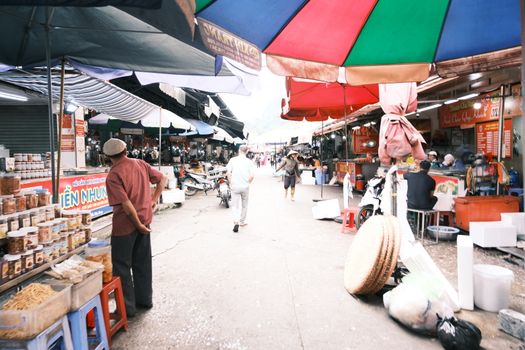
- The experience: Expect chaos, vibrant smells (some good, some... challenging), and a genuine insight into local life. You'll find incredible fresh produce, live seafood, and street food stalls cooking up authentic, fiery dishes for very low prices (e.g., 50-100 Baht for a full meal in Thailand). Language might be an issue, but pointing and smiling works wonders.
- My anecdote: In Chiang Mai, I ventured into a small, unnamed night market near my guesthouse. The air was thick with smoke from charcoal grills, and the scent of grilled pork skewers and spicy papaya salad was intoxicating. I ate like a king for about $3, surrounded by laughing families and eager vendors. It was messy, loud, and utterly unforgettable.
Navigating Any Market Like a Pro: Insider Tips
So you've found your hidden gem. Now, how do you make the most of it?
- Carry Cash (Small Denominations): Many local vendors don't accept cards. Small bills and coins make transactions smoother and faster.
- Haggle Respectfully (When Appropriate): In some cultures (especially in Asia, Africa, and parts of Latin America), haggling is expected, particularly for non-food items. For food, prices are usually fixed. Observe locals: if they're bargaining, you can try too, but always with a smile and good humor. Start by offering 50-70% of the asking price and meet somewhere in the middle.
- Try a Little Bit of Everything: Don't commit to one large dish. Sample small portions from different stalls. This allows you to taste a wider variety of local specialties and find your favorites.
- Observe Hygiene (Subtly): While local markets are rarely pristine, look for stalls with high turnover, clean utensils, and food that is cooked fresh and hot. Trust your gut – if something looks off, move on.
- Be Adventurous (Within Reason): Don't be afraid to try something new! Ask vendors what's popular or what they recommend. Sometimes the most unusual-looking dish is the most delicious.
- Learn a Few Local Phrases: Even "hello," "thank you," and "how much?" in the local language can go a long way in building rapport and showing respect.
- Bring Your Own Bag: Many markets are moving towards sustainability, and having your own reusable bag is always a good idea.
- Go with an Empty Stomach (and an Open Mind): This is crucial! You want to be ready to feast, and ready to embrace the sights, sounds, and smells, even if they're a little outside your comfort zone.
Beyond the Food: The Cultural Experience
Remember, a food market is more than just a place to eat. It’s a vibrant window into a culture. It’s where daily life unfolds, where traditions are preserved, and where communities connect. When you venture into a local market, you’re not just buying food; you're participating in a living, breathing cultural exchange.
You’re witnessing the rhythm of local life, hearing the cadence of conversations, and experiencing the genuine hospitality of people sharing their culinary heritage. It's about the warmth of a vendor's smile, the shared laugh over a language barrier, and the feeling of truly belonging, even if just for an hour. These are the moments that truly enrich your travels and make for unforgettable stories.
So next time you're planning a trip, ditch the guidebooks that only point you to the obvious. Do your research, ask around, and most importantly, be brave enough to wander a little further. You might just discover a culinary gem that locals have been trying to keep all to themselves. And trust me, those are the best kind of secrets to uncover.
Now tell me, what's the most incredible food market hidden gem you've ever stumbled upon? Share your delicious secrets in the comments below!
---
More pictures


Tags
Share this guide
We may earn a commission if you click a link and buy a product or service, at no extra cost to you. How affiliate links work.
Been there?