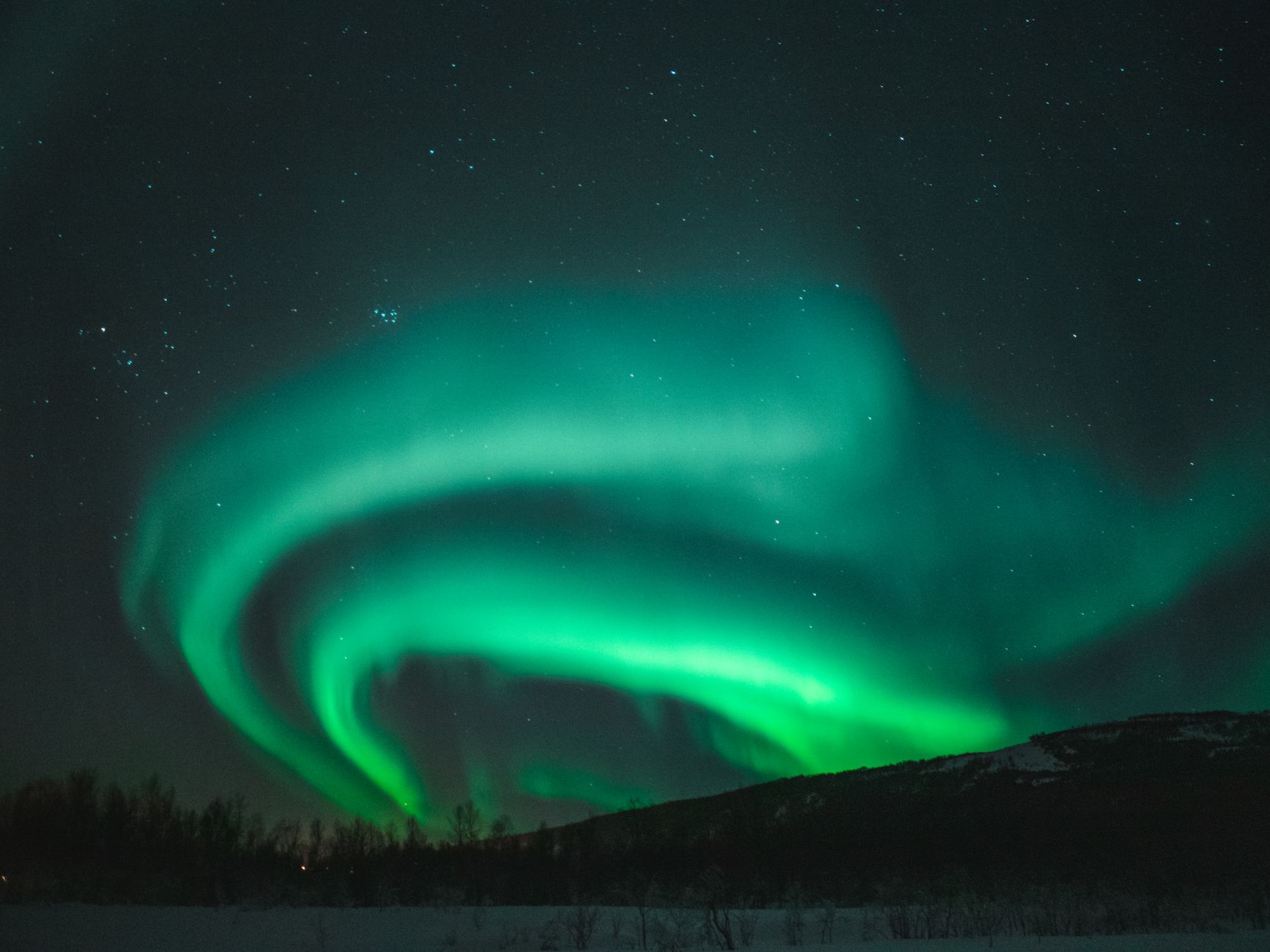
Forget the crowded tourist traps! This isn't just another guide to seeing the Northern Lights; it's your exclusive passport to truly authentic, intimate encounters with the aurora. We're revealing the hidden havens locals cherish, where you can sleep directly under the dancing sky, far from the madding crowd. ---
The crisp Arctic air bit at my cheeks, but I barely noticed. My breath plumed into the inky blackness above, a darkness so profound it felt like I could reach out and touch the stars. Then, a faint shimmer, a whisper of green, began to unfurl across the horizon. It grew, intensifying, painting the sky with strokes of emerald and violet, dancing with an ethereal grace that brought tears to my eyes. This wasn't just seeing the Northern Lights; this was being enveloped by them. And I wasn't in a crowded bus, or a bustling city square. I was nestled in a cozy, glass-roofed cabin, deep in the heart of Finnish Lapland, with nothing but whispering pines and the vast, silent wilderness for company.
That night, tucked into my warm bed, watching the aurora perform its celestial ballet directly above me, I realized something profound. While the iconic glass igloos and popular aurora hotels are fantastic, there’s another layer to experiencing this natural wonder – a deeper, more intimate connection that only comes from stepping off the well-trodden path. It's about finding those places locals know, those serene hideaways that offer not just a view, but an immersion. These aren't necessarily "secret" in the sense of being entirely unlisted, but they are often smaller, family-run, harder to find, and fiercely cherished for their tranquility and authenticity. They're the places where you don't just visit the Arctic; you live it, even if just for a few magical nights.
After years of chasing the aurora across Scandinavia and Iceland, I’ve collected a mental map of these cherished spots. And today, I’m pulling back the curtain, sharing the kind of places locals might prefer to keep to themselves. Get ready to bookmark this, because your ultimate, uncrowded aurora adventure starts now.
Beyond the Beaten Path: Why True Aurora Magic Happens in Seclusion
Before we dive into specific locations, let's talk about why these less-known spots are so special. It’s not just about avoiding crowds, although that’s a huge bonus. It’s about optimizing your entire experience:
- Zero Light Pollution: Major tourist hubs, even small Arctic towns, have streetlights and building glow. The truly spectacular aurora displays demand absolute darkness. Remote cabins, wilderness lodges, and guesthouses are strategically located away from any significant light sources, ensuring the sky is as black as velvet, making the aurora pop with unparalleled vibrancy.
- Authentic Immersion: When you stay in a family-run guesthouse or a remote cabin, you’re not just a tourist passing through. You're a guest. You might share a meal with your hosts, learn about local traditions, or participate in activities that feel genuine, not manufactured. This connection enriches your entire journey, making the aurora experience even more meaningful.
- Peace and Quiet: The Arctic wilderness is one of the last bastions of true silence. Imagine sitting by a crackling fire, looking up at the dancing lights, with only the gentle rustle of snow-laden branches or the distant howl of a husky team breaking the quiet. This tranquility allows for a deeper appreciation of nature's grandeur.
- Unique Accommodations: Forget generic hotel rooms. These hidden gems often offer quirky, charming, or architecturally stunning accommodations – think traditional Sami lavvus, rustic log cabins, boutique guesthouses with panoramic views, or even custom-built aurora domes that aren't part of a large resort chain.
This isn't just about finding a bed; it's about curating an experience where the setting amplifies the magic of the lights.
1. Finland's Forested Sanctuaries: Where Pines Whisper Secrets
Finnish Lapland is famous for its winter wonderland charm, but beyond Rovaniemi’s Santa Claus Village and Levi’s ski slopes, lie vast, pristine forests that hold some of the most intimate aurora viewing opportunities.
My Personal Pick: A Wilderness Cabin Near Inari My journey to one of these hidden gems involved a flight to Ivalo, followed by a scenic drive towards Inari, the heartland of Sami culture. Instead of a large resort, I opted for a small, independently owned wilderness cabin that I found through a local tour operator specializing in authentic experiences. It wasn't advertised on major booking sites. The kind Finnish couple who ran it had only a handful of cabins, each nestled deep within the snow-covered forest, a good 20-minute drive from the nearest village lights.
- The Experience: My cabin was simple but exquisitely cozy. A small kitchenette, a wood-burning fireplace, and crucially, a large window facing north. On clear nights, I'd simply stoke the fire, make a hot chocolate, and wait. The silence was profound, broken only by the crackle of burning wood. When the aurora appeared, it felt like a private show, just for me and the ancient pines. During the day, the hosts offered snowshoeing directly from the cabin door, or ice-fishing on a nearby frozen lake.
- How to Find Them: These aren't always on Booking.com. Look for smaller, local tourism companies in areas like Inari, Nellim, Saariselkä (just outside the main town), or even around Kittilä that emphasize "wilderness accommodation" or "private cabin stays." Sometimes, searching for "cottage rental Lapland" on Google Maps and then contacting individual owners directly can yield fantastic results.
- Price Point: Expect to pay anywhere from €150-€400 per night depending on the cabin size, amenities (sauna often included!), and how remote it is. Many require a minimum stay of 2-3 nights.
- Pro Tip: Rent a car! It gives you the freedom to explore during the day and chase clear skies at night, away from any residual light pollution.
2. Norway's Coastal & Fjord Hideaways: Where Ocean Meets Aurora
Norway’s dramatic coastline, with its towering fjords and scattered islands, offers a completely different, yet equally breathtaking, aurora backdrop. While Tromsø is the undisputed "Capital of the Arctic," stepping slightly outside the city or venturing to lesser-known islands can unlock magic.
My Personal Pick: A Fisherman's Cabin on Senja After a bustling few days in Tromsø, I yearned for solitude. A local acquaintance recommended I head to Senja, Norway's second-largest island, often dubbed "Norway in miniature" for its diverse landscapes. I found a renovated rorbu (traditional fisherman's cabin) perched right on the edge of a fjord in a tiny village. The cabin had floor-to-ceiling windows overlooking the water, and a private deck where I could set up my camera.
- The Experience: The sound of gentle waves lapping against the shore was my lullaby. On my second night, a fierce gale gave way to clear skies, and the aurora exploded, reflecting brilliantly off the fjord's dark surface. It was a double aurora – one in the sky, one in the water. The feeling of being so close to the raw, untamed elements, yet warm and safe in my cabin, was exhilarating. During the day, I hiked dramatic coastal trails, spotted sea eagles, and enjoyed fresh seafood from a local shop.
- How to Find Them: Look for rorbu or hytte (cabin) rentals in regions like Senja, Vesterålen, or the Lyngen Alps. Websites like Airbnb and local Norwegian rental sites (e.g., inatur.no for more rustic options) are good starting points, but often the best finds come from small, independent guesthouses or accommodations listed on regional tourism websites (e.g., Visit Senja, Visit Lyngen). Lyngen North also offers glass igloos in a truly remote setting, a fantastic alternative to the more commercial ones.
- Price Point: Rorbuer can range from €180-€500+ per night, depending on size, location, and luxury level. Senja is generally more affordable than Lofoten.
- Pro Tip: Embrace the unpredictable weather. Norwegian coastal aurora often comes with dramatic cloud breaks and reflections, making for incredible photography. Be prepared for all conditions with good gear.
3. Swedish Lapland's Arctic Retreats: A Deeper Wilderness Connection
Sweden's Lapland is vast and sparsely populated, making it an ideal canvas for aurora hunting away from the crowds. While Abisko is famous for its "Blue Hole" (often clear skies), there are many other equally magical, and far less touristed, options.
My Personal Pick: A Forest Hotel Near Jokkmokk I wanted to experience the heart of Sami culture and the deep forest. My search led me to a small, family-run "forest hotel" just outside Jokkmokk, a significant Sami town. It wasn't a hotel in the conventional sense, but a collection of beautifully crafted wooden cabins, each designed to blend seamlessly with the surrounding ancient forest. My cabin featured a large skylight above the bed.
- The Experience: The highlight was not just the aurora (which danced beautifully on two nights), but the entire atmosphere. The hosts were incredibly welcoming, sharing stories of Sami life and guiding me on a snowmobile safari through the taiga forest. Dinners were communal, featuring local delicacies like reindeer and cloudberries. It felt like stepping into a warm, inviting home in the middle of nowhere. The quiet was absolute, occasionally punctuated by the distant sounds of wildlife.
- How to Find Them: Explore accommodations around Jokkmokk, Arjeplog, or even just outside Kiruna (e.g., small guesthouses or cabin rentals). Look for "eco-lodges," "wilderness camps," or "nature hotels" that prioritize sustainability and local immersion. Websites for regional tourism boards (e.g., Swedish Lapland, Visit Jokkmokk) are often better than global booking engines.
- Price Point: These unique stays can range from €200-€600 per night, often including some meals or activities, reflecting the personalized service and remote location.
- Pro Tip: Combine your aurora trip with cultural experiences. Jokkmokk, for instance, has a fantastic winter market in February, offering a deep dive into Sami traditions.
4. Iceland's Volcanic Veil: Aurora Over Fire and Ice
Iceland, the land of fire and ice, offers a dramatic backdrop for the Northern Lights. While the Golden Circle is a must-see, the real aurora magic often happens when you venture further afield, away from Reykjavík and its immediate surroundings.
My Personal Pick: A Farm Stay in South Iceland My quest for an uncrowded Icelandic aurora led me to a charming farm guesthouse located between the villages of Vík and Kirkjubæjarklaustur, far from the capital's light pollution. It was a working farm, run by a multi-generational Icelandic family, offering a handful of cozy rooms with magnificent views of the surrounding volcanic landscapes.
- The Experience: One evening, after a hearty farm-to-table dinner, the farmer’s son excitedly pointed to the sky. A faint green glow was emerging directly over the looming, snow-capped mountains. We bundled up and walked to a small, isolated hot tub on the property. Soaking in the warm water, beneath a sky ablaze with shifting green and purple ribbons, felt utterly surreal and incredibly intimate. The only sounds were the bubbling water and our hushed exclamations. It was a moment of pure, unadulterated bliss. During the day, I explored black sand beaches and hidden waterfalls, often having them all to myself.
- How to Find Them: Search for "farm stays" or "guesthouses" in South Iceland (east of Selfoss), East Iceland, or the Snæfellsnes Peninsula. Many smaller guesthouses are listed on Icelandic tourism sites or directly via their own websites. Look for places with few rooms and a focus on nature. Hótel Rangá is a well-known aurora hotel, but it's still relatively isolated and specialized for aurora viewing, offering wake-up calls and observatory access, providing a high-end, dedicated experience.
- Price Point: Farm stays can be surprisingly affordable, starting from €100-€300 per night for a comfortable room. More luxurious guesthouses will be higher.
- Pro Tip: Rent a 4x4 vehicle. Many of the best spots are off the main Ring Road, and winter conditions can be challenging. Always check road conditions before heading out.
5. The Art of Aurora Hunting & Sleeping Smart: Your Actionable Guide
Finding these hidden gems is one thing, but maximizing your chances of seeing the aurora and making the most of your stay requires a bit of savvy.
- Timing is Everything (Almost): The best time to see the aurora is generally from late September to late March, during the darkest months. Peak activity often occurs around the equinoxes (September and March), but really, any clear, dark night in winter is fair game. Aim for nights around a new moon for maximum darkness.
- Weather, Weather, Weather: Clear skies are paramount. Use aurora forecasting apps (e.g., My Aurora Forecast, Aurora Alerts) and local weather apps to track cloud cover. Be flexible with your schedule if possible, allowing for a few nights in one location to increase your chances.
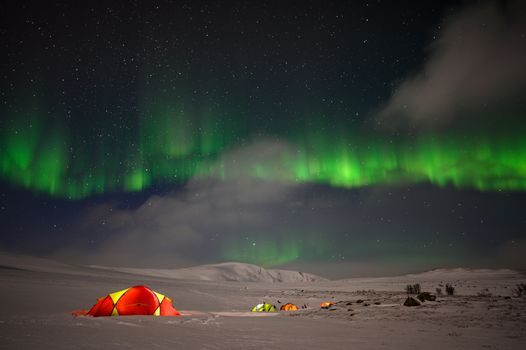
- Embrace the Wait: The aurora is shy. It might appear for minutes, or not at all. Patience is key. Dress warmly in layers (thermals, fleece, down jacket, waterproof outer shell, warm hat, gloves, wool socks, insulated boots). Bring a thermos of hot tea or chocolate.
- Support Local, Go Small: When searching for accommodations, prioritize small, family-owned businesses. They often provide more personal service, authentic experiences, and are more likely to share local insights. Look for direct booking options on their own websites, or through regional tourism boards, which helps them avoid hefty commission fees.
- Photography Gear: A sturdy tripod, a camera with manual settings (DSLR or mirrorless), a wide-angle lens (f/2.8 or wider), and extra batteries (cold drains them fast!) are essential. Learn basic aurora photography settings before you go.
- Respect the Silence: These places are cherished for their tranquility. Be mindful of noise levels, especially at night. Enjoy the peace.
- Digital Detox (Optional, but Recommended): While you’ll want your phone for aurora apps and photos, consider truly disconnecting. The silence and darkness are part of the magic.
My journey to uncover these lesser-known aurora sleep spots has been one of the most rewarding aspects of my travel career. It’s taught me that the most profound experiences often lie just beyond the glossy brochures, waiting for those willing to seek them out. It’s about more than just a bucket list check; it’s about connecting with nature, culture, and yourself in a way that truly transforms.
So, are you ready to ditch the crowds and chase the emerald dream in solitude? Are you prepared to discover the Arctic's best-kept secrets, and wake up to the most spectacular natural light show on Earth, all from the comfort of your own secluded haven? The locals might not want everyone to know about these places, but I promise, finding them will be the adventure of a lifetime.
Now, go forth, explore, and let the Northern Lights whisper their ancient stories directly to you. And when you do, don't forget to share your own hidden gems with us at Tripsora – because the best secrets are meant to be shared (with a select few, of course!).
---
More pictures



Tags
Share this guide
We may earn a commission if you click a link and buy a product or service, at no extra cost to you. How affiliate links work.
Been there?