
Forget the tourist traps and bland menus! I'm about to unveil a world of culinary secrets – the dishes so cherished by locals, they often hope you never find them. Prepare to have your taste buds, and your entire travel perspective, irrevocably changed. ---
Beyond the Postcard: Unearthing the Culinary Secrets Locals Keep Just For Themselves
Have you ever felt it? That subtle, nagging feeling when you’re traveling, sitting in a bustling restaurant packed with fellow tourists, wondering if you’re really experiencing the local flavor? Are you getting the authentic taste, the true essence of a place, or just a sanitized, "foreigner-friendly" version?
I’ve been there countless times. My first solo trip through Southeast Asia was a blur of Pad Thai, spring rolls, and safe, familiar dishes. I enjoyed them, sure, but something felt... missing. It wasn't until a chance encounter in a narrow alleyway in Hanoi that my entire culinary world, and indeed my approach to travel, was flipped upside down.
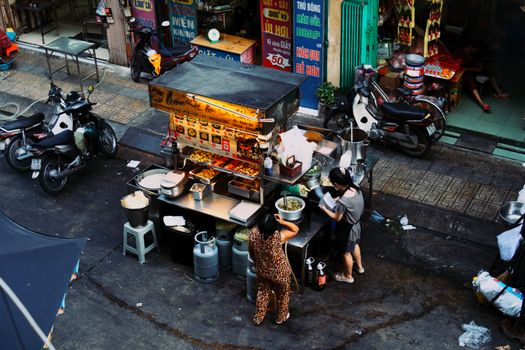
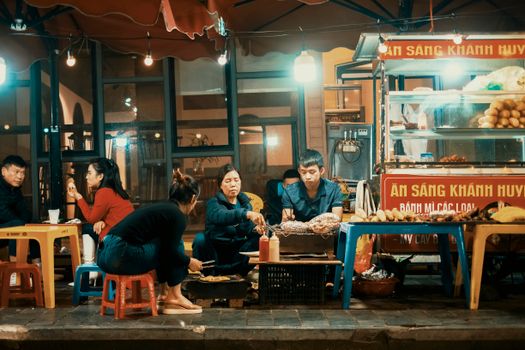
I was hopelessly lost, searching for a specific temple, when a tantalizing aroma wafted from a tiny, unassuming stall. There were no English signs, just a hand-painted banner in Vietnamese, and a crowd of locals hunched over small plastic stools, slurping noodles with an intensity I hadn’t seen before. My gut, a more reliable guide than any map, told me to stop. What I found there was a dish so profoundly local, so intensely flavorful, and so utterly unlike anything I’d seen in a guidebook, that it became my culinary awakening. It was Bún Đậu Mắm Tôm, and it changed everything.
This isn't just about finding delicious food. It's about cultural immersion, about breaking down barriers, and about understanding a place through its most intimate expression: its food. Locals don't actively hide these dishes from you, but they certainly don't advertise them to the masses. These are their comfort foods, their childhood memories, their everyday fuel – often too pungent, too humble, or too "strange" for the average tourist palate. But for the adventurous eater, these are the true treasures.
Ready to ditch the tourist traps and dive deep into the heart of local cuisine? Let’s uncover some of the incredible, perspective-changing foods that locals wish you never knew existed.
The Unwritten Rules: Why Locals Keep Their Culinary Gems Secret
Before we dive into specific dishes, let's understand the "why." Why are some foods kept off the main tourist radar?
- Authenticity & Tradition: Many of these dishes are deeply rooted in tradition. They're prepared a certain way, with specific ingredients, often passed down through generations. Introducing them to a mass tourist market can lead to dilution, shortcuts, and a loss of their original essence. Locals want to preserve that authenticity for themselves.
- Price Point: Often, the best local food is incredibly cheap. These are everyday meals for everyday people. If these spots become tourist hotspots, prices inevitably rise, making them less accessible for the very community they serve.
- The "Fear Factor": Some dishes involve ingredients or flavors (like fermented pastes, offal, or unusual textures) that might be off-putting to an uninitiated palate. Locals know this and often don't bother trying to "sell" them to tourists, preferring to keep them for those who truly appreciate them.
- Nostalgia & Comfort: These are the foods of home, childhood, and community. They represent comfort and familiarity. Sharing them with a throng of outsiders can disrupt that intimate, cherished atmosphere.
- Simply Not Advertised: There's no marketing budget for a grandma's street stall or a tiny eatery tucked away in a residential area. They thrive on word-of-mouth within the local community, and that's enough.
My experience in Hanoi taught me that the best food isn't found in glossy magazines or top-10 lists. It's found by following your nose, trusting your gut, and embracing the unknown. It's about looking for the places where only locals gather, where the menu might be a handwritten scrawl, and where the plastic stools are worn smooth from generations of diners.
1. The Umami Bomb You Can’t Ignore: Bún Đậu Mắm Tôm (Hanoi, Vietnam)
What it is: Imagine a generous platter of fresh vermicelli noodles, crispy fried tofu, slices of boiled pork belly, fresh herbs (like perilla, mint, and cilantro), and sometimes fried spring rolls or fermented pork sausage (nem chua rán). The star, however, and the reason many tourists shy away, is the accompanying dipping sauce: mắm tôm, a pungent, intensely flavorful fermented shrimp paste.
Why locals keep it secret: Let's be honest, mắm tôm has a strong, almost overwhelming aroma. To the uninitiated nose, it can smell... challenging. It's an acquired taste, but once acquired, it's deeply addictive. Locals adore its complex umami, salty, and slightly sweet notes that perfectly cut through the richness of the pork and tofu. They know most tourists won't get past the smell, so they don't push it.
My story: That fateful day in Hanoi, when I stumbled upon this dish, the smell hit me first. It was unlike anything I'd ever encountered – a potent, briny funk that made my nose wrinkle. But the sheer joy on the faces of the locals eating it, dipping their morsels with gusto, convinced me. I pointed, they nodded, and soon a platter arrived. The vendor, seeing my hesitation with the mắm tôm, gestured for me to add lime and chili. I dipped a tiny piece of tofu, braced myself, and took a bite.
Boom.
It was an explosion of flavor. The crispy exterior of the tofu, the soft interior, the fresh herbs, the slight chew of the pork, all harmonized by the incredible depth of the mắm tôm. It was salty, savory, a little spicy, and utterly unforgettable. It wasn't just food; it was a revelation. I finished every last bite, sweat beading on my forehead from the chili, and felt like I’d unlocked a secret level of Vietnamese cuisine.
Where to find it & Price: Look for small, often open-air stalls in the Old Quarter of Hanoi, particularly around the Dong Xuan Market area or along Hàng Khay street. Some popular spots are Bún Đậu Mắm Tôm Ngõ Gạch (though it's getting more known) or just follow your nose down any side alley. A generous platter will cost you around 50,000-70,000 VND (~$2-3 USD).
Tripsora Tip: Don't be afraid of the mắm tôm. Start with just a tiny dab, squeeze in plenty of fresh lime juice, and add some chopped chili. Mix it well. The acidity and spice will balance the funk. And remember, look for busy stalls – high turnover usually means fresh ingredients and good hygiene.
2. Beyond the Taco: The Ancient Street Food of Tlacoyos (Mexico City, Mexico)
What it is: While tacos dominate the Mexican street food scene, tlacoyos are an ancient, humble, and utterly delicious precursor. These are oval-shaped, thick corn tortillas made from blue or white masa, typically stuffed with a filling like refried beans, cheese (requesón), or fava beans. They’re then griddled until slightly crispy, and topped with salsa, nopales (cactus paddles), cheese, or sometimes a smear of cream.
Why locals keep it secret: Tlacoyos are often overshadowed by their more famous cousin, the taco. They’re also typically found in local markets (mercados) or at specialized street stalls, rather than the more generic taquerias that cater to tourists. They represent a more rustic, traditional style of Mexican cooking that’s less about flashy toppings and more about the incredible flavor of fresh masa and simple, quality fillings.
My story: I was wandering through the vibrant chaos of Mercado de Coyoacán in Mexico City, a sensory overload of colors, sounds, and smells. Every other stall seemed to be selling tacos or quesadillas. Then, tucked away in a corner near the produce section, I saw a woman expertly patting out thick, oval shapes of blue masa. Her comal (griddle) was sizzling, and a line of locals patiently waited. Curiosity piqued, I joined the queue.
I pointed to a tlacoyo stuffed with beans and topped with a fiery red salsa and crumbly cotija cheese. The first bite was revelation. The earthy, slightly sweet flavor of the blue corn masa, the creamy refried beans, the smoky salsa – it was pure comfort. It felt ancient, like I was tasting a piece of Mexico's culinary history. It wasn't fancy, but it was profoundly satisfying and truly authentic. It made me realize how much more there was to discover beyond the well-trodden paths.
Where to find it & Price: Your best bet is to explore local markets like Mercado de Coyoacán, Mercado de San Juan, or even smaller neighborhood mercados throughout Mexico City. You'll often find vendors with a large comal dedicated solely to tlacoyos or sopes. Prices range from 20-40 MXN (~$1-2 USD) per tlacoyo, depending on size and toppings.
Tripsora Tip: Don't be afraid to try different fillings! Requesón (a fresh, ricotta-like cheese) is a fantastic option. Look for vendors who are making the masa fresh right in front of you – that’s always a sign of quality. Pair it with a fresh agua fresca for the ultimate local experience.
3. The Delicate Morning Secret: Khao Soi Noi (Luang Prabang, Laos)
What it is: Not to be confused with the more famous Thai Khao Soi (a rich, curried noodle soup), Khao Soi Noi is a delicate, steamed rice flour sheet, often filled with seasoned minced pork and tomatoes. It's typically served with fresh herbs, crispy fried garlic, and a light, savory broth on the side, sometimes with a spicy chili paste. It’s a quintessential breakfast dish in Luang Prabang.
Why locals keep it secret: This dish is very specific to Luang Prabang and is primarily a breakfast item. It’s light, fresh, and perfectly suited to the humid mornings. Tourists often gravitate towards more familiar noodle soups or French-influenced pastries. The name itself can be confusing, leading people to expect something entirely different, so it's not widely promoted to outsiders.
My story: My mornings in Luang Prabang began with a mission: find an authentic local breakfast. I’d walked past countless stalls selling baguettes and fruit shakes, but I was looking for something deeper. One morning, I ventured further into the local morning market, away from the main tourist drag. There, amidst vendors selling fresh produce and fragrant spices, I saw a woman carefully peeling translucent rice sheets from a steaming contraption. Locals sat on low benches, quietly enjoying what looked like delicate, folded crepes.
I ordered a bowl, pointing to what others were eating. The Khao Soi Noi arrived – a beautiful presentation of soft, steamed sheets, a sprinkle of herbs, and a small bowl of broth. The first bite was incredibly subtle yet complex. The rice sheets were silky smooth, the pork filling savory, and the accompanying broth light but full of umami. It was the perfect gentle awakening for my palate, a quiet moment of culinary bliss that felt deeply connected to the rhythm of Luang Prabang. It taught me that sometimes the most profound flavors are found in the most unassuming dishes.
Where to find it & Price: Head to the Luang Prabang Morning Market (near the Royal Palace) or explore the side streets off Sisavangvong Road early in the morning (before 9 AM). Look for stalls with steaming apparatuses and locals quietly eating. A bowl will cost around 10,000-20,000 LAK (~$1-2 USD).
Tripsora Tip: Eat it like a local: use your chopsticks to pick up pieces of the rice sheet and dip them into the broth, or pour a little broth over the dish. Don't forget to add a tiny bit of the chili paste if you like a kick!
4. The Savory Chimney Surprise: Kürtőskalács (Transylvania, Romania – the Authentic Way)
What it is: You might know Kürtőskalács as the sweet "chimney cake" popular at European Christmas markets, dusted with sugar and cinnamon. But in its true Transylvanian homeland, particularly in the Hungarian-speaking regions, there's a lesser-known, deeply traditional, and utterly mind-blowing savory version. These are often baked over an open fire, less sweet, and sometimes flavored with cheese, garlic, or even pork cracklings.
Why locals keep it secret: The sweet, touristy version has become ubiquitous. Locals cherish the more rustic, savory, or less-sweet original. It's a staple at village fairs, family gatherings, and local bakeries, often made with a richer dough and a focus on the smoky flavor from the open flame. They don't need to market it to tourists because it's deeply ingrained in their culinary heritage.
My story: I’d tasted Kürtőskalács at various European markets, always a sugar-laden treat. But on a road trip through rural Transylvania, near the medieval town of Sighisoara, I stopped at a small village fair. A local woman was turning wooden cylinders over a roaring fire, the dough slowly browning. Her cakes weren't glistening with sugar; they had a golden, almost savory sheen. I asked, in broken Romanian, if there was a "salty" one. She smiled, produced a freshly baked Kürtőskalács, and offered it with a sprinkle of local cheese and a hint of garlic.
The warmth, the slight crispness of the exterior, the soft, yeasty interior, and the unexpected savory notes of cheese and garlic were a revelation. It wasn't a dessert; it was a hearty, comforting snack, perfect for a chilly afternoon. It completely redefined my understanding of this iconic pastry, showing me that sometimes, the most authentic version of a popular dish is the one you never knew existed. It was a taste of true Transylvanian soul.
Where to find it & Price: This requires a bit more effort. Look for local village fairs, farmers' markets, or small, traditional bakeries in towns like Brasov, Sighisoara, or Sfântu Gheorghe. Ask for sós Kürtőskalács (salty chimney cake) or specifically if they have cheese or garlic versions. Prices vary but expect to pay around 15-25 RON (~$3-5 USD).
Tripsora Tip: If you can't find a savory version, at least seek out one that's less intensely sweet than the typical tourist offerings. The true beauty lies in the quality of the dough and the smoky flavor from the baking process, not just the sugar. Look for ones made over an open fire for that authentic taste.
5. The Ultimate Comfort Bowl: Jajangmyeon (The "Authentic" Way in South Korea)
What it is: While Jajangmyeon (black bean noodles) is a widely popular dish in South Korea, often found in Chinese-Korean restaurants, there’s a nuance to experiencing it the truly local way that many tourists miss. It's not just about eating it, but where and how. The most authentic, soul-satisfying versions are found in old, unassuming neighborhood eateries, often bustling with families, or even in the form of gan-jajang – a version where the sauce is cooked to order without cornstarch, offering a richer, more intense flavor.
Why locals keep it secret: Tourists often flock to more visibly "famous" Jajangmyeon spots. Locals, however, have their cherished neighborhood jajangmyeon places – the ones that have been there for decades, where the sauce recipe is perfected, and the noodles are always perfectly chewy. They appreciate the subtle differences in texture, the depth of the chunjang (black bean paste) flavor, and the specific way the sauce clings to the noodles. It's about finding their perfect bowl, not just any bowl.
My story: I'd tried Jajangmyeon in Seoul a few times, enjoying its savory, slightly sweet, and earthy flavor. But a Korean friend insisted I hadn't truly experienced it until I went to "our place." He took me to a tiny, nondescript restaurant in a residential part of Mapo-gu. The menu was in Korean, the decor was sparse, and it was packed with families and office workers. He ordered gan-jajang for both of us.
When it arrived, the noodles and sauce were served separately. The sauce was thick, glossy, and intensely aromatic, with visible chunks of pork and onion. We poured the sauce over the noodles, mixed vigorously, and took a bite. The difference was astonishing. The sauce was less diluted, richer, with a deeper umami. The noodles had a perfect chewiness. It wasn't just a meal; it was an experience of shared comfort, a taste of everyday Korean life. It was their secret, shared with me, and it made me feel like an honorary local.
Where to find it & Price: Skip the flashy tourist areas. Ask a local friend, hotel staff (not concierge, but the cleaning staff or bellhop might have better tips!), or even a taxi driver for their favorite jajangmyeon spot in a residential neighborhood. Look for places that have been around for a long time, often with older signage. A bowl of Jajangmyeon or Gan-jajang typically costs 7,000-10,000 KRW (~$6-8 USD).
Tripsora Tip: If available, order gan-jajang for a richer, more authentic experience. Don't forget the pickled radish (danmuji) and raw onion with black bean paste that always accompany jajangmyeon – they're essential for cutting through the richness. And remember, slurping your noodles is perfectly acceptable and even encouraged!
Your Secret Weapon: How to Uncover These Hidden Culinary Gems
Now that you're salivating, how can you become a culinary detective and unearth these local secrets on your next trip?
- Go Local, Literally:
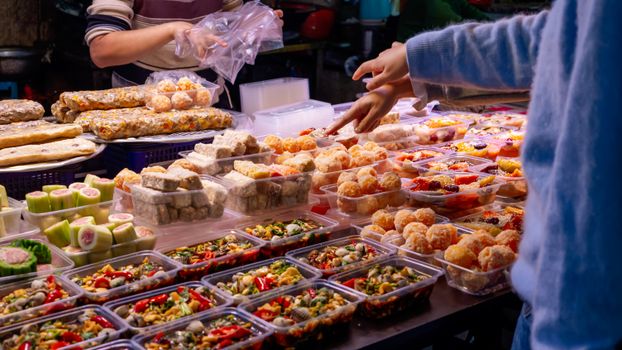
- Markets are Goldmines: Local wet markets or farmers' markets are not just for shopping; they're often where vendors serve incredible, fresh, and cheap meals to the community.
- Side Streets & Alleys: Venture off the main avenues. The best finds are rarely on the busiest streets.
- Residential Areas: If you see a small eatery packed with locals in a residential neighborhood, that's your sign.
- Follow the Crowd (of Locals):
- Long Lines: A long line of locals (not tourists!) is a universal sign of good food.
- Busy Stalls: High turnover means fresh ingredients and often, better hygiene.
- Ask the Right People:
- Not the Hotel Concierge: They'll often recommend tourist-friendly (and often overpriced) places.
- Ask Taxi Drivers, Shopkeepers, or Your Hostel Staff: These people live and work in the area and know the true local favorites. Learn a few basic phrases like "What is your favorite local dish?" or "Where do you eat lunch?"
- Observe Locals Eating: If you see someone eating something intriguing, don't be shy! Politely point and ask "What is that?" or "Is it good?"
- Embrace the Unknown:
- No English Menu? Perfect! This is a strong indicator you’re in a local spot. Use Google Translate's camera function, or simply point to what others are eating.
- Don't Judge a Book by Its Cover: The best food often comes from the most unassuming, humble-looking establishments.
- Be Open-Minded: Some of these dishes might challenge your palate or preconceived notions. That's the point!
- Hygiene Check (a quick one): While embracing the rustic, it's wise to be mindful. Look for:
- Cleanliness of the vendor's hands and utensils.
- Fresh-looking ingredients (especially meat and vegetables).
- Food that is cooked to order and served hot.
Your Next Bite Awaits: Change Your Perspective, One Dish at a Time
Discovering these local food secrets isn't just about satisfying hunger; it's about connecting with a culture on a deeper, more intimate level. It's about breaking free from the curated tourist experience and truly experiencing a place through its most authentic flavors. These are the dishes that tell stories, evoke memories, and offer a genuine glimpse into the soul of a destination.
So, the next time you travel, challenge yourself. Step outside your comfort zone. Ask questions, explore those side streets, and trust your adventurous spirit. You might just find a dish that doesn't just fill your stomach, but completely changes your perspective on travel, food, and the world itself.
What hidden culinary gems have you uncovered? Share your discoveries and inspire fellow travelers! Use the hashtag #TripsoraSecrets on Instagram and let's build a community of adventurous eaters!
---
More pictures
Tags
Share this guide
We may earn a commission if you click a link and buy a product or service, at no extra cost to you. How affiliate links work.
Been there?