
Dreaming of witnessing the raw power of Earth's fiery heart without the risk? You're in luck! December 2025 is the perfect time to embark on a safe, awe-inspiring volcano adventure, and I'm here to show you exactly how to do it. Get ready to explore breathtaking landscapes, witness natural wonders, and capture truly unforgettable memories. ---
Fire & Ice, But Mostly Fire (Safely!): Your Guide to Volcano Tours That Won't Kill You in December 2025
I remember my first close encounter with a volcano. It wasn't a dramatic, lava-spewing spectacle, but a hike up a dormant peak in the Philippines, Taal Volcano, years before its 2020 eruption. The air was thick with the scent of sulfur, the ground felt strangely warm beneath my boots, and standing at the rim, looking down into that vast, brooding crater lake, I felt an almost primal connection to the Earth. It was exhilarating, humbling, and utterly addictive.
But let's be honest: the word "volcano" often conjures images of catastrophic eruptions, molten rivers, and emergency evacuations. And while the raw power of these geological giants is undeniable, the truth is, many of the world's most incredible volcanoes can be explored safely, responsibly, and with an abundance of awe-inspiring moments. Especially when you plan smart.
As your resident Tripsora adventurer, I've spent countless hours researching, experiencing, and falling head-over-heels for these fiery wonders. And I'm thrilled to tell you that December 2025 presents some truly spectacular, and safe, opportunities to witness Earth's incredible volcanic artistry. Forget the fear-mongering; let's talk about the adventure-making!
Beyond the Lava: Understanding Volcano Safety & Why December 2025 Rocks
Before we dive into specific destinations, let's address the elephant in the magma chamber: safety. Volcano tourism isn't about tempting fate; it's about respecting nature's power and following expert guidance. Reputable tour operators, national park services, and local authorities work tirelessly to monitor volcanic activity, establish safe viewing zones, and implement strict protocols. Your job is to listen to them. Always.
Why December 2025? December can be a fantastic time for volcano adventures for several reasons:
- Weather Variability: While some regions might be cooler or wetter (like parts of Europe or Asia), others, like Hawaii, offer pleasant conditions. The cooler air can also make hiking more comfortable in some tropical regions.
- Unique Phenomena: Some volcanic experiences, like Indonesia's Ijen blue flames, are best viewed in the dark, and December's longer nights can offer more prime viewing hours.
- Holiday Spirit: Imagine celebrating the festive season with a backdrop of a glowing crater! It adds an unforgettable twist to your holiday plans.
- Planning Ahead: Booking now for December 2025 gives you ample time to secure the best guides, flights, and accommodations, often at better rates.
Your Safety Checklist:
- Always book with reputable, licensed tour operators.
- Follow all guide instructions and park regulations.
- Check current activity levels and alerts right up until your trip (volcanoes are unpredictable!). Websites like the Global Volcanism Program (GVP) and local geological surveys are your best friends.
- Dress appropriately – layers, sturdy hiking boots, rain gear, and sometimes even gas masks (provided by tours) are crucial.
- Be realistic about your fitness level. Some treks are challenging.
- Travel insurance is non-negotiable.
Now, let's explore some of the most incredible, and importantly, safe, volcano experiences you can have in December 2025!
1. Iceland's Fiery Heart: The Land of Fire and Ice (Safely!)
Oh, Iceland! This isn't just a country; it's a living geology textbook. And while the Fagradalsfjall eruption of 2021-2023 captivated the world, Iceland offers a wealth of safe volcanic experiences year-round, even if active lava isn't flowing right at your feet in December 2025.
What to Expect in December 2025: December in Iceland means shorter daylight hours and a higher chance of snow, but also the magical possibility of the Northern Lights dancing over a volcanic landscape. While direct lava viewing might not be guaranteed (volcanoes are fickle!), you can still immerse yourself in Iceland's geothermal wonders.
- Reykjanes Peninsula Exploration: Even without active eruptions, the Reykjanes Peninsula, home to Fagradalsfjall, is a geothermal playground. Think steaming vents, bubbling mud pots, and vast, dramatic lava fields from past eruptions. Guided tours can take you through these otherworldly landscapes, explaining the geological processes. It’s like walking on the moon, but with more steam.
- Thrihnukagigur Volcano (Inside the Volcano): This is perhaps the ultimate safe volcano tour! Thrihnukagigur is a dormant volcano where you can actually descend into the magma chamber. Yes, you read that right. An elevator takes you 120 meters (400 feet) down into a colossal, colorful chamber that once held molten rock. It's an unparalleled experience, completely safe as it's been dormant for 4,000 years. Expect a sturdy harness, helmet, and a mind-blowing view.
- Geothermal Hot Springs & Power Plants: Witness the power of volcanism harnessed for good! Visit places like the Blue Lagoon (book way in advance for December!) or the lesser-known Secret Lagoon. Take a tour of the Hellisheiði Geothermal Power Plant to see how Iceland uses its volcanic energy.
Personal Anecdote: My last trip to Iceland in winter involved a snow-dusted hike through an old lava field on the Reykjanes Peninsula. The stark black rock against the white snow, with steam rising from vents in the distance, felt incredibly serene and powerful. Our guide pointed out different lava formations, explaining how the land was still shifting. It wasn't "active," but it was undeniably alive.
Practical Tips & Prices:
- Thrihnukagigur Tour: Expect to pay around €300-€400 per person, including transfers from Reykjavik. Bookings open far in advance and sell out quickly.
- Reykjanes Peninsula Day Tours: Range from €100-€200, often combined with other attractions.
- What to Pack: Extreme layers, waterproof and windproof outerwear, sturdy hiking boots (crampons might be useful for icy patches), hat, gloves, and a thermos for hot drinks.
- Operators: Reputable companies like Arctic Adventures, Guide to Iceland, or local specialized guides (e.g., Inside the Volcano for Thrihnukagigur).
2. Hawaii's Gentle Giants: Kilauea's Milder Side
When you think of Hawaiian volcanoes, Kilauea on the Big Island often comes to mind, known for its frequent, effusive eruptions. While Kilauea has seen significant activity in recent years, Hawaii Volcanoes National Park (HVNP) has perfected the art of safe, educational, and utterly mesmerizing volcano viewing.
What to Expect in December 2025: December offers pleasant weather on the Big Island, typically warm but not overly hot, with occasional rain showers. While predicting active lava flows is impossible, HVNP always provides incredible experiences.
- Kilauea Caldera & Halema'uma'u Crater: This is the heart of the park. Even without active surface lava, the scale of the caldera is immense. Halema'uma'u, Kilauea's summit crater, often has visible steam plumes and can glow dramatically at night if there's an active lava lake (which has happened on and off since 2020). The Jaggar Museum Overlook (if reopened, or similar viewing platforms) offers unparalleled views.
- Crater Rim Trail & Thurston Lava Tube: Hike portions of the Crater Rim Trail (check for closures due to activity). Explore the ancient, fern-draped Thurston Lava Tube (Nahuku), a fascinating underground tunnel formed by flowing lava. It’s an easy walk and a cool, damp contrast to the open volcanic landscape.
- Volcano House: Stay or dine at the historic Volcano House hotel, perched on the rim of Kilauea caldera, offering incredible views, especially at night.
- Helicopter Tours: For an unparalleled perspective, a helicopter tour offers a breathtaking bird's-eye view of the entire Kilauea caldera, old lava flows, and if active, any current surface activity from a safe distance. This is often the best way to see remote areas.
- Coastal Views (if lava is flowing into the ocean): While less common than in previous decades, if lava is flowing into the ocean, boat tours offer a safe and spectacular way to witness the dramatic steam plumes and new land creation. Always check with local operators for current conditions.
Personal Anecdote: I remember standing at the Kilauea Overlook one evening, even when there wasn't a visible lava lake. The sheer size of the caldera, the steam rising from countless vents, and the distant orange glow of what felt like the Earth breathing, was profoundly moving. The air had that unique sulfuric tang, a reminder of the immense power beneath.
Practical Tips & Prices:
- HVNP Entrance Fee: $30 per vehicle, valid for 7 days.
- Helicopter Tours: Expect to pay $250-$400+ per person for a 45-60 minute tour. Blue Hawaiian Helicopters and Mauna Loa Helicopters are reputable.
- What to Pack: Layers (it can get cool and rainy at higher elevations), comfortable walking shoes, rain jacket, water, and binoculars for distant viewing.
- Check NPS Website: Always consult the official Hawaii Volcanoes National Park website for the latest conditions, viewing opportunities, and trail closures.
3. Indonesia's Majestic Peaks: Bromo & Ijen's Blue Flames
Indonesia, part of the Pacific Ring of Fire, boasts some of the most dramatic and accessible volcanoes on Earth. Mount Bromo and Ijen Crater in East Java offer distinct, unforgettable, and entirely safe experiences for the adventurous traveler.
What to Expect in December 2025: December is technically the rainy season in Java, but don't let that deter you. Rains typically come in the afternoon, leaving mornings clear for stunning sunrises. The lush, vibrant landscapes are a bonus!
- Mount Bromo Sunrise Trek: This is an iconic experience. Starting in the pre-dawn darkness, you'll journey across the "Sea of Sand" (a vast caldera floor) by 4x4 jeep, then hike to a viewpoint (like Penanjakan 1 or King Kong Hill) to watch the sunrise over Bromo, Semeru (Indonesia's highest volcano), and Batok. The sight of these peaks emerging from the mist as the sky explodes in color is truly breathtaking. After sunrise, you'll descend to the base of Bromo itself, then climb a steep set of stairs to gaze into its steaming, sulfurous crater. The smell is potent, but the view is worth it.
- Ijen Crater's Blue Flames: Prepare for an otherworldly experience. This is a challenging but incredibly rewarding night trek. Starting around 1 AM, you'll hike for 1.5-2 hours up a steep path to the rim of Ijen Crater. From there, you descend into the crater (with a guide and gas mask!) to witness the ethereal "blue flames" – actually ignited sulfuric gas escaping from the crater. As dawn breaks, you'll see the stunning turquoise acidic lake, the largest of its kind in the world, and the sulfur miners at work.
Personal Anecdote: The Bromo sunrise was one of those moments where time seemed to stop. Standing on that viewpoint, shivering slightly in the pre-dawn chill, watching the first rays of light hit the volcanic peaks, felt like witnessing the birth of a new world. And Ijen? The blue flames were like something out of a sci-fi movie, a truly unique phenomenon that made the challenging hike completely worth it. Just remember that gas mask – the sulfur fumes are no joke!
Practical Tips & Prices:
- Bromo & Ijen Tours: Most travelers book multi-day tours from Surabaya or Malang. A typical 2-day/1-night Bromo-Ijen tour can cost around $150-$300 per person, including transport, guides, and basic accommodation. Group tours are more affordable.
- What to Pack (Bromo): Warm layers (it's cold before sunrise!), sturdy shoes, hat, gloves, water, and a headlamp.
- What to Pack (Ijen): Very sturdy hiking shoes, warm layers, headlamp, water, and gas mask (usually provided by tours, but confirm).
- Fitness: Both require moderate to good fitness. The Ijen trek is particularly steep.
- Operators: Many local operators in Surabaya, Malang, and Banyuwangi. Always check reviews on TripAdvisor.
4. Italy's Volcanic Wonders: Etna & Stromboli's Night Show
Europe's most active volcanoes are right in Italy, offering a blend of ancient history, stunning landscapes, and thrilling volcanic activity. Mount Etna in Sicily and Stromboli, one of the Aeolian Islands, are both monitored closely and offer safe, guided tours.
What to Expect in December 2025: December on Sicily and the Aeolian Islands will be cooler, possibly rainy, but often with clear, crisp days. Snow is common on Etna's higher slopes, adding a dramatic touch.
- Mount Etna, Sicily: Europe's most active volcano is also one of the most accessible. You can explore Etna in various ways, depending on current activity levels.
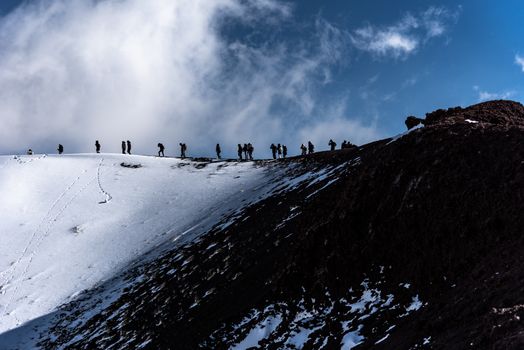
- Cable Car & Jeep Tour (South Side): Take the cable car (Funivia dell'Etna) from Rifugio Sapienza up to 2,500m (8,200 ft), then switch to specialized 4x4 jeeps with guides to reach around 2,900m (9,500 ft). From here, guided treks (often with volcanologists) take you to the rim of dormant craters or recent lava flows, offering incredible panoramic views.
- North Side Exploration: The North side (Piano Provenzana) offers a different perspective, often less crowded, with beautiful pine forests and ancient lava flows. Snowshoeing tours are popular here in winter.
- Stromboli, Aeolian Islands: This "Lighthouse of the Mediterranean" erupts almost continuously with small, explosive bursts, especially visible at night.
- Boat Tours: The safest and most popular way to see Stromboli's eruptions is by boat. Evening cruises circle the island, positioning themselves below the "Sciara del Fuoco" (Stream of Fire), where lava and incandescent rocks tumble down the slopes into the sea. It's a mesmerizing natural fireworks display.
- Guided Treks (Conditions Permitting): If conditions allow and the volcano is calm, guided hikes to observation points near the summit (up to 400m or 900m, depending on activity) are possible. These are strenuous and require a certified guide. Always check with local authorities.
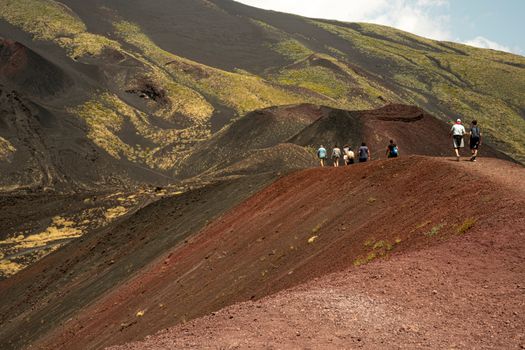
Personal Anecdote: I'll never forget the thrill of being on a boat off Stromboli at night. The sky was inky black, and every 10-20 minutes, a burst of red-orange lava would shoot into the air, followed by the faint rumble. It felt like watching Earth's heartbeat, a truly primal and beautiful experience. On Etna, hiking across the black, crunchy lava fields felt like walking on another planet, the distant snow-capped peak a stark contrast.
Practical Tips & Prices:
- Etna Tours: Cable car + jeep + guide tours typically cost €70-€100 per person. Guided trekking tours from the base can be €40-€60.
- Stromboli Boat Tours: Expect to pay €30-€60 for an evening cruise from Stromboli island or nearby islands like Lipari or Milazzo (Sicily).
- What to Pack (Etna): Very warm layers, waterproof jacket, sturdy hiking boots (can rent boots on site), hat, gloves. Even if it's mild at the base, it's cold and windy at elevation.
- What to Pack (Stromboli): If hiking, sturdy shoes, headlamp, water, layers. For boat tours, a warm jacket is essential.
- Operators: For Etna, look for local guides (e.g., Etna Experience, Etna Trekking). For Stromboli, local boat operators are plentiful on the Aeolian Islands.
5. Japan's Sacred Sentinels: Aso & Sakurajima
Japan, another country forged by fire, offers unique volcanic experiences that blend natural beauty with rich culture. Aso, a massive caldera, and Sakurajima, an active stratovolcano, are two prime examples.
What to Expect in December 2025: December in Japan can be chilly, especially in the mountains around Aso, potentially with snow. Kyushu generally has milder winters than Honshu.
- Mount Aso, Kyushu: One of the world's largest calderas, Aso is a vast volcanic complex. Its active Nakadake crater is the main draw.
- Crater Viewing: Depending on gas levels, you can often drive or take a shuttle bus right up to the Nakadake crater viewing platform. Witnessing the steaming, bubbling emerald green lake (when visible) and smelling the sulfur is an unforgettable experience. If gas levels are too high, alternative viewing points are available.
- Kusasenri-ga-hama: A stunning grassy plain with grazing horses and cattle, offering panoramic views of the caldera and Nakadake. It's a perfect spot for photos and a gentle walk.
- Aso Volcano Museum: Learn about the geology and history of Aso, providing context for your visit.
- Sakurajima, Kagoshima: This highly active stratovolcano across the bay from Kagoshima city is known for its frequent, smaller eruptions and ashfall.
- Ferry Ride & Observation Points: Take a short, scenic ferry ride from Kagoshima to Sakurajima. Numerous observation points on the island offer safe views of the erupting crater. The Arimura Lava Observatory, for example, is built on an old lava flow and provides excellent vantage points.
- Foot Baths & Ash Museum: Enjoy a volcanic foot bath (onsen) with views of the volcano. Visit the Sakurajima Visitor Center and Ash Museum to learn about the volcano's history and impact on local life.
- Kagoshima City Views: Even from Kagoshima city, you'll constantly see Sakurajima's plumes. It's a living, breathing backdrop to daily life.
Personal Anecdote: Standing at the Nakadake crater rim at Aso, the wind whipping past, the smell of sulfur in the air, and seeing that vibrant green lake bubbling away felt incredibly primal. It was a stark reminder of the Earth's constant, powerful activity. And in Kagoshima, watching Sakurajima puff away during breakfast was a surreal experience – a constant, gentle reminder that you're living on the edge of a giant.
Practical Tips & Prices:
- Aso Access: Renting a car is recommended for flexibility. Shuttle buses are also available from Aso Station. Entrance to the viewing areas for Nakadake might have a small fee or toll.
- Sakurajima Ferry: About ¥160 for a 15-minute ride.
- What to Pack: Layers (can be chilly and windy), comfortable walking shoes, rain jacket, and a hat/scarf for ash protection if visiting Sakurajima on an active day.
- Check Local Alerts: Always check the Japan Meteorological Agency (JMA) and local tourist information centers for the latest volcano warnings and access restrictions for both Aso and Sakurajima.
Essential Gear & Smart Planning for Your Volcanic Adventure
A successful volcano trip isn't just about picking the right destination; it's about being prepared. Here’s a quick rundown of what you’ll need:
- Sturdy Hiking Boots: Non-negotiable. Volcanic terrain is uneven, rocky, and often slippery.
- Layers, Layers, Layers: Weather can change rapidly, especially at altitude. Think moisture-wicking base layers, insulating mid-layers, and a waterproof/windproof outer shell.
- Headlamp/Flashlight: Crucial for pre-dawn hikes (Bromo, Ijen) and exploring lava tubes.
- Water & Snacks: Stay hydrated and energized.
- Sun Protection: Even on cloudy days, UV radiation is strong at higher altitudes. Hat, sunglasses, and high-SPF sunscreen.
- Camera Gear: Bring extra batteries (cold drains them faster!), a wide-angle lens for landscapes, and a telephoto for distant views. A tripod is great for night shots.
- Gas Mask: Essential for Ijen; some tours might provide them for other sites if needed. Confirm with your operator.
- Small Backpack: To carry your essentials.
- First-Aid Kit: Blister plasters, pain relievers, any personal medications.
- Travel Insurance: Seriously, don't leave home without it.
Booking Advice:
- Book Flights & Accommodation Early: Especially for December 2025, a popular travel month.
- Choose Reputable Operators: Look for companies with excellent safety records and certified guides. Read recent reviews!
- Be Flexible: Volcanic activity is unpredictable. Have a backup plan or be prepared for last-minute changes to itineraries.
Ready to Ignite Your Wanderlust?
Volcanoes are more than just geological features; they are living, breathing testaments to our planet's power and beauty. They offer unique landscapes, thrilling adventures, and a profound connection to the Earth beneath our feet. From the blue flames of Ijen to the steaming calderas of Hawaii, from Iceland's fiery heart to Italy's Mediterranean sentinels, and Japan's sacred peaks – these experiences are waiting for you in December 2025.
So, ditch the fear, embrace the awe, and start planning your safe, unforgettable volcano tour. Trust me, standing on the edge of a crater, feeling the Earth breathe, will be a memory you'll cherish forever.
Which fiery adventure will you choose first? Let me know in the comments below! And don't forget to share this guide with your fellow adventurers – because epic, safe travel is meant to be shared!
---
More pictures


Tags
Share this guide
We may earn a commission if you click a link and buy a product or service, at no extra cost to you. How affiliate links work.
Been there?