
Imagine exploring an entire country without ever buying a bus ticket or fumbling for train fare. This isn't a dream – it's a reality in several incredible destinations that have fundamentally reshaped how I experience the world, proving that some of the best things in travel truly are free. Get ready to discover the magic of ticketless travel and why it needs to be on your radar! ---
The Day I Stopped Fumbling for Change: How Free Public Transport Changed My Life Forever
I remember it like it was yesterday: standing at a bus stop in a bustling European city, fumbling through my wallet for the exact change, sweat beading on my forehead as the driver impatiently gestured. I missed that bus, then the next, all because of a simple ticket. That day, I vowed to find a better way to travel. Little did I know, a revolution was already underway, one that would transform my travel philosophy and open up a world of spontaneous, stress-free exploration: free public transportation.
For years, public transport was a necessary evil – a means to an end, often fraught with confusing ticket machines, escalating costs, and the constant anxiety of getting fined. But then I discovered destinations where the ride was on the house. And let me tell you, it wasn't just about saving a few euros; it was about liberation. It changed how I planned my days, how I interacted with cities, and how deeply I connected with local life. No more calculations, no more mad dashes for the last ticket office, no more budget constraints dictating my detours. Just hop on, hop off, and explore.
This isn't some futuristic fantasy; it's happening right now in some of the most charming and vibrant corners of our world. If you're ready to ditch the ticket woes and embrace a truly immersive, budget-friendly, and surprisingly sustainable way to travel, then buckle up. My journey through countries where public transport is genuinely free will inspire you to pack your bags and experience the ultimate freedom of the open road – without the road trip budget!
Luxembourg: The Grand Duchy of Ticketless Dreams
My first encounter with truly free nationwide public transport was in Luxembourg, and it felt nothing short of magical. On March 1, 2020, this tiny, wealthy Grand Duchy became the first country in the world to make all public transport – buses, trains, and trams – entirely free for everyone, residents and tourists alike. My jaw practically hit the floor when I first heard about it. Could it be true? Yes, absolutely.
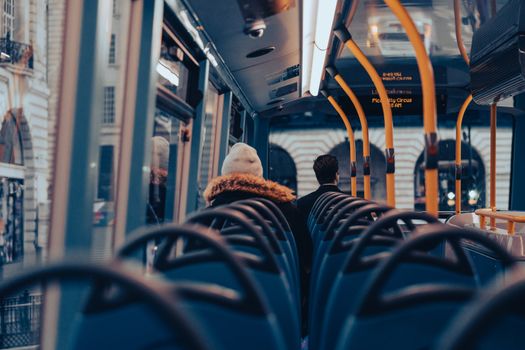
I arrived in Luxembourg City by train from Germany, half-expecting to buy a ticket for the city tram. But there were no ticket machines, no turnstiles, just open doors and friendly faces. I hopped on a sleek tram, gliding past modern architecture and historic fortresses, feeling an immediate sense of relief. It was like a weight had been lifted.
Personal Anecdote: I remember one afternoon, I decided to spontaneously visit Vianden Castle, a stunning medieval fortress in the north of the country. In any other European nation, this would involve researching ticket prices, buying a regional train ticket, and then likely a local bus ticket. In Luxembourg? I simply walked to the train station, boarded a train to Ettelbruck, and then hopped on a bus directly to Vianden. The entire journey, across the country, cost me exactly zero euros. I spent the money I saved on a delicious "Judd mat Gaardebounen" (smoked pork collar with broad beans) for lunch overlooking the castle. This freedom allowed me to be more adventurous, to explore beyond the capital without a second thought about cost or complexity.
Practical Tips for Luxembourg:
- Explore Beyond the Capital: Don't just stick to Luxembourg City. Take advantage of the free network to visit charming towns like Vianden, Echternach, or explore the Müllerthal region (Little Switzerland).
- Cross-Border Connections: While travel within Luxembourg is free, cross-border tickets to neighboring countries (Germany, France, Belgium) still need to be purchased from the border. However, once you're on Luxembourgish soil, your journey continues for free.
- Download the "Mobiliteit.lu" App: This app is incredibly useful for planning routes, checking real-time schedules, and ensuring you catch your connections, whether by bus, train, or tram.
Luxembourg isn't just a financial hub; it's a pioneer in sustainable, accessible travel, and experiencing its effortless transport system is a game-changer.
Malta: The Island Nation Where Your Ride is On Us (Almost!)
Malta, the sun-drenched archipelago in the heart of the Mediterranean, followed suit, making public transport free for all Tallinja card holders from October 2022. This might sound like a catch, but for tourists, it's incredibly easy to become a Tallinja card holder, making your entire stay virtually ticket-free once you've sorted out the initial card.
To truly benefit, visitors can purchase a "Tallinja Card" (e.g., a 7-day explore card) which offers unlimited travel for a flat fee. But here's the kicker: for those staying longer, or even just for a few days, getting a personalized Tallinja Card (which technically requires a Maltese address, but many guesthouses can help with this, or you can use a friend's) unlocks true free travel. Once you have a registered Tallinja card, all your subsequent rides are completely free. This system primarily aims to benefit residents, but the ripple effect on tourism is immense.
Personal Anecdote: I spent a week in Malta, staying in St. Julian's and exploring Valletta, Mdina, and the fishing village of Marsaxlokk. After getting my Tallinja card sorted (with a little help from my Airbnb host), the freedom was intoxicating. I'd wake up, check the bus schedule on the app, and just go. One evening, after a particularly delicious seafood dinner in Marsaxlokk, I realized I’d missed the last direct bus back to Valletta. No panic. I simply hopped on another bus heading towards a major interchange, knowing I could connect to any other bus without worrying about extra fares. This flexibility meant I could linger longer, explore side streets, and truly immerse myself without clock-watching or budget-stressing.
Practical Tips for Malta:
- Get a Tallinja Card: While a personalized card for truly free travel might require a bit more effort for short-term tourists, the "Explore Card" (7-day unlimited travel for a fixed price) is a fantastic alternative that makes all your rides feel free after the initial purchase.
- Download the Tallinja App: Essential for real-time bus tracking and route planning. Malta's bus network is extensive, connecting almost every corner of the islands.
- Be Patient: Maltese buses can sometimes run on "island time" and get crowded, especially during peak tourist season. But knowing you don't have to pay per ride makes the wait much more tolerable.
- Explore Gozo: While the ferry to Gozo isn't free, once you're on the sister island, the public transport system there also falls under the Tallinja card, offering free rides across Gozo too!
Malta's commitment to free public transport for its residents has created a wonderfully accessible and environmentally conscious travel experience for everyone.
Dunkirk, France: A Coastal City's Bold Move
Dunkirk, a port city in northern France perhaps best known for its pivotal role in WWII, has undergone a remarkable transformation. Since 2018, it has offered completely free public transportation for everyone, residents and visitors alike, 24/7. This initiative transformed the city, boosting local businesses, increasing social equity, and, of course, making it a fantastic destination for budget-conscious travelers.
I visited Dunkirk partly out of curiosity about this bold policy. I expected a functional, perhaps utilitarian system. What I found was a modern, clean, and incredibly efficient network of buses (DK'Bus) that truly made the city a joy to explore.
Personal Anecdote: My first day in Dunkirk, I took the bus from the train station directly to the beachfront. The beach itself is vast and beautiful, a stark contrast to the city's wartime history. Later, I used the bus to visit the superb Dunkirk 1940 Museum, and then spontaneously decided to check out the Fine Arts Museum. Each journey was seamless. I loved the feeling of just hopping on, finding a seat, and watching the city unfold outside the window, knowing that every single ride was part of the city's welcome. It completely eliminated the mental barrier of "is this trip worth the fare?" – leading to more exploration and less hesitation. I even took a bus just to see different neighborhoods, simply because I could.
Practical Tips for Dunkirk:
- Embrace Spontaneity: With free transport, you can afford to be spontaneous. See a park you like? Hop off. Want to check out a different restaurant district? Hop on.
- Route Planning: While you don't need tickets, it's still wise to use a mapping app (like Google Maps) to plan your routes and check bus times. The DK'Bus website is also very helpful.
- Explore the Beach: Take advantage of the free buses to reach Malo-les-Bains, Dunkirk's popular sandy beach, perfect for a stroll or some fresh air.
- Visit the Memorials: The Dunkirk 1940 Museum and the Operation Dynamo Memorial are easily accessible and offer profound insights into the city's history.
Dunkirk proves that free public transport isn't just for rich nations; it's a strategic investment in urban well-being and a fantastic model for other cities to follow.
Tallinn, Estonia: A Capital Leading the Way (for Residents)
Tallinn, the charming capital of Estonia, was a trailblazer in urban free public transport, making it free for its registered residents back in 2013. While this isn't directly free for tourists, its impact on the city's atmosphere and the broader public transport discourse is significant, and visitors can still experience the benefits indirectly.
The city's motivation was multifaceted: to encourage car-free commuting, reduce traffic congestion, and provide social support. The result is a highly efficient and well-utilized public transport system. As a visitor, you'll notice fewer cars on the road, less pollution, and a generally more relaxed urban environment. While tourists do need to purchase tickets (single tickets, day passes, or the Tallinn Card), the fact that so many locals use it means the system is robust, frequent, and well-maintained.
Personal Anecdote: During my visit to Tallinn, I purchased a Tallinn Card, which includes free public transport among other benefits. While not "free" in the same sense as Luxembourg, the feeling of unlimited rides once I had the card was similar. I remember chatting with a local on a tram heading towards Kadriorg Park. She explained how much she loved the free transport, especially in winter, and how it made her feel more connected to her city. It highlighted the social benefits beyond just the environmental ones. It also meant that buses and trams were never overly crowded with tourists fumbling for tickets, making for a smoother experience.
Practical Tips for Tallinn (as a visitor):
- Consider the Tallinn Card: If you plan to visit several attractions, the Tallinn Card is excellent value, offering free entry to museums and unlimited public transport.
- Embrace the System: Even if you're paying, Tallinn's public transport (trams, buses, trolleys) is incredibly efficient and easy to navigate. It's the best way to get around.
- Observe Local Life: Pay attention to how locals use the system. It's a great way to feel the pulse of the city.
Tallinn's bold move inspired many other cities globally and continues to demonstrate the viability and benefits of such policies.
The Ripple Effect: Other Notable Mentions and Emerging Trends
The movement towards free public transport isn't limited to these major examples. Many smaller towns and specific regions worldwide are experimenting with similar initiatives, proving that the concept is gaining traction.
- Aubagne, France: This town near Marseille has had free public transport since 2009, long before Dunkirk.
- Hasselt, Belgium: Once offered completely free public transport for years, though it has since re-introduced fares for non-residents. Its early success, however, served as a powerful case study.
- Various University Towns: Many university towns or specific campuses offer free shuttle services or even city-wide free transport for students, which can extend to visitors during off-peak times or specific events.
- Resort Areas: Some ski resorts or national parks offer free shuttle buses to reduce traffic congestion and environmental impact. Think places like Zion National Park in the USA, or many Alpine villages during peak season.
The trend is clear: cities and regions are increasingly recognizing the environmental, social, and economic benefits of making public transport free or highly subsidized. It's a win for sustainability, a win for social equity, and, crucially for us travelers, a massive win for budget and convenience.
Why Free Public Transport Is a Game Changer for Travelers (and the World)
Beyond the obvious financial savings, experiencing destinations with free public transport offers profound benefits:
- Unleashed Spontaneity: No more calculating fares or wondering if a quick detour is "worth it." See something interesting? Hop off! Want to explore a neighborhood you hadn't planned? Hop on! It encourages genuine, unscripted exploration.
- Deeper Immersion: You're not just a tourist; you're part of the daily rhythm of the city. You're riding alongside locals going about their lives, gaining a more authentic perspective than you ever would from a tour bus or taxi.
- Stress-Free Navigation: The mental load of figuring out ticket zones, validating passes, and worrying about fines completely disappears. This frees up mental energy to focus on enjoying your surroundings.
- Environmental Impact: By encouraging people away from private cars, free public transport significantly reduces carbon emissions and urban congestion, contributing to more sustainable travel.
- Budget Freedom: The money saved on transportation can be reallocated to experiences – a nicer meal, a unique souvenir, an extra museum visit, or even extending your trip. It makes travel more accessible for everyone.
- Social Equity: It democratizes access to the city for all residents, regardless of income, making cities more inclusive and vibrant. As a visitor, you benefit from a city designed for its people.
Your Next Adventure: Embracing the Freedom
My encounters with free public transport have genuinely changed my life forever. They transformed my perspective on urban exploration, proving that travel can be both profoundly enriching and remarkably affordable. It's about more than just a free ride; it's about a philosophy of open access, community, and sustainable living that resonates deeply with the spirit of true travel.
So, as you plan your next adventure, consider adding one of these pioneering destinations to your itinerary. Experience the unparalleled freedom of hopping on a bus, tram, or train, knowing your journey is already paid for. It's a travel hack that goes beyond saving money – it saves your sanity and opens your heart to new possibilities.
Ready to experience this liberation for yourself? Which country will be your first ticketless adventure? Share your thoughts and tell me where you're headed in the comments below! Let's inspire each other to explore the world, one free ride at a time.
---
More pictures
Tags
Share this guide
We may earn a commission if you click a link and buy a product or service, at no extra cost to you. How affiliate links work.
Been there?