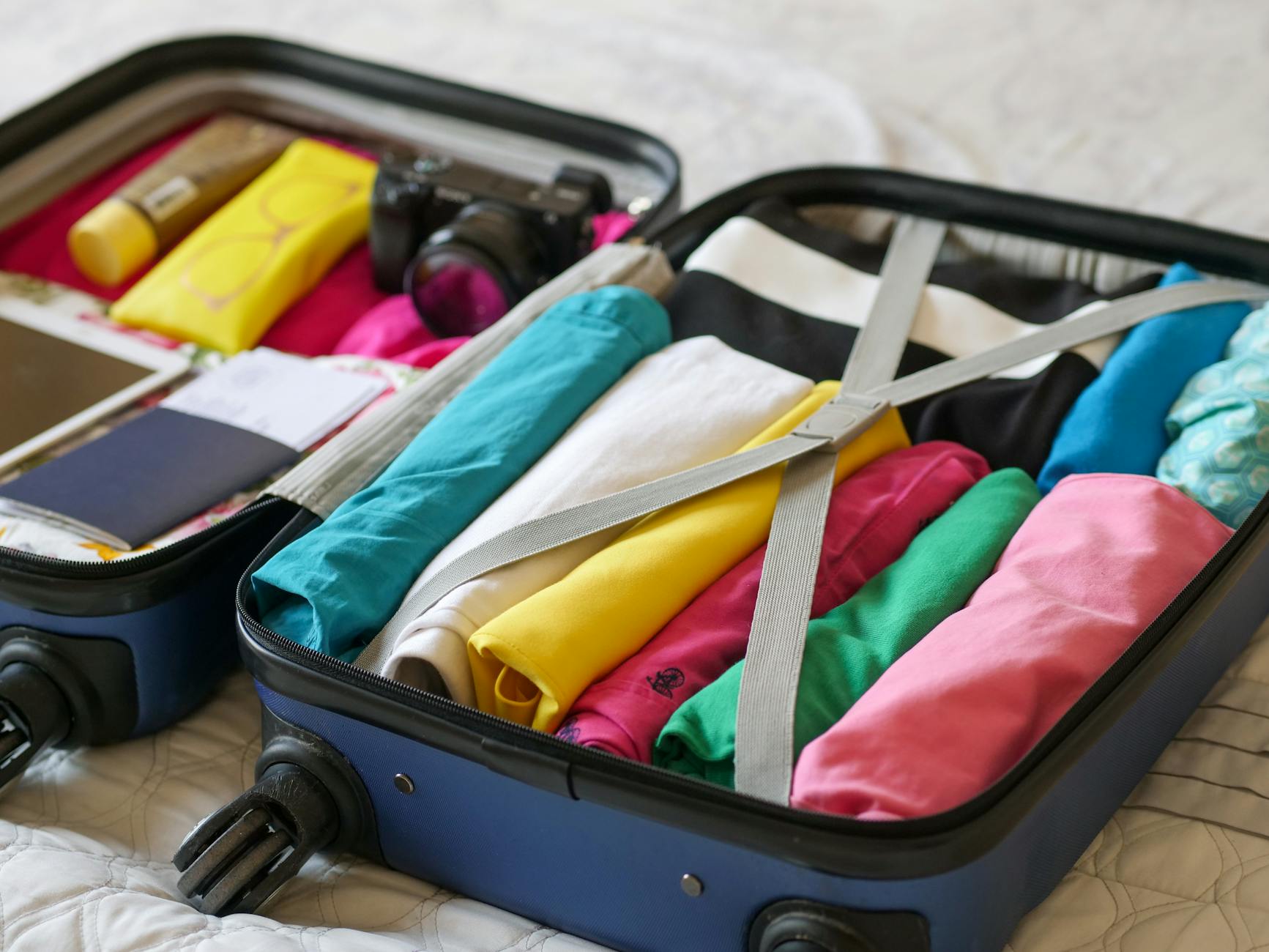
Ever wonder how those Instagram families look so perfect while traveling, yet you're drowning in luggage? We're pulling back the curtain on the *real* family travel gear that makes a difference, the stuff worth its weight in gold – and luggage space. Get ready to ditch the fluff and pack smart for your next adventure.
Family Travel Gear: The Unsung Heroes Instagram Influencers Don't Want You To Know (Because They're Not "Pretty")
Let's be real for a second. We've all scrolled through Instagram, admiring those picture-perfect families traipsing through ancient ruins or lounging on pristine beaches, their kids looking angelic, their luggage seemingly non-existent. You see the curated outfits, the designer strollers, the matching swimsuits, and think, "How do they do it?"
Well, I'm here to tell you a secret: they're probably hiding the real MVPs in their carry-ons, or they're just phenomenal at editing out the chaos (and the essential, but not-so-glamorous, gear). As a seasoned family traveler with two adventurous little humans, I’ve learned the hard way that the most Instagrammable gear often isn't the most practical.
My first big international trip with my then-toddler and infant twins to Southeast Asia was a masterclass in what not to do. I packed according to every "stylish travel mama" blog, prioritizing cute outfits and lightweight accessories. The reality? We spent more time battling meltdowns over lost pacifiers, struggling to feed hungry kids in cramped spaces, and trying to coax sleep in brightly lit hotel rooms than we did enjoying the vibrant culture of Thailand. By the time we hit Krabi, I was ready to trade my chic rattan bag for a giant fanny pack filled with industrial-strength wipes and a portable blender.
That trip was a turning point. It taught me that while looking good is nice, feeling good and being prepared is paramount when traveling with kids. And sometimes, the gear that makes you feel good isn't a trendy accessory – it's a practical, often bulky, but absolutely essential item that saves your sanity, time, and money.
So, forget the aesthetic perfection for a moment. Let's talk about the unsung heroes of family travel, the gear that justifies every precious inch of luggage space, and why you'll wonder how you ever traveled without them.
1. The Unsung Hero of Transit: The Portable Activity Station & Snack Tray
Why it's a Game Changer: Picture this: you're on a long-haul flight to Rome, a high-speed train through Japan, or stuck in a traffic jam en route to a national park. Your little one is bored, toys are rolling under seats, and snacks are crumbling everywhere. Enter the portable activity station. These aren't just glorified lap desks; they're command centers for tiny travelers.
They provide a contained, stable surface for drawing, playing with small toys, or eating snacks, preventing items from falling and keeping your child engaged. Most are soft-sided, often with raised edges or pockets for storage, and can be strapped around a car seat, stroller, or even a plane tray table.
Our Story: On a 10-hour flight to Tokyo with our then 4-year-old, this tray was our salvation. Instead of losing crayons under the seat every five minutes, she had her own little workstation. She drew, played with magnetic puzzles, and even ate her airplane meal without making a colossal mess. We even used it in a tiny ramen shop in Shinjuku while waiting for our food, keeping her occupied and preventing chopstick-related incidents.
Practical Tips:
- Look for soft-sided options: They're lighter and more flexible for packing.
- Check for storage pockets: Great for crayons, small books, or a water bottle.
- Ensure it has adjustable straps: For universal fit on car seats, strollers, or laps.
- Consider a waterproof surface: For easy cleaning of spills.
Specifics: You can find these on Amazon or at major baby retailers for $25-$50. Brands like DMoose, Lusso Gear, or even generic travel trays work wonders. They often fold flat or roll up, taking up surprisingly little space for the peace of mind they offer.
2. Sleep Saviors: Blackout Blinds & Portable White Noise Machine
Why they're Essential: One of the biggest challenges of family travel is maintaining a sleep schedule, especially across time zones or in unfamiliar environments. Hotel curtains are notoriously terrible at blocking light, and new sounds can easily disturb sensitive sleepers. These two items are the dynamic duo for creating a consistent sleep environment anywhere.
A dark room signals sleep, helping to regulate melatonin and combat jet lag. A white noise machine drowns out unfamiliar hotel noises – loud neighbors, street traffic, even the hum of the AC – providing a comforting, consistent sound that mimics the womb for infants and helps older kids settle down.
Our Story: We once booked a charming (but poorly curtained) Airbnb in Paris, overlooking a bustling street. Our 6-month-old, usually a champ sleeper, was waking every hour. Desperate, we pulled out our travel blackout blinds (the suction-cup kind!) and our portable white noise machine. Within minutes, the room was cave-like, and the gentle hum blocked out the Parisian nightlife. He slept a solid 8 hours, and so did we. It’s been a non-negotiable ever since, saving us from countless early morning sunrises and noisy hotel neighbours from Santorini to Sydney.
Practical Tips:
- Blackout Blinds: Opt for suction cup models (like Sleepout or Gro Anywhere) that are easy to put up and take down, and pack flat.
- White Noise Machine: Look for battery-operated or USB-rechargeable models with multiple sound options and a timer. Brands like Hatch Rest Go, Rohm, or the classic Marpac Dohm are popular.
- Test at home: Practice setting them up before your trip.
- Pack extra batteries/charging cables: Just in case!
Specifics: Travel blackout blinds range from $30-$70, while portable white noise machines are typically $20-$50. They both take up minimal space but deliver maximum impact on your family's rest.
3. The Hydration & Snack Command Center: Reusable Pouches & Collapsible Containers
Why they're Worth the Space: Travel snacks and drinks are notoriously expensive, especially at airports, theme parks, or tourist attractions. Plus, finding healthy, kid-friendly options can be a nightmare. Packing your own saves money, reduces waste, and ensures your kids have access to familiar, nutritious fuel.
Reusable food pouches are fantastic for homemade purees, yogurt, or smoothies, especially for babies and toddlers. Collapsible silicone cups and bowls are perfect for fruit, crackers, cereal, or even packing leftovers from a restaurant. They save a surprising amount of space when empty.
Our Story: Our trip to Disney World in Orlando would have cost us a fortune in snacks alone if we hadn't come prepared. We filled reusable pouches with homemade fruit and veggie purees for our youngest and packed collapsible containers with grapes, pretzels, and cheese sticks for our older child. We refilled our water bottles at fountains throughout the park. Not only did we save hundreds of dollars, but we avoided sugar crashes and meltdowns from hungry kids waiting in line. Plus, it felt good to generate less waste!
Practical Tips:
- Choose silicone: It's durable, easy to clean, and rolls/folds down small.
- Look for leak-proof designs: Especially for pouches and drink containers.
- Pack a small brush for cleaning pouches: Or just rinse thoroughly and wash properly at your accommodation.
- Consider a small cooler bag: For keeping perishables fresh on day trips.
Specifics: A set of reusable food pouches costs around $15-$30, and collapsible silicone containers are $10-$25 each. They weigh next to nothing and are invaluable for keeping little tummies happy and budgets intact.
4. Safety & Sanity in Unfamiliar Territory: Portable Door Locks & First-Aid Mini-Kit
Why they Provide Peace of Mind: When you're staying in hotels, Airbnbs, or even guest rooms, the standard lock might not feel secure enough, especially with curious little hands. A portable door lock offers an extra layer of security, giving you peace of mind while you sleep or if you're briefly in another room.
And a comprehensive first-aid kit, beyond just a few band-aids, is absolutely non-negotiable. Scrapes, bumps, fevers, insect bites, and allergic reactions don't take vacations. Having the right supplies immediately available can prevent minor incidents from escalating into major travel disruptions.
Our Story: We once stayed in an Airbnb in Rome where the front door lock felt a bit flimsy. Our portable door lock gave us immense peace of mind, allowing us to sleep soundly. On another adventure, hiking through a lush Costa Rican rainforest, our daughter slipped and got a nasty scrape. Our mini-kit had antiseptic wipes, sterile bandages, and even a small tube of pain relief cream, turning a potential panic moment into a quickly managed boo-boo, letting us continue our adventure without a trip to an unfamiliar pharmacy.
Practical Tips:
- Portable Door Lock: Look for simple, sturdy devices that don't require tools to install (e.g., addalock, door jammer). Test it on your home door first.
- First-Aid Kit:
- Beyond basics: Include children's pain relievers (acetaminophen/ibuprofen), allergy medicine, anti-diarrhea medicine (for adults and children if appropriate), hydrocortisone cream, antiseptic wipes, various bandage sizes, gauze, medical tape, tweezers, thermometer, and any prescription medications your family needs.
- Small and organized: Use a compact, waterproof pouch with clear compartments.
- Know your doses: Write down common dosages for your children's weight/age.
- Check expiry dates: Before each trip.
Specifics: Portable door locks are around $15-$25. A well-stocked, compact family first-aid kit can be assembled for $30-$50 (or you can buy pre-made kits and customize). These items are small but deliver huge returns in terms of safety and calm.
5. The "Just In Case" MVPs: Packable Daypack & Universal Car Seat Adapter
Why They're Indispensable: A good daypack is like the Swiss Army knife of family travel. It's your go-bag for excursions, an extra shopping bag, a laundry hamper, or even an emergency carry-on if your main luggage gets delayed. A packable one folds down to almost nothing when not in use, making it incredibly versatile.
A universal car seat adapter, on the other hand, is a niche but critical item for families with young children. Renting cars abroad often means dealing with unfamiliar car seat models or prohibitive rental fees. Having an adapter that lets you securely install your familiar car seat into almost any vehicle's LATCH/ISOFIX system can be a lifesaver, ensuring safety and avoiding logistical nightmares.
Our Story: We were exploring the vibrant markets of Marrakech, Morocco, and suddenly decided on a spontaneous day trip to the Atlas Mountains. Our packable daypack was quickly unpacked from our main luggage, filled with water, snacks, extra layers, and our camera gear. It endured dusty trails and crowded souks, proving its worth tenfold.
On another trip to rural Portugal, our pre-booked rental car had a car seat that didn't feel quite right. Thankfully, we had our universal adapter, which allowed us to securely install our own travel car seat, giving us peace of mind for those winding country roads. It took up a bit of space, but knowing our child was safe was priceless.
Practical Tips:
- Packable Daypack: Look for lightweight, ripstop nylon material, comfortable straps, and a decent capacity (15-25 liters). Brands like Osprey, Matador, or Decathlon offer great options.
- Universal Car Seat Adapter: Research compatibility with your specific car seat and the car models you're likely to encounter. These are less common than other items, so plan ahead.
Specifics: A quality packable daypack is typically $30-$70. Universal car seat adapters can vary widely, but expect to pay $50-$100+ for a reliable model. Both are investments in flexibility and safety.
6. Tech for Tranquility (Not Just Entertainment): Portable Monitor & GPS Tracker
Why they're Smart Investments: While we often think of screens for entertainment, some tech gadgets are purely for parental peace of mind. A portable baby monitor (often just the camera and your phone as the receiver) allows you to enjoy a quiet meal on the hotel balcony or relax in the living room of an Airbnb while your little ones sleep soundly in another room. No more tiptoeing in every five minutes!
GPS trackers (like Apple AirTags or Tile) are invaluable for keeping tabs on luggage, especially with multiple bags, or even attaching to a child's backpack or jacket in crowded places. This isn't about tracking your child's every move, but providing a safety net in a bustling airport or a packed theme park.
Our Story: In Santorini, Greece, we stayed in a beautiful villa with a breathtaking caldera view. Our baby was sleeping in the bedroom, and our portable monitor allowed us to enjoy a romantic dinner on the balcony, soaking in the sunset without constant worry. It felt like a true vacation, not just a change of scenery with kids.
On a family trip to London, navigating the Tube with two kids and multiple bags, we accidentally left one of our carry-ons on a train. Thanks to an AirTag inside, we were able to track it to the next station and retrieve it within an hour, avoiding a major travel nightmare. We also put one in our older child's small backpack when visiting the British Museum, just for that extra layer of reassurance in a very crowded space.
Practical Tips:
- Portable Monitor: Look for models with good range, night vision, and easy setup. Many use Wi-Fi, so ensure your accommodation has reliable internet.
- GPS Tracker: AirTags are great for Apple users, Tile is cross-platform. Ensure they are securely attached and have a fresh battery.
- Discuss with older kids: If using for them, explain it's a safety measure, not a surveillance tool.
Specifics: Portable baby monitors range from $50-$150. GPS trackers like AirTags or Tiles are typically $25-$35 each. These are small, but the peace of mind they offer is immeasurable.
Ditch the Fluff, Embrace the Practical!
Traveling with family is an incredible adventure, but it's also a logistical puzzle. The "perfect" travel gear isn't always what looks best in a sponsored post. It's the stuff that solves real problems, saves you money, and helps you create genuine, stress-free memories.
So, next time you're packing, remember these unsung heroes. They might not get the most likes on Instagram, but they'll be the reason you're actually enjoying your trip, not just surviving it. They justify every single inch of luggage space and are truly the family travel secrets Instagram influencers won't share – because they're too busy posing with their perfectly curated (and probably empty) designer bags.
What are your unsung family travel gear heroes? Share them in the comments below! Let's build a community of smart, practical family travelers who prioritize sanity over aesthetics.
---
More pictures


Tags
Share this guide
We may earn a commission if you click a link and buy a product or service, at no extra cost to you. How affiliate links work.
Been there?