
Remember that soul-crushing nine-to-five that left you dreaming of distant lands? I was there. This isn't just a story; it's your blueprint for escaping the ordinary, finding jobs that fund your adventures, and ultimately, changing your life forever. ---
The fluorescent hum of my office building used to be the soundtrack to my life. Every Monday, the same stale coffee, the same endless emails, the same yearning for a world beyond my cubicle walls. I’d scroll through Instagram, seeing friends hike Machu Picchu, dive in Thailand, or sip espresso in Rome, and a pang of envy, mixed with a deep, aching desire, would hit me. "How do they do it?" I'd wonder, convinced that a life of perpetual travel was a luxury reserved for the impossibly rich or the incredibly lucky.
Then, one rainy Tuesday, staring at a spreadsheet that seemed to mock my very existence, something clicked. What if I wasn't waiting for luck? What if I could create my own luck? What if there were actual, legitimate jobs that paid you to travel the world? That thought, initially a whisper, grew into a roar. Fast forward five years, and I’m writing this from a hammock overlooking the turquoise waters of the Andaman Sea, having just finished a freelance assignment that funded my flight here. My life isn't just different; it's a kaleidoscopic tapestry of places, people, and experiences I once only dreamed of.
This isn't a fairy tale; it's a testament to the power of a decision and the incredible opportunities that exist if you know where to look. If you're tired of the mundane and ready to trade your daily commute for a daily adventure, buckle up. I'm about to share the jobs that not only paid for my travels but fundamentally changed my life, along with practical tips to help you start your own journey.
From Desk to Digital: Embracing the Nomad Life
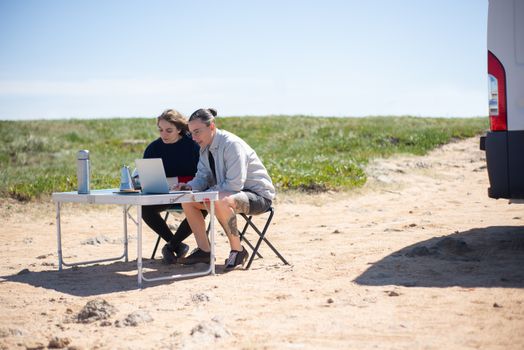
My first real taste of combining work and travel came through the digital nomad lifestyle. The idea of working from anywhere with a laptop and an internet connection seemed too good to be true, but it quickly became my reality. I started as a freelance content writer, leveraging my writing skills to create articles, blog posts, and website copy for clients around the globe.
My Story: I remember my first "office" as a digital nomad: a bustling cafe in Chiang Mai, Thailand, surrounded by fellow remote workers. The aroma of freshly brewed coffee mixed with the distant chatter of Thai street vendors. It was exhilarating, but also a steep learning curve. I spent hours building my portfolio, pitching clients on platforms like Upwork and Fiverr, and learning the ropes of SEO. There were days of spotty internet in remote villages and the occasional client who disappeared mid-project, but the freedom was intoxicating. I learned to manage my time, set my own rates, and most importantly, trust my ability to create a sustainable income while exploring new cultures. My income initially hovered around $1,500-$2,000 USD per month, which was more than enough to live comfortably and travel extensively in Southeast Asia.
Practical Tips for Aspiring Digital Nomads:
- Identify Your Niche: What skills do you already have that can be done remotely? Writing, graphic design, web development, virtual assistant, social media management, online tutoring, coding, marketing – the list is endless.
- Build a Portfolio: Even if you don't have paid experience, create sample work. Offer services for free or at a reduced rate to build testimonials.
- Find Platforms: Websites like Upwork, Fiverr, Freelancer, and Contently are great starting points for finding clients. Don't underestimate LinkedIn for networking.
- Invest in Equipment: A reliable laptop, a good headset, and a stable internet connection are your lifelines. Consider a portable Wi-Fi hotspot.
- Master Time Management: The freedom can be overwhelming. Set a schedule, use productivity tools (Trello, Asana), and learn to separate work from leisure.
- Join Communities: Digital nomad groups on Facebook (e.g., "Digital Nomads Around The World") offer invaluable advice, support, and networking opportunities. Look for co-working spaces in popular nomad hubs like Bali (e.g., Dojo Bali, average $100/month for unlimited access) or Lisbon (e.g., Second Home Lisboa).
The Global Classroom: Teaching English Abroad
After a year of freelancing, I craved a deeper cultural immersion and a more structured way to live abroad. Teaching English seemed like the perfect solution. It's one of the most accessible and in-demand travel jobs, offering a unique opportunity to live like a local and make a real difference.
My Story: My journey took me to Hanoi, Vietnam. I completed an in-person TEFL (Teaching English as a Foreign Language) certification course in Ho Chi Minh City, which cost around $1,200 USD and included job placement assistance. Within weeks, I was standing in front of a class of enthusiastic Vietnamese students, teaching them about irregular verbs and past tenses. The initial nervousness quickly faded into genuine joy. I learned about Vietnamese culture through my students, explored ancient temples, savored incredible street food (Bún chả for days!), and made lifelong friends with fellow expat teachers. My salary was roughly $1,200-$1,800 USD per month, which allowed me to rent a comfortable apartment, eat out regularly, and save enough for regional trips to places like Ha Long Bay and Cambodia.
Practical Tips for Teaching English Abroad:
- Get Certified: A TEFL, TESOL, or CELTA certificate is almost always required. Online courses (like International TEFL Academy, typically $1,000-$1,500) are convenient, but in-person courses offer practical teaching experience.
- Research Destinations: Popular countries include South Korea, Japan, China, Vietnam, Thailand, Spain, and various countries in Latin America. Salaries, cost of living, and visa requirements vary significantly.
- Meet Requirements: Most countries require a bachelor's degree (in any field) and a passport from a native English-speaking country.
- Prepare for Culture Shock: Be open-minded, patient, and eager to learn. Language barriers and cultural differences are part of the experience.
- Network with Other Teachers: Expat communities are a fantastic resource for advice, social connections, and job leads.
Adventure & Hospitality: Working on the Move
Sometimes, you want a job that’s less about screen time and more about hands-on experience, meeting people, and being physically active. This is where adventure and hospitality jobs shine.
My Story: While exploring Portugal, I found myself running low on funds but not on wanderlust. I stumbled upon a hostel in Lisbon looking for a receptionist who could help with social media. I traded a few hours of work each day for free accommodation, breakfast, and the chance to live in one of Europe's most vibrant cities. It was an incredible experience! I learned Portuguese phrases from guests, led pub crawls, and discovered hidden fado bars. The 'payment' wasn't monetary, but the savings on accommodation (easily $500-$800 USD/month in Lisbon) meant I could extend my travels indefinitely.
Later, I met a dive instructor in Koh Lanta, Thailand, who told me about his life. He’d done his PADI Divemaster course (around $1,000-$2,000 USD) and was now getting paid to guide dives in some of the world's most beautiful reefs. Another friend worked on a superyacht in the Mediterranean, earning excellent money (often $2,000-$5,000+ per month plus tips) while sailing to glamorous destinations. These stories showed me the vast spectrum of possibilities beyond traditional jobs.
Practical Tips for Adventure & Hospitality Jobs:
- Hostel Work/Work Exchange: Websites like Worldpackers and Workaway connect travelers with hosts offering free accommodation and sometimes meals in exchange for a few hours of work (reception, cleaning, social media, gardening).
- Dive Instructor: If you love the ocean, get your PADI Divemaster or Instructor certification. Demand is high in popular diving destinations like Thailand, Indonesia, Egypt, and the Caribbean.
- Yacht Crew: Look for entry-level positions like deckhand or steward/stewardess. You'll need certifications like STCW (Basic Safety Training, around $1,000-$2,000) and often a cooking or hospitality background. Websites like Yacrew.com or the Facebook group "Yacht Crew Jobs" are good starting points.
- Tour Guide: If you have deep knowledge of a specific region or a knack for storytelling, local tour companies often hire seasonal guides.
- Ski Instructor/Lift Operator: Head to ski resorts in places like the Alps, Rockies, or New Zealand during their winter seasons.
The Creative Explorer: Travel Blogging & Photography
This is where my journey truly intertwined my passion with my profession. Tripsora, the very platform you're reading this on, started as a personal blog to document my adventures. Over time, it evolved into a significant source of income and a gateway to incredible opportunities.
My Story: My first year of blogging was a labor of love, fueled by instant noodles and unwavering belief. I spent countless hours learning about SEO, photography, social media marketing, and content strategy. I wrote about my experiences teaching in Vietnam, my digital nomad life in Thailand, and my hostel adventures in Portugal. My camera became an extension of my arm, capturing the vibrant streetscapes, breathtaking landscapes, and heartwarming smiles I encountered.
The turning point came when a small boutique hotel in Bali offered me free accommodation in exchange for a blog post and Instagram coverage. It was a modest start, but it proved that my content had value. From there, I began collaborating with tourism boards, travel gear brands, and tour operators, creating sponsored content that authentically showcased their offerings. I also monetized through affiliate marketing (recommending products I genuinely use) and display advertising. My income is now highly variable, ranging from $2,500 to $5,000+ USD per month, depending on collaborations and ad revenue. This allows me to choose my destinations and focus on creating impactful content.
Practical Tips for Travel Bloggers & Photographers:
- Find Your Niche: Don't just be "a travel blogger." Be "a budget travel blogger for solo female travelers in Asia" or "an adventure photographer focusing on sustainable travel."
- Create High-Quality Content: Invest in a good camera (a mirrorless like a Sony A6000 or Fuji XT-30 is a great start) and learn basic photography and video editing. Write engaging, informative, and SEO-optimized posts.
- Build Your Platform: Start a blog (WordPress is popular), and establish a strong presence on relevant social media channels (Instagram, Pinterest, TikTok).
- Learn SEO: Understanding how to rank on Google is crucial for organic traffic. Tools like Keysearch or Ahrefs can help.
- Network: Connect with other bloggers, photographers, and travel brands. Attend industry events (online or in-person).
- Diversify Income Streams: Don't put all your eggs in one basket. Explore affiliate marketing, display ads, sponsored content, selling prints, or offering photography services.
- Be Patient and Persistent: Building a successful travel blog or photography business takes time, dedication, and resilience.
Beyond the Horizon: Unique & Unconventional Travel Jobs
The world is full of possibilities if you're willing to think outside the box. Some jobs might not be permanent career paths, but they offer incredible opportunities for extended travel and unique experiences.
My Story: While volunteering at a cultural exchange program in Peru, I met a woman who was an au pair for a French family in Paris. She lived with them, helped with childcare, and in return, received free room and board, a small stipend (around €300-€500 per month), and ample time to explore the city and learn French. Her Instagram feed was filled with pictures of croissants by the Eiffel Tower and weekend trips to the South of France. It sounded like an incredible way to immerse herself in a new culture without the burden of high living costs.
Another friend is a flight attendant for a major international airline. Her job comes with incredible perks: heavily discounted flights for herself and family, layovers in exotic cities, and a front-row seat to the world. She often has 24-48 hour layovers in places like Tokyo, Dubai, or Rio de Janeiro, giving her just enough time to explore before her next flight. The training is rigorous, but the lifestyle is unparalleled for a travel lover.
Practical Tips for Unique Travel Jobs:
- Au Pair: Agencies like AuPairWorld or Cultural Care Au Pair connect you with families abroad. Requirements typically include childcare experience, a clean driving record, and a genuine interest in cultural exchange.
- Flight Attendant/Cabin Crew: Research major airlines and their hiring requirements. Be prepared for extensive training, a demanding schedule, and a lot of time away from home.
- Cruise Ship Crew: From entertainment staff to bartenders, chefs, and retail assistants, cruise ships offer a wide range of roles. You'll work long hours but get to see many destinations and save money as living expenses are covered. Websites like CruiseShipJob.com are a good starting point.
- Remote Customer Service/Tech Support: Many companies now hire remote customer service representatives, allowing you to work from anywhere with a stable internet connection.
- Seasonal Park Ranger/Field Research Assistant: For nature lovers, national parks and conservation organizations worldwide often hire seasonal staff for various roles, from guiding to maintenance or data collection.
The Mindset Shift: Your Greatest Travel Tool
Embarking on a life that pays you to travel isn't just about finding the right job; it's about cultivating the right mindset. It requires courage, adaptability, resilience, and an unwavering belief in your dreams. There will be challenges – visa hurdles, language barriers, moments of loneliness, and the occasional bout of homesickness. But every single one of those challenges is a stepping stone to growth, to a deeper understanding of yourself and the world.
My life isn't perfect, but it's mine. I've swapped the mundane for the magnificent, the predictable for the profound. I've learned that true wealth isn't measured in possessions, but in experiences, connections, and the freedom to chase the sun wherever it leads.
You don't need to be rich, or young, or fearless to start. You just need to be willing to take that first step, to believe that a different life is possible, and to actively seek out the opportunities that await you. Your office view could be a bustling marketplace in Marrakech, a serene beach in the Philippines, or the snow-capped peaks of Patagonia. What's stopping you from making it a reality?
What jobs are you dreaming of to fund your travels? Share your aspirations and questions in the comments below – let's inspire each other to live a life less ordinary!
---
More pictures




Tags
Share this guide
We may earn a commission if you click a link and buy a product or service, at no extra cost to you. How affiliate links work.
Been there?