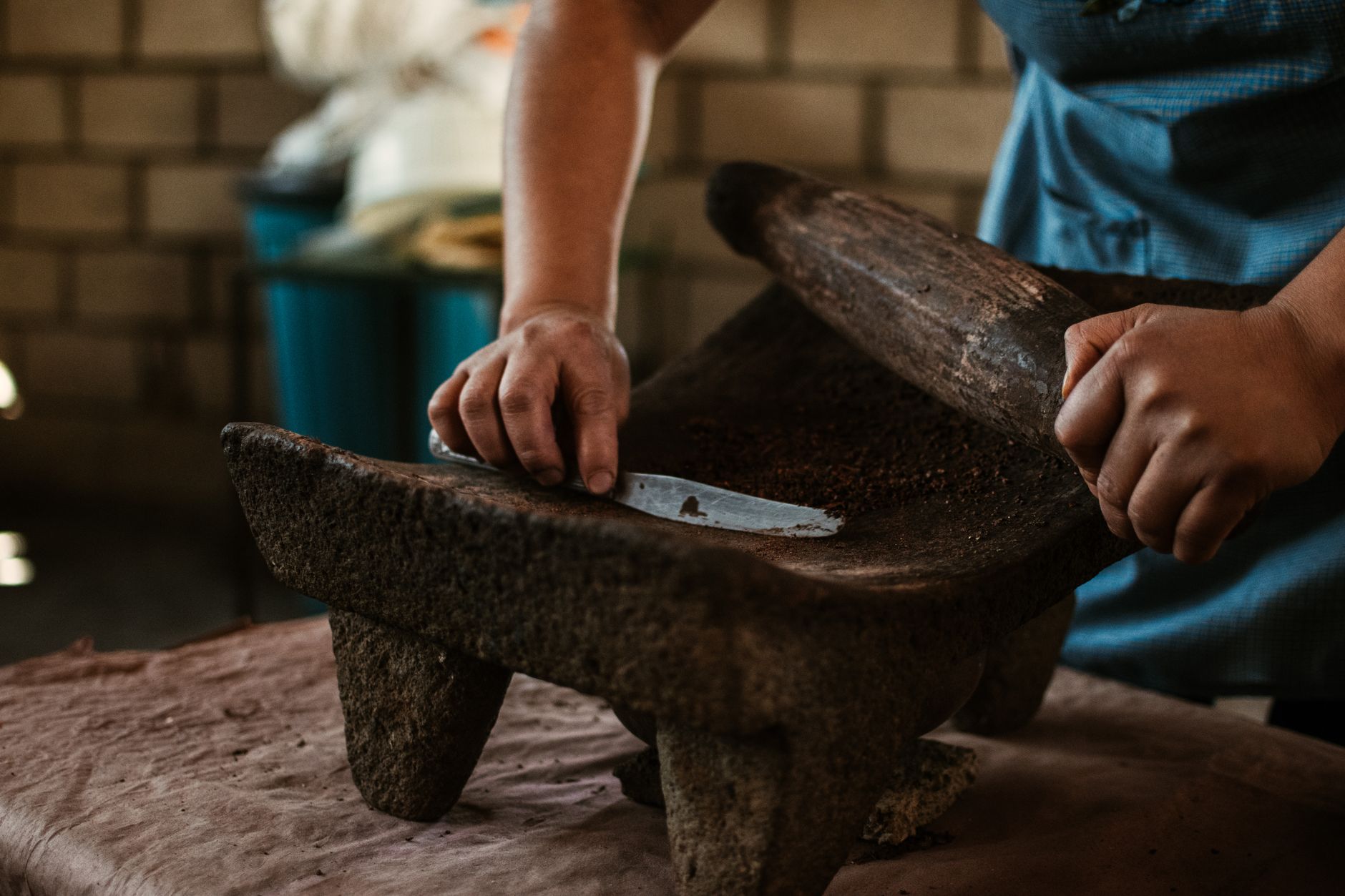
Forget passive sightseeing – it's time to get your hands dirty and connect with cultures on a deeper level. This guide unveils incredible artisan workshops around the globe where you can learn ancient crafts, create lasting memories, and bring home more than just a souvenir. Prepare to transform your travels and your perspective! ---
Master Ancient Crafts: Your Bucket List of Artisan Workshops You Need to Experience Before You Die
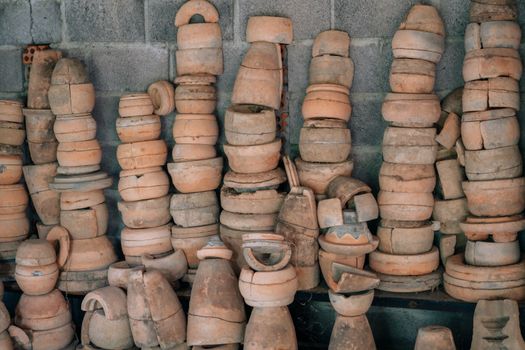
I remember the first time I truly made something on my travels. It wasn't a snap decision; it was born from a desire to go beyond the postcard-perfect photo ops and truly understand a culture. I was in a small village nestled in the Atlas Mountains of Morocco, and the air hummed with the quiet rhythm of daily life. My guide, a man whose hands told stories of generations, led me to a humble pottery studio. The smell of damp clay and woodsmoke hung heavy, and there, amidst stacks of unglazed tagines and vibrant ceramics, sat an old man, his eyes crinkling as he greeted me.
He didn't speak much English, and my Berber was non-existent, but through gestures and a shared smile, he invited me to sit at his kick-wheel. My first attempts were disastrous – lumps of clay wobbling, collapsing, or flying off the wheel entirely. But with his gentle, patient guidance, hand-over-hand, I slowly, painstakingly, coaxed a wobbly bowl into existence. It wasn't perfect, far from it, but as I held that uneven, earthy vessel in my hands, a profound sense of accomplishment washed over me. It wasn't just a bowl; it was a tangible piece of Morocco, a memory etched not just in my mind, but in the very fibers of my being.
That single experience sparked an obsession. Now, whenever I travel, I seek out those hidden studios, those quiet workshops, those places where ancient crafts are not just preserved, but actively taught. Because there's a magic in creating, a deep satisfaction in using your hands to bring something beautiful into the world, especially when that beauty carries the weight of history and tradition.
This isn't just about making a pretty trinket; it’s about connecting. It’s about understanding the patience, the skill, and the stories behind the objects we often take for granted. It’s about slowing down, unplugging, and immersing yourself in a craft that has been passed down through generations. And trust me, these are the travel experiences that stay with you long after your tan fades.
So, if you’re ready to trade your tourist map for a craftsman’s apron, join me on a journey to discover some of the most incredible artisan workshops around the world where you can learn ancient crafts that will enrich your soul and your travel memories.
The Magic of Making: Why Hands-On Travel Matters More Than Ever
In an increasingly digital world, the act of creation with your own hands feels like a revolutionary act. It’s a sensory experience that engages all your senses – the smell of clay, the texture of raw wool, the clang of metal, the vibrant hues of natural dyes, the taste of freshly made pasta. This isn't just a travel trend; it's a fundamental human desire to connect, to learn, and to leave a piece of yourself behind while taking a piece of the world with you.
Why should you add artisan workshops to your travel itinerary?
- Deeper Cultural Immersion: You're not just observing; you're participating. You're learning about local history, traditions, and values directly from the artisans themselves, often in their own homes or studios.
- Unique, Meaningful Souvenirs: Forget mass-produced keychains. The item you create yourself, however imperfect, will hold infinitely more meaning and tell a far better story.
- Mindfulness and Presence: The focus required for many crafts forces you to slow down, be present, and engage in a meditative practice that offers a welcome break from constant connectivity.
- Skill Development: You might just discover a hidden talent or a new passion! Even a few hours can teach you foundational skills.
- Support Local Communities: By paying for a workshop, you're directly contributing to the livelihood of artisans and helping to preserve ancient traditions that might otherwise fade away.
- Unforgettable Stories: "I went to Italy and saw the Colosseum" is good. "I went to Italy and learned to make pasta from a nonna whose family has been doing it for 300 years" is legendary.
Practical Tips for Finding and Booking Workshops:
- Research in Advance: Popular workshops, especially those with limited spots, book up quickly. Start looking a few months before your trip.
- Local Tourism Boards: Often have lists of local artisans and workshops.
- Travel Blogs & Forums: Other travelers are a great resource for recommendations.
- Airbnb Experiences / GetYourGuide / Viator: These platforms often feature a wide range of local workshops and classes. Read reviews carefully.
- Directly Contact Artisans/Studios: A simple email or phone call can often lead to private lessons or bespoke experiences.
- Look for Small Group or Private Classes: These offer more personalized instruction.
- Ask About Language Barriers: Many artisans in popular tourist areas will have some English speakers, but be prepared for charades and patience if they don't. It's part of the adventure!
- Be Respectful: You are entering someone's workspace and often their cultural heritage. Be on time, listen carefully, and show genuine interest.
1. Pottery & Ceramics: Shaping Earth’s Legacy
The act of turning humble clay into something beautiful and functional is one of humanity's oldest crafts. It’s messy, therapeutic, and incredibly rewarding.
- Where to Go:
- Japan (Kyoto & Arita): Japan offers a rich ceramic tradition, from the rustic beauty of Raku ware to the intricate artistry of Arita porcelain. In Kyoto, you can find workshops teaching traditional pottery, Kintsugi (the art of repairing broken pottery with gold lacquer), or even painting your own ceramic pieces. Arita, on Kyushu island, is the birthplace of Japanese porcelain and offers deeper dives into its history and techniques.
- Experience: I once spent an afternoon in Kyoto learning the basics of hand-building pottery. The quiet focus, the rhythmic pressing of clay, and the gentle guidance of the sensei were incredibly calming. My misshapen tea bowl now holds pride of place in my kitchen, a constant reminder of that peaceful afternoon.
- Details: Workshops can range from 1-hour "try-it-out" sessions (¥3,000-¥6,000 / $20-$40 USD) to multi-day intensive courses (¥20,000+ / $130+ USD). Many offer shipping for your finished, fired pieces.
- Tips: Look for studios offering both hand-building and wheel-throwing. If you're interested in Kintsugi, ensure the workshop provides authentic gold or silver lacquer for repairs, not just gold paint.
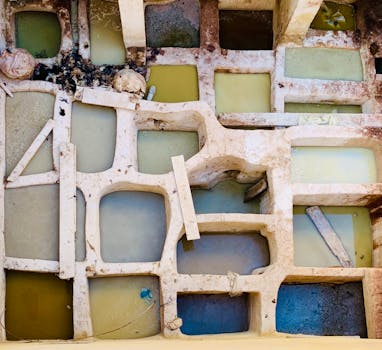
- Morocco (Fes & Safi): Moroccan ceramics are renowned for their vibrant colors and intricate geometric patterns. Fes is famous for its blue pottery, while Safi is a major pottery center known for its diverse styles.
- Experience: My aforementioned Atlas Mountain experience was just a taste. In Fes, I visited a large pottery cooperative where I watched artisans paint intricate patterns with incredible speed and precision. I then tried my hand at painting a small tagine lid – much harder than it looks! The friendly banter and shared mint tea made the experience unforgettable.
- Details: Workshops often include a tour of the pottery collective, a demonstration, and then a hands-on session. Prices vary but expect around 250-500 MAD ($25-$50 USD) for a half-day session.
- Tips: Be prepared to get dirty! Wear old clothes. Many workshops are run by cooperatives, offering a direct way to support the local economy.
2. Textile Arts: Weaving Stories into Fabric
From intricate weaving to vibrant dyeing, textile arts are a profound expression of culture, history, and often, spirituality.
- Where to Go:
- Peru (Sacred Valley): The Andean weaving tradition is ancient, with patterns and colors carrying deep symbolic meaning. Communities in the Sacred Valley, like Chinchero or Pisac, maintain these traditions using natural dyes and backstrap looms.
- Experience: Visiting a weaving cooperative in Chinchero was eye-opening. I learned about the process of washing, dyeing (using cochineal insects for red, local plants for other colors), and spinning alpaca wool. Then, sitting alongside an elderly woman, I tried my hand at a backstrap loom. It was incredibly challenging to coordinate the tension and shuttle, but the connection to this ancient skill was palpable.
- Details: Many workshops are offered through community tourism initiatives. Expect to pay around 100-200 PEN ($25-$50 USD) for a half-day session, often including demonstrations, hands-on time, and a light meal.
- Tips: Look for workshops that emphasize natural dyes and fair trade practices. These experiences often support local women and their families.
- India (Jaipur & Bhuj): India is a textile powerhouse, offering everything from block printing to tie-dye (bandhani) and intricate embroidery. Jaipur in Rajasthan is famous for its block printing, while Bhuj in Gujarat is a hub for various textile crafts, including tie-dye and Rogan art.
- Experience: In Jaipur, I found a small, family-run block printing workshop. After a quick lesson on block placement and dye application, I spent hours stamping vibrant patterns onto a cotton scarf. The rhythmic thud of the wooden blocks and the vibrant colors were mesmerizing. I left with a unique, handmade scarf and a deep appreciation for the artistry involved.
- Details: Block printing workshops in Jaipur typically cost 1,500-3,000 INR ($18-$36 USD) for a 2-3 hour session, often including the fabric you print on. More specialized workshops for tie-dye or embroidery might cost more and last longer.
- Tips: Wear clothes you don't mind getting stained. Bargain gently if you're booking on the spot, but remember you're supporting local artists.
3. Metalwork & Jewelry: Forging Beauty from Fire
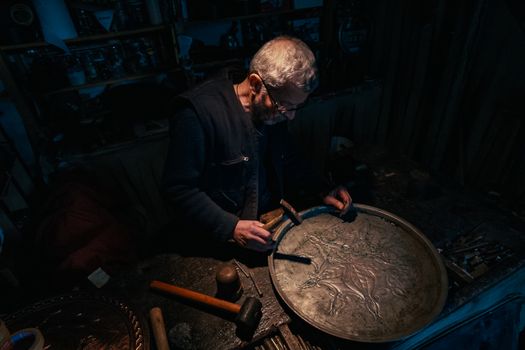
The transformation of raw metal into intricate jewelry or functional art is a testament to human ingenuity and artistic vision.
- Where to Go:
- Mexico (Taxco): Known as the "Silver City," Taxco in Guerrero state has a long and celebrated history of silver mining and silversmithing. The town is filled with workshops and boutiques.
- Experience: I spent a fascinating day in Taxco, observing master silversmiths at work. The precision with which they shaped, soldered, and polished silver was astounding. I took a short introductory class where I learned to hammer and polish a simple silver pendant. The heat of the torch, the smell of flux, and the satisfying weight of the finished piece were all part of the magic.
- Details: Workshops range from a few hours to several days. Expect to pay 1,500-3,000 MXN ($80-$160 USD) for a half-day session, often including materials for a small piece of jewelry.
- Tips: Look for certified workshops or ask your accommodation for recommendations. Be aware of the quality of silver (look for 925 sterling silver).
- Turkey (Cappadocia & Istanbul): From intricate copperware to stunning mosaic lamps, Turkey offers a vibrant metal and glass craft scene. Cappadocia is known for its traditional pottery and some metalwork, while Istanbul offers a broader range of crafts.
- Experience: While I didn't get to forge metal, I did take an incredible mosaic lamp-making class in Istanbul. It's not strictly 'metalwork' but involves intricate glass cutting and working with metal frames. Choosing the tiny, colorful glass pieces and meticulously arranging them into a pattern before plastering them onto the globe was a meditative process. Seeing my lamp glow for the first time was pure joy.
- Details: Mosaic lamp workshops in Istanbul typically cost 400-800 TRY ($12-$25 USD) for a 2-3 hour session, including all materials and the finished lamp.
- Tips: These workshops are very popular, especially in tourist areas like Sultanahmet. Book in advance.
4. Culinary & Edible Crafts: A Taste of Tradition
While often overlooked in the 'ancient crafts' category, traditional food preparation is an ancient art form passed down through generations, using age-old techniques and local ingredients.
- Where to Go:
- Italy (Bologna & Tuscany): Italy is the undisputed queen of traditional culinary crafts. Bologna, the gastronomic heartland, is perfect for pasta making, while Tuscany offers classes on everything from bread baking to gelato.
- Experience: My most cherished culinary memory is a pasta-making class in a rustic Tuscan farmhouse. Our teacher, a delightful nonna named Maria, taught us to make tagliatelle and ravioli from scratch, using only flour, eggs, and her bare hands. The laughter, the flour-dusted countertops, the shared meal afterwards – it was more than just cooking; it was an immersion into Italian family life. And yes, the pasta tasted divine!
- Details: Pasta making classes can range from 80-150 EUR ($85-$160 USD) for a half-day session, often including a meal and wine. Gelato making is typically shorter and slightly less expensive.
- Tips: Look for classes that include a market visit to source fresh ingredients or a meal where you can enjoy your creations. Small group sizes offer a more intimate experience.
- Thailand (Chiang Mai): Thai cooking is an art form, balancing sweet, sour, salty, and spicy. Chiang Mai is famous for its cooking schools.
- Experience: In Chiang Mai, I attended a full-day cooking class that started with a tour of a local market, identifying exotic herbs and spices. Back at the school, we learned to prepare five traditional dishes, from Pad Thai to Green Curry, pounding pastes by hand and mastering the art of wok cooking. The sensory overload of fresh ingredients and vibrant flavors was incredible.
- Details: Full-day cooking classes in Chiang Mai typically cost 1,000-1,500 THB ($28-$42 USD), often including market tours, ingredients, and a cookbook.
- Tips: Choose a school that emphasizes organic ingredients and offers vegetarian/vegan options if needed.
5. The Art of Paper & Ink: Preserving Ancient Wisdom
Before the digital age, the creation of paper and the art of calligraphy were revered skills, preserving knowledge and beauty.
- Where to Go:
- Japan (Kyoto): Japan is famous for washi paper, a durable and beautiful traditional paper made from plant fibers. Kyoto is a great place to experience this delicate craft. Calligraphy (shodo) is also deeply ingrained in Japanese culture.
- Experience: I spent a quiet afternoon in a small Kyoto studio learning about washi paper making. The process of preparing the fibers, scooping the pulp onto a screen, and gently pressing it felt incredibly meditative. While my first sheet wasn't perfect, the delicate texture and natural beauty were captivating. I also tried a shodo class, where the focus on breath, posture, and the precise stroke of the brush was a calming challenge.
- Details: Washi paper making workshops typically cost 3,000-5,000 JPY ($20-$35 USD) for a 1-2 hour session. Calligraphy classes can range from 3,000-7,000 JPY ($20-$50 USD) for a similar duration.
- Tips: These experiences are often very quiet and focused, so be prepared for a serene atmosphere. It's a wonderful way to unwind and appreciate meticulous craftsmanship.
- South Korea (Jeonju): Jeonju is renowned for hanji, traditional Korean paper made from the bark of the paper mulberry tree. It's known for its strength and versatility.
- Experience: In Jeonju's Hanok Village, I visited a hanji paper factory and museum. I took a short class where I learned the basic steps of making hanji, from pounding the bark to forming sheets. I also tried decorating a small item with hanji, a popular craft there. The dedication to preserving this centuries-old technique was inspiring.
- Details: Hanji workshops in Jeonju typically cost 10,000-20,000 KRW ($7-$15 USD) for a short introductory session, often including a small item to decorate.
- Tips: Explore the Hanok Village for other traditional crafts like fan making or traditional Korean painting.
The Art of the Imperfect: Embracing the Journey
What I’ve learned from countless hours in workshops around the world is that perfection isn't the goal. The beauty lies in the process, in the connection you forge with the material, with the artisan, and with yourself. Your wonky pottery bowl, your slightly crooked silver pendant, your unevenly block-printed scarf – these are not failures. They are authentic reflections of your journey, tangible memories of a moment when you stepped outside your comfort zone and embraced the ancient art of making.
These experiences are more than just travel activities; they are opportunities for growth, learning, and profound cultural exchange. They allow you to slow down, engage your senses, and truly appreciate the human touch in a world increasingly dominated by machines.
So, the next time you're planning a trip, consider adding an artisan workshop to your itinerary. It might just be the most memorable, most transformative part of your journey. You'll bring home not just a souvenir, but a story, a skill, and a piece of yourself that's a little more connected to the ancient rhythms of the world.
Which ancient craft will you learn on your next adventure? Share your dreams in the comments below!
---
More pictures

Tags
Share this guide
We may earn a commission if you click a link and buy a product or service, at no extra cost to you. How affiliate links work.
Been there?